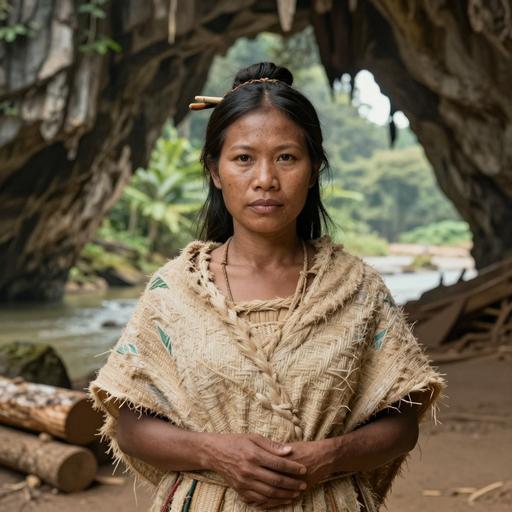
The Tham Lod Log Coffin Culture is an intriguing archaeological phenomenon associated with the Iron Age, particularly observed in regions of Southeast Asia, primarily northern Thailand. It is characterized by the remarkable discovery of log coffins situated within cave systems, most notably within Tham Lod and nearby cave sites. This culture provides significant insights into the burial practices, societal structures, and environmental adaptations of prehistoric communities during the Iron Age.
Geographic and Environmental Context
Tham Lod Cave, located in the Pang Mapha district of Mae Hong Son Province in northern Thailand, is part of a karst landscape featuring numerous caves, steep limestone cliffs, and vibrant ecosystems. This setting provided a strategic advantage for early human settlements, offering shelter, resources, and natural protection. The environment played a crucial role in shaping the lifestyle and practices of the people associated with the Tham Lod Log Coffin Culture.
Temporal Context
The Tham Lod Log Coffin Culture is typically dated to the late prehistoric Iron Age, approximately between 1,200 and 1,500 years ago, though some estimates suggest an even older timeline. This era is characterized by advancements in metalworking, agriculture, and societal organization, and these developments are reflected in the material remnants found within the burial sites.
Cultural and Societal Characteristics
Burial Practices
The most distinctive feature of the Tham Lod Log Coffin Culture is its unique funerary customs. The primary mode of burial involved hollowed-out logs, often made from massive tree trunks, used as coffins. These log coffins were placed on elevated platforms inside the cave systems, indicating a sophisticated level of carpentry and an intricate understanding of local timber.
The elevated placement of the coffins suggests a ritualistic aspect, potentially symbolizing a transition between worlds or an attempt to bring the deceased closer to a spiritual realm. The choice of caves as burial sites reflects a profound relationship with the landscape, possibly due to beliefs about the spiritual significance of these natural formations.
Material Culture
Artifacts recovered from these sites include pottery, metal objects, beads, and other personal items, suggesting a rich material culture. The presence of iron tools and weapons indicates knowledge of metallurgy and its practical applications. Pottery styles and decorative motifs provide insights into the aesthetic values and technological skills of the community.
The presence of imported items, such as beads and other ornaments, points to trade networks and cultural exchanges with neighboring regions, underscoring the interconnectedness of Iron Age societies in Southeast Asia.
Social Structure
The complexity and efforts involved in the burial practices imply a society with hierarchical structures. The differentiation in coffin sizes, contents, and positioning could reflect social stratification, where prominent individuals or leaders were given more elaborate burials than others.
Subsistence and Economy
While direct evidence of subsistence patterns is limited within the caves, it can be inferred from regional studies that the community practiced a mixed economy of agriculture, hunting, and foraging. The fertile valleys and forested areas surrounding Tham Lod would have supported rice cultivation and provided ample resources for hunting and gathering.
Religious and Spiritual Beliefs
Though specific religious beliefs of the Tham Lod Log Coffin Culture cannot be firmly established, the burial methods suggest a belief system that emphasized reverence for ancestors and the afterlife. The use of caves, considered liminal spaces, indicates a spiritual dimension where these communities may have engaged in rituals to honor the dead and seek protection or guidance from ancestral spirits.
Conclusion
The Tham Lod Log Coffin Culture of the Iron Age presents a fascinating window into the past, offering valuable insights into human adaptation, cultural practices, and societal organization in prehistoric Southeast Asia. As archaeological research continues, it is hoped that further discoveries will illuminate the lives and beliefs of the people who created these intriguing burial sites, unraveling the mysteries that still surround this enigmatic culture.