


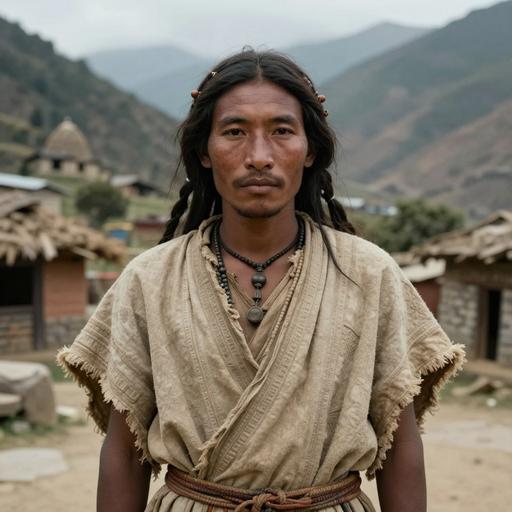
| Sample ID | Culture/Period | Date | Location | Action |
|---|---|---|---|---|
| C1 | Chokhopani 2800BP | 1200 BCE | Chokhopani Tomb. Nepal, Nepal | View |
| M240 | Mebrak 2125BP | 450 BCE | Mebrak Tomb. Nepal, Nepal | View |
| M63 | Mebrak 2125BP | 450 BCE | Mebrak Tomb. Nepal, Nepal | View |
| M344 | Mebrak 2125BP | 450 BCE | Mebrak Tomb. Nepal, Nepal | View |
| S35 | Samdzong 1500BP | 200 CE | Samdzong Tomb. Nepal, Nepal | View |
| S10 | Samdzong 1500BP | 200 CE | Samdzong Tomb. Nepal, Nepal | View |
| S41 | Samdzong 1500BP | 200 CE | Samdzong Tomb. Nepal, Nepal | View |
| S40 | Samdzong 1500BP | 200 CE | Samdzong Tomb. Nepal, Nepal | View |
| M240 | 450 BCE | Mebrak Tomb. Nepal, Nepal | View | |
| M344 | 450 BCE | Mebrak Tomb. Nepal, Nepal | View | |
| S40 | 200 CE | Samdzong Tomb. Nepal, Nepal | View | |
| C1 | 1200 BCE | Chokhopani Tomb. Nepal, Nepal | View | |
| M63 | 450 BCE | Mebrak Tomb. Nepal, Nepal | View | |
| S10 | 200 CE | Samdzong Tomb. Nepal, Nepal | View | |
| S35 | 200 CE | Samdzong Tomb. Nepal, Nepal | View | |
| S41 | 200 CE | Samdzong Tomb. Nepal, Nepal | View |
Chapter I
Identity
The biological and cultural markers that define this ancient individual
Sample ID
M344
Date Range
450 BCE - 100 CE
Cultural Period
Mebrak 2125BP
Biological Sex
Male
mtDNA Haplogroup
Z3a1a
Y-DNA Haplogroup
O-M134
Social Role
Laborer (AI estimate, era-typical)