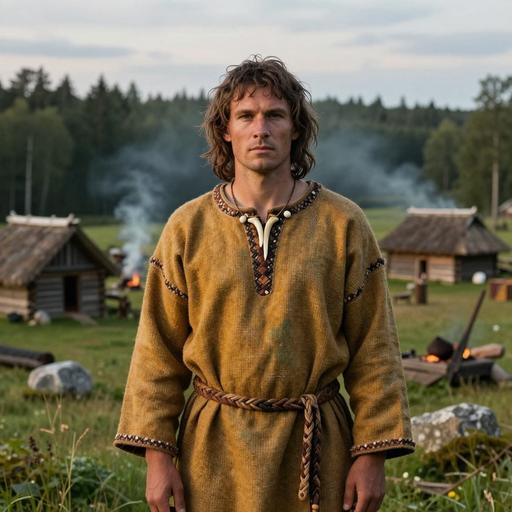
The Late Neolithic period in Sweden, roughly spanning from around 2350 to 1700 BCE, was a fascinating and transformative time that laid much of the groundwork for subsequent cultural and societal developments. This era saw significant changes in lifestyle, technology, and social organization, largely influenced by the arrival of Proto-Indo-European speakers and the evolving interaction with other cultures across Europe. Below is a detailed exploration of this remarkable period.
Cultural and Social Structure
Proto-Indo-European Influence
The Proto-Indo-Europeans are thought to have influenced Late Neolithic Sweden significantly. This period is characterized by a transition from earlier Neolithic cultures such as the Funnelbeaker culture to those reflecting more Indo-European traits. The Corded Ware culture, which shares characteristics with Indo-European migrations, becomes prominent during this era, marking a shift in both material culture and linguistic landscape.
Social Hierarchy and Organization
The society during Late Neolithic Sweden was predominantly agrarian but showed increasing social stratification. There is evidence of emerging social hierarchies, as seen from burial practices. Burial sites like cairns and boat-shaped stone settings suggest familial or tribal leaders had greater status, hinting at a society increasingly organized by hierarchical clans or tribes. Goods buried with the dead varied significantly, indicating differing status and resources.
Settlement and Lifestyle
Settlements were typically small, with structures built using wood and occasionally stone. These communities were likely semi-nomadic, practicing both farming and pastoralism. The agricultural economy was supported by the cultivation of barley and wheat, along with animal husbandry involving cattle, sheep, and goats. Fishing and hunting continued to be important, reflecting a diversified subsistence strategy.
Technological and Material Culture
Pottery and Toolmaking
Late Neolithic Sweden saw advancements in pottery and toolmaking. The ceramics of the Corded Ware culture, characterized by distinct decorative techniques involving cord impressions, are indicative of cultural shifts. Flint tools remained crucial, though metalworking began to emerge towards the end of the Neolithic, with copper artifacts appearing more frequently.
Megalithic Structures
The construction of megalithic structures, such as dolmens and passage graves, continued during this period but became more complex and varied in form. These structures served both ritualistic and social functions, acting as tombs and possibly as territorial markers, reflecting a deepening spiritual life intertwined with cosmology and ancestor worship.
Religion and Spiritual Practices
Spiritual Beliefs
The religious practices of Late Neolithic Sweden involved animistic and shamanistic elements. Nature worship, particularly reverence for the sun, moon, and land, figured prominently in spiritual beliefs. The alignment of certain megalithic structures with celestial events suggests the significance of astronomical observations.
Rituals and Ceremonies
Ceremonial practices likely included offerings, feasting, and community gatherings. Evidence suggests activities surrounding burial sites were not merely funerary but held broader ceremonial importance, possibly related to seasonal changes or socio-political events.
Interaction and Exchange
Trade and Exchange Networks
Late Neolithic Sweden was part of a broader network of trade and cultural exchange across Europe. The presence of amber, metals, and exotic materials such as jadeite in archaeological sites underscores active trading routes. This exchange facilitated the spread of both goods and ideas, contributing to cultural synthesis and innovation.
Influence and Relations with Neighboring Cultures
Interaction with neighboring cultures, such as those in present-day Denmark, Norway, and the Baltic regions, played a critical role in shaping Late Neolithic Sweden. These interactions were not only peaceful and commercial but occasionally confrontational, as evidenced by fortifications and weaponry.
Legacy and Transition
The Late Neolithic period in Sweden set the stage for the ensuing Bronze Age, marked by the influx of new technologies and further social complexities. The Indo-European linguistic and cultural legacies became more pronounced, influencing the development of future Scandinavian cultures. Understanding this era provides crucial insights into the early cultural and historical trajectories that have shaped modern Sweden.
In summary, Late Neolithic Sweden was a dynamic era marked by significant cultural, social, and technological changes. The interplay of indigenous traditions with Proto-Indo-European influences created a vibrant culture that left a lasting legacy on the region's historical development.