Menu
Currency
Main
Store
Blog

Loading Report

Preparing your ancestry journey

Connecting to ancient matches...

Preparing your report

Skip to main content
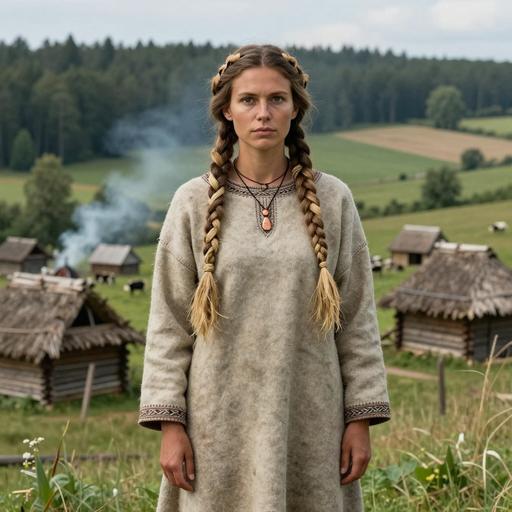
Portrait reconstruction of A woman buried in Poland in the Late Neolithic era
Ancient Individual

A woman buried in Poland in the Late Neolithic era

A woman buried in Poland during the Corded Ware Culture Southeast Poland

A fragment of the ancient world, preserved across millennia in strands of DNA.

pcw061
2469 BCE - 2211 BCE
Female
Poland
Scroll to begin
Chapter I

Identity

The biological and cultural markers that define this ancient individual

Sample ID

pcw061

Date Range

2469 BCE - 2211 BCE

Cultural Period

Corded Ware Culture Southeast Poland

Biological Sex

Female

mtDNA Haplogroup

H7a

Y-DNA Haplogroup

N/A (Female)

Chapter II

Place

Where this individual was discovered

Country Poland
Locality Southeastern Poland. Święte
Coordinates 49.9161, 22.8608
Chapter III

Time

When this individual lived in the broader context of human history

pcw061 2469 BCE - 2211 BCE
Chapter IV

Story

The narrative of this ancient life

The Corded Ware Culture (CWC), which spanned approximately 2900 to 2350 BCE, represents a significant prehistoric European phenomenon, characterized by its distinctive pottery and burial practices. In Southeast Poland, this culture offers a fascinating window into the lives of early Indo-European communities.

Geographic Context:

Southeast Poland, during the Corded Ware period, was a region of diverse landscapes, including rolling plains, river valleys, and forested areas. This variety of environments supported a range of subsistence activities and likely contributed to the cultural development specific to the area.

Origins and Spread:

The Corded Ware Culture is thought to have originated in the Eurasian steppes and spread across much of Europe, reaching Southeast Poland by the early 3rd millennium BCE. It is often associated with the spread of Indo-European languages, although debates continue about the exact routes and mechanisms of this dissemination.

Material Culture:

  • Pottery: The hallmark of the Corded Ware Culture, particularly in Southeast Poland, is its distinctive pottery. Vessels were often decorated with cord impressions, a technique involving pressing cords into wet clay to produce decorative patterns. These pots were typically beaker-shaped and played a significant role in social and ritual contexts.
  • Stone Tools: While largely utilitarian, the stone tools of the CWC were crafted with skill, including axes and arrowheads, suggesting both everyday use and possible warfare activities.

Burial Practices:

Burials within the Corded Ware Culture offer deep insights into their social structure and belief systems. In Southeast Poland, individuals were often interred in single graves, usually positioned in a flexed posture. Grave goods typically included pottery, ornaments, and tools, reflecting the individual's status and societal role. Male burials were typically more elaborate, indicating a possibly patriarchal society.

Settlement Patterns:

The Corded Ware people in Southeast Poland were likely semi-nomadic, with settlements that combined some fixed habitation sites with seasonal migration. Archaeological findings suggest they practiced a mixed economy of agriculture, pastoralism, and hunting-gathering. Cereal cultivation alongside herding of cattle, sheep, and goats provided a stable economic base.

Social Organization:

The Corded Ware society in Southeast Poland was likely organized into small, kin-based groups. The presence of prestige goods and differences in burial wealth suggest a level of social stratification. Traditional views have depicted the culture as patriarchal, with male dominance in social hierarchies, although this is under continuous revision with new evidence.

Cultural and Linguistic Implications:

Linguistically, the Corded Ware Culture is often linked with the spread of Proto-Indo-European languages across Europe. This has significant implications for understanding the linguistic and genetic heritage of modern European populations. Cultural practices, such as the use of horse-drawn wagons, also underscore the Indo-European connections.

Interaction with Neighboring Cultures:

The Corded Ware communities interacted with neighboring cultures such as the Funnelbeaker and Globular Amphora cultures. These interactions likely involved both conflict and cultural exchange, influencing technological, social, and ritual practices in Southeast Poland. The transmission of ideas and goods across these cultural boundaries was an essential dynamic of this period.

In conclusion, the Corded Ware Culture in Southeast Poland is a fascinating convergence of traditional practices and innovations shaping the prehistoric cultural landscape of Europe. Its legacy is profound, influencing subsequent cultural developments and the historical trajectory of the Indo-European speaking peoples.

Chapter V

Genetics

These comparisons show genetic similarity, not identity or origin. The populations listed are those whose genomes show statistical alignment to this ancient individual.

Similarity reflects shared history, not shared identity. These are analytical comparisons, not claims about who this person was.

Modern Genetic Admixture

This analysis compares the DNA profile with present-day reference populations, showing what percentage of genetic makeup resembles modern populations from different regions.

Europe 80.5%
Northwestern European 69.4%
English 38.3%
Finnish 17.2%
Scandinavian 11.0%
Northwestern European 2.9%
Eastern European 11.1%
Asia 19.1%
Northern West Asian 11.1%
Caucasian 11.1%
Central Asian, Northern Indian & Pakistani 8.0%
Pakistan 8.0%

Closest Modern Populations

These are the modern populations showing the closest statistical alignment to A woman buried in Poland in the Late Neolithic era, ranked by genetic distance. Lower distance values indicate closer statistical similarity.

1
Afrikaner
6.1042
2
Orcadian
6.6219
3
Moksha
6.6439
4
Scottish
6.6561
5
Shetlandic
6.6718
6
Dutch
6.6774
7
Hungarian
6.7009
8
Swedish
6.7193
9
Norwegian
6.7278
10
German Hamburg
6.7508
Context

Related Samples

This individual exists within a broader network of ancient samples. No ancient genome stands alone.

Sample ID Culture/Period Date Location Action
pcw362 Corded Ware Culture Southeast Poland 2465 BCE Southeastern Poland. Łubcze, Poland View
pcw361 Corded Ware Culture Southeast Poland 2500 BCE Southeastern Poland. Łubcze, Poland View
pcw040 Corded Ware Culture Southeast Poland 2571 BCE Southeastern Poland. Święte, Poland View
pcw260 Bell Beaker Culture Southeast Poland 2455 BCE Southeastern Poland. Pełczyska, Poland View
pcw070 Corded Ware Culture Southeast Poland 2469 BCE Southeastern Poland. Święte, Poland View
pcw211 Corded Ware Culture Southeast Poland 2500 BCE Southeastern Poland. Chłopice, Poland View
pcw280 Bell Beaker Culture Southeast Poland 2500 BCE Southeastern Poland. Pełczyska, Poland View
pcw061 Corded Ware Culture Southeast Poland 2469 BCE Southeastern Poland. Święte, Poland View
pcw041 Corded Ware Culture Southeast Poland 2571 BCE Southeastern Poland. Święte, Poland View
pcw350 Corded Ware Culture Southeast Poland 2462 BCE Southeastern Poland. Łubcze, Poland View
pcw191 Corded Ware Culture Southeast Poland 2455 BCE Southeastern Poland. Skołoszów, Poland View
pcw430 Corded Ware Culture Southeast Poland 2500 BCE Southeastern Poland. Bosutów, Poland View
pcw270 Bell Beaker Culture Southeast Poland 2500 BCE Southeastern Poland. Pełczyska, Poland View
pcw250 Corded Ware Culture Southeast Poland 2500 BCE Southeastern Poland. Mistrzejowice, Poland View
pcw212 Corded Ware Culture Southeast Poland 2617 BCE Southeastern Poland. Chłopice, Poland View
pcw110 Corded Ware Culture Southeast Poland 2500 BCE Southeastern Poland. Szczytna, Poland View
pcw420 Corded Ware Culture Southeast Poland 2500 BCE Southeastern Poland. Proszowice, Poland View
pcw160 Corded Ware Culture Southeast Poland 2463 BCE Southeastern Poland. Mirocin, Poland View
pcw062 Corded Ware Culture Southeast Poland 2500 BCE Southeastern Poland. Święte, Poland View
pcw040 2571 BCE Southeastern Poland. Święte, Poland View
pcw041 2571 BCE Southeastern Poland. Święte, Poland View
pcw061 2469 BCE Southeastern Poland. Święte, Poland View
pcw062 2500 BCE Southeastern Poland. Święte, Poland View
pcw070 2469 BCE Southeastern Poland. Święte, Poland View
pcw110 2500 BCE Southeastern Poland. Szczytna, Poland View
pcw160 2463 BCE Southeastern Poland. Mirocin, Poland View
pcw191 2455 BCE Southeastern Poland. Skołoszów, Poland View
pcw211 2500 BCE Southeastern Poland. Chłopice, Poland View
pcw212 2617 BCE Southeastern Poland. Chłopice, Poland View
pcw250 2500 BCE Southeastern Poland. Mistrzejowice, Poland View
pcw260 2455 BCE Southeastern Poland. Pełczyska, Poland View
pcw270 2500 BCE Southeastern Poland. Pełczyska, Poland View
pcw280 2500 BCE Southeastern Poland. Pełczyska, Poland View
pcw350 2462 BCE Southeastern Poland. Łubcze, Poland View
pcw361 2500 BCE Southeastern Poland. Łubcze, Poland View
pcw362 2465 BCE Southeastern Poland. Łubcze, Poland View
pcw420 2500 BCE Southeastern Poland. Proszowice, Poland View
pcw430 2500 BCE Southeastern Poland. Bosutów, Poland View
Sample ID Culture/Period Date Location Action
pcw362 Corded Ware Culture Southeast Poland 2465 BCE Southeastern Poland. Łubcze, Poland View
pcw361 Corded Ware Culture Southeast Poland 2500 BCE Southeastern Poland. Łubcze, Poland View
pcw040 Corded Ware Culture Southeast Poland 2571 BCE Southeastern Poland. Święte, Poland View
pcw070 Corded Ware Culture Southeast Poland 2469 BCE Southeastern Poland. Święte, Poland View
pcw211 Corded Ware Culture Southeast Poland 2500 BCE Southeastern Poland. Chłopice, Poland View
pcw061 Corded Ware Culture Southeast Poland 2469 BCE Southeastern Poland. Święte, Poland View
pcw041 Corded Ware Culture Southeast Poland 2571 BCE Southeastern Poland. Święte, Poland View
pcw350 Corded Ware Culture Southeast Poland 2462 BCE Southeastern Poland. Łubcze, Poland View
pcw191 Corded Ware Culture Southeast Poland 2455 BCE Southeastern Poland. Skołoszów, Poland View
pcw430 Corded Ware Culture Southeast Poland 2500 BCE Southeastern Poland. Bosutów, Poland View
pcw250 Corded Ware Culture Southeast Poland 2500 BCE Southeastern Poland. Mistrzejowice, Poland View
pcw212 Corded Ware Culture Southeast Poland 2617 BCE Southeastern Poland. Chłopice, Poland View
pcw110 Corded Ware Culture Southeast Poland 2500 BCE Southeastern Poland. Szczytna, Poland View
pcw420 Corded Ware Culture Southeast Poland 2500 BCE Southeastern Poland. Proszowice, Poland View
pcw160 Corded Ware Culture Southeast Poland 2463 BCE Southeastern Poland. Mirocin, Poland View
pcw062 Corded Ware Culture Southeast Poland 2500 BCE Southeastern Poland. Święte, Poland View
Sources

References

Scientific publications and genetic data that inform this profile.

Scientific Publication

Corded Ware cultural complexity uncovered using genomic and isotopic analysis from south-eastern Poland

Authors Linderholm A, Kılınç GM, Szczepanek A, Włodarczak P, Jarosz P et al.
Abstract

During the Final Eneolithic the Corded Ware Complex (CWC) emerges, chiefly identified by its specific burial rites. This complex spanned most of central Europe and exhibits demographic and cultural associations to the Yamnaya culture. To study the genetic structure and kin relations in CWC communities, we sequenced the genomes of 19 individuals located in the heartland of the CWC complex region, south-eastern Poland. Whole genome sequence and strontium isotope data allowed us to investigate genetic ancestry, admixture, kinship and mobility. The analysis showed a unique pattern, not detected in other parts of Poland; maternally the individuals are linked to earlier Neolithic lineages, whereas on the paternal side a Steppe ancestry is clearly visible. We identified three cases of kinship. Of these two were between individuals buried in double graves. Interestingly, we identified kinship between a local and a non-local individual thus discovering a novel, previously unknown burial custom.

G25 Coordinates

These coordinates represent a position in genetic space, a tool for comparison, not a conclusion. You can use these to perform custom admixture analysis in G25 Studio.

pcw061,0.11776812,0.0872936,0.04790558,0.0425258,0.0119908,0.01464596,0.00415806,0.00215692,-0.00718676,-0.0139257,-8.65E-05,0.00219236,-0.00455656,-0.01302908,0.01154358,-0.00919888,-0.0165671,-0.00019388,-0.00615164,-0.00853548,0.00528126,0.00219084,-0.0092184,0.01261908,-0.00209354
Continue in G25 Studio
Use code for 25% off Expires Jul 13