Menu
Currency
Main
Store
Blog

Loading Report

Preparing your ancestry journey

Connecting to ancient matches...

Preparing your report

Skip to main content
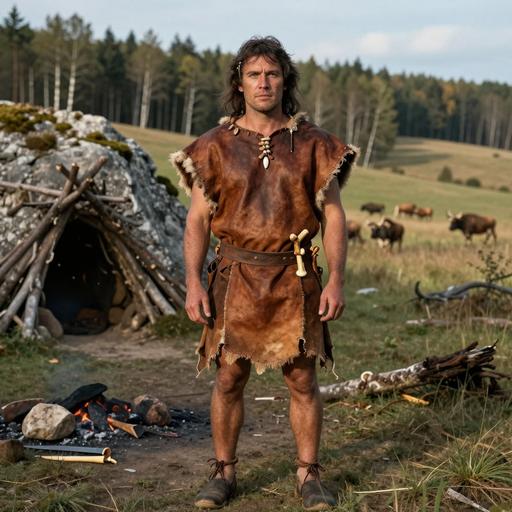
Portrait reconstruction of A man buried in France in the Pleistocene era
Ancient Individual

A man buried in France in the Pleistocene era

A man buried in France during the Rochedane Site, France

A fragment of the ancient world, preserved across millennia in strands of DNA.

Rochedane
11207 BCE - 10955 BCE
Male
France
Scroll to begin
Chapter I

Identity

The biological and cultural markers that define this ancient individual

Sample ID

Rochedane

Date Range

11207 BCE - 10955 BCE

Cultural Period

Rochedane Site, France

Biological Sex

Male

mtDNA Haplogroup

U5b2b

Y-DNA Haplogroup

I-S21825

Chapter II

Place

Where this individual was discovered

Country France
Locality Rochedane
Coordinates 47.2100, 6.4500
Chapter III

Time

When this individual lived in the broader context of human history

Rochedane 11207 BCE - 10955 BCE
Chapter IV

Story

The narrative of this ancient life

The Rochedane Site, located in France, is a significant archaeological location that offers insights into the Paleolithic era, a period roughly spanning from 2.5 million years ago to around 10,000 BCE. The Paleolithic era is marked by the development of early human cultures, characterized by the use of stone tools, hunting, gathering, and artistic expressions. Interestingly, the Rochedane Site provides valuable evidence that helps illuminate these aspects of prehistoric life.

Geographic and Environmental Context:

Rochedane, like many sites in France, is situated in an area rich with natural resources, which would have been crucial for Paleolithic populations. The landscape during this era would be quite different from today, marked by glacial periods that significantly impacted the flora and fauna. The site is located near what would have been vital water sources, such as rivers or lakes, essential for sustaining life and attracting game animals.

Archaeological Significance:

Rochedane is primarily associated with the Magdalenian culture, a prehistoric culture of the Upper Paleolithic that spanned from approximately 17,000 to 12,000 years ago. This culture is renowned for its sophisticated flint tool technologies and artistic achievements, including cave art and portable art carved from bone and antler.

Tool Technologies:

The site has yielded a significant number of stone tools and implements, showcasing the technological advancements of the time. Flint, being the predominant material, was expertly knapped to produce a variety of tools. These included blades, scrapers, burins, and projectile points, which were integral to hunting and daily life. The diversity and specialization of tools found at Rochedane illustrate an advanced understanding of tool-making and imply a society deeply dependent on the resources around them.

Art and Symbolic Behavior:

One of the hallmarks of the Magdalenian culture, prevalent at Rochedane, is its artistic and symbolic expression. While Rochedane itself may not host the spectacular cave art found at other sites like Lascaux, objects decorated with engravings and carvings have been discovered. These artifacts represent the abstract and symbolic thinking of Paleolithic societies and provide insight into their cultural and possibly spiritual lives.

Subsistence and Dietary Practices:

Evidence from the Rochedane Site suggests a diet heavily reliant on hunting and gathering. Faunal remains found at the site indicate the presence of large game animals like reindeer, which were abundant in the region during the Magdalenian period. The hunting strategies likely involved group coordination and detailed knowledge of animal behavior and seasonal migrations. In addition, gathered plant resources would have supplemented their diet, providing essential nutrients.

Social Organization and Settlement Patterns:

While direct evidence of housing structures is rare in Rochedane, the spatial distribution of artifacts provides clues about how the inhabitants might have organized their living spaces. This site possibly functioned as a seasonal camp, utilized by small, mobile groups that moved in response to climatic conditions and the availability of resources. The organization of Paleolithic societies is often theorized to be egalitarian, with roles generally divided by age and gender, although the specifics can vary.

Challenges and Preservation:

Like many prehistoric sites, Rochedane faces challenges related to preservation and interpretation. Natural processes such as erosion and human activities pose risks to the integrity of the site. However, ongoing archaeological efforts aim to preserve what remains and to use advanced techniques such as radiocarbon dating and DNA analysis to extract as much information as possible.

In summary, the Rochedane Site in France is a window into the life of Upper Paleolithic humans. Through its artifacts and environmental context, it reveals the adaptive strategies, technological innovations, and cultural practices of a group living in a challenging yet resource-rich environment. This site is invaluable for understanding the complexity and richness of human life during this transformative era.

Context

Related Samples

This individual exists within a broader network of ancient samples. No ancient genome stands alone.

Sample ID Culture/Period Date Location Action
Rochedane Rochedane Site, France 11207 BCE Rochedane, France View
Kostenki12 Kostenki 12 Site, Russia 31300 BCE Kostenki, Russia View
Vestonice16 Vestonice 16 Site, Czech Republic 28500 BCE Dolni Vestonice, Czech Republic View
Kostenki14 Kostenki 14 Site, Russia 37426 BCE Kostenki, Russia View
Pavlov1 Pavlov 1 Site, Czech Republic 29300 BCE Dolni Vestonice, Czech Republic View
Muierii2 Peștera Muierii Site, Romania 32228 BCE Muierii 2, Romania View
Vestonice13 Vestonice 13 Site, Czech Republic 29200 BCE Dolni Vestonice, Czech Republic View
Vestonice15 Vestonice 15 Site, Czech Republic 29200 BCE Dolni Vestonice, Czech Republic View
Vestonice43 Vestonice 43 Site, Czech Republic 28500 BCE Dolni Vestonice, Czech Republic View
Ostuni2 Ostuni 2 Hunter-Gatherer, Southern Italy 27546 BCE Apulia. Ostuni, Italy View
Ostuni1 Ostuni 1 Hunter-Gatherer, Southern Italy 25860 BCE Apulia. Ostuni, Italy View
Vestonice14 Vestonice 14 Site, Czech Republic 29200 BCE Dolni Vestonice, Czech Republic View
ElMiron El Mirón Cave, Spain 16898 BCE El Miron, Spain View
I1577 Krems-Wachtberg 3 Site, Austria 29500 BCE Krems-Wachtberg, Austria View
AfontovaGora3 Afontova Gora 3 Site, Russia 16257 BCE Afontova Gora, Russia View
Cioclovina1 Cioclovina Cave, Romania 31343 BCE Cioclovina, Romania View
Villabruna Villabruna Hunter-Gatherer, Northern Italy 12268 BCE Veneto. Villabruna, Italy View
Paglicci133 Paglicci 133 Hunter-Gatherer, Southern Italy 33150 BCE Apulia. Paglicci, Italy View
Continenza Southern Italy Hunter-Gatherer 9300 BCE Abruzzo. Grotta de Continenza, Italy View
Paglicci108 Paglicci 108 Hunter-Gatherer, Southern Italy 26700 BCE Apulia. Paglicci, Italy View
HohleFels49 Hohle Fels 49 Site, Germany 13771 BCE Swabian Jura. Baden-Wurttemberg. Hohle Fels. Ach Valley, Germany View
Burkhardtshohle Burkhardtshohle Cave, Germany 13127 BCE Swabian Jura. Baden-Wurttemberg. Burkhardtshöhle. Westerheim, Germany View
Bockstein Bockstein Cave, Germany 6450 BCE Swabian Jura. Baden-Wurttemberg. Bockstein-Höhle. Lone valley, Germany View
Brillenhohle Brillenhohle Cave, Germany 13167 BCE Swabian Jura. Baden-Wurttemberg. Brillenhöhle. Ach Valley, Germany View
HohleFels79 Hohle Fels 79 Site, Germany 13101 BCE Swabian Jura. Baden-Wurttemberg. Hohle Fels. Ach Valley, Germany View
Ofnet Ofnet Caves, Germany 6472 BCE Ofnet, Germany View
Ranchot88 Ranchot 88 Site, France 8290 BCE Ranchot, France View
Chaudardes1 Chaudardes Site, France 6400 BCE Chaudardes, France View
BerryAuBac Berry-au-Bac Site, France 5368 BCE Berry Au Bac, France View
Rigney1 Rigney 1 Site, France 13696 BCE Rigney, France View
Iboussieres39 Iboussieres 39 Site, France 9992 BCE Aven des Iboussières à Malataverne. Rhône-Alpes, France View
LesCloseaux13 Les Closeaux 13 Site, France 8282 BCE Les Closeaux, France View
GoyetQ116-1 Upper Paleolithic Goyet Cave Q116-1, Belgium 33678 BCE Troisieme caverne of Goyet cave, Belgium View
GoyetQ376-19 Upper Paleolithic Goyet Cave Q376-19, Belgium 25771 BCE Troisieme caverne of Goyet cave, Belgium View
GoyetQ53-1 Upper Paleolithic Goyet Cave Q53-1, Belgium 26440 BCE Troisieme caverne of Goyet cave, Belgium View
GoyetQ56-16 Upper Paleolithic Goyet Cave Q56-16, Belgium 24847 BCE Troisieme caverne of Goyet cave, Belgium View
Paglicci108 26700 BCE Apulia. Paglicci, Italy View
GoyetQ53-1 26440 BCE Troisieme caverne of Goyet cave, Belgium View
GoyetQ56-16 24847 BCE Troisieme caverne of Goyet cave, Belgium View
Rigney1 13696 BCE Rigney, France View
Burkhardtshohle 13127 BCE Swabian Jura. Baden-Wurttemberg. Burkhardtshöhle. Westerheim, Germany View
Iboussieres39 9992 BCE Aven des Iboussières à Malataverne. Rhône-Alpes, France View
Continenza 9300 BCE Abruzzo. Grotta de Continenza, Italy View
AfontovaGora3 16257 BCE Afontova Gora, Russia View
GoyetQ-2 13305 BCE Troisieme caverne of Goyet cave, Belgium View
GoyetQ116-1 33678 BCE Troisieme caverne of Goyet cave, Belgium View
Ofnet 6472 BCE Ofnet, Germany View
LesCloseaux13 8282 BCE Les Closeaux, France View
HohleFels79 13101 BCE Swabian Jura. Baden-Wurttemberg. Hohle Fels. Ach Valley, Germany View
Cioclovina1 31343 BCE Cioclovina, Romania View
Brillenhohle 13167 BCE Swabian Jura. Baden-Wurttemberg. Brillenhöhle. Ach Valley, Germany View
Bockstein 6450 BCE Swabian Jura. Baden-Wurttemberg. Bockstein-Höhle. Lone valley, Germany View
GoyetQ376-19 25771 BCE Troisieme caverne of Goyet cave, Belgium View
HohleFels49 13771 BCE Swabian Jura. Baden-Wurttemberg. Hohle Fels. Ach Valley, Germany View
Falkenstein 7472 BCE Swabian Jura. Baden-Wurttemberg. Falkenstein-Höhle, Germany View
Chaudardes1 6400 BCE Chaudardes, France View
Ranchot88 8290 BCE Ranchot, France View
Falkenstein 7472 BCE Swabian Jura. Baden-Wurttemberg. Falkenstein-Höhle, Germany View
BerryAuBac 5368 BCE Berry Au Bac, France View
GoyetQ116-1 33678 BCE Troisieme caverne of Goyet cave, Belgium View
Paglicci133 33150 BCE Apulia. Paglicci, Italy View
Rochedane 11207 BCE Rochedane, France View
I0061 7050 BCE Karelia. Yuzhnyy Oleni Ostrov, Russia View
Villabruna 12268 BCE Veneto. Villabruna, Italy View
Sample ID Culture/Period Date Location Action
Rochedane Rochedane Site, France 11207 BCE Rochedane, France View
Sources

References

Scientific publications and genetic data that inform this profile.

Scientific Publication

The genetic history of Ice Age Europe

Authors Fu Q, Posth C, Hajdinjak M, Petr M, Mallick S et al.
Abstract

Modern humans arrived in Europe ~45,000 years ago, but little is known about their genetic composition before the start of farming ~8,500 years ago. Here we analyse genome-wide data from 51 Eurasians from ~45,000-7,000 years ago. Over this time, the proportion of Neanderthal DNA decreased from 3-6% to around 2%, consistent with natural selection against Neanderthal variants in modern humans. Whereas there is no evidence of the earliest modern humans in Europe contributing to the genetic composition of present-day Europeans, all individuals between ~37,000 and ~14,000 years ago descended from a single founder population which forms part of the ancestry of present-day Europeans. An ~35,000-year-old individual from northwest Europe represents an early branch of this founder population which was then displaced across a broad region, before reappearing in southwest Europe at the height of the last Ice Age ~19,000 years ago. During the major warming period after ~14,000 years ago, a genetic component related to present-day Near Easterners became widespread in Europe. These results document how population turnover and migration have been recurring themes of European prehistory.

Use code for 25% off Expires Jul 12