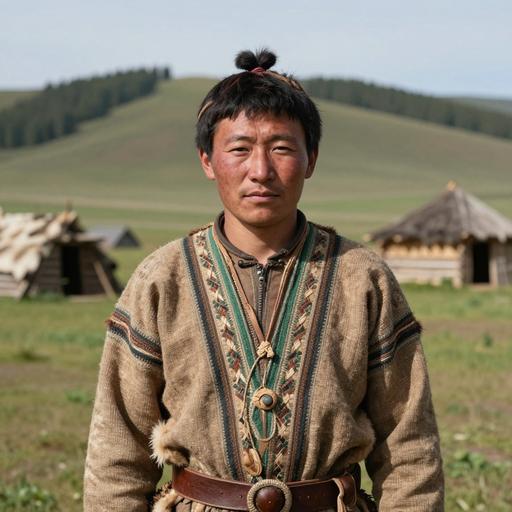
The Altai-Sayan region, located at the intersection of what is now Russia, Mongolia, China, and Kazakhstan, is rich in history and cultural diversity. The indigenous peoples of this region, often categorized under the broader term \Scytho-Siberian," share a deep cultural heritage that traces back thousands of years. This area is characterized by its rugged mountainous terrain, which has historically shaped the lifestyle, economy, and culture of its inhabitants.
Historical Background
The Altai-Sayan region has been the crossroads of various nomadic and semi-nomadic tribes throughout history. The Scytho-Siberian influence began around the first millennium BCE with the migration of these tribes across the Eurasian steppe. The Scythians, known for their skill as horsemen and warriors, had a profound impact on the cultural and archaeological landscape. The Altai-Sayan peoples, including groups such as the Khakas, Tuvans, and Altaians, have been influenced by this Scytho-Siberian confluence, which is evident in their art, mythology, and burial practices.
Cultural Elements
Art and Symbolism: The Altai-Sayan peoples are known for their distinctive art forms, particularly in metalwork and textiles. The art often features intricate animal motifs, which are believed to hold spiritual significance and are characterized by flowing, dynamic lines that capture movement. These motifs found their way into various artifacts, including jewelry, weapons, and clothing items.
Religion and Mythology: Shamanism plays a crucial role in the spiritual life of the Altai-Sayan peoples. Shamans, regarded as intermediaries between the spiritual and physical worlds, perform rituals and ceremonies to communicate with spirits, heal the sick, and ensure community well-being. Their mythology is rich with tales of spirits, gods, and the natural world, often passed down orally through generations.
Nomadic Lifestyle: Historically, many Altai-Sayan groups led a nomadic or semi-nomadic lifestyle, moving with the seasons to access grazing lands for their livestock, including horses, sheep, and cattle. This mobile way of life influenced their housing, with yurts (portable round tents) serving as the primary dwellings, allowing for efficient movement and adaptability to the harsh climate.
Social Structure: The social organization of these peoples often revolved around the clan system, with strong kinship ties and a communal approach to land and resources. Leadership roles typically emerged from a combination of hereditary rights and merit, emphasizing wisdom, bravery, and skill in managing community affairs.
Linguistic and Ethnographic Aspects
The languages spoken by the Altai-Sayan peoples belong mainly to the Turkic and Mongolic language families, reflecting the region's historical interactions and migrations. Each group within the region has its own unique dialect, preserving traditional songs, stories, and cultural identity. Ethnographically, these peoples have maintained a strong sense of tradition, often balancing modern influences with the preservation of their ancestral practices and crafts.
Modern Context
Today, the Altai-Sayan peoples are navigating the challenges of modernity while striving to preserve their distinct cultural heritage. The Russian Federation's administrative policies, environmental changes, and globalization impact their traditional ways of life. However, there has been a growing revival and interest in cultural preservation, with efforts to document and maintain languages, rituals, and crafts crucial to their identity.
The Altai-Sayan region remains a fascinating study of cultural resilience, embodying a rich tapestry of history, art, and tradition amidst the ever-changing landscapes of the modern world. The Scytho-Siberian influence continues to shape the identity and heritage of its peoples, offering essential insights into the broader narrative of human civilization in the Eurasian steppe."