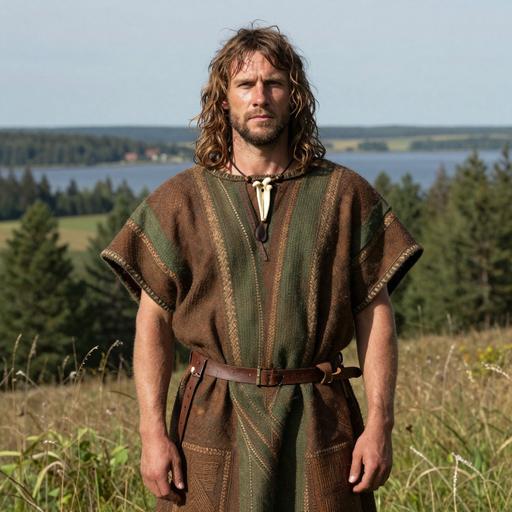
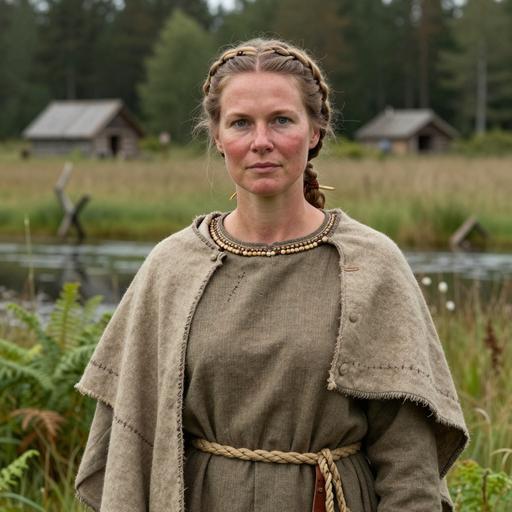
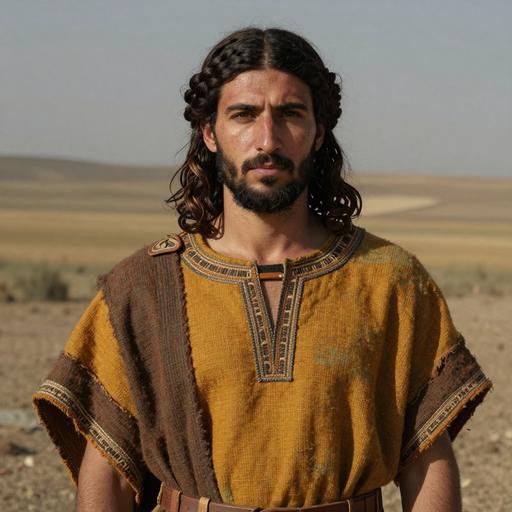
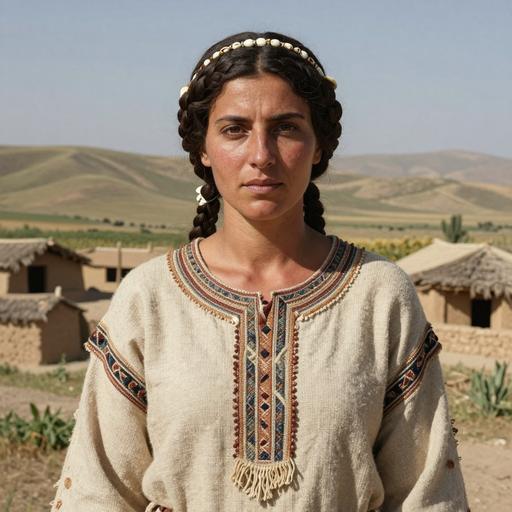
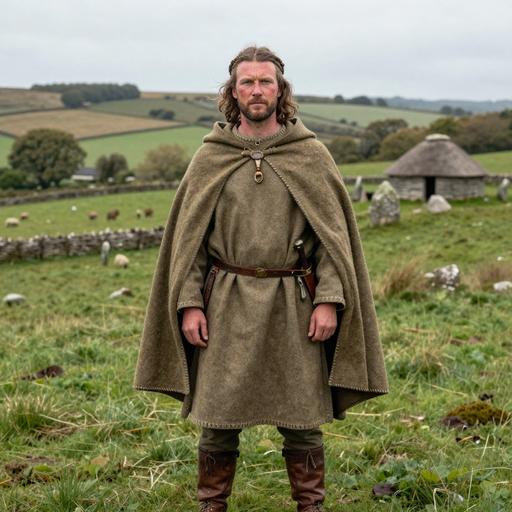
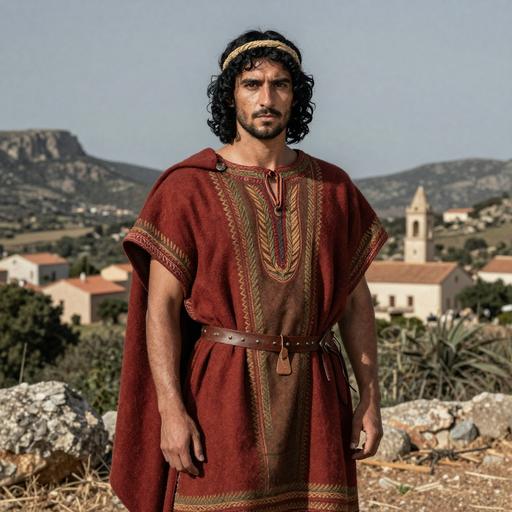
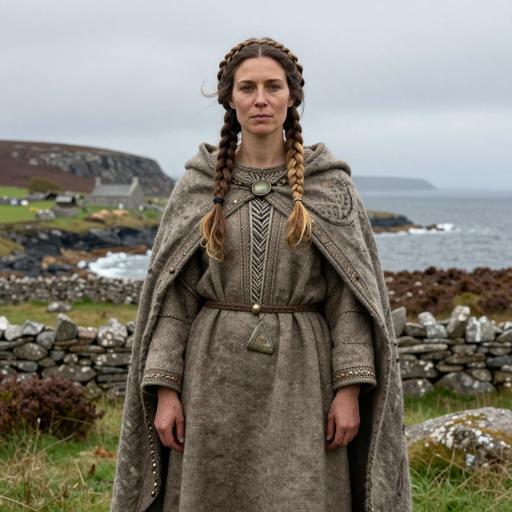
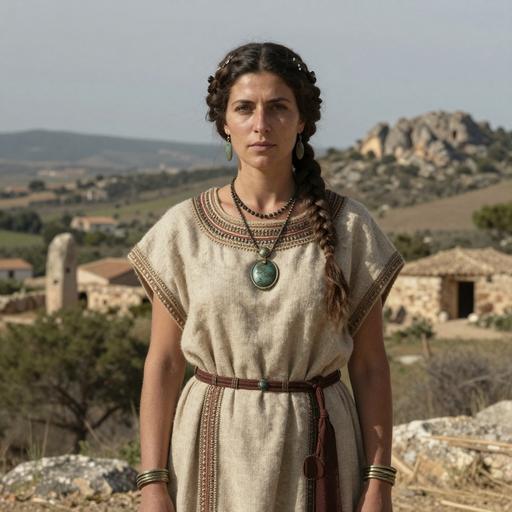
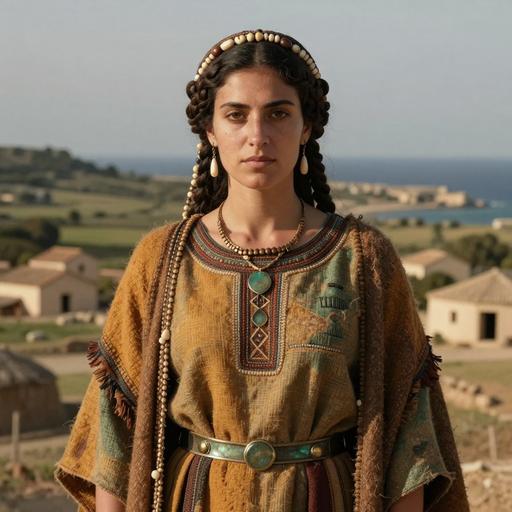
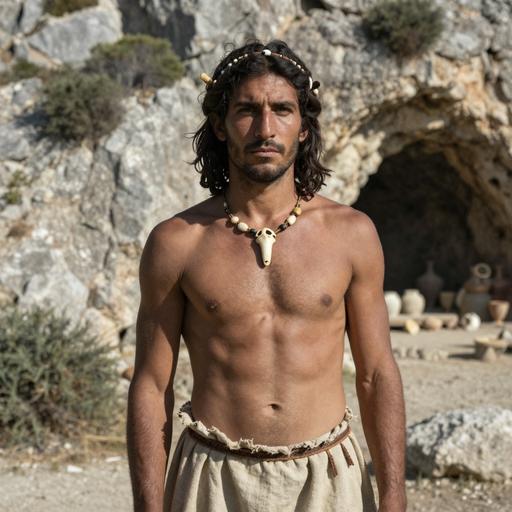
Ein Referenzprofil für einen Abstammungszweig. Gemeinsame Haplogruppen begründen weder eine familiäre Beziehung noch eine kulturelle Identität.
Referenzprofil
Hintergrund des Zweigs
Historischer Kontext für den mtDNA-Abstammungszweig K1A3
Origins and Evolution
mtDNA haplogroup K1A3 is a downstream branch of K1A, itself a derivative of haplogroup K (which stems from U8b). The parent clade K1A likely diversified in the Near East/Anatolia in the Late Glacial to Early Holocene; K1A3 is best interpreted as a Holocene split that emerged after the initial K1A diversification. Its estimated time depth (on the order of ~9 kya) places its origin in the period when Anatolian/Levantine populations were undergoing demographic growth and beginning the processes that led to Neolithic expansions into Europe.
K1A3 is defined by specific coding-region and control-region mutations relative to the rCRS within the K1A branch; as with most mtDNA subclades, its phylogenetic placement is established by a set of diagnostic mutations observed in multiple independent lineages.
Subclades (if applicable)
K1A3 may contain further internal substructure (e.g., K1A3a, K1A3b in published phylogenies), with some sublineages restricted to certain geographic pockets due to founder effects or later demographic events. Several minor subclades show localized elevation in frequency where founder events occurred (for example, within certain Jewish communities or isolated Mediterranean populations). Because mtDNA lineages are sampled unevenly across regions and time periods, continued sequencing of both modern and ancient samples can clarify the finer branching pattern within K1A3.
Geographical Distribution
The geographical distribution of K1A3 reflects a Near Eastern origin followed by dispersal into surrounding regions. It is observed in modern populations across Anatolia, the Levant, the Caucasus and Southern Europe, and at lower frequencies in Western and Northern Europe and parts of North Africa and Central Asia. The haplogroup appears in ancient DNA from Neolithic contexts tied to early farmers, consistent with an expansion from a Near Eastern/Anatolian source into Europe during the Early Neolithic, and it also appears in later historical-period samples where demographic founder events concentrated particular maternal lineages.
Historical and Cultural Significance
K1A3's presence in Early Neolithic-associated remains (and its modern distribution) ties it to the spread of agriculture from Anatolia into Europe. In some populations, particularly among Ashkenazi Jewish communities, K1A sublineages — including lineages closely related to K1A3 — show evidence of later founder effects that amplified particular maternal lineages during medieval population bottlenecks and expansions. Thus K1A3 exemplifies two common mtDNA histories: an early Holocene geographic expansion with farming populations and later, culturally mediated founder events that shape modern frequency patterns.
Conclusion
As a subclade of K1A, K1A3 is best understood as a Holocene maternal lineage that arose in the Near East/Anatolia and contributed to the maternal gene pool of Early Neolithic farmers who expanded into Europe. Its continued detection in modern and ancient samples — and occasional high local frequencies caused by founder effects — make it a useful marker for reconstructing maternal ancestry tied to Neolithic demography and later historical population processes.
Wichtige Punkte
Origins and Evolution
Subclades (if applicable)
Geographical Distribution
Historical and Cultural Significance
Conclusion
Referenzprofil
Baum und Verwandtschaft
Phylogenetischer Kontext und Subkladen
Entwicklungsweg
Folgen Sie den erfassten übergeordneten Zweigen bis K1A3. Die Daten sind Schätzungen und können sich ändern, wenn Referenzdaten überarbeitet werden.
The populations where mtDNA haplogroup K1A3 is found include:
Ashkenazi Jewish communities
Anatolian (modern Turkey) populations
European Early Neolithic farmer-descended populations (e.g., Central European LBK-descendants)
Southern European populations (Iberia, Italy, Greece, Mediterranean islands such as Sardinia)
Western and Northern European populations (British Isles, Scandinavia) at moderate to low frequencies
Caucasus populations (Armenians, Georgians)
North African coastal groups with Near Eastern admixture
Iranian and Levantine populations
Island and isolated Mediterranean populations (e.g., Sardinians, some Aegean islands)
Small but detectable frequencies in parts of Central Asia due to historical west–east contacts
Historischer Kontext
Ein Zweig durch die Zeit
Geschätzte Entstehung in einer breiten historischen Zeitleiste. Zeitmarken liefern Kontext und implizieren keine Verbindung zu bestimmten Kulturen.
~10k Jahre zurück
Neolithische Revolution
Beginn der Landwirtschaft und feste Siedlungen
~9k Jahre zurück
Haplogruppe K1A3
Geschätzte Entstehung dieses mtDNA-Zweigs; Daten und Orte sind Referenzschätzungen.
Dieser Zweig
~5k Jahre zurück
Bronzezeit
Metallverarbeitung, Schrift und frühe Zivilisationen
~3k Jahre zurück
Eisenzeit
Eisenwerkzeuge und ausgedehnte Handelsnetze
~2.5k Jahre zurück
Klassische Antike
Blüte griechischer und römischer Kulturen
Gegenwart
Gegenwart
Moderne Zeit
Referenzprofil
Archäologischer Kontext
Erfasste archäologische Zuordnungen für den mtDNA-Zweig K1A3
Erfasste Zuordnungen
Diese Bezeichnungen beschreiben archäologische Kontexte erfasster Referenzproben mit Bezug zu K1A3. Eine Zuordnung bedeutet nicht, dass alle Träger einer Kultur angehörten oder einer bestimmten Migrationsroute folgten.
Kulturzuordnungen basieren auf dem archäologischen Kontext antiker DNA-Proben und können regionale Verknüpfungen in bestimmten Zeiträumen widerspiegeln.
Referenzprofil
Probencatalog
34 direkte Träger und 62 Subkladen-Träger der Haplogruppe K1A3
10 angezeigt · 50 passende Proben
Keine Proben entsprechen diesen Filtern. Versuchen Sie eine andere Bezeichnung, einen anderen Ort oder eine andere Epoche.
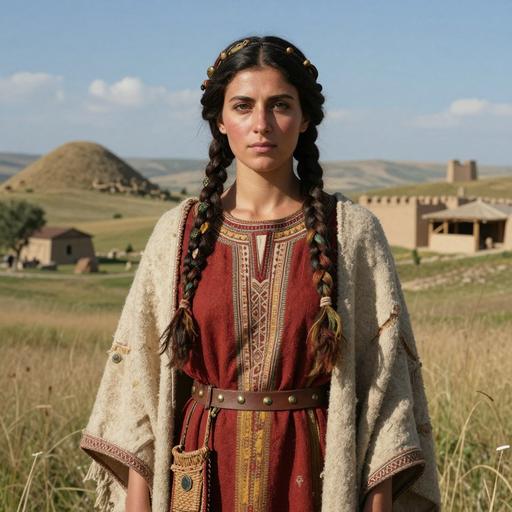
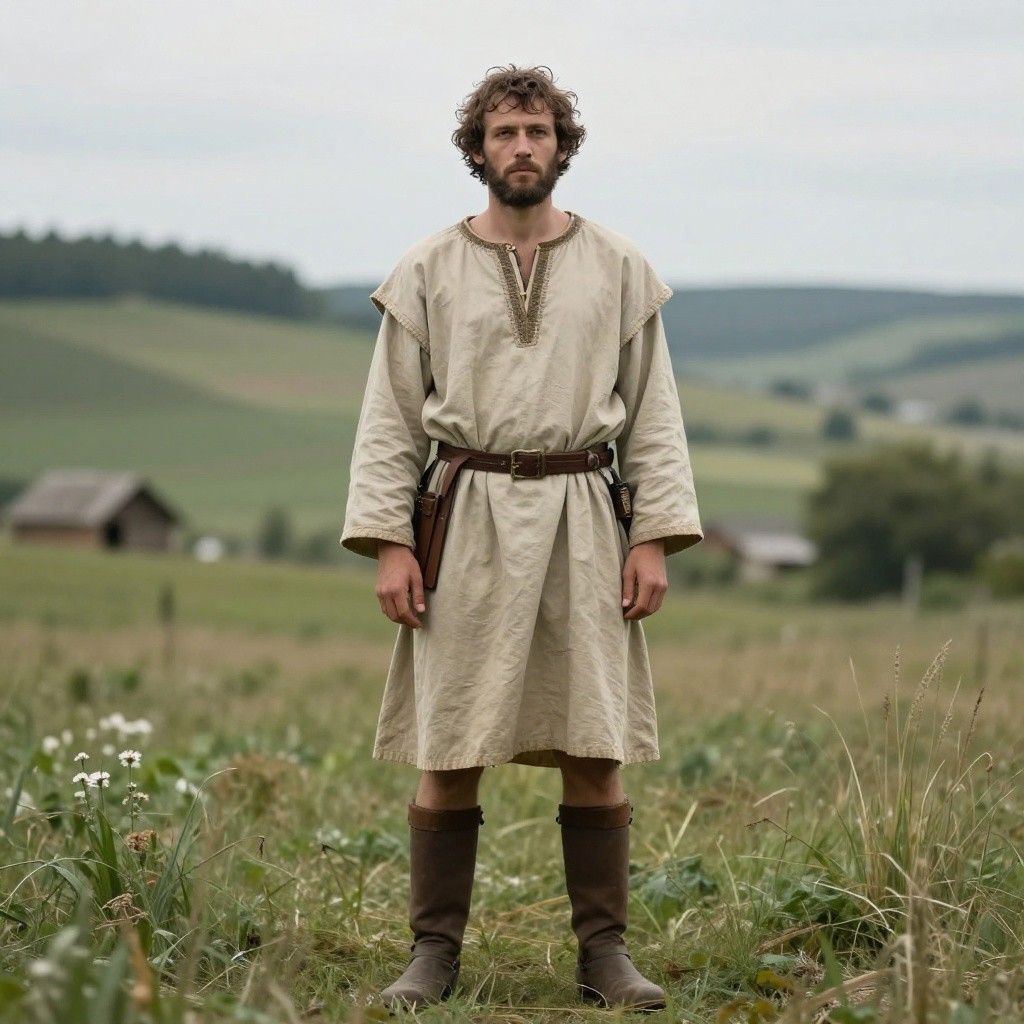
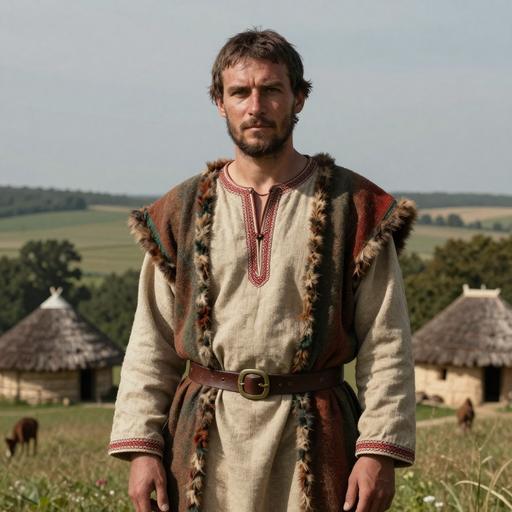
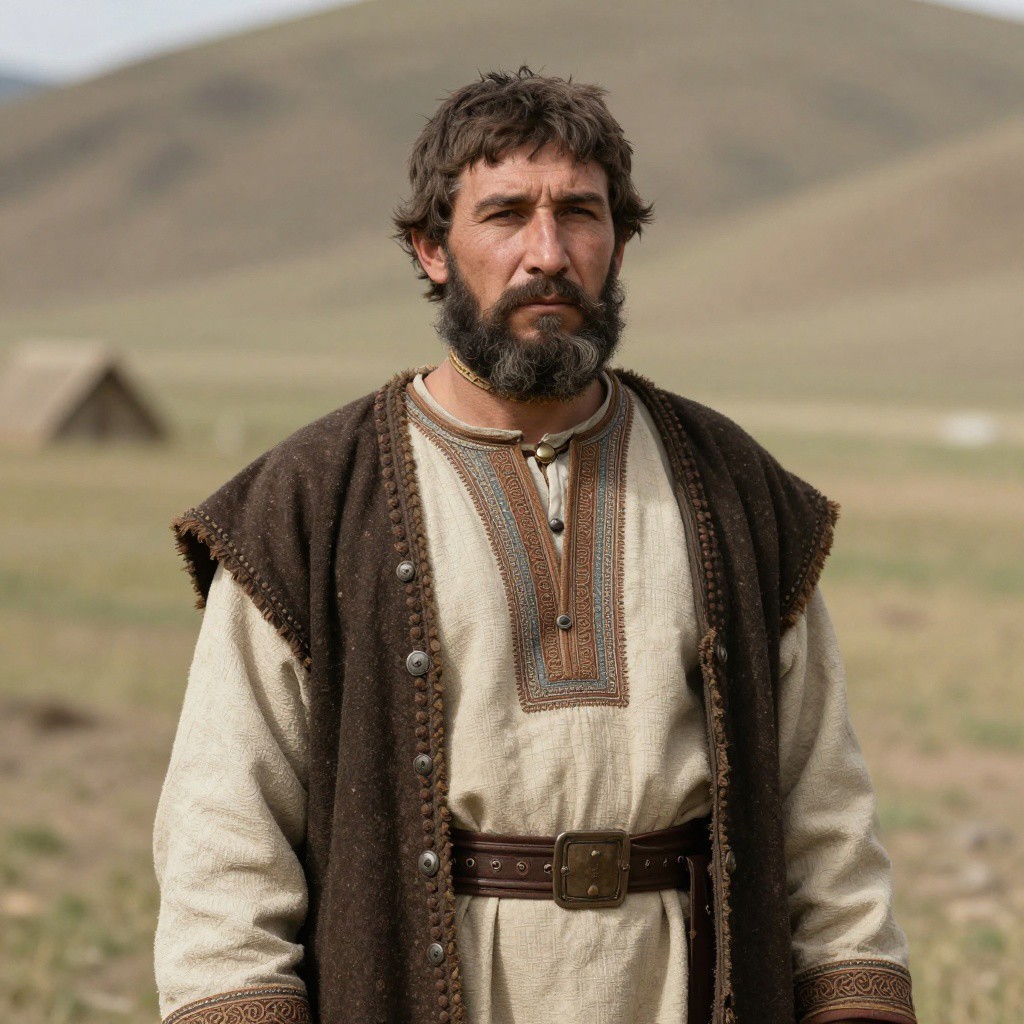
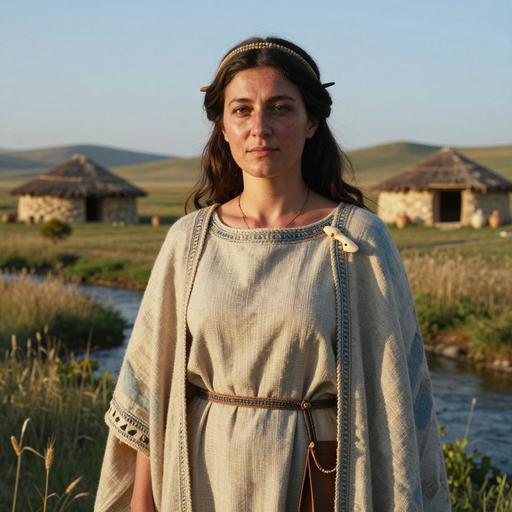
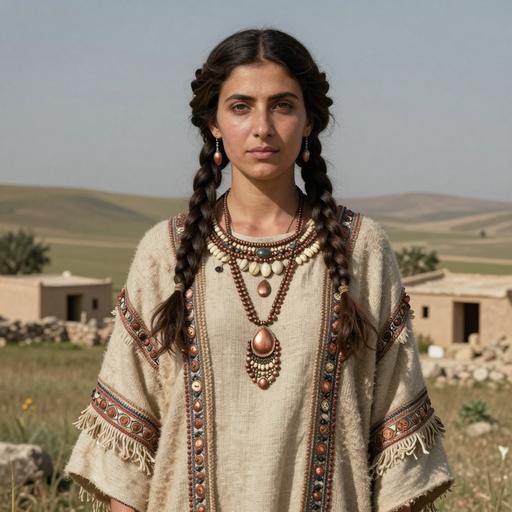
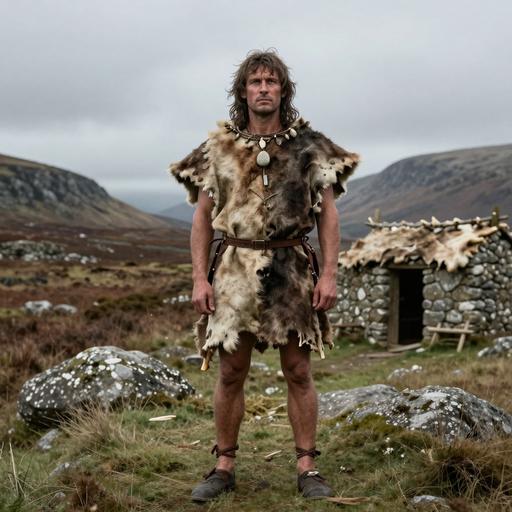
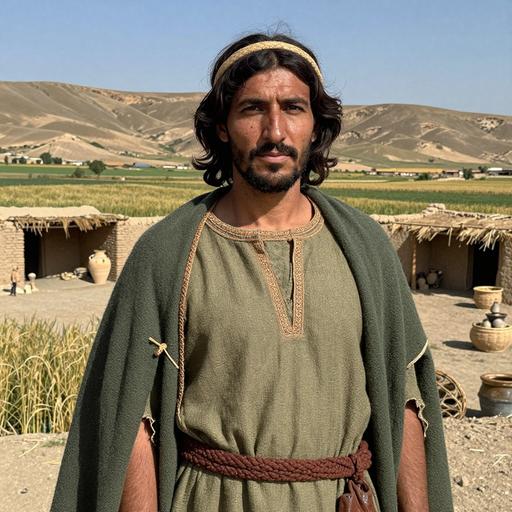
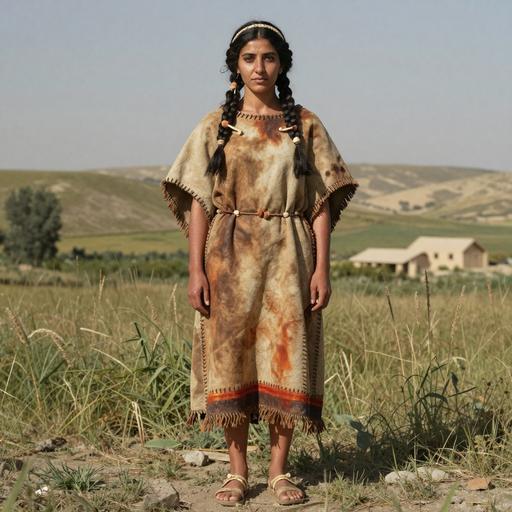
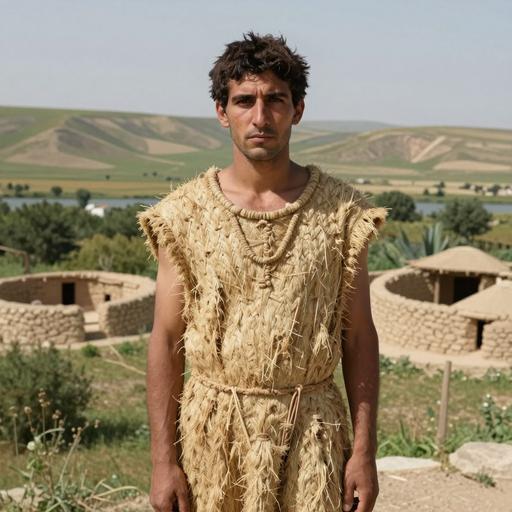
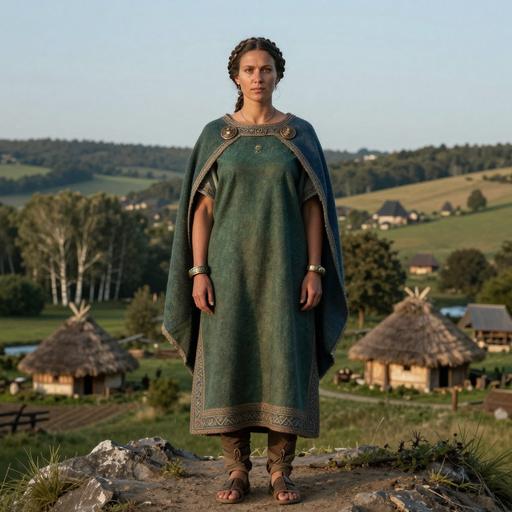
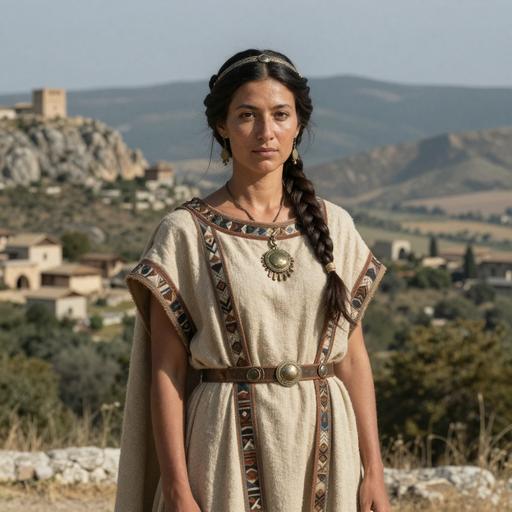
Porträts sind KI-generierte Illustrationen. Probenbezeichnungen und Zugangs-IDs identifizieren die Referenzdatensätze.
Porträt
Probe
Land
Epoche
Datum
Kultur
mtDNA
Übereinstimmung
Proben-ID: Gordion002
Turkey
Central Anatolian Iron Age Culture (Gordion)
350-1 BCE
Gordion Culture
K1a3
Direkt
Proben-ID: I3303
Turkey
Hellenistic Turkey
361-166 calBCE (2185±25 BP, PSUAMS-3994)
Hellenistic Anatolia
K1a3
Direkt
Proben-ID: CSK071
Austria
Austria Avar
600-800 CE
Austria_Avar
K1a3
Direkt
Proben-ID: PLE-38
Hungary
Hungary Conqueror Commoner
893 CE - 995 CE
Magyar Commoner Culture
K1a3
Direkt
Proben-ID: VK179
Greenland
Greenland EarlyNorse
900 CE - 1200 CE
Norse Greenland
K1a3
Direkt
Proben-ID: VK179
Greenland
The Viking Age
900 CE - 1200 CE
K1a3
Direkt
Proben-ID: GIN001
Russia
Russia MLBA Caucasus
1900-1750 BCE
Russia_MLBA_Caucasus
K1a3
Direkt
Proben-ID: RISE179
Sweden
Sweden LN
2015 BCE - 1774 BCE
Nordic Late Neolithic
K1a3
Direkt
Proben-ID: RISE179
Sweden
Late Neolithic Nordic Countries
2015 BCE - 1774 BCE
K1a3
Direkt
Proben-ID: OBKR_86
Germany
Early Bronze Age Lech Valley, Germany
2035 BCE - 1892 BCE
Lech Valley Bronze Age
K1a3
Direkt
Proben-ID: OBKR_86
Germany
Early Bronze Age Central Europe
2035 BCE - 1892 BCE
K1a3
Direkt
Proben-ID: OBKR_80
Germany
Early Bronze Age Lech Valley, Germany
2136-1955 calBCE (3664±24 BP, MAMS-18901)
Lech Valley Bronze Age
K1a3
Direkt
Proben-ID: vbj003
Sweden
Pitted Ware and Battle Axe Culture Västerbjers, Gotland, Sweden
3011 BCE - 2883 BCE
Västerbjers Culture
K1a3
Direkt
Proben-ID: vbj003
Sweden
The Pitted Ware Culture
3011 BCE - 2883 BCE
K1a3
Direkt
Proben-ID: vbj003
Sweden
The Pitted Ware Culture
3011 BCE - 2883 BCE
K1a3
Direkt
Proben-ID: NEO38
Sweden
Swedish Funnel Beaker Culture
3335-2928 calBCE (4443±40 BP, UBA-35702)
Funnel Beaker
K1a3
Direkt
Proben-ID: KH150633
Germany
Wartberg Culture
3344-3036 calBCE (4486±29 BP, KIA-52279)
Wartberg
K1a3
Direkt
Proben-ID: I10282
Spain
Spain MLN
3400 BCE - 2500 BCE
Iberian Neolithic
K1a3
Direkt
Proben-ID: I10282
Spain
Middle to Late Neolithic Iberia
3400 BCE - 2500 BCE
K1a3
Direkt
Proben-ID: ART019
Turkey
Late Chalcolithic Turkey
3508-3354 calBCE (4623±24 BP, MAMS-33544)
Late Anatolian Chalcolithic
K1a3
Direkt
Proben-ID: CBT017
Turkey
Late Chalcolithic Çamlıbel Tarlası, Turkey
3600-3450 BCE
Çamlıbel Tarlası
K1a3
Direkt
Proben-ID: CBT002
Turkey
Late Chalcolithic Çamlıbel Tarlası, Turkey
3644-3528 calBCE (4809±30 BP, MAMS-41630)
Çamlıbel Tarlası
K1a3
Direkt
Proben-ID: CBT016
Turkey
Late Chalcolithic Çamlıbel Tarlası, Turkey
3651-3528 calBCE (4828±29 BP, MAMS-41634)
Çamlıbel Tarlası
K1a3
Direkt
Proben-ID: I3041
United Kingdom
Scotland N
3942 BCE - 3037 BCE
Scottish Neolithic
K1a3
Direkt
Proben-ID: I3041
United Kingdom
Early Neolithic Britain
3942 BCE - 3037 BCE
K1a3
Direkt
Proben-ID: I3041
United Kingdom
Early Neolithic Britain
3942 BCE - 3037 BCE
K1a3
Direkt
Proben-ID: I3041
United Kingdom
Early Neolithic Britain
3942 BCE - 3037 BCE
K1a3
Direkt
Proben-ID: I30418
Austria
Austria N LBK
5197-4844 calBCE (6055±35 BP)
Linear Pottery Culture
K1a3
Direkt
Proben-ID: I24280
Austria
Austria N LBK
5300-5000 BCE
Linear Pottery Culture
K1a3
Direkt
Proben-ID: R8_Italy
Italy
Italy Abruzzo N
5830-5718 calBCE (6880±20 BP, UCIAMS-198580)
Italy_Abruzzo_N
K1a3
Direkt
Proben-ID: R8
Italy
Neolithic Italy
850-550 BCE
Italian Neolithic
K1a3
Direkt
Proben-ID: I4241
Iran
Chalcolithic Hajji Firuz
6021 BCE - 5891 BCE
Hajji Firuz
K1a3
Direkt
Proben-ID: AKT16
Turkey
Late Neolithic Turkey
6687-6512 calBCE (7792±28 BP, MAMS-25475)
Anatolian Late Neolithic
K1a3
Direkt
Proben-ID: cay007
Turkey
Çayönü Pre-Pottery Neolithic Culture
7592-7186 calBCE (8401±95)
Çayönü Culture
K1a3
Direkt
Proben-ID: I15515
Serbia
Serbia Roman
1-400 CE
Roman Provincial
K1a3a
Subklade
Proben-ID: ATT52-2
France
Iron Age Culture of Oise
350-200 BCE
Oise Culture
K1a3a
Subklade
Proben-ID: I7763
Italy
Italy Sicily IA b IA c Punic
500-300 BCE
Italy_Sicily_IA_b_IA_c_Punic
K1a3a
Subklade
Proben-ID: VIL007
Italy
Iron Age Punic 1 Sardinia, Italy
537-403 calBCE (2400±15 BP)
Early Punic Sardinian
K1a3a
Subklade
Proben-ID: I10389
North Macedonia
Iron Age Macedonia
700-500 BCE
Macedonian Iron Age
K1a3a
Subklade
Proben-ID: I13689
United Kingdom
England EIA
753-411 calBCE (2448±29 BP, SUERC-41684)
Early British Iron Age
K1a3a
Subklade
Proben-ID: VIL011
Italy
Iron Age Punic 1 Sardinia, Italy
818-792 calBCE (2640±15 BP)
Early Punic Sardinian
K1a3a
Subklade
Proben-ID: ORE-A1
Iceland
Iceland PreChristian
900 CE - 1000 CE
Norse Pagan
K1a3a
Subklade
Proben-ID: ORE-A1
Iceland
Medieval Nordic Region
900 CE - 1000 CE
1984
K1a3a
Subklade
Proben-ID: I10372
Italy
Italy Sicily LBA
1377-1130 calBCE (3005±20 BP, PSUAMS-5891)
Sicilian Bronze Age
K1a3a
Subklade
Proben-ID: I3125
Italy
Middle Bronze Age Sicily, Italy
1612 BCE - 1501 BCE
Sicilian Bronze Age
K1a3a7
Subklade
Proben-ID: KD058
United Kingdom
Middle Bronze Age Orkney, Scotland
1616-1456 calBCE (3270±30 BP, SUERC-36895)
Orcadian Bronze Age
K1a3a
Subklade
Proben-ID: I4558
Spain
Spain EBA
1700-1500 BCE
Early Bronze Age Iberian
K1a3a
Subklade
Proben-ID: I4560
Spain
Spain EBA
1700-1500 BCE
Early Bronze Age Iberian
K1a3a
Subklade
Proben-ID: I10939
Gibraltar
Gibraltar EBA
1900-1400 BCE
Gibraltar Bronze Age
K1a3a
Subklade
Proben-ID: ALM020
Spain
The Argaric Culture of Spain
2000-1750 BCE
El Argar
K1a3a
Subklade
Proben-ID: Gordion002
Central Anatolian Iron Age Culture (Gordion) - Turkey - Gordion (Central, Ankara)
Turkey Central Anatolian Iron Age Culture (Gordion) 350-1 BCE
Middle Bronze Age Orkney, Scotland - United Kingdom - Orkney. Westray. Links of Noltland
United Kingdom Middle Bronze Age Orkney, Scotland 1616-1456 calBCE (3270±30 BP, SUERC-36895)
K1a3aSubklade
Proben-ID: I4558
Early Bronze Age Spain - Spain - Tarragona. Galls Carboners
Spain Spain EBA 1700-1500 BCE
K1a3aSubklade
Proben-ID: I4560
Early Bronze Age Spain - Spain - Tarragona. Galls Carboners
Spain Spain EBA 1700-1500 BCE
K1a3aSubklade
Proben-ID: I10939
Early Bronze Age Gibraltar - Gibraltar - Bray Cave
Gibraltar Gibraltar EBA 1900-1400 BCE
K1a3aSubklade
Proben-ID: ALM020
The Argaric Culture of Spain - Spain - Murcia. Pliego. La Almoloya
Spain The Argaric Culture of Spain 2000-1750 BCE
K1a3aSubklade
MATERNAL LINEAGE · ANCIENT DNA
Ancient lineage evidence map
Follow parent clades toward this branch and explore where ancient carriers were found.
Loading ancient observations…
Reduced motion is enabled. Use the timeline or Show all to explore at your own pace.
Read observations as a table
Displayed ancient observations by branch, period and date midpoint
Branch
Period
Date range
Sample
Sample ID
Location
Haplogroup
Relationship
Markers are archaeological find locations. A dashed connector is an uncertain, proposed geographic transition between consecutive branches supported by multiple dated observations; it is not an exact travel route, birthplace or proof of direct descent. Parent-clade samples may belong to other descendant branches. Gaps remain where evidence is insufficient. Sample dates differ from haplogroup formation dates.
Grouping by historical period reflects when each ancient individual lived, combined across every branch on this lineage chain; it is not a migration sequence or a personal timeline between periods.
Referenzprofil
Trägerverteilungskarte
Geografische Verteilung von 96 antiken DNA-Proben (direkte und Subkladen-Träger von K1A3)
Direkter Träger Subkladen-Träger
Zeitraumfilter
Alle Zeiträume
Alle Proben werden angezeigt
Referenzprofil
Zeitliche Verteilung
Verteilung der Träger über archäologische Epochen
Referenzprofil
Geografische Verteilung
Anzahlen nach erfasstem Probenland. Sie spiegeln die verfügbare Referenzauswahl wider, nicht Bevölkerungshäufigkeiten.
Referenzprofil
Verteilung Land × Epoche
Vergleichen Sie erfasste Probenanzahlen nach Ländern und archäologischen Epochen. Wählen Sie eine belegte Zelle, um eine Probe anzusehen.
Daten
Daten und Herkunft
Quellenangaben und Datenqualität
Zuletzt aktualisiert2026-02-16
Konfidenzwert50/100
AbdeckungLow
Datenquelle
Klassifikation, geschätzte Daten und geografischer Kontext spiegeln die erfassten Referenzdaten wider und können sich bei überarbeiteten Belegen ändern. Die Probenabdeckung ist ungleichmäßig; erfasste Orte und archäologische Zuordnungen begründen weder persönliche Herkunft noch kulturelle Identität.