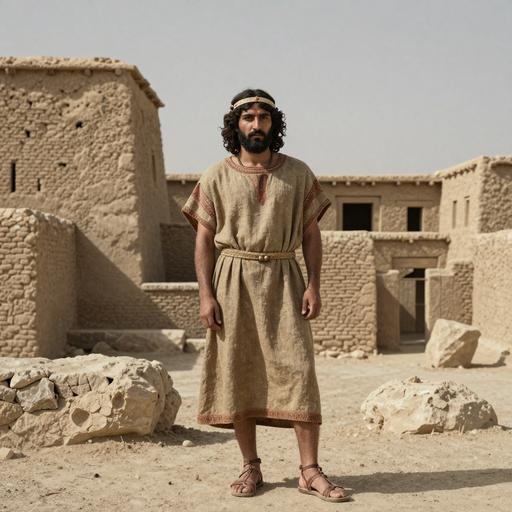
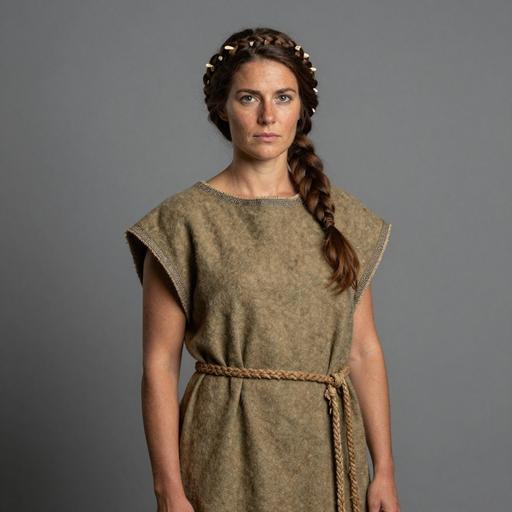
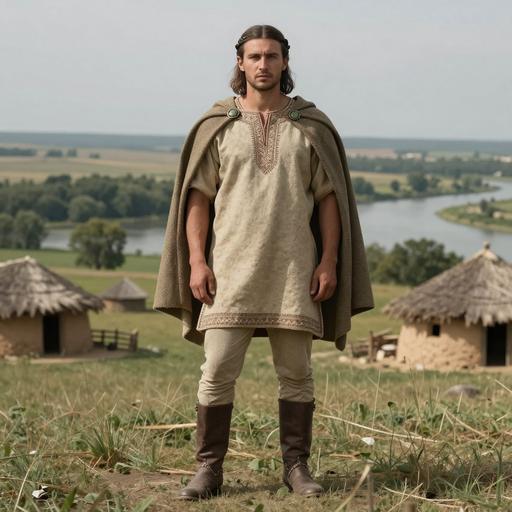
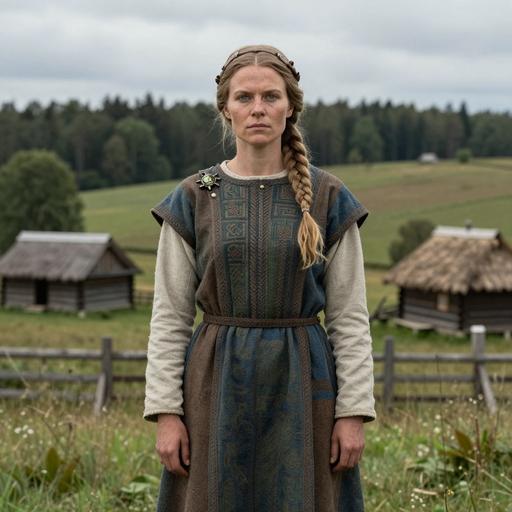
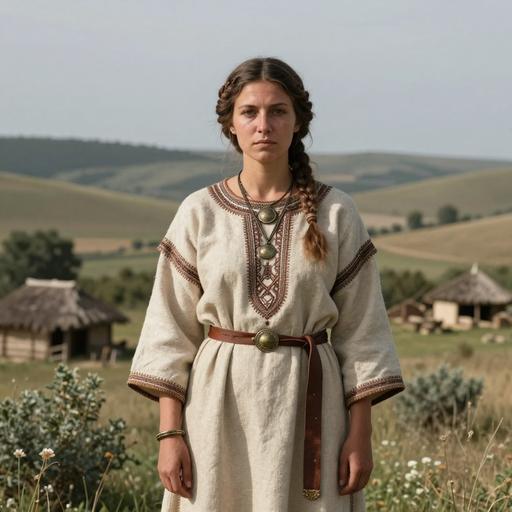
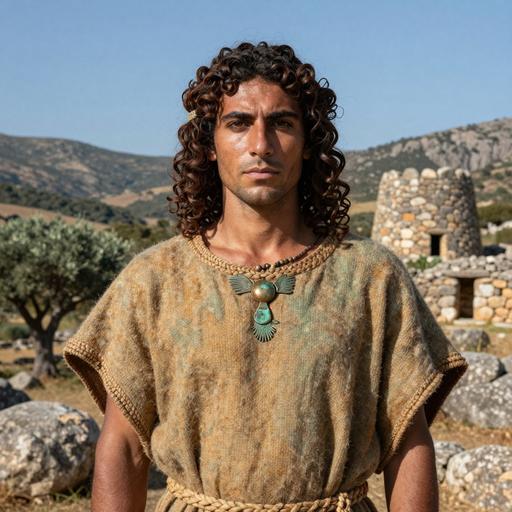
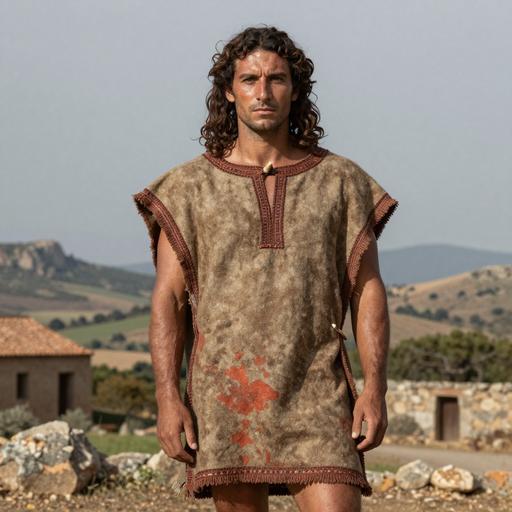
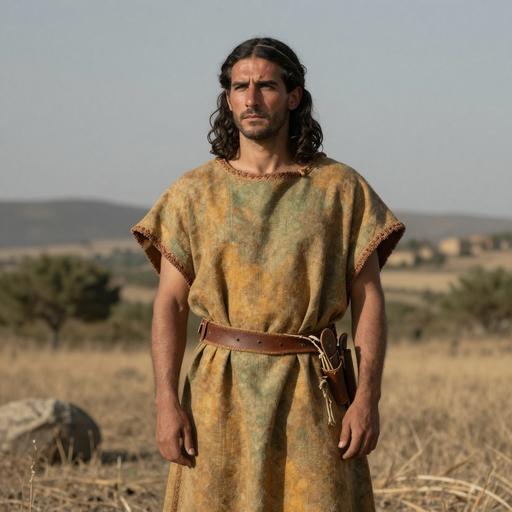
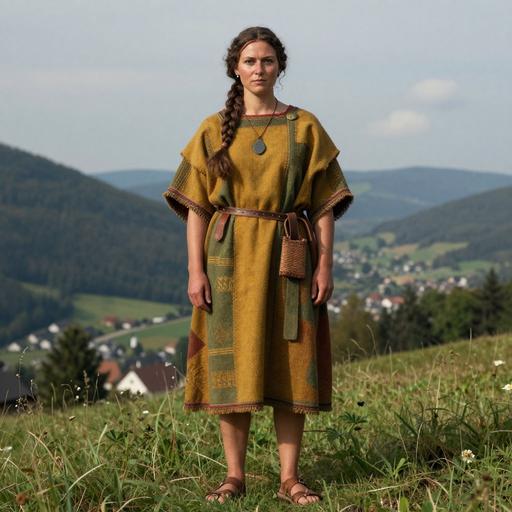
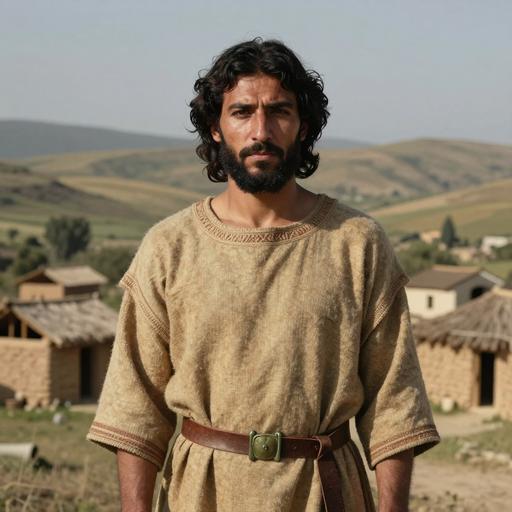
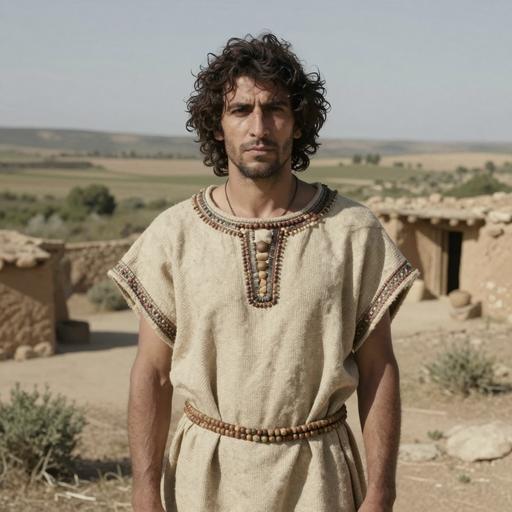
Ein Referenzprofil für einen Abstammungszweig. Gemeinsame Haplogruppen begründen weder eine familiäre Beziehung noch eine kulturelle Identität.
Referenzprofil
Hintergrund des Zweigs
Historischer Kontext für den mtDNA-Abstammungszweig K1A4A
Origins and Evolution
mtDNA haplogroup K1A4A is a downstream subclade of K1a4, itself part of haplogroup K. The parent clade K1a4 is inferred to have arisen in the Near East or Anatolia during the early Neolithic (around ~7 kya) and is associated with the demographic expansion of early farmers out of Anatolia into Europe. K1A4A most likely arose after the initial K1a4 diversification as a more restricted branch, plausibly in the Near East or in early farming communities that migrated into Southeastern Europe. Based on its phylogenetic position and comparative coalescence estimates within K1a lineages, a reasonable estimate for K1A4A's origin is in the mid- to late-Neolithic (roughly ~5–6 kya).
Subclades (if applicable)
K1A4A is a fine-scale terminal/near-terminal branch in the K1a phylogeny. As a relatively narrow subclade it currently has few downstream branches described in public databases, and it is reported at low frequency in both ancient and modern datasets. Because K1A4A is rare, ongoing mitogenome sequencing in understudied populations may reveal additional sub-branches or private lineages derived from it.
Geographical Distribution
K1A4A is detected at low to low-moderate frequencies in parts of Southern and Western Europe and at low frequency in the Near East and adjacent regions. Its distribution follows the broad footprint of Neolithic farmer maternal lineages: present in Italy, Greece, the Balkans and Iberia at low levels, occasionally observed in Western European samples (e.g., France, Britain), and found in small numbers in Anatolian/Levantine contexts. A handful of occurrences in modern Jewish communities have been reported for related K1a4 lineages; K1A4A itself is rare but can appear in community-specific genealogies. Modern diasporas have carried these lineages into the Americas at very low frequency.
Historical and Cultural Significance
The presence of K1A4A and related K1a lineages in early Neolithic and later European contexts ties this haplogroup to the demographic processes that spread farming from Anatolia into Europe (the so-called Early European Farmers, or EEF). In ancient DNA datasets K1a4-related lineages appear in Neolithic farmer assemblages; K1A4A has been identified in a small number of archaeological samples (five in the referenced database), supporting an antiquity in Neolithic-to-post-Neolithic contexts. Over subsequent millennia, drift, founder effects, and local demographic events reduced many K1a-derived subclades to low modern frequencies while preserving them in isolated or endogamous communities.
Conclusion
K1A4A is a rare, regionally informative maternal lineage whose phylogenetic placement points to a Near Eastern/Anatolian Neolithic origin with downstream dispersal into Southern and Western Europe alongside early farming populations. Its low modern frequency and limited number of ancient occurrences make it a useful marker for fine-scale maternal ancestry studies tied to Neolithic demography and later regional histories; additional full mitogenome sampling will refine its substructure and historical trajectory.
Wichtige Punkte
Origins and Evolution
Subclades (if applicable)
Geographical Distribution
Historical and Cultural Significance
Conclusion
Referenzprofil
Baum und Verwandtschaft
Phylogenetischer Kontext und Subkladen
Entwicklungsweg
Folgen Sie den erfassten übergeordneten Zweigen bis K1A4A. Die Daten sind Schätzungen und können sich ändern, wenn Referenzdaten überarbeitet werden.
The populations where mtDNA haplogroup K1A4A is found include:
Southern European populations (Italy, Greece, Iberia, Balkans)
Western European populations (France, Britain, low-to-moderate occurrences)
Near Eastern populations (Anatolia, Levant)
Jewish communities (including some Ashkenazi and other Jewish maternal lineages, rare)
Caucasus and Anatolian fringe populations (low frequency)
Modern diasporas (Americas) at low frequency due to recent migration
Historischer Kontext
Ein Zweig durch die Zeit
Geschätzte Entstehung in einer breiten historischen Zeitleiste. Zeitmarken liefern Kontext und implizieren keine Verbindung zu bestimmten Kulturen.
~10k Jahre zurück
Neolithische Revolution
Beginn der Landwirtschaft und feste Siedlungen
~5.5k Jahre zurück
Haplogruppe K1A4A
Geschätzte Entstehung dieses mtDNA-Zweigs; Daten und Orte sind Referenzschätzungen.
Dieser Zweig
~5k Jahre zurück
Bronzezeit
Metallverarbeitung, Schrift und frühe Zivilisationen
~3k Jahre zurück
Eisenzeit
Eisenwerkzeuge und ausgedehnte Handelsnetze
~2.5k Jahre zurück
Klassische Antike
Blüte griechischer und römischer Kulturen
Gegenwart
Gegenwart
Moderne Zeit
Referenzprofil
Archäologischer Kontext
Erfasste archäologische Zuordnungen für den mtDNA-Zweig K1A4A
Erfasste Zuordnungen
Diese Bezeichnungen beschreiben archäologische Kontexte erfasster Referenzproben mit Bezug zu K1A4A. Eine Zuordnung bedeutet nicht, dass alle Träger einer Kultur angehörten oder einer bestimmten Migrationsroute folgten.
Kulturzuordnungen basieren auf dem archäologischen Kontext antiker DNA-Proben und können regionale Verknüpfungen in bestimmten Zeiträumen widerspiegeln.
Referenzprofil
Probencatalog
5 direkte Träger und 71 Subkladen-Träger der Haplogruppe K1A4A
10 angezeigt · 50 passende Proben
Keine Proben entsprechen diesen Filtern. Versuchen Sie eine andere Bezeichnung, einen anderen Ort oder eine andere Epoche.
Porträts sind KI-generierte Illustrationen. Probenbezeichnungen und Zugangs-IDs identifizieren die Referenzdatensätze.
Porträt
Probe
Land
Epoche
Datum
Kultur
mtDNA
Übereinstimmung
Proben-ID: R40
Italy
Imperial Rome
1-400 CE
Roman Empire
K1a4a
Direkt
Proben-ID: I5372
United Kingdom
England EarlyMedieval Saxon
450-600 CE
Anglo-Saxon
K1a4a
Direkt
Proben-ID: ALA131
Turkey
Middle to Late Bronze Age Tell Atchana, Turkey
2000-1200 BCE
Tell Atchana
K1a4a
Direkt
Proben-ID: GB
Romania
Romania C
3512 BCE - 3350 BCE
Romanian Copper
K1a4a
Direkt
Proben-ID: GB
Romania
The Starcevo Culture
3512 BCE - 3350 BCE
K1a4a
Direkt
Proben-ID: I19359
France
France GrandEst IA2
300-200 BCE
Iron Age II Culture
K1a4a1
Subklade
Proben-ID: I21931
France
France GrandEst IA2
300-200 BCE
Iron Age II Culture
K1a4a1
Subklade
Proben-ID: I20584
United Kingdom
Middle to Late Iron Age England
355-54 calBCE (2153±30 BP, SUERC-95008)
Late Iron Age British
K1a4a1
Subklade
Proben-ID: I21277
United Kingdom
England MIA
359-54 calBCE (2204±24 BP, SUERC-104570)
Middle Iron Age British
K1a4a1
Subklade
Proben-ID: I17321
Czech Republic
Iron Age La Tène Culture, Czech Republic
361-177 calBCE (2200±20 BP, PSUAMS-10125)
La Tène Culture
K1a4a1
Subklade
Proben-ID: I21276
United Kingdom
England MIA
381-201 calBCE (2224±24 BP, SUERC-104569)
Middle Iron Age British
K1a4a1
Subklade
Proben-ID: I21275
United Kingdom
England MIA
384-202 calBCE (2229±24 BP, SUERC-104565)
Middle Iron Age British
K1a4a1
Subklade
Proben-ID: I20583
United Kingdom
England MIA
387-201 calBCE (2231±30 BP, SUERC-95004)
Middle Iron Age British
K1a4a1
Subklade
Proben-ID: I19911
United Kingdom
England MIA
400-200 BCE
Middle Iron Age British
K1a4a1
Subklade
Proben-ID: I21274
United Kingdom
Middle to Late Iron Age England
400-100 BCE
Late Iron Age British
K1a4a1
Subklade
Proben-ID: I13621
France
France SouthEast IA2
400-200 BCE
Southern French Iron Age
K1a4a1
Subklade
Proben-ID: A181014
Hungary
Late Sarmatian to Early Hun Period Danube-Tisza, Hungary
400-500 CE
Sarmatian-Hun
K1a4a1
Subklade
Proben-ID: A181019
Hungary
Late Sarmatian to Early Hun Period Danube-Tisza, Hungary
400-500 CE
Sarmatian-Hun
K1a4a1
Subklade
Proben-ID: WET429
France
Iron Age Haut-Rhin Culture
450-1 BCE
Haut-Rhin Culture
K1a4a1
Subklade
Proben-ID: KIL009
Ireland
Anglo-Saxon Early Medieval Kilteasheen, Ireland
700-1300 CE
Kilteasheen
K1a4a1
Subklade
Proben-ID: KIL033
Ireland
Anglo-Saxon Early Medieval Kilteasheen, Ireland
700-1300 CE
Kilteasheen
K1a4a1
Subklade
Proben-ID: I10380
North Macedonia
Iron Age Macedonia
700-500 BCE
Macedonian Iron Age
K1a4a1
Subklade
Proben-ID: VK33
Sweden
Sweden Viking
900 CE - 1200 CE
Viking
K1a4a1
Subklade
Proben-ID: VK33
Sweden
The Viking Age
900 CE - 1200 CE
K1a4a1
Subklade
Proben-ID: VK258
United Kingdom
England Viking
970 CE - 1025 CE
Viking
K1a4a1
Subklade
Proben-ID: VK258
United Kingdom
The Viking Age
970 CE - 1025 CE
K1a4a1
Subklade
Proben-ID: CGG100686
Denmark
Denmark Medieval
1000-1300 CE
Danish Medieval
K1a4a1
Subklade
Proben-ID: I19493
Bulgaria
Early Iron Age Bulgaria
1100-500 BCE
Bulgarian EIA
K1a4a1
Subklade
Proben-ID: I13791
Czech Republic
Late Bronze Age to Iron Age Knoviz-Hallstatt Culture, Czech Republic
1200-850 BCE
Knoviz-Hallstatt Culture
K1a4a1
Subklade
Proben-ID: EFA006
Spain
Late Bronze Age Spain
1200-1000 BCE
Iberian Bronze Age
K1a4a1
Subklade
Proben-ID: R1289
Italy
Medieval to Early Modern Italy
1350 CE - 1500 CE
Medieval Italian
K1a4a1
Subklade
Proben-ID: ORC003
Italy
Italy Sardinia BA Nuragic
1374-1126 calBCE (2996±24 BP, MAMS-38282)
Nuragic Culture
K1a4a1
Subklade
Proben-ID: TU907(SX20)
Switzerland
Switzerland EBA 2
1733-1542 calBCE (3351±20 BP, BE-8015.1.1)
Early Bronze Age Swiss
K1a4a1
Subklade
Proben-ID: I0206
Italy
Italy Sardinia EBA
1800-1600 BCE
Early Bronze Age Sardinian
K1a4a1
Subklade
Proben-ID: S1249
Italy
Italy Sardinia EBA
1800 BCE - 1600 BCE
Early Bronze Age Sardinian
K1a4a1
Subklade
Proben-ID: ALM052
Spain
The Argaric Culture of Spain
1884-1749 calBCE (3494±19 BP, MAMS-39803)
El Argar
K1a4a1
Subklade
Proben-ID: ALM015
Spain
The Argaric Culture of Spain
1898-1746 calBCE (3507±24 BP, MAMS-29729)
El Argar
K1a4a1
Subklade
Proben-ID: RISE154
Poland
Poland EBA Unetice
1930 BCE - 1751 BCE
Unetice
K1a4a1
Subklade
Proben-ID: RISE154
Poland
The Unetice Culture
1930 BCE - 1751 BCE
K1a4a1
Subklade
Proben-ID: OBKR_2
Germany
Early Bronze Age Lech Valley, Germany
2026 BCE - 1890 BCE
Lech Valley Bronze Age
K1a4a1
Subklade
Proben-ID: OBKR_2
Germany
Early Bronze Age Central Europe
2026 BCE - 1890 BCE
K1a4a1
Subklade
Proben-ID: I5737
Turkey
Turkey MBA
2035-1900 calBCE (3620±20 BP, PSUAMS-2803)
Middle Bronze Age Anatolia
K1a4a1
Subklade
Proben-ID: OBKR_93
Germany
Early Bronze Age Lech Valley, Germany
2112 BCE - 1897 BCE
Lech Valley Bronze Age
K1a4a1
Subklade
Proben-ID: OBKR_93
Germany
Early Bronze Age Central Europe
2112 BCE - 1897 BCE
K1a4a1
Subklade
Proben-ID: POST_99
Germany
Early Bronze Age Lech Valley, Germany
2133 BCE - 1931 BCE
Lech Valley Bronze Age
K1a4a1
Subklade
Proben-ID: POST_99
Germany
Early Bronze Age Central Europe
2133 BCE - 1931 BCE
K1a4a1
Subklade
Proben-ID: SUC005
Italy
Italy Sardinia EBA
2288-2136 calBCE (3774±20 BP, MAMS-38298)
Early Bronze Age Sardinian
K1a4a1
Subklade
Proben-ID: I3485
Spain
Spain EBA
2300-1900 BCE
Early Bronze Age Iberian
K1a4a1
Subklade
Proben-ID: WEHR_1192SkA
Germany
Bell Beaker Culture, Lech Valley, Germany
2339-2147 calBCE (3810±19 BP, MAMS-18922)
Bell Beaker
K1a4a1
Subklade
Proben-ID: I6585
Spain
Spain C
2397-2069 calBCE (3797±32 BP, Ua-43525)
Los Millares
K1a4a1
Subklade
Proben-ID: R40
Imperial Rome - Italy - Isola Sacra
Italy Imperial Rome 1-400 CE
K1a4aDirekt
Proben-ID: I5372
Early Medieval Saxon England - United Kingdom - England. Kent. Folkestone. Dover Hill
United Kingdom England EarlyMedieval Saxon 450-600 CE
K1a4aDirekt
Proben-ID: ALA131
Middle to Late Bronze Age Tell Atchana, Turkey - Turkey - Hatay. Tell Atchana (Alalakh)
Turkey Middle to Late Bronze Age Tell Atchana, Turkey 2000-1200 BCE
K1a4aDirekt
Proben-ID: GB
Romanian Copper Age - Romania - Gura Baciului
Romania Romania C 3512 BCE - 3350 BCE
K1a4aDirekt
Proben-ID: GB
Romania The Starcevo Culture 3512 BCE - 3350 BCE
K1a4aDirekt
Proben-ID: I19359
Iron Age II Grand Est, France - France - Marne. Chemin de Coupetz. Faux Vesigneul
France France GrandEst IA2 300-200 BCE
K1a4a1Subklade
Proben-ID: I21931
Iron Age II Grand Est, France - France - Marne. Chemin de Coupetz. Faux-Vesigneul
France France GrandEst IA2 300-200 BCE
K1a4a1Subklade
Proben-ID: I20584
Middle to Late Iron Age England - United Kingdom - England. Oxfordshire. Stanton Harcourt. Gravelly Guy
United Kingdom Middle to Late Iron Age England 355-54 calBCE (2153±30 BP, SUERC-95008)
K1a4a1Subklade
Proben-ID: I21277
Middle Iron Age England - United Kingdom - England. Oxfordshire. Stanton Harcourt. Gravelly Guy
United Kingdom England MIA 359-54 calBCE (2204±24 BP, SUERC-104570)
K1a4a1Subklade
Proben-ID: I17321
Iron Age La Tène Culture, Czech Republic - Czech Republic - Central Bohemia. Prague 5. Prague-Jinonice (Holmanʼs Garden Centre)
Czech Republic Iron Age La Tène Culture, Czech Republic 361-177 calBCE (2200±20 BP, PSUAMS-10125)
K1a4a1Subklade
Proben-ID: I21276
Middle Iron Age England - United Kingdom - Gravelly Guy (England, Oxfordshire, Stanton Harcourt)
United Kingdom England MIA 381-201 calBCE (2224±24 BP, SUERC-104569)
K1a4a1Subklade
Proben-ID: I21275
Middle Iron Age England - United Kingdom - England. Oxfordshire. Stanton Harcourt. Gravelly Guy
United Kingdom England MIA 384-202 calBCE (2229±24 BP, SUERC-104565)
K1a4a1Subklade
Proben-ID: I20583
Middle Iron Age England - United Kingdom - England. Oxfordshire. Stanton Harcourt. Gravelly Guy
United Kingdom England MIA 387-201 calBCE (2231±30 BP, SUERC-95004)
K1a4a1Subklade
Proben-ID: I19911
Middle Iron Age England - United Kingdom - England. Kent. East Kent Access Road
United Kingdom England MIA 400-200 BCE
K1a4a1Subklade
Proben-ID: I21274
Middle to Late Iron Age England - United Kingdom - England. Oxfordshire. Stanton Harcourt. Gravelly Guy
United Kingdom Middle to Late Iron Age England 400-100 BCE
K1a4a1Subklade
Proben-ID: I13621
Iron Age II Southeast France - France - Bouches-du-Rhône. Velaux. Roquepertuse
France France SouthEast IA2 400-200 BCE
K1a4a1Subklade
Proben-ID: A181014
Late Sarmatian to Early Hun Period Danube-Tisza, Hungary - Hungary - Danube-Tisza Interfluve. Kecskemét-Mindszenti-dűlő
Hungary Late Sarmatian to Early Hun Period Danube-Tisza, Hungary 400-500 CE
K1a4a1Subklade
Proben-ID: A181019
Late Sarmatian to Early Hun Period Danube-Tisza, Hungary - Hungary - Danube-Tisza Interfluve. Kecskemét-Mindszenti-dűlő
Hungary Late Sarmatian to Early Hun Period Danube-Tisza, Hungary 400-500 CE
K1a4a1Subklade
Proben-ID: WET429
Iron Age Haut-Rhin Culture - France - Wettholsheim-Ricoh (Grand Est Region, Haut-Rhin Department, Mulhouse arrondissement)
France Iron Age Haut-Rhin Culture 450-1 BCE
K1a4a1Subklade
Proben-ID: KIL009
Anglo-Saxon Early Medieval Kilteasheen, Ireland - Ireland - Roscommon. Kilteasheen
Ireland Anglo-Saxon Early Medieval Kilteasheen, Ireland 700-1300 CE
K1a4a1Subklade
Proben-ID: KIL033
Anglo-Saxon Early Medieval Kilteasheen, Ireland - Ireland - Roscommon. Kilteasheen
Ireland Anglo-Saxon Early Medieval Kilteasheen, Ireland 700-1300 CE
K1a4a1Subklade
Proben-ID: I10380
Iron Age Macedonia - North Macedonia - Govrlevo-Skopje
North Macedonia Iron Age Macedonia 700-500 BCE
K1a4a1Subklade
Proben-ID: VK33
Viking Age Sweden - Sweden - Skara. Varnhem
Sweden Sweden Viking 900 CE - 1200 CE
K1a4a1Subklade
Proben-ID: VK33
Sweden The Viking Age 900 CE - 1200 CE
K1a4a1Subklade
Proben-ID: VK258
Viking Age England - United Kingdom - England. Dorset. Ridgeway Hill Mass Grave
Early Bronze Age Spain - Spain - Ciudad Real. Terrinches. Castillejo del Bonete
Spain Spain EBA 2300-1900 BCE
K1a4a1Subklade
Proben-ID: WEHR_1192SkA
Bell Beaker Culture, Lech Valley, Germany - Germany - Wehringen - Hochfeld
Germany Bell Beaker Culture, Lech Valley, Germany 2339-2147 calBCE (3810±19 BP, MAMS-18922)
K1a4a1Subklade
Proben-ID: I6585
Chalcolithic Spain - Spain - Madrid. Humanejos
Spain Spain C 2397-2069 calBCE (3797±32 BP, Ua-43525)
K1a4a1Subklade
MATERNAL LINEAGE · ANCIENT DNA
Ancient lineage evidence map
Follow parent clades toward this branch and explore where ancient carriers were found.
Loading ancient observations…
Reduced motion is enabled. Use the timeline or Show all to explore at your own pace.
Read observations as a table
Displayed ancient observations by branch, period and date midpoint
Branch
Period
Date range
Sample
Sample ID
Location
Haplogroup
Relationship
Markers are archaeological find locations. A dashed connector is an uncertain, proposed geographic transition between consecutive branches supported by multiple dated observations; it is not an exact travel route, birthplace or proof of direct descent. Parent-clade samples may belong to other descendant branches. Gaps remain where evidence is insufficient. Sample dates differ from haplogroup formation dates.
Grouping by historical period reflects when each ancient individual lived, combined across every branch on this lineage chain; it is not a migration sequence or a personal timeline between periods.
Referenzprofil
Trägerverteilungskarte
Geografische Verteilung von 76 antiken DNA-Proben (direkte und Subkladen-Träger von K1A4A)
Direkter Träger Subkladen-Träger
Zeitraumfilter
Alle Zeiträume
Alle Proben werden angezeigt
Referenzprofil
Zeitliche Verteilung
Verteilung der Träger über archäologische Epochen
Referenzprofil
Geografische Verteilung
Anzahlen nach erfasstem Probenland. Sie spiegeln die verfügbare Referenzauswahl wider, nicht Bevölkerungshäufigkeiten.
Referenzprofil
Verteilung Land × Epoche
Vergleichen Sie erfasste Probenanzahlen nach Ländern und archäologischen Epochen. Wählen Sie eine belegte Zelle, um eine Probe anzusehen.
Daten
Daten und Herkunft
Quellenangaben und Datenqualität
Zuletzt aktualisiert2026-02-16
Konfidenzwert50/100
AbdeckungLow
Datenquelle
Klassifikation, geschätzte Daten und geografischer Kontext spiegeln die erfassten Referenzdaten wider und können sich bei überarbeiteten Belegen ändern. Die Probenabdeckung ist ungleichmäßig; erfasste Orte und archäologische Zuordnungen begründen weder persönliche Herkunft noch kulturelle Identität.