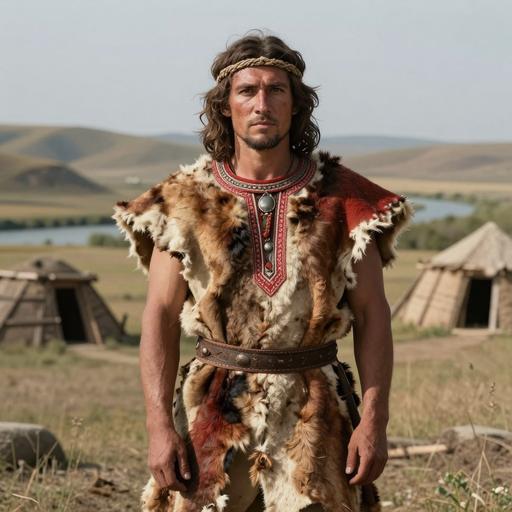
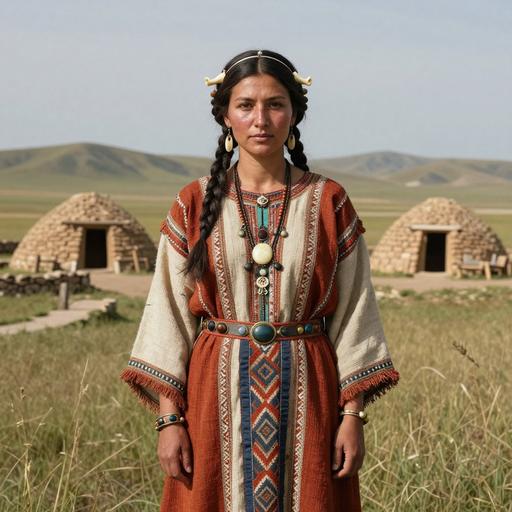
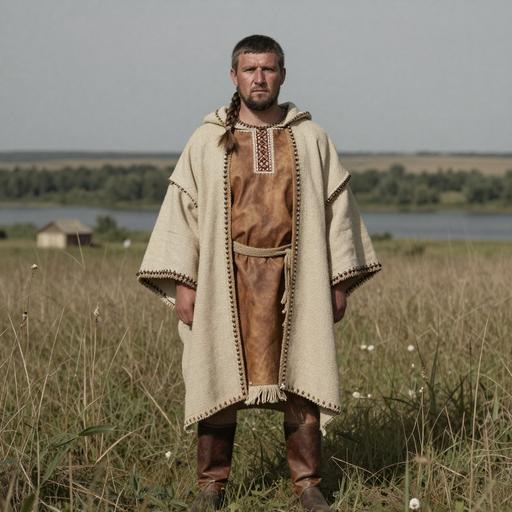
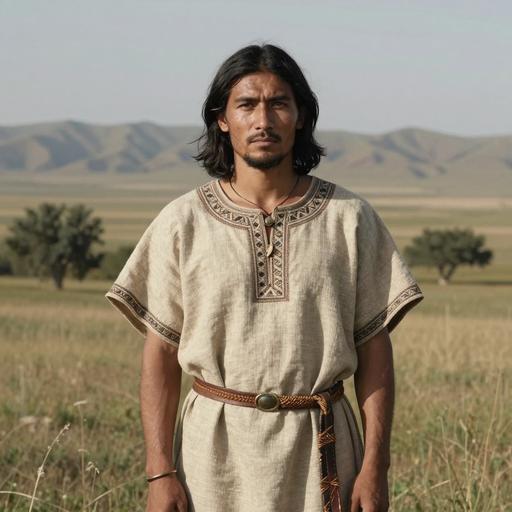
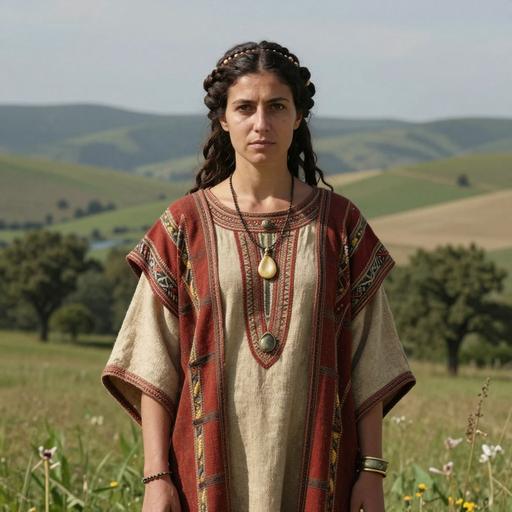
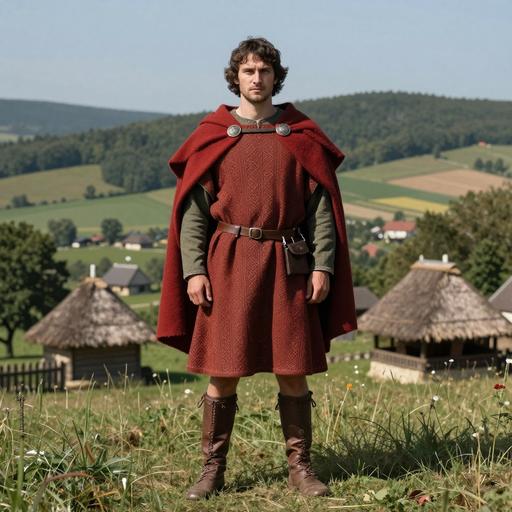
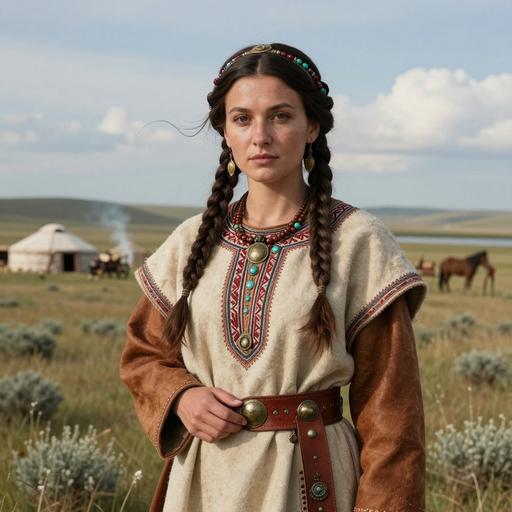
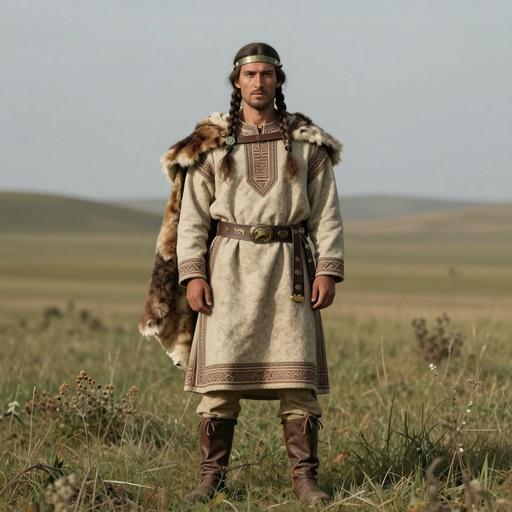
Ein Referenzprofil für einen Abstammungszweig. Gemeinsame Haplogruppen begründen weder eine familiäre Beziehung noch eine kulturelle Identität.
Referenzprofil
Hintergrund des Zweigs
Historischer Kontext für den mtDNA-Abstammungszweig U2E1
Origins and Evolution
Haplogroup U2E1 sits as a downstream branch of the U2E/U2EA portion of the mtDNA tree. The broader U2 haplogroup arose early in Upper Paleolithic Eurasia, and its descendant lineages show deep structure across South Asia and Europe. U2E1 is best understood as a post-glacial / Mesolithic-era diversification within the U2E radiation in western or central Eurasia, likely coalescing in the late Pleistocene to early Holocene (on the order of ~10–15 kya). Because U2E1 is an intermediate and relatively rare clade, its exact origin point and age estimates remain imprecise and would benefit from additional complete mitogenomes and dense ancient DNA sampling.
Subclades
As an intermediate clade under U2EA, U2E1 may contain further downstream sub-branches in full-resolution phylogenies, but many of these are currently poorly characterized in public databases. Where high-resolution mitogenomes are available, U2E1 often functions as a connecting node between the parent U2EA cluster and more localized descendant lineages; ongoing sequencing efforts occasionally reveal novel private mutations and very localized subclades within modern and ancient samples.
Geographical Distribution
The distribution of U2E1 is concentrated in western and parts of central Eurasia in both ancient and modern contexts, but at generally low frequencies. Ancient DNA from Mesolithic and early Neolithic Europe includes U2-type lineages, and U2E1 specifically has been observed in limited ancient samples and sporadically in modern populations of Western Europe. Low-frequency occurrences have also been reported in peripheral regions (Northern and Eastern Europe) and—as rare traces—near the Near East and South Asia, plausibly reflecting ancient population contacts and later movements.
Historical and Cultural Significance
Because U2E1 connects to lineages common among prehistoric European hunter-gatherers, it is often interpreted as part of the maternal substrate present in Europe before and during the early spread of farming. It therefore has relevance for studies of Mesolithic population structure, hunter-gatherer persistence, and the maternal contributions to subsequent Neolithic and Bronze Age communities. U2E1 itself is not diagnostic of a single archaeological culture but appears as one of several maternal lineages that persisted through transitions such as the Mesolithic-to-Neolithic shift and into later prehistoric periods.
Conclusion
U2E1 is a low-frequency, regionally informative maternal lineage within the U2 family that likely originated in western/central Eurasia around the Mesolithic. It functions as an intermediate and under-characterized clade that links parent U2EA to more localized descendant lineages. Greater sampling of complete mitogenomes—especially from ancient remains and understudied modern populations—will improve age estimates, refine its subclade structure, and clarify its historical dynamics.
Wichtige Punkte
Origins and Evolution
Subclades
Geographical Distribution
Historical and Cultural Significance
Conclusion
Referenzprofil
Baum und Verwandtschaft
Phylogenetischer Kontext und Subkladen
Entwicklungsweg
Folgen Sie den erfassten übergeordneten Zweigen bis U2E1. Die Daten sind Schätzungen und können sich ändern, wenn Referenzdaten überarbeitet werden.
The populations where mtDNA haplogroup U2E1 is found include:
Mesolithic and early Neolithic European hunter-gatherer remains (ancient DNA datasets)
Modern Western European populations (e.g., Iberia, France) at low to moderate rarity
British Isles and Northern Europe (sporadic low-frequency occurrences)
Eastern Europe and the Baltic region (occasional detections in modern and ancient samples)
Near East and South Asia (rare, possibly reflecting ancient gene flow or recent low-frequency presence)
Historischer Kontext
Ein Zweig durch die Zeit
Geschätzte Entstehung in einer breiten historischen Zeitleiste. Zeitmarken liefern Kontext und implizieren keine Verbindung zu bestimmten Kulturen.
~12k Jahre zurück
Haplogruppe U2E1
Geschätzte Entstehung dieses mtDNA-Zweigs; Daten und Orte sind Referenzschätzungen.
Dieser Zweig
~10k Jahre zurück
Neolithische Revolution
Beginn der Landwirtschaft und feste Siedlungen
~5k Jahre zurück
Bronzezeit
Metallverarbeitung, Schrift und frühe Zivilisationen
~3k Jahre zurück
Eisenzeit
Eisenwerkzeuge und ausgedehnte Handelsnetze
~2.5k Jahre zurück
Klassische Antike
Blüte griechischer und römischer Kulturen
Gegenwart
Gegenwart
Moderne Zeit
Referenzprofil
Archäologischer Kontext
Erfasste archäologische Zuordnungen für den mtDNA-Zweig U2E1
Erfasste Zuordnungen
Diese Bezeichnungen beschreiben archäologische Kontexte erfasster Referenzproben mit Bezug zu U2E1. Eine Zuordnung bedeutet nicht, dass alle Träger einer Kultur angehörten oder einer bestimmten Migrationsroute folgten.
Baltic Hunter-GathererDnieper MesolithicMotala CultureRussia_AltaiKrai_NRussia_Karelia_MesolithicUkrainian NeolithicYuzhny Oleny Ostrov
Kulturzuordnungen basieren auf dem archäologischen Kontext antiker DNA-Proben und können regionale Verknüpfungen in bestimmten Zeiträumen widerspiegeln.
Referenzprofil
Probencatalog
11 direkte Träger und 89 Subkladen-Träger der Haplogruppe U2E1
10 angezeigt · 50 passende Proben
Keine Proben entsprechen diesen Filtern. Versuchen Sie eine andere Bezeichnung, einen anderen Ort oder eine andere Epoche.
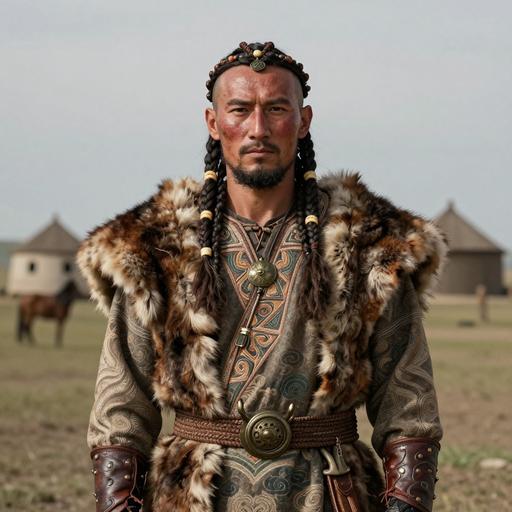
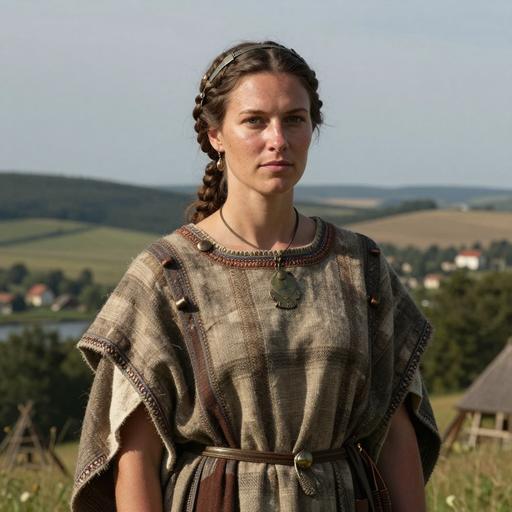
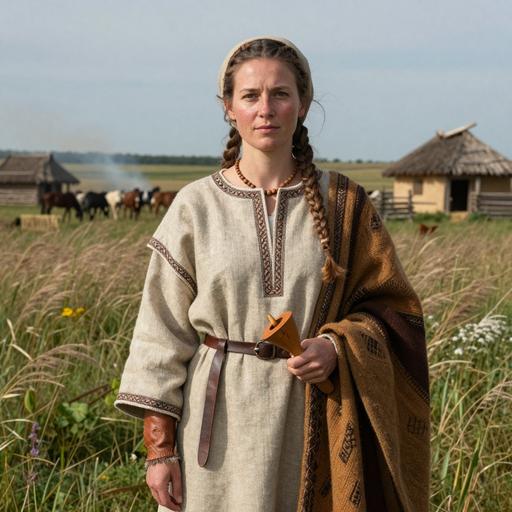
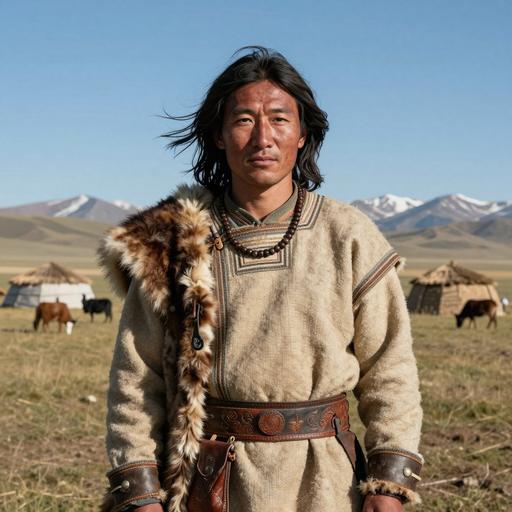
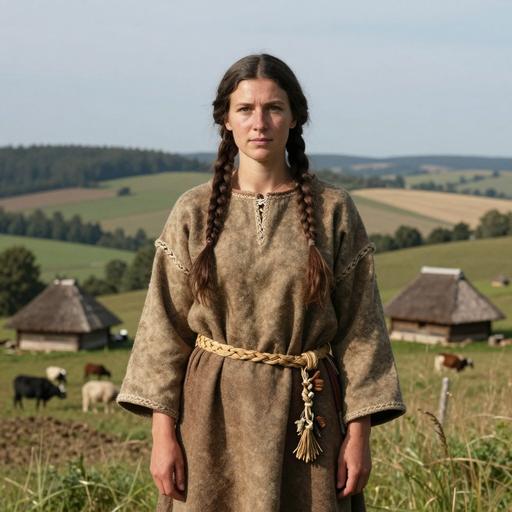
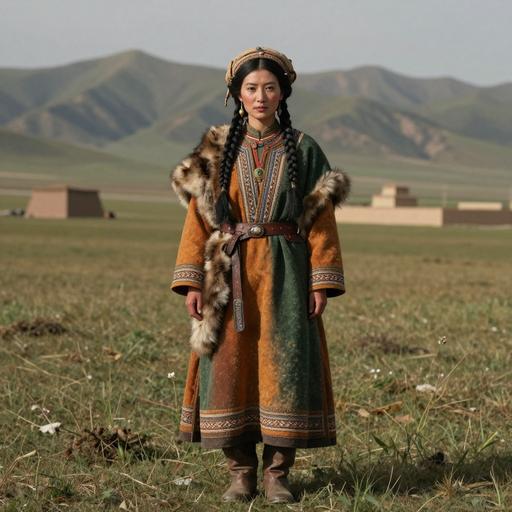
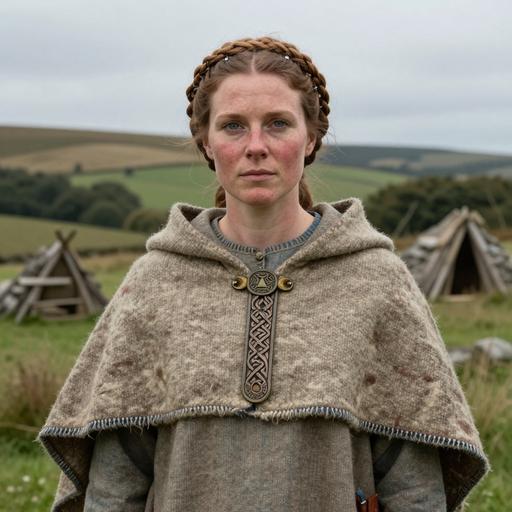
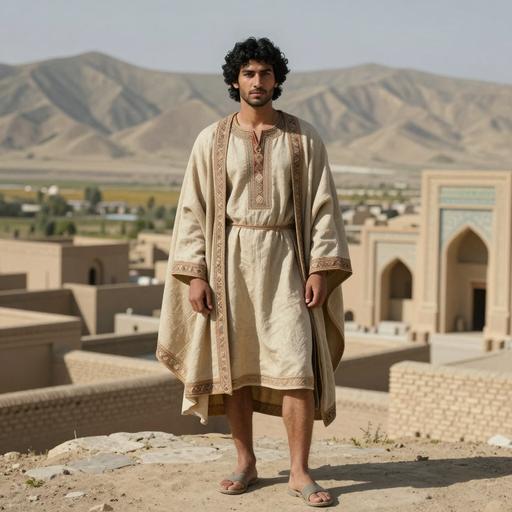
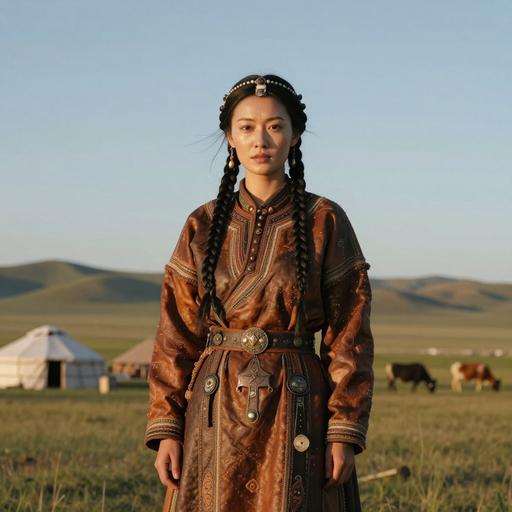
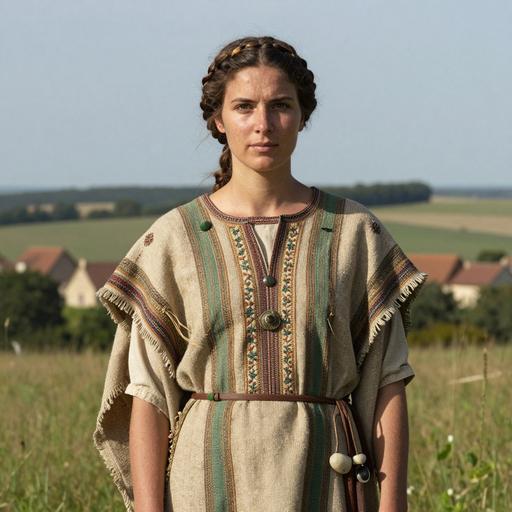
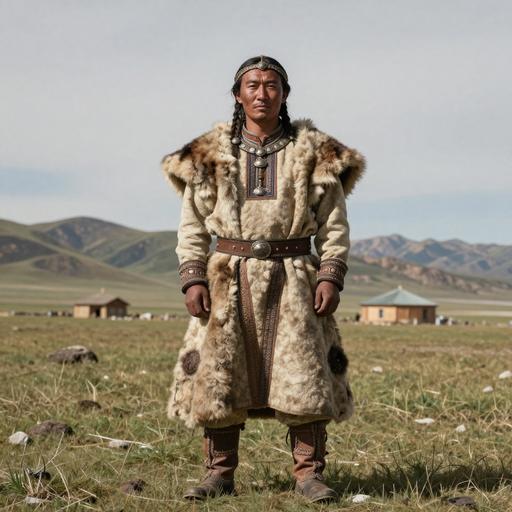
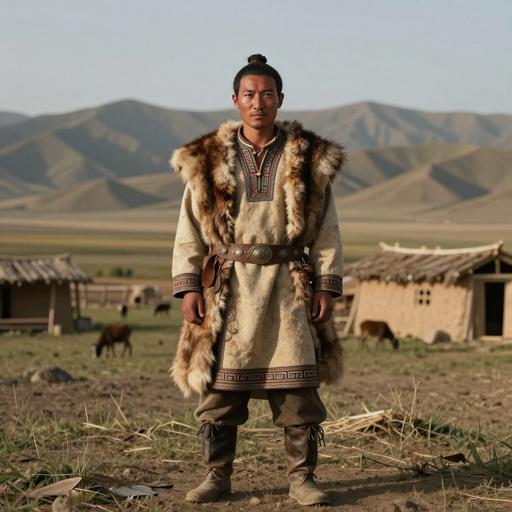
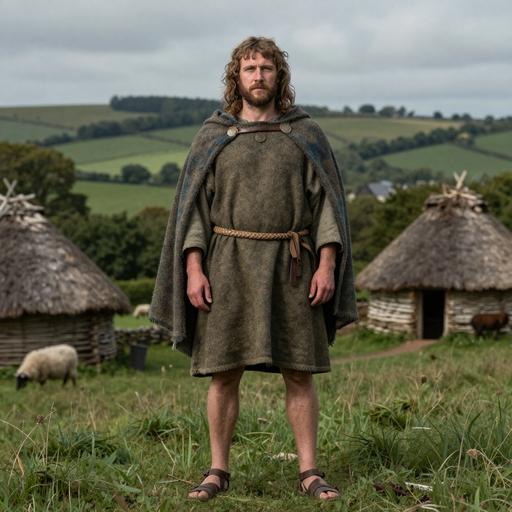
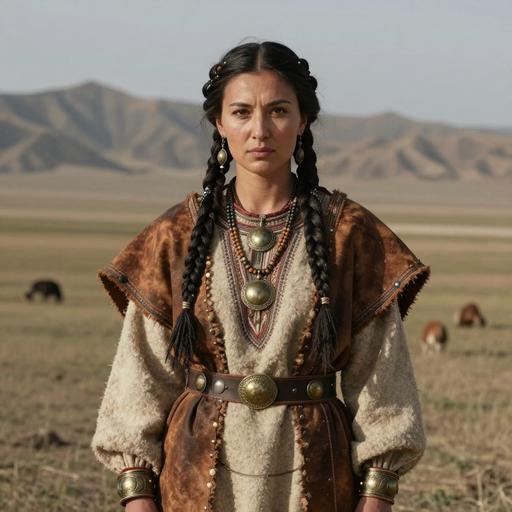
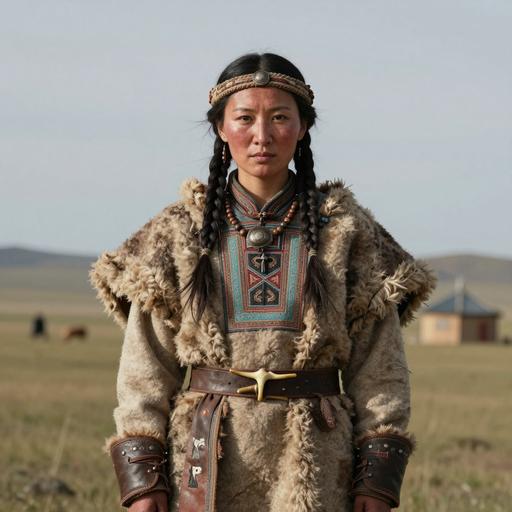
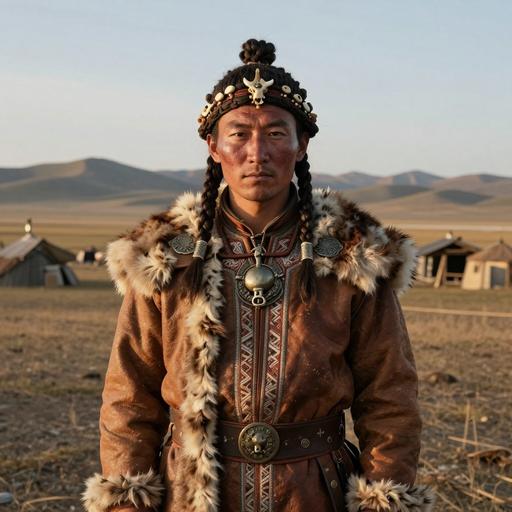
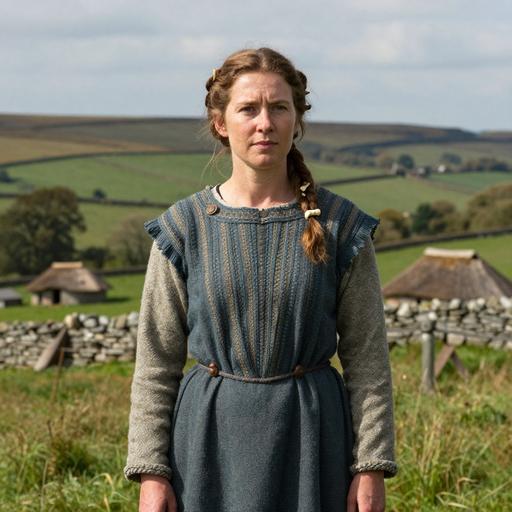
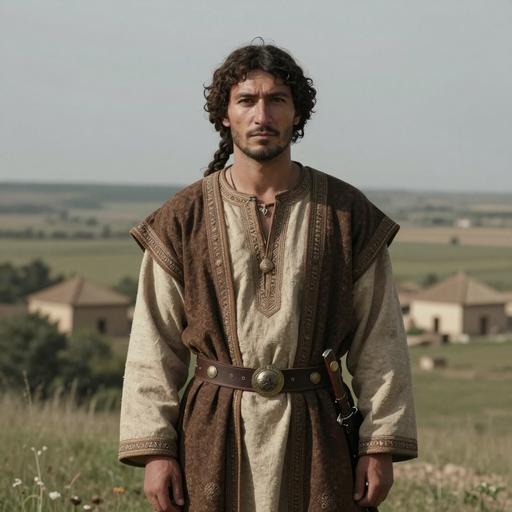
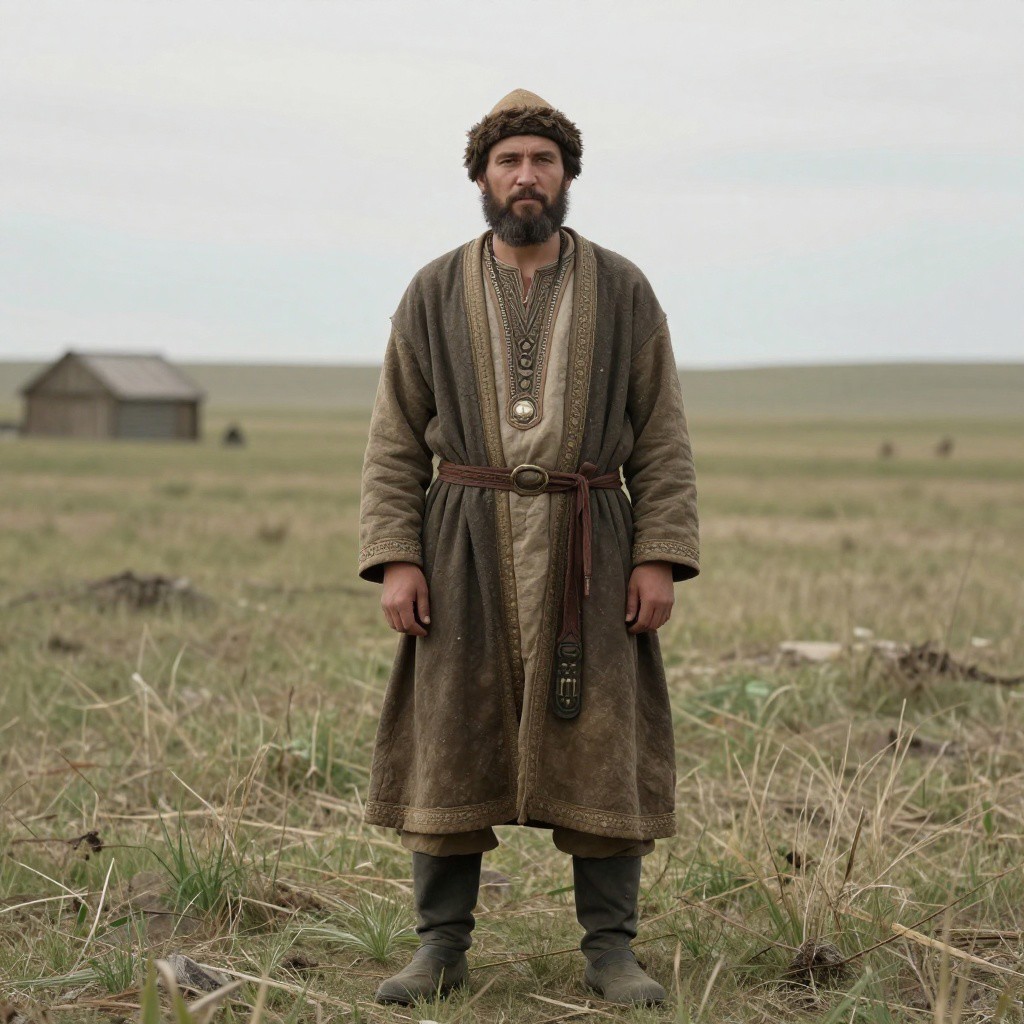
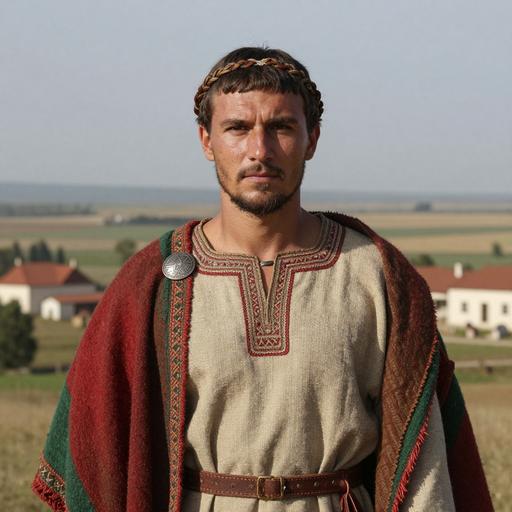
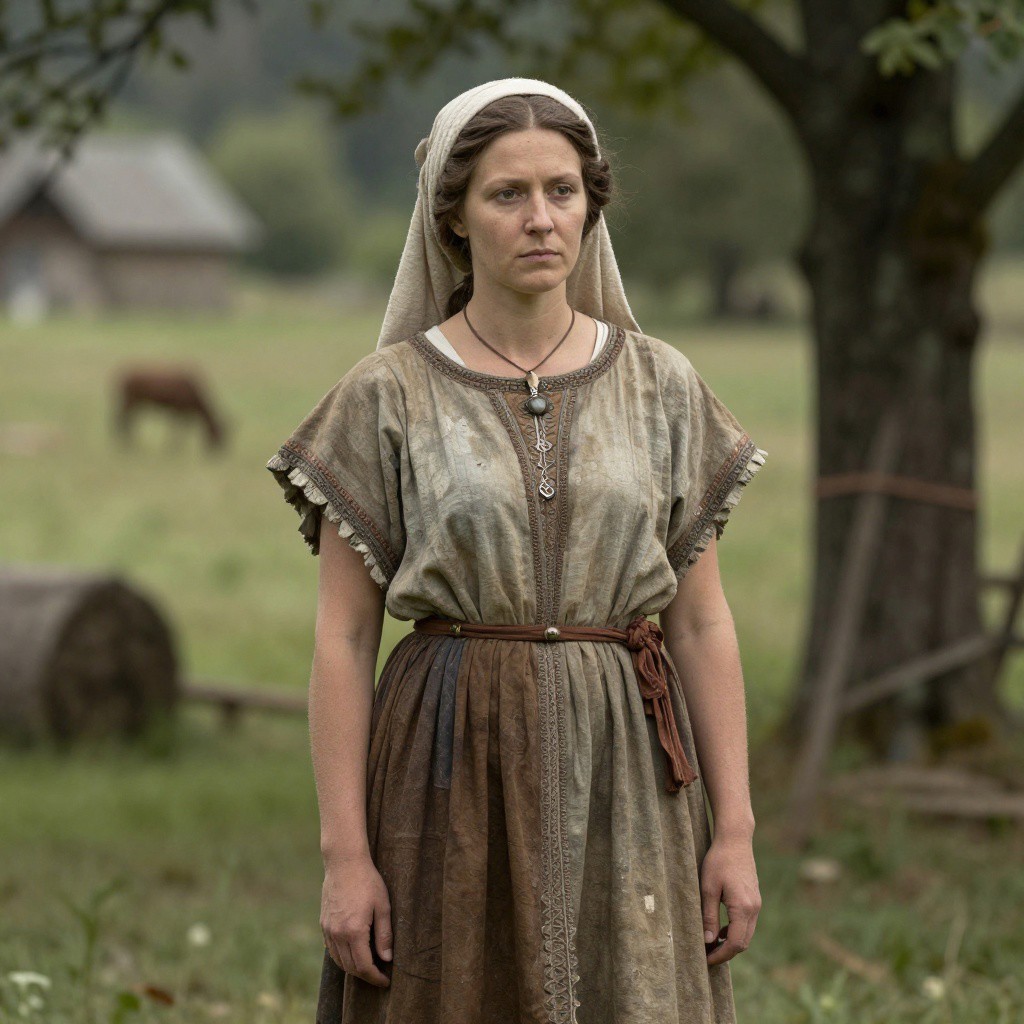
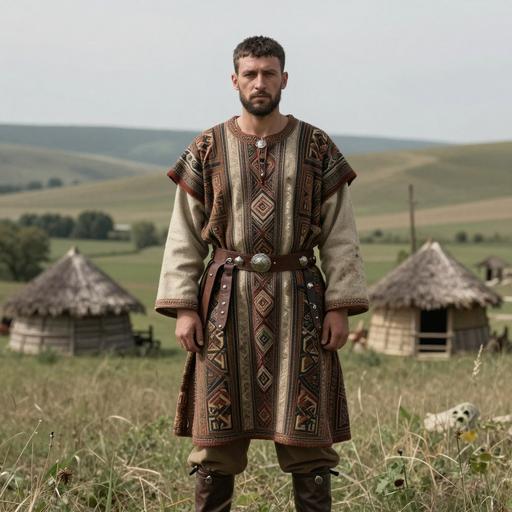
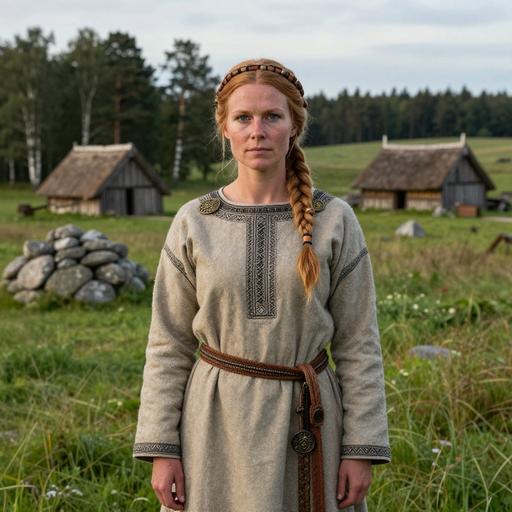
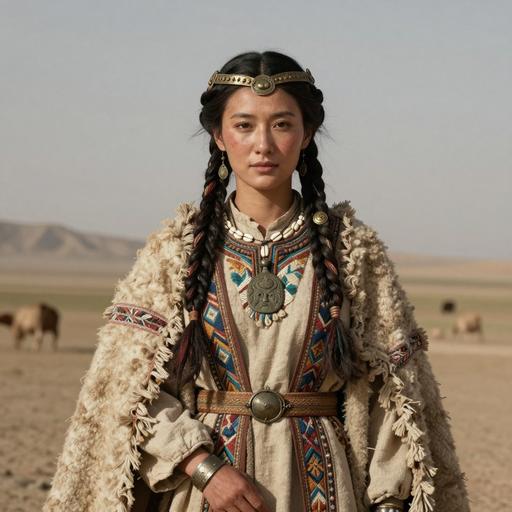
Porträts sind KI-generierte Illustrationen. Probenbezeichnungen und Zugangs-IDs identifizieren die Referenzdatensätze.
Porträt
Probe
Land
Epoche
Datum
Kultur
mtDNA
Übereinstimmung
Proben-ID: BUR002
Mongolia
Early Medieval Xiongnu
150 BCE - 450 CE
Xiongnu
U2e1
Direkt
Proben-ID: I17322
Czech Republic
Iron Age La Tène Culture, Czech Republic
400-200 BCE
La Tène Culture
U2e1
Direkt
Proben-ID: SH-12
Hungary
Hungary Conqueror Commoner
900-1000 CE
Magyar Commoner Culture
U2e1
Direkt
Proben-ID: CGG100750
Denmark
Denmark Medieval
1000-1300 CE
Danish Medieval
U2e1
Direkt
Proben-ID: I6363
Mongolia
Late Bronze Age Mongun-Taiga 3, Mongolia
1215 BCE - 1055 BCE
Mongun-Taiga Culture
U2e1
Direkt
Proben-ID: RISE512
Russia
Russia Andronovo
1488 BCE - 1295 BCE
Andronovo Culture
U2e1
Direkt
Proben-ID: RISE512
Russia
The Ancient Eurasian Steppe
1488 BCE - 1295 BCE
U2e1
Direkt
Proben-ID: NEO899
Kazakhstan
Middle-Late Bronze Age Elunino Culture
2192-1985 calBCE (3696±20 BP, OxA-39283)
Elunino
U2e1
Direkt
Proben-ID: I0419
Russia
Potapovka Culture
2200-1900 BCE
Potapovka Culture
U2e1
Direkt
Proben-ID: NEO900
Kazakhstan
Middle-Late Bronze Age Elunino Culture
2404-2155 calBCE (3831±20 BP, OxA-39284)
Elunino
U2e1
Direkt
Proben-ID: VLI070
Czech Republic
Corded Ware Culture, Bohemia, Czech Republic
2470-2306 calBCE (3918±21 BP, MAMS-46362)
Corded Ware
U2e1
Direkt
Proben-ID: DA226
Kazakhstan
Kazakhstan Kangju
50 CE - 450 CE
Kangju
U2e1h1a
Subklade
Proben-ID: DA226
Kazakhstan
The Nomadic Empires of the Eurasian Steppe
50 CE - 450 CE
U2e1h1a
Subklade
Proben-ID: C2032
China
Historical Period Xianshuiquangucheng, Xinjiang, China
50-250 BCE
Xianshuiquangucheng Culture
U2e1h
Subklade
Proben-ID: I0525
United Kingdom
Late Iron Age East Yorkshire, England
100 BCE - 50 CE
Late Iron Age
U2e1e
Subklade
Proben-ID: I12292
Tajikistan
Kushan Ksirov
160 calBCE - 1 calCE (2075±20 BP, PSUAMS-6159)
Ksirov Culture
U2e1e
Subklade
Proben-ID: I12260
Tajikistan
Kushan Ksirov
200-1 BCE
Ksirov Culture
U2e1e
Subklade
Proben-ID: I12293
Tajikistan
Kushan Ksirov
200 BCE - 100 CE
Ksirov Culture
U2e1e
Subklade
Proben-ID: SKT004
Mongolia
Xiongnu to Late Medieval Khuvsgul, Mongolia
200-1 BCE
Khuvsgul Transition
U2e1a1
Subklade
Proben-ID: M1489
United Kingdom
England IA
210 BCE - 40 CE
British Iron Age
U2e1e
Subklade
Proben-ID: M1489
United Kingdom
Iron Age Britain
210 BCE - 40 CE
U2e1e
Subklade
Proben-ID: I15518
Serbia
Serbia Roman
211-326 calCE (1805±20 BP, PSUAMS-9558)
Roman Provincial
U2e1a1
Subklade
Proben-ID: BFM265
France
France HautsdeFrance IA2
300-150 BCE
Iron Age II Culture
U2e1b2
Subklade
Proben-ID: I25516
Hungary
Hungary IA LaTene
300-100 BCE
La Tene Culture
U2e1a1
Subklade
Proben-ID: I18834
Hungary
Hungary IA LaTene
350-200 BCE
La Tene Culture
U2e1a1
Subklade
Proben-ID: I6230
Mongolia
Mongolia EIA Sagly 4
346-57 calBCE (2140±20 BP, PSUAMS-7396)
Sagly Culture
U2e1h
Subklade
Proben-ID: I20624
United Kingdom
Middle to Late Iron Age England
356-108 calBCE (2166±24 BP, OxA-23358)
Late Iron Age British
U2e1a1
Subklade
Proben-ID: C1673
China
China Xinjiang Kuokesuxi EIA
361-197 calBCE
Kuokesuxi Culture
U2e1b
Subklade
Proben-ID: I17016
United Kingdom
England MIA
377-178 calBCE (2210±30 BP, SUERC-94984)
Middle Iron Age British
U2e1a1
Subklade
Proben-ID: AIG003
Kazakhstan
Iron Age Sarmatian, Kazakhstan
386-203 calBCE (2236±24 BP)
Sarmatian Culture
U2e1b
Subklade
Proben-ID: CHN006
Mongolia
Early Iron Age to Xiongnu to Late Medieval Uvs, Mongolia
400 BCE - 1500 CE
Uvs Multi-Period
U2e1h
Subklade
Proben-ID: CHN007
Mongolia
Early Iron Age to Xiongnu to Late Medieval Uvs, Mongolia
500-150 BCE
Uvs Multi-Period
U2e1h
Subklade
Proben-ID: I0527
United Kingdom
East Yorkshire Iron Age
400-100 BCE
East Yorkshire
U2e1e
Subklade
Proben-ID: I19907
United Kingdom
England MIA
400-200 BCE
Middle Iron Age British
U2e1a1
Subklade
Proben-ID: A181015
Hungary
Late Sarmatian to Early Hun Period Danube-Tisza, Hungary
400-500 CE
Sarmatian-Hun
U2e1h
Subklade
Proben-ID: I17264
United Kingdom
Middle to Late Iron Age England
450-100 BCE
Late Iron Age British
U2e1f1
Subklade
Proben-ID: I20260
Turkey
Early Byzantine Period 2 Turkey
450-750 CE
Early Byzantine
U2e1a1
Subklade
Proben-ID: RKF027
Hungary
Hungary Avar
550-850 CE
Avar
U2e1b1
Subklade
Proben-ID: I25531
Russia
Russia Bashkortostan MigrationPeriod Kushnarenkovo
Sarmatian Culture, Russia - Russia - Caspian steppe
Russia Russia Sarmatian 800 BCE - 100 CE
U2e1h1a7Subklade
Proben-ID: DA145
Sarmatian Culture, Russia - Russia - Caspian steppe
Russia Russia Sarmatian 800 BCE - 100 CE
U2e1hSubklade
MATERNAL LINEAGE · ANCIENT DNA
Ancient lineage evidence map
Follow parent clades toward this branch and explore where ancient carriers were found.
Loading ancient observations…
Reduced motion is enabled. Use the timeline or Show all to explore at your own pace.
Read observations as a table
Displayed ancient observations by branch, period and date midpoint
Branch
Period
Date range
Sample
Sample ID
Location
Haplogroup
Relationship
Markers are archaeological find locations. A dashed connector is an uncertain, proposed geographic transition between consecutive branches supported by multiple dated observations; it is not an exact travel route, birthplace or proof of direct descent. Parent-clade samples may belong to other descendant branches. Gaps remain where evidence is insufficient. Sample dates differ from haplogroup formation dates.
Grouping by historical period reflects when each ancient individual lived, combined across every branch on this lineage chain; it is not a migration sequence or a personal timeline between periods.
Referenzprofil
Trägerverteilungskarte
Geografische Verteilung von 100 antiken DNA-Proben (direkte und Subkladen-Träger von U2E1)
Direkter Träger Subkladen-Träger
Zeitraumfilter
Alle Zeiträume
Alle Proben werden angezeigt
Referenzprofil
Zeitliche Verteilung
Verteilung der Träger über archäologische Epochen
Referenzprofil
Geografische Verteilung
Anzahlen nach erfasstem Probenland. Sie spiegeln die verfügbare Referenzauswahl wider, nicht Bevölkerungshäufigkeiten.
Referenzprofil
Verteilung Land × Epoche
Vergleichen Sie erfasste Probenanzahlen nach Ländern und archäologischen Epochen. Wählen Sie eine belegte Zelle, um eine Probe anzusehen.
Daten
Daten und Herkunft
Quellenangaben und Datenqualität
Zuletzt aktualisiert2026-06-14
Konfidenzwert50/100
AbdeckungLow
Datenquelle
Klassifikation, geschätzte Daten und geografischer Kontext spiegeln die erfassten Referenzdaten wider und können sich bei überarbeiteten Belegen ändern. Die Probenabdeckung ist ungleichmäßig; erfasste Orte und archäologische Zuordnungen begründen weder persönliche Herkunft noch kulturelle Identität.