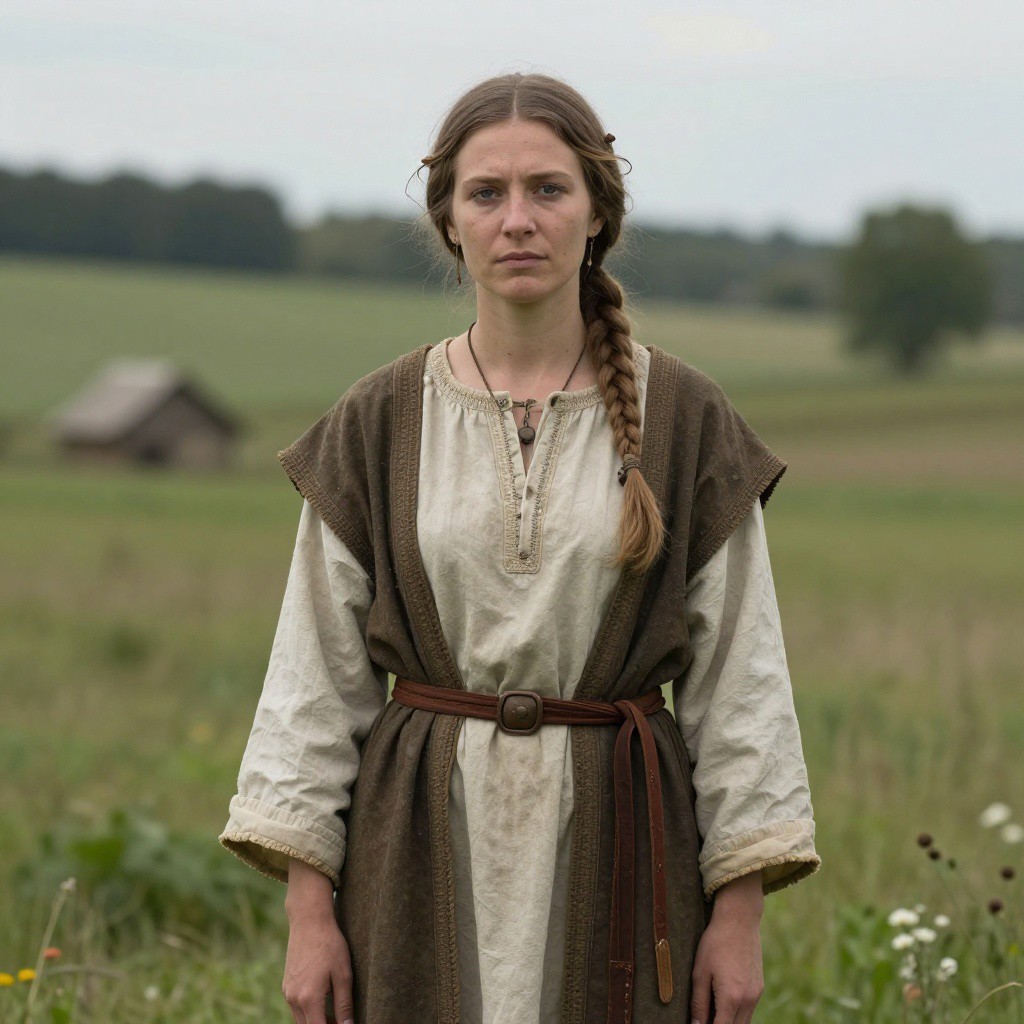
Ein Referenzprofil für einen Abstammungszweig. Gemeinsame Haplogruppen begründen weder eine familiäre Beziehung noch eine kulturelle Identität.
Referenzprofil
Hintergrund des Zweigs
Historischer Kontext für den mtDNA-Abstammungszweig U5B1
Origins and Evolution
Haplogroup U5b1 is a branch of mtDNA haplogroup U5b, itself a subclade of the ancient European haplogroup U5. U5 lineages are among the oldest mitochondrial lineages in Europe and are widely interpreted as markers of Paleolithic and Mesolithic hunter-gatherer populations that survived the Last Glacial Maximum in southern and western refugia and expanded northwards during the post-glacial period. U5b1 likely formed during the early postglacial or late Mesolithic timeframe (several thousand years after the LGM), and its present-day and ancient distribution reflects both continuity in local maternal lineages and later regional demographic processes.
Subclades
Within U5b the U5b1 branch has further subdivisions that are geographically structured; some downstream subclades are particularly associated with northern Fennoscandia (including U5b1b and its derivatives in Saami populations), while others occur at low to moderate frequencies across Western, Central, and Eastern Europe. The internal phylogeny shows a pattern of relatively deep splits followed by localized expansions, consistent with small hunter-gatherer population structure and later demographic events that redistributed these lineages.
Geographical Distribution
U5b1 has its highest relative frequencies in Northern Europe, especially among populations with documented continuity from Mesolithic and later periods (for example, elevated levels in Saami and some Scandinavian groups). It is also present at moderate frequencies across Western and Central Europe (including parts of the British Isles, Iberia and France) and at lower frequencies in parts of Eastern Europe, the Caucasus, and North Africa, where gene flow and complex demographic histories introduced or preserved small proportions of U5-derived lineages. Ancient DNA studies detect U5b1 in Mesolithic and later archaeological contexts across Europe, indicating long-term persistence and regional structure.
Historical and Cultural Significance
Because U5b1 is nested within a lineage strongly associated with pre-agricultural hunter-gatherers, it is often used in population genetics as a marker of Mesolithic ancestry in Europe. Its persistence into the Neolithic and later periods demonstrates admixture between incoming farmers and resident hunter-gatherers, as well as survival of maternal lineages in northern refugia. Modern elevated frequencies in groups such as the Saami suggest both founder effects and long-term female-line continuity in high-latitude environments. U5b1 and related U5 lineages therefore inform reconstructions of postglacial recolonization routes, Mesolithic population structure, and the interaction between forager and farmer communities during the Neolithic transition and later eras.
Conclusion
mtDNA haplogroup U5b1 is a geographically informative maternal lineage that records deep European ancestry tied to Mesolithic hunter-gatherers and postglacial expansions. Its pattern — concentrated in northern and parts of western Europe with lower-frequency occurrences elsewhere — provides useful resolution for studies of population continuity, migration, and admixture from the Mesolithic through historic times.
Wichtige Punkte
Origins and Evolution
Subclades
Geographical Distribution
Historical and Cultural Significance
Conclusion
Referenzprofil
Baum und Verwandtschaft
Phylogenetischer Kontext und Subkladen
Entwicklungsweg
Folgen Sie den erfassten übergeordneten Zweigen bis U5B1. Die Daten sind Schätzungen und können sich ändern, wenn Referenzdaten überarbeitet werden.
British Isles populations (England, Scotland, Ireland)
Iberian Peninsula populations (Spain, Portugal)
Central and Eastern European populations (Poland, Germany, Baltic states, Russia)
North African groups at low frequency (Berber-speaking populations and adjacent regions)
Caucasus populations at low frequency
Historischer Kontext
Ein Zweig durch die Zeit
Geschätzte Entstehung in einer breiten historischen Zeitleiste. Zeitmarken liefern Kontext und implizieren keine Verbindung zu bestimmten Kulturen.
~10k Jahre zurück
Neolithische Revolution
Beginn der Landwirtschaft und feste Siedlungen
~9k Jahre zurück
Haplogruppe U5B1
Geschätzte Entstehung dieses mtDNA-Zweigs; Daten und Orte sind Referenzschätzungen.
Dieser Zweig
~5k Jahre zurück
Bronzezeit
Metallverarbeitung, Schrift und frühe Zivilisationen
~3k Jahre zurück
Eisenzeit
Eisenwerkzeuge und ausgedehnte Handelsnetze
~2.5k Jahre zurück
Klassische Antike
Blüte griechischer und römischer Kulturen
Gegenwart
Gegenwart
Moderne Zeit
Referenzprofil
Archäologischer Kontext
Erfasste archäologische Zuordnungen für den mtDNA-Zweig U5B1
Erfasste Zuordnungen
Diese Bezeichnungen beschreiben archäologische Kontexte erfasster Referenzproben mit Bezug zu U5B1. Eine Zuordnung bedeutet nicht, dass alle Träger einer Kultur angehörten oder einer bestimmten Migrationsroute folgten.
Kulturzuordnungen basieren auf dem archäologischen Kontext antiker DNA-Proben und können regionale Verknüpfungen in bestimmten Zeiträumen widerspiegeln.
Referenzprofil
Probencatalog
5 direkte Träger und 95 Subkladen-Träger der Haplogruppe U5B1
10 angezeigt · 50 passende Proben
Keine Proben entsprechen diesen Filtern. Versuchen Sie eine andere Bezeichnung, einen anderen Ort oder eine andere Epoche.
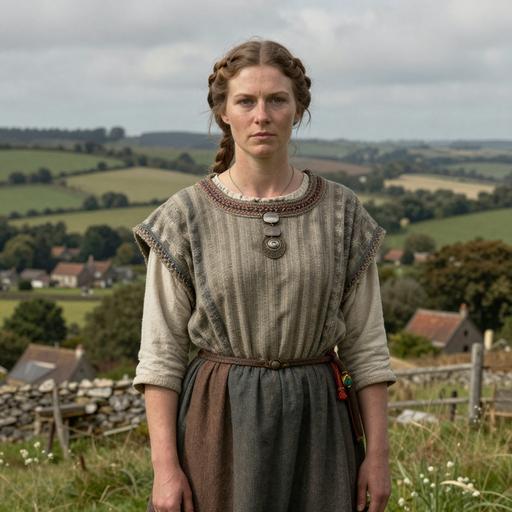
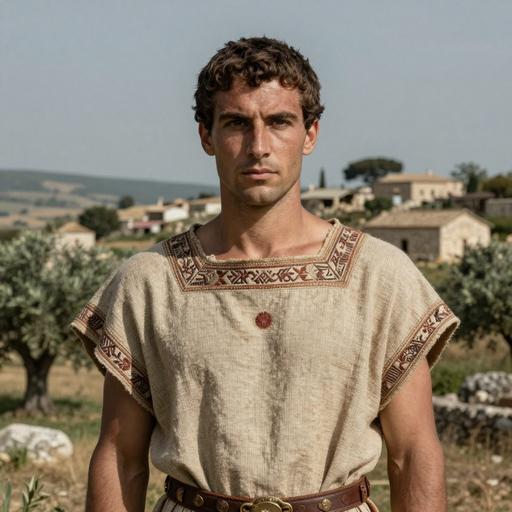
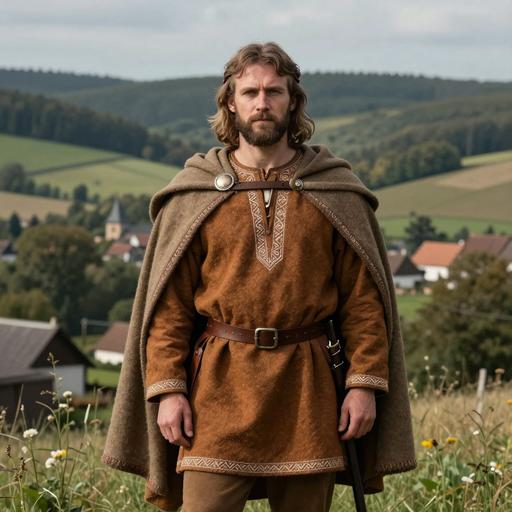
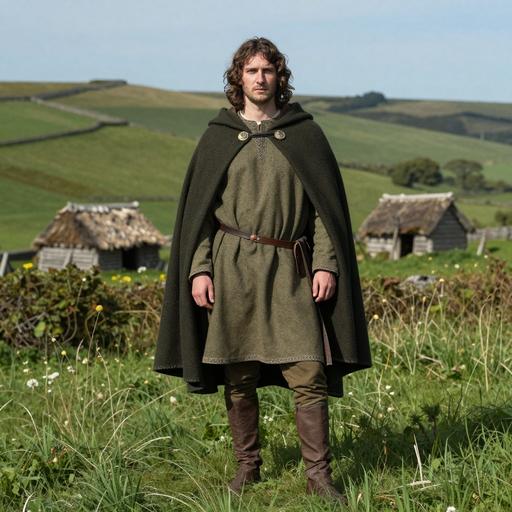
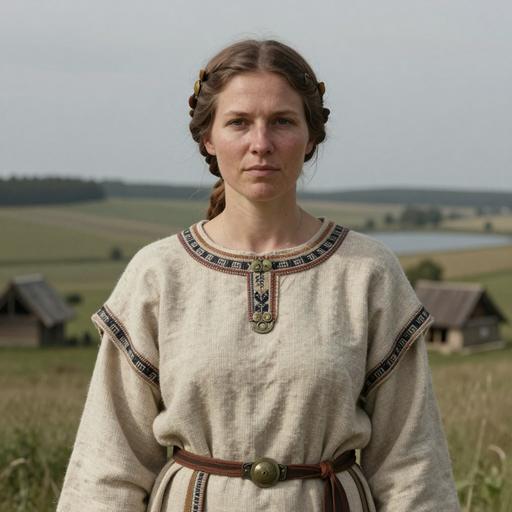
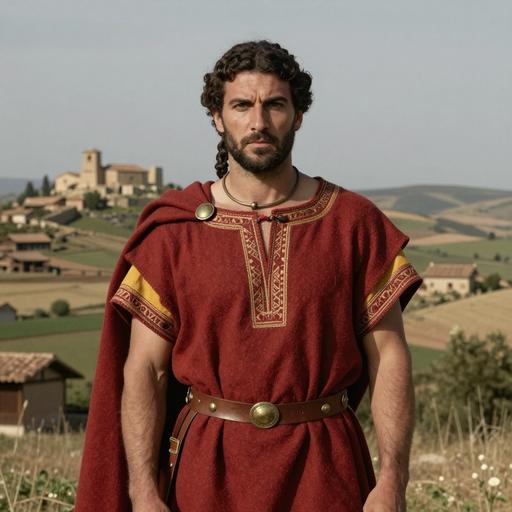
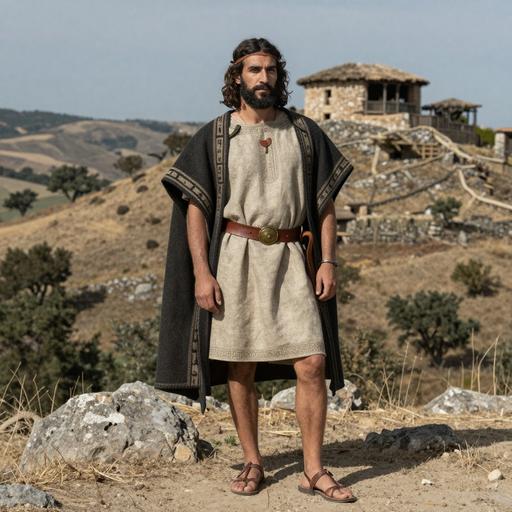
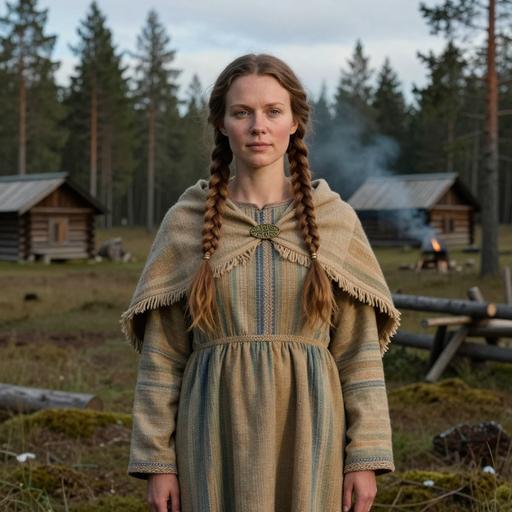
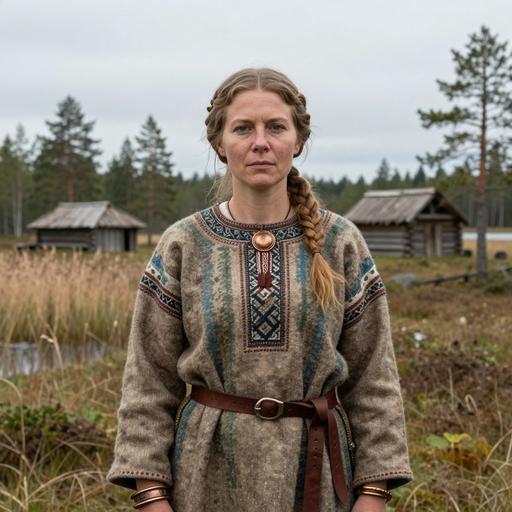
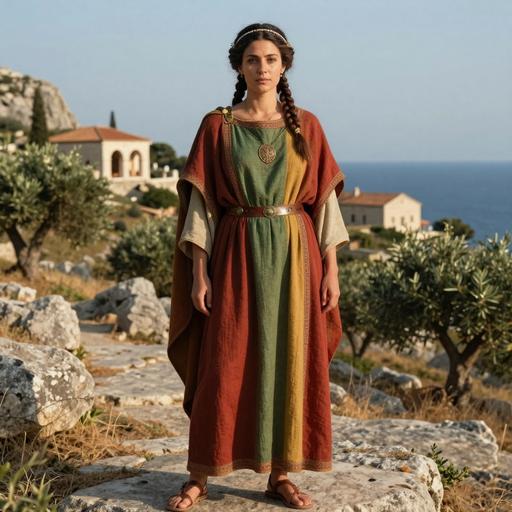
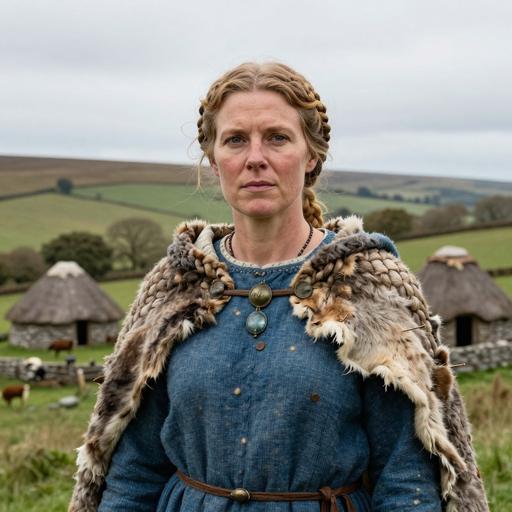
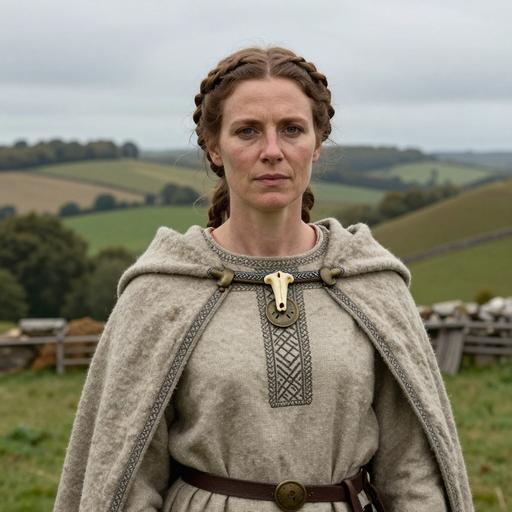
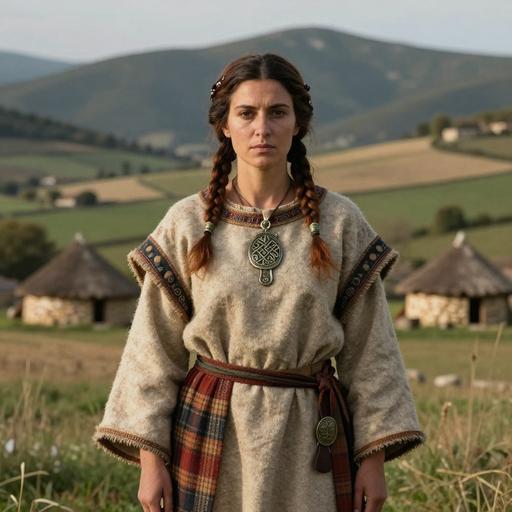
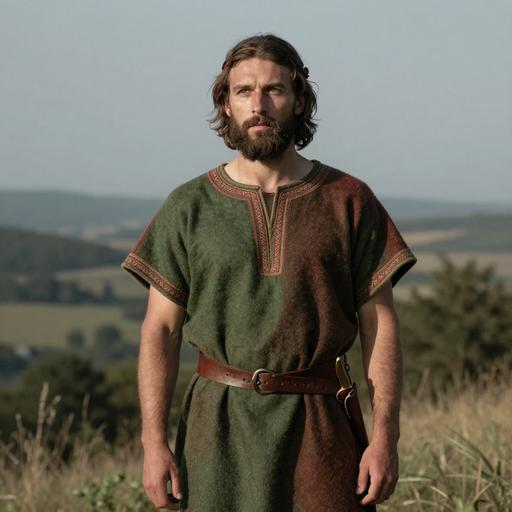
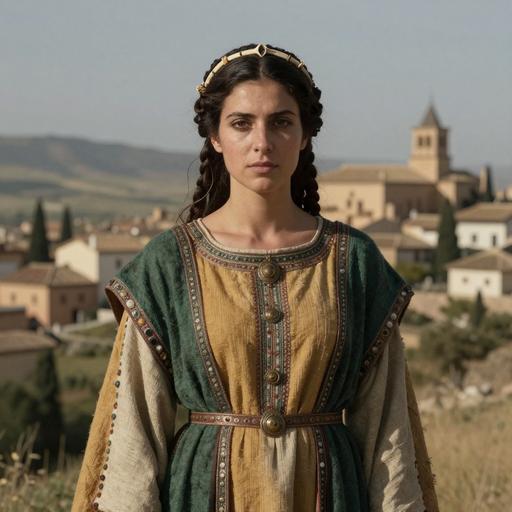
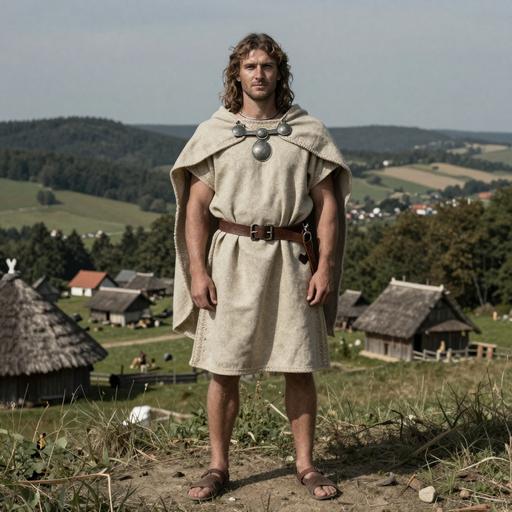
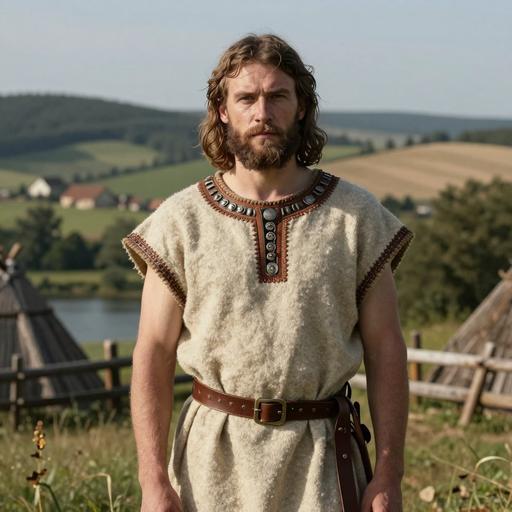
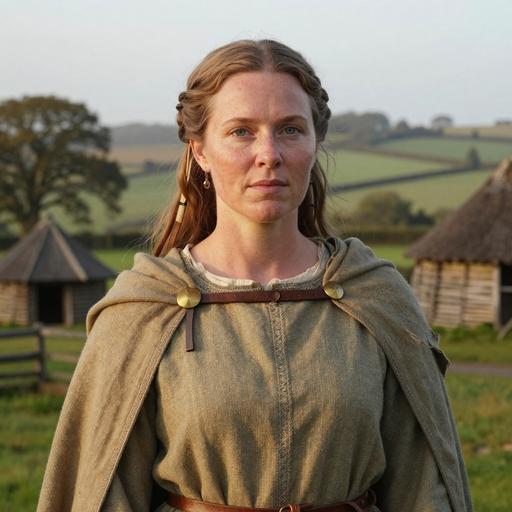
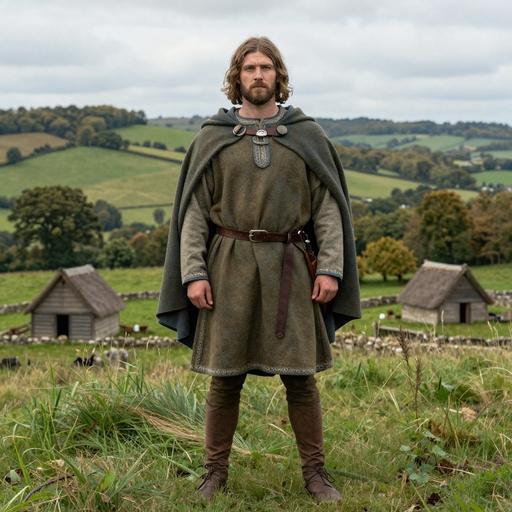
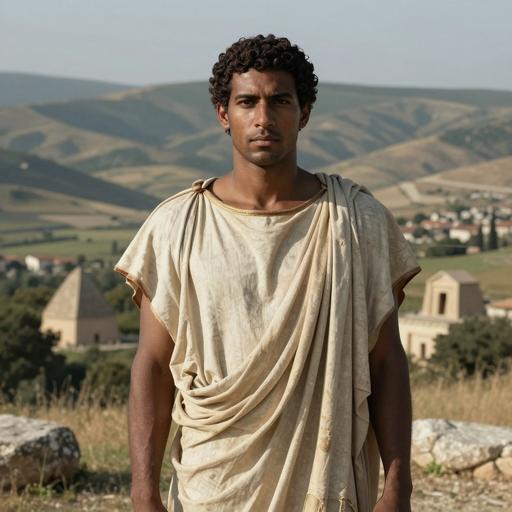
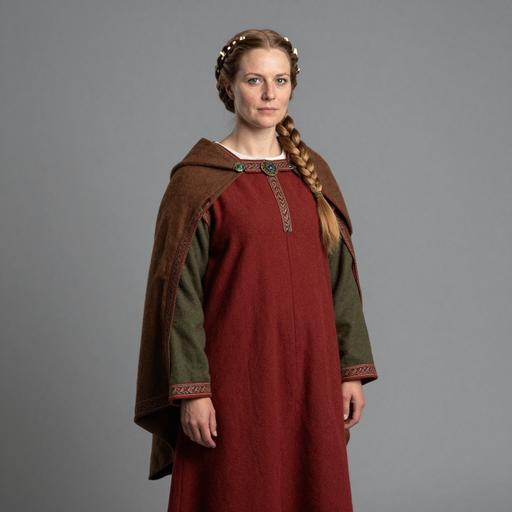
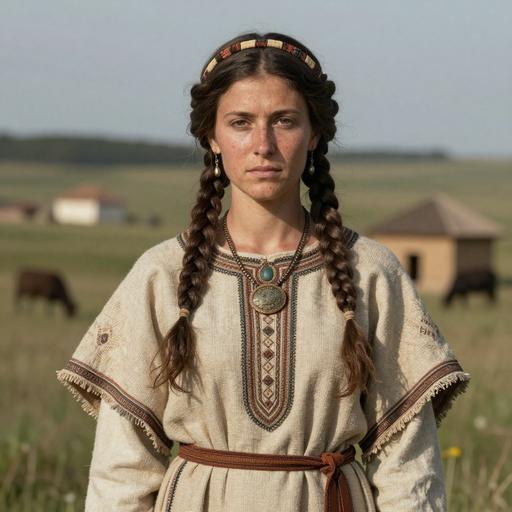
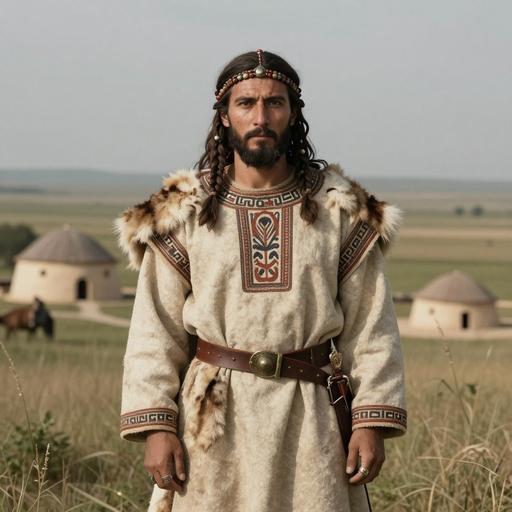
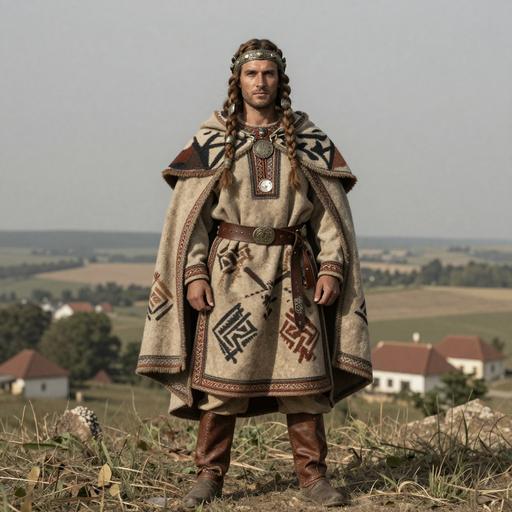
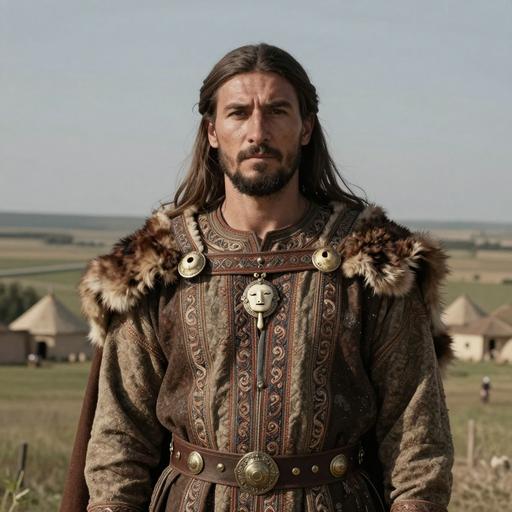
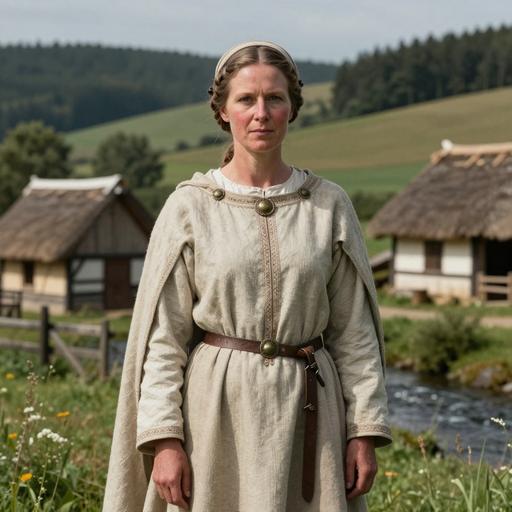
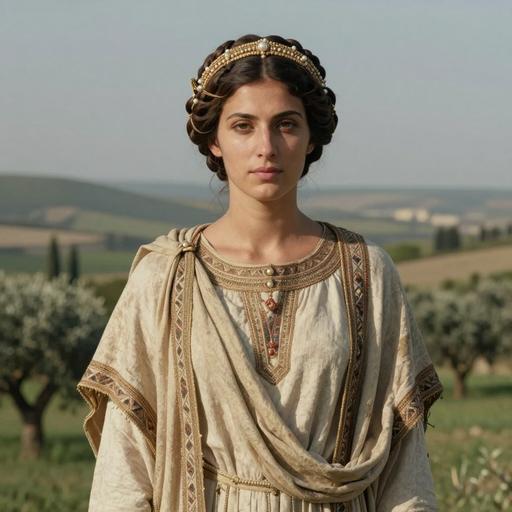
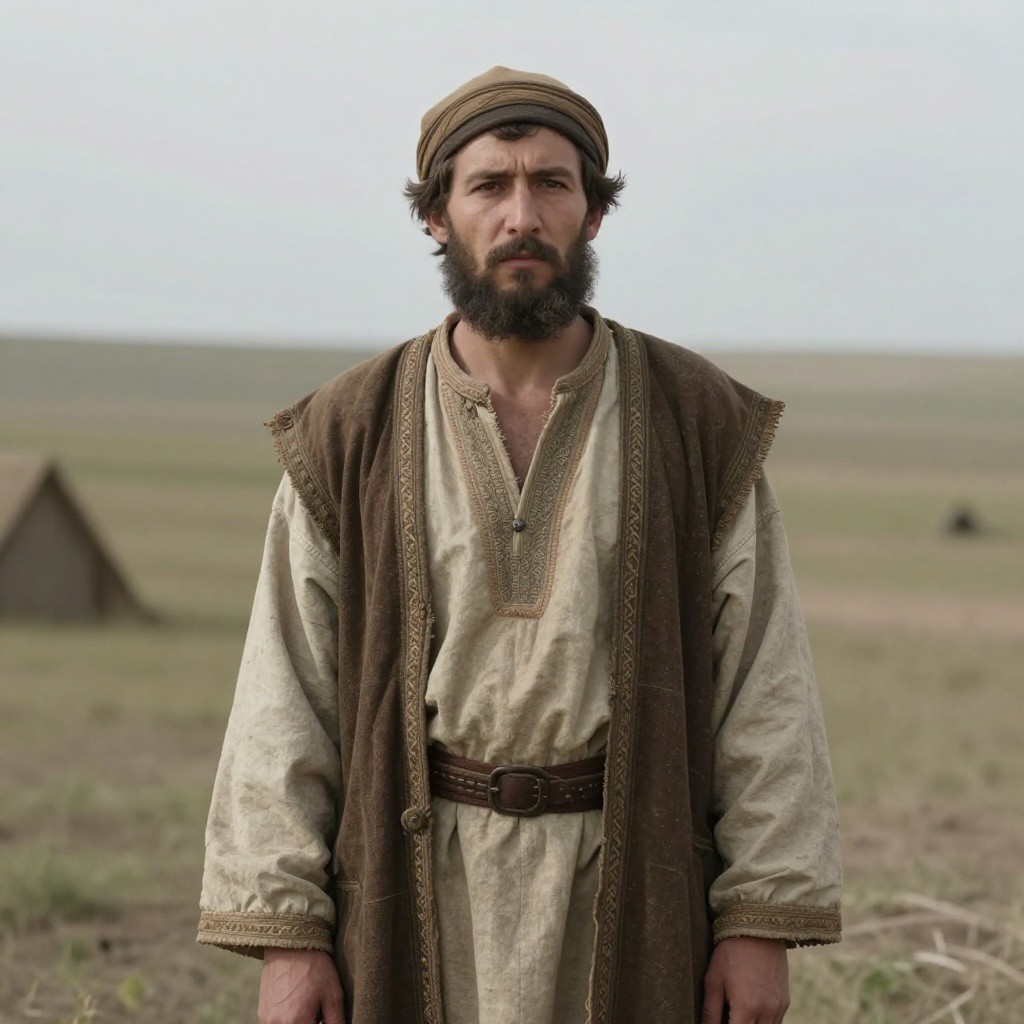
Porträts sind KI-generierte Illustrationen. Probenbezeichnungen und Zugangs-IDs identifizieren die Referenzdatensätze.
Germany Saxon Medieval Drantum, Germany 600-900 CE
U5b1c2bSubklade
Proben-ID: I22938
Early Iron Age Slovenia - Slovenia - Zagorje ob Savi
Slovenia Slovenia EIA 600-350 BCE
U5b1b1Subklade
Proben-ID: I14821
Early Byzantine Period 1 Turkey - Turkey - Zeytinliada (Marmara. Balikesir. Erdek)
Turkey Early Byzantine Period 1 Turkey 600-1000 CE
U5b1b1Subklade
Proben-ID: I21987
I21987
Italy Italy Sardinia IA b Punic Nuragic 600-400 BCE
U5b1d1Subklade
Proben-ID: I16640
I16640
Russia Russia Samara Khazar 656-775 calCE (1320±20 BP, PSUAMS-10312)
U5b1e1Subklade
Proben-ID: MGS231
MGS231
Austria Austria Avar 650-800 CE
U5b1e1Subklade
Proben-ID: MGS232
MGS232
Austria Austria Avar 650-800 CE
U5b1e1Subklade
MATERNAL LINEAGE · ANCIENT DNA
Ancient lineage evidence map
Follow parent clades toward this branch and explore where ancient carriers were found.
Loading ancient observations…
Reduced motion is enabled. Use the timeline or Show all to explore at your own pace.
Read observations as a table
Displayed ancient observations by branch, period and date midpoint
Branch
Period
Date range
Sample
Sample ID
Location
Haplogroup
Relationship
Markers are archaeological find locations. A dashed connector is an uncertain, proposed geographic transition between consecutive branches supported by multiple dated observations; it is not an exact travel route, birthplace or proof of direct descent. Parent-clade samples may belong to other descendant branches. Gaps remain where evidence is insufficient. Sample dates differ from haplogroup formation dates.
Grouping by historical period reflects when each ancient individual lived, combined across every branch on this lineage chain; it is not a migration sequence or a personal timeline between periods.
Referenzprofil
Trägerverteilungskarte
Geografische Verteilung von 100 antiken DNA-Proben (direkte und Subkladen-Träger von U5B1)
Direkter Träger Subkladen-Träger
Zeitraumfilter
Alle Zeiträume
Alle Proben werden angezeigt
Referenzprofil
Zeitliche Verteilung
Verteilung der Träger über archäologische Epochen
Referenzprofil
Geografische Verteilung
Anzahlen nach erfasstem Probenland. Sie spiegeln die verfügbare Referenzauswahl wider, nicht Bevölkerungshäufigkeiten.
Referenzprofil
Verteilung Land × Epoche
Vergleichen Sie erfasste Probenanzahlen nach Ländern und archäologischen Epochen. Wählen Sie eine belegte Zelle, um eine Probe anzusehen.
Daten
Daten und Herkunft
Quellenangaben und Datenqualität
Zuletzt aktualisiert2026-02-16
Konfidenzwert50/100
AbdeckungLow
Datenquelle
Klassifikation, geschätzte Daten und geografischer Kontext spiegeln die erfassten Referenzdaten wider und können sich bei überarbeiteten Belegen ändern. Die Probenabdeckung ist ungleichmäßig; erfasste Orte und archäologische Zuordnungen begründen weder persönliche Herkunft noch kulturelle Identität.