Zum Hauptinhalt springen
Y-DNA · Väterliche Linie

M

Y-DNA Haplogroup M

Ein Referenzprofil für einen Abstammungszweig. Gemeinsame Haplogruppen begründen weder eine familiäre Beziehung noch eine kulturelle Identität.

Referenzprofil

Hintergrund des Zweigs

Historischer Kontext für den Y-DNA-Abstammungszweig M

Origins and Evolution

Y-DNA haplogroup M is a downstream branch of K2, within the broad macro-haplogroup framework that includes many major non-African paternal lineages. Its deeper ancestry ultimately traces back to the post-out-of-Africa diversification of Y-chromosome lineages in Eurasia, but the defining diversification of M appears to have occurred in the Near Oceania / Sahul region after the ancestors of modern humans reached the western Pacific.

In population genetics, haplogroup M is notable because it represents one of the principal paternal lineages associated with the early settlement of New Guinea and neighboring regions. It is often discussed alongside related branches such as S and other K2-derived lineages, which together reflect the complex paternal structure of ancient populations in Sahul. The age of M is commonly estimated to be on the order of tens of thousands of years, with a likely origin around 50 kya, though exact dates vary by study and calibration method.

Subclades

Haplogroup M is an intermediate clade, so its scientific significance lies partly in linking a broader parent lineage to more regionally specific descendant branches. Its subclades have been reported in different parts of the broader Near Oceanian and Australasian sphere, and they help reconstruct the deep history of paternal continuity in the region.

Because Y-DNA phylogenies are periodically revised, the exact internal branching pattern of M can differ across datasets. In general, however, the lineage is treated as an important ancestral node from which later regional lineages in New Guinea, Island Melanesia, and Sahul-associated populations derive.

Geographical Distribution

Today, haplogroup M is found at its highest frequencies in Papuan-speaking populations of New Guinea, as well as in some Melanesian and Aboriginal Australian groups. It may also appear at lower frequencies in nearby island populations due to ancient shared ancestry, regional migration, and later admixture.

Its distribution is strongly shaped by the deep prehistory of Sahul, the Pleistocene landmass that connected Australia, New Guinea, and Tasmania when sea levels were lower. This makes haplogroup M particularly informative for understanding how early modern humans moved through Wallacea into Near Oceania and then diversified in relative isolation.

Historical and Cultural Significance

Haplogroup M is not primarily associated with historically documented states or literate civilizations; instead, its importance is deep prehistory. It is a key paternal marker for reconstructing the genetic history of populations that maintained long-term residence in the Pacific region before and after sea-level rise separated Sahul into modern landmasses.

In broader anthropological terms, M is relevant to questions about the peopling of New Guinea, the ancient settlement of Australia, and later interactions among Austronesian, Papuan, and Melanesian populations. Its presence helps distinguish indigenous paternal ancestry from later Holocene expansions in parts of Oceania.

Conclusion
Y-DNA haplogroup M is a deeply rooted paternal lineage whose highest relevance lies in the prehistoric settlement and long-term regional evolution of Near Oceania and Sahul. As an intermediate clade, it provides an essential phylogenetic bridge between ancient Eurasian Y-lineages and the distinctive paternal genetic landscape of Papuan and neighboring populations.

Wichtige Punkte

  • Origins and Evolution
  • Subclades
  • Geographical Distribution
  • Historical and Cultural Significance
  • Conclusion
Referenzprofil

Baum und Verwandtschaft

Phylogenetischer Kontext und Subkladen

Entwicklungsweg

Folgen Sie den erfassten übergeordneten Zweigen bis M. Die Daten sind Schätzungen und können sich ändern, wenn Referenzdaten überarbeitet werden.

Schritte Haplogruppe Altersschätzung Archäologische Epoche Vergangene Zeit Unmittelbare Nachkommen Getestete moderne Nachkommen Antike Verknüpfungen
1 M Aktuell ~50,000 years ago Paleolithic 50,000 Jahre 1 10 42
Referenzprofil

Verbreitung weltweit

Geografische Verbreitung und moderne Präsenz

Erfasster Ursprung

Near Oceania

Moderne Verbreitung

The populations where Y-DNA haplogroup M is found include:

  1. Papuan populations of New Guinea
  2. Highland and lowland Papuan-speaking groups
  3. Island Melanesian populations
  4. Some Aboriginal Australian populations
  5. Small frequencies in nearby Wallacean and Pacific island groups

Regionale Präsenz

Papua and New Guinea High
Melanesia Moderate
Australia Low
Wallacea Low
Historischer Kontext

Ein Zweig durch die Zeit

Geschätzte Entstehung in einer breiten historischen Zeitleiste. Zeitmarken liefern Kontext und implizieren keine Verbindung zu bestimmten Kulturen.

  1. ~70k Jahre zurück

    Ausbreitung aus Afrika

    Wichtige Wanderungsbewegung moderner Menschen aus Afrika

  2. ~50k Jahre zurück

    Jungpaläolithikum

    Fortgeschrittene Werkzeuge, Kunst und kulturelle Vielfalt

  3. ~50k Jahre zurück

    Haplogruppe M

    Geschätzte Entstehung dieses Y-DNA-Zweigs; Daten und Orte sind Referenzschätzungen.

    Dieser Zweig
  4. ~20k Jahre zurück

    Letztes glaziales Maximum

    Höhepunkt der letzten Eiszeit, isolierte Bevölkerungen

  5. ~10k Jahre zurück

    Neolithische Revolution

    Beginn der Landwirtschaft und feste Siedlungen

  6. ~5k Jahre zurück

    Bronzezeit

    Metallverarbeitung, Schrift und frühe Zivilisationen

  7. ~3k Jahre zurück

    Eisenzeit

    Eisenwerkzeuge und ausgedehnte Handelsnetze

  8. ~2.5k Jahre zurück

    Klassische Antike

    Blüte griechischer und römischer Kulturen

  9. Gegenwart

    Gegenwart

    Moderne Zeit

Referenzprofil

Archäologischer Kontext

Erfasste archäologische Zuordnungen für den Y-DNA-Zweig M

Erfasste Zuordnungen

Diese Bezeichnungen beschreiben archäologische Kontexte erfasster Referenzproben mit Bezug zu M. Eine Zuordnung bedeutet nicht, dass alle Träger einer Kultur angehörten oder einer bestimmten Migrationsroute folgten.

Cernavoda Doggerland Early Lapita Vanuatu Gumelnița Karavelovo Latte Unetice Vanuatu Ancient Vanuatu Colonial Yappa Nhae
Kulturzuordnungen basieren auf dem archäologischen Kontext antiker DNA-Proben und können regionale Verknüpfungen in bestimmten Zeiträumen widerspiegeln.
Referenzprofil

Probencatalog

42 Subkladen-Träger der Haplogruppe M (keine direkten Träger in der aktuellen Referenzauswahl)

10 angezeigt · 42 passende Proben

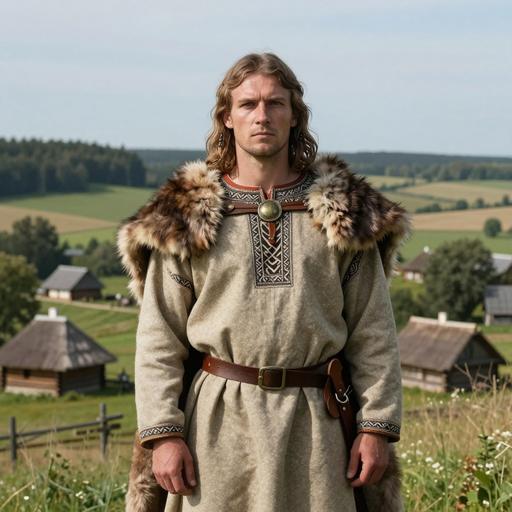
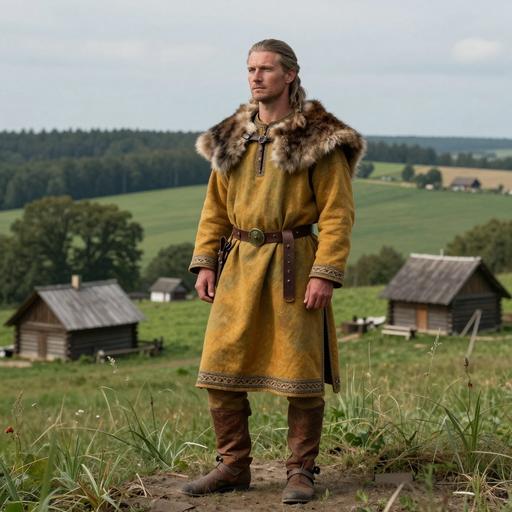
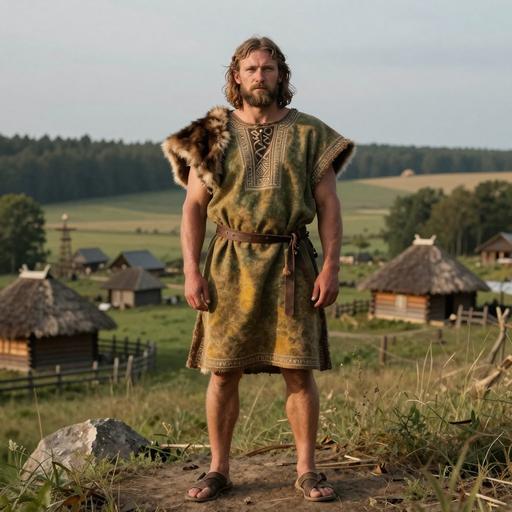
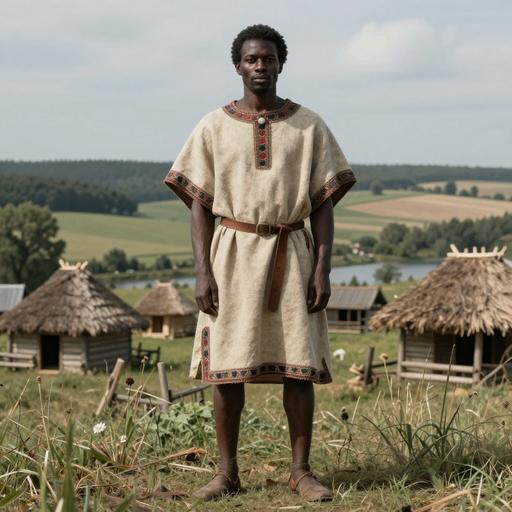
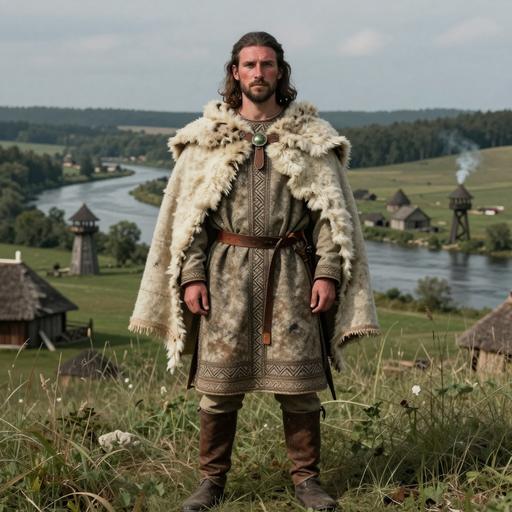
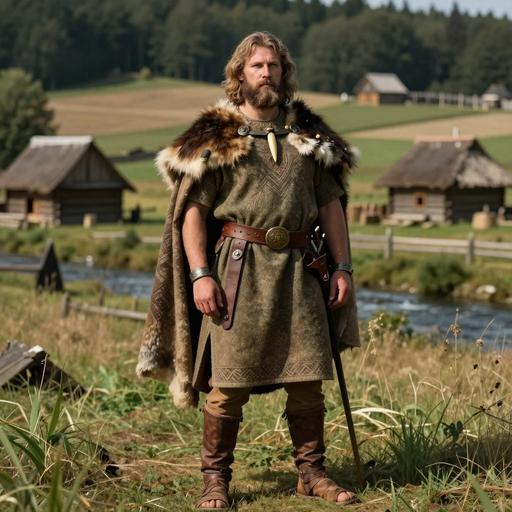
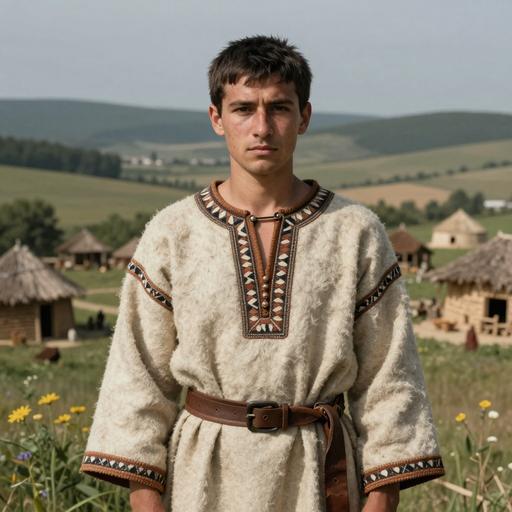
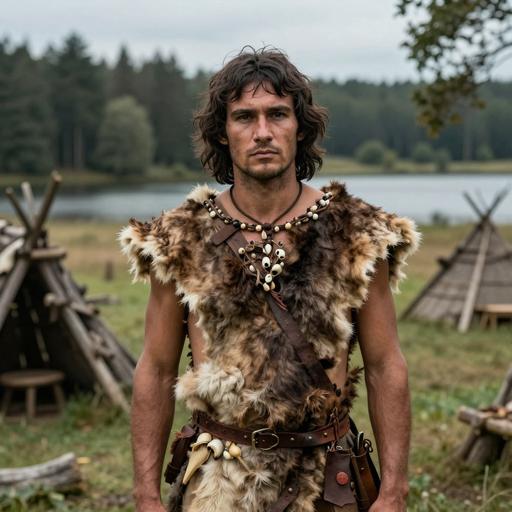
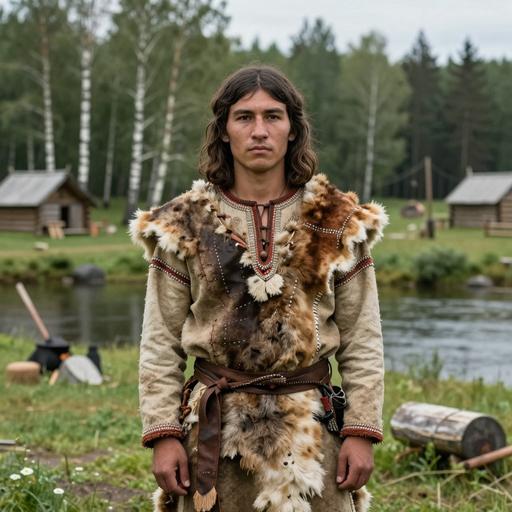
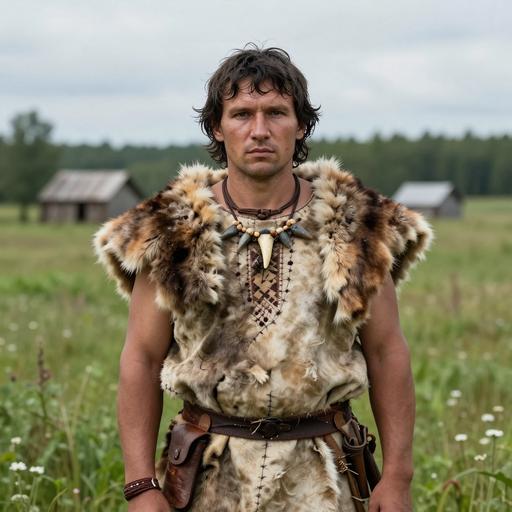
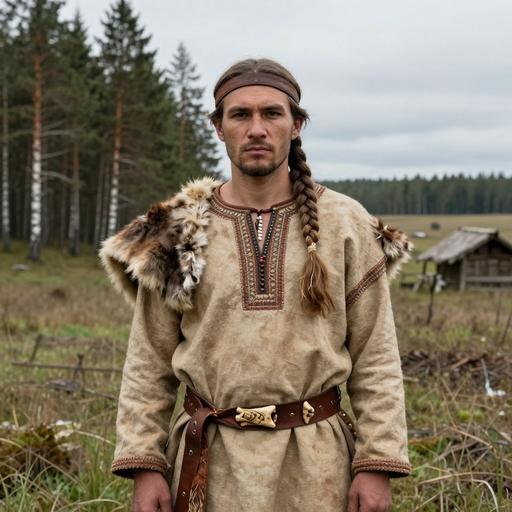
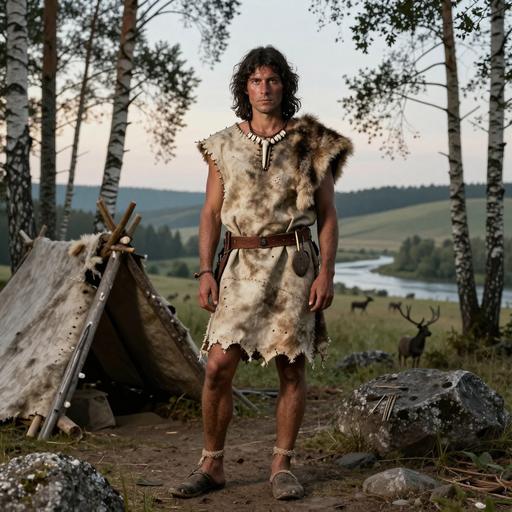
Porträts sind KI-generierte Illustrationen. Probenbezeichnungen und Zugangs-IDs identifizieren die Referenzdatensätze.

Porträt Probe Land Epoche Datum Kultur Y-DNA Übereinstimmung
KI-generiertes illustratives Porträt von IA Wielbark individual, Kowalewko (Greater Poland Province, Oborniki), Poland (85-235 CE)
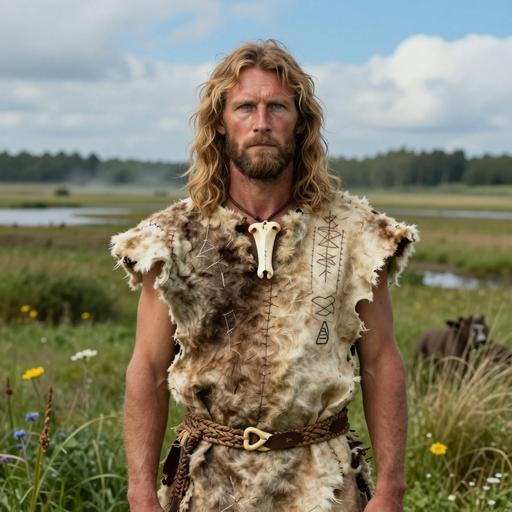
Proben-ID: PCA0040
Poland Wielbark Culture 50-250 BCE Wielbark M515 Subklade
KI-generiertes illustratives Porträt von IA Wielbark individual, Kowalewko (Greater Poland Province, Oborniki), Poland (100-300 CE)
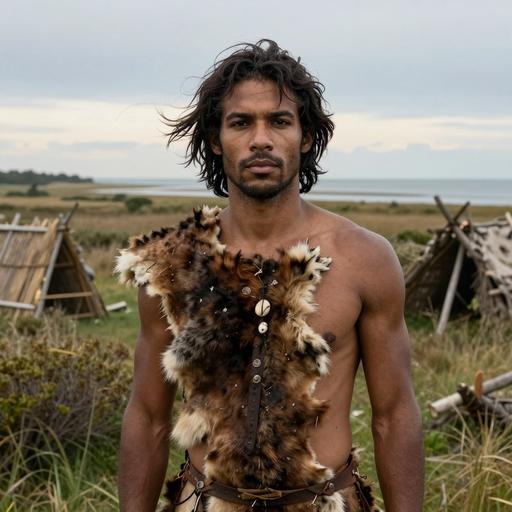
Proben-ID: PCA0002
Poland Wielbark Culture 100-300 CE Wielbark M515 Subklade
KI-generiertes illustratives Porträt von IA Wielbark individual, Kowalewko (Greater Poland Province, Oborniki), Poland (100-300 CE)
Proben-ID: PCA0038
Poland Wielbark Culture 100-300 CE Wielbark M458 Subklade
KI-generiertes illustratives Porträt von Roman Wielbark individual, Pruszcz Gdański (Pomeranian Province, Gdańsk, Pruszcz Gdański), Poland (100-300 CE)
Proben-ID: PCA0476
Poland Wielbark Culture 100-300 CE Wielbark M520 Subklade
KI-generiertes illustratives Porträt von Roman Wielbark individual, Pruszcz Gdański (Pomeranian Province, Gdańsk, Pruszcz Gdański), Poland (100-300 CE)
Proben-ID: PCA0494
Poland Wielbark Culture 100-300 CE Wielbark M5675 Subklade
KI-generiertes illustratives Porträt von IA Wielbark individual, Masłomęcz (Lublin Province, Hrubieszów County, Hrubieszów), Poland (211-383 CE)
Proben-ID: PCA0088
Poland Wielbark Culture 211-383 calCE Wielbark M2012 Subklade
KI-generiertes illustratives Porträt von Early Slav individual, Ląd (Greater Poland Province, Słupca County, Lądek), Poland (1,000-1,200 CE)
Proben-ID: PCA0197
Poland Iron Age Lusatian culture of Poland 1000-1200 CE Lusatian Culture M458 Subklade
KI-generiertes illustratives Porträt von Early Slav individual, Ląd (Greater Poland Province, Słupca County, Lądek), Poland (1,000-1,200 CE)
Proben-ID: PCA0203
Poland Iron Age Lusatian culture of Poland 1000-1200 CE Lusatian Culture M458 Subklade
KI-generiertes illustratives Porträt von Early Slav individual, Ląd (Greater Poland Province, Słupca County, Lądek), Poland (1,000-1,200 CE)
Proben-ID: PCA0205
Poland Iron Age Lusatian culture of Poland 1000-1200 CE Lusatian Culture M458 Subklade
KI-generiertes illustratives Porträt von IA individual, Obłaczkowo (Greater Poland Province, Września), Poland (1,000-1,200 CE)
Proben-ID: PCA0222
Poland Iron Age Oblaczkowo Culture 1000-1200 CE Oblaczkowo Culture M458 Subklade
PATERNAL LINEAGE · ANCIENT DNA

Ancient lineage evidence map

Follow parent clades toward this branch and explore where ancient carriers were found.

Loading ancient observations…

Markers are archaeological find locations. A dashed connector is an uncertain, proposed geographic transition between consecutive branches supported by multiple dated observations; it is not an exact travel route, birthplace or proof of direct descent. Parent-clade samples may belong to other descendant branches. Gaps remain where evidence is insufficient. Sample dates differ from haplogroup formation dates.

Referenzprofil

Trägerverteilungskarte

Geografische Verteilung von 42 antiken DNA-Proben (direkte und Subkladen-Träger von M)

Subkladen-Träger
Zeitraumfilter
Alle Zeiträume
Alle Proben werden angezeigt
Referenzprofil

Zeitliche Verteilung

Verteilung der Träger über archäologische Epochen

Referenzprofil

Geografische Verteilung

Anzahlen nach erfasstem Probenland. Sie spiegeln die verfügbare Referenzauswahl wider, nicht Bevölkerungshäufigkeiten.

Referenzprofil

Verteilung Land × Epoche

Vergleichen Sie erfasste Probenanzahlen nach Ländern und archäologischen Epochen. Wählen Sie eine belegte Zelle, um eine Probe anzusehen.

Daten

Daten und Herkunft

Quellenangaben und Datenqualität

Zuletzt aktualisiert 2026-06-17

Datenquelle

Klassifikation, geschätzte Daten und geografischer Kontext spiegeln die erfassten Referenzdaten wider und können sich bei überarbeiteten Belegen ändern. Die Probenabdeckung ist ungleichmäßig; erfasste Orte und archäologische Zuordnungen begründen weder persönliche Herkunft noch kulturelle Identität.