Your Genetic Story - Ancient Eastern Europe and the Baltic

Download PDF creates a visual, rasterized copy. Use Print for selectable text and better assistive-technology support.

Ancient Eastern Europe and the Baltic

Your Genetic Story

Analyzing your genetic similarity to ancient Eastern European and Baltic reference samples...

Preparing your genetic-similarity report

Ancient Eastern Europe and the Baltic

Your Genetic Story Through Time

A chronological reading of your similarity to ancient reference populations of Eastern Europe and the Baltic, from the earliest period to the most recent.

(SSUAJF) Demo Report Generated Oct 9, 2026

The Baltic and eastern forest zone kept a deep forager signal long after farming reached the rest of Europe.

Ancient Eastern Europe and the Baltic

Your similarity, chapter by chapter

Your strongest regional connections fall within formative transformations.

The Baltic and eastern forest zone kept a deep forager signal long after farming reached the rest of Europe.

Ancient Eastern Europe and the Baltic

Your Story at a Glance

7 chapters, from the earliest period to the most recent, showing how your similarity maps onto the history of Eastern Europe and the Baltic.

  1. 1 Mesolithic 10,000 BCE to 5,000 BCE
  2. 2 Neolithic 5,000 BCE to 3,000 BCE
  3. 3 Copper Age 3,000 BCE to 2,200 BCE
  4. 4 Bronze Age 2,200 BCE to 800 BCE
  5. 5 Iron Age 800 BCE to 400 CE
  6. 6 Migration Period 400 CE to 800 CE
  7. 7 Medieval 800 CE to 1,500 CE
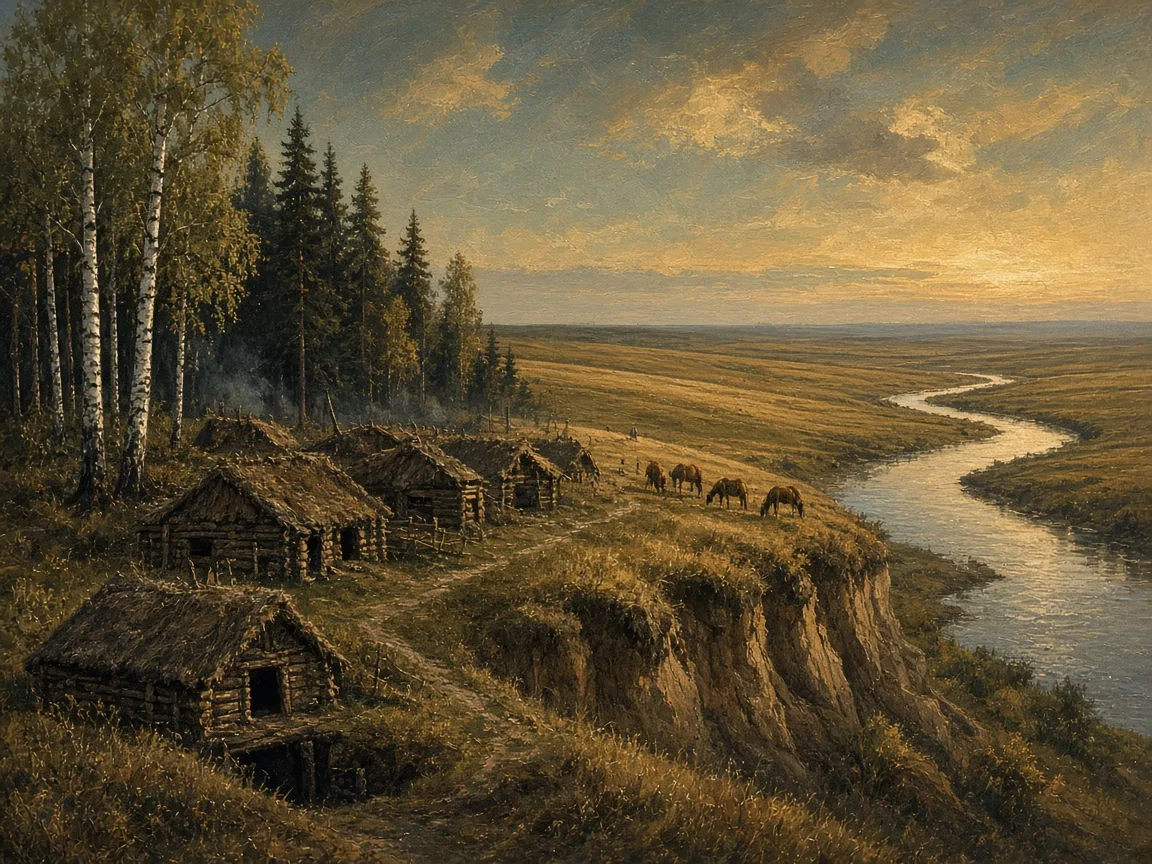
Illustration of Mesolithic landscape
Chapter 1

Mesolithic

10,000 BCE to 5,000 BCE

Forest-zone and Baltic foraging communities.

Explore this period

Region & Environment

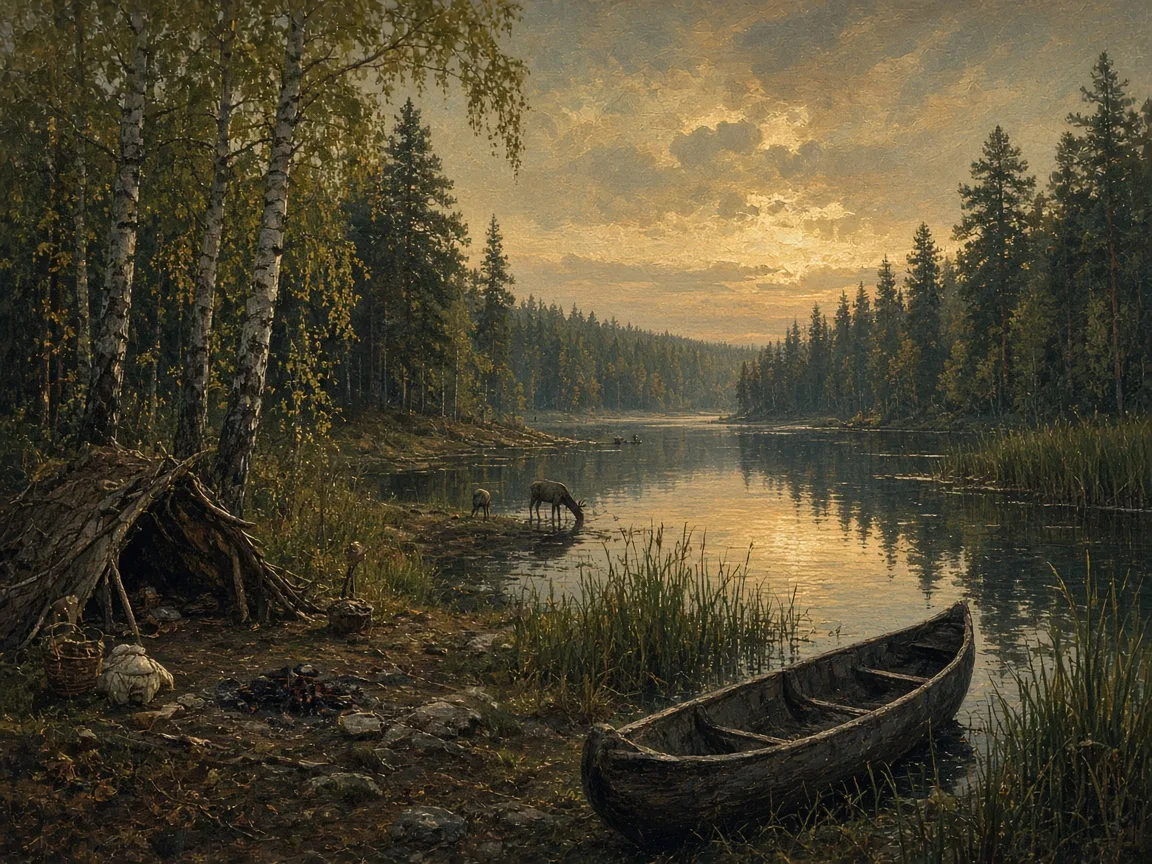
The Latvia Mesolithic refers to human presence in northern Europe, within the lands of present-day Latvia. The period falls within the Holocene after major climatic shifts of the late glacial era. Landscapes included forested zones, wetlands, and extensive river and lake systems, creating varied ecological niches for exploiting fish, game, and plant resources.

Historical Context

Around 8000–5000 BCE, communities in the Baltic region lived before widespread agricultural settlement. The Mesolithic was a time of adaptation: mobility and resource scheduling responded to local environmental change and seasonal cycles. Archaeological patterns across the region are typically interpreted as hunter-gatherer economies emphasizing foraging, fishing, and short-term or recurrent use of places.

Populations & Lifeways

Mesolithic populations in Latvia were likely small, mobile groups rather than settled farmers. Lifeways centered on hunting and fishing, with toolkits supporting tasks such as woodworking, processing plant foods, and producing durable implements for daily work. Seasonal movements would have linked communities to predictable resources—fish runs, game migrations, and edible plant availability.

Archaeology & Material Culture

Archaeological evidence for the Latvian Mesolithic commonly relies on stone tool industries (lithics), including projectile point types, scrapers, and other implements used in cutting and processing materials. Sites may include traces of repeated occupation such as hearths or cultural layers, with toolmaking debris reflecting local use of nearby stone sources. Organic materials rarely survive in all contexts, so the lithic record often plays a central role in reconstruction.

Culture & Society

Social life likely involved collaboration in hunting, fishing, and processing activities, supported by shared technical knowledge in making and maintaining tools. While Mesolithic communities varied locally, the broader Baltic Mesolithic pattern suggests networks of interaction through movement, exchange of materials, and shared traditions in lithic technology.

Legacy & Transition

The Mesolithic in Latvia ended as parts of the region became increasingly affected by later cultural developments associated with the spread of farming and new tool traditions. The transition away from predominantly hunter-gatherer lifeways is visible in changing archaeological assemblages over time, marking a shift in how people exploited landscapes and organized community life.
What your data actually shows

24/100 period similarity
Illustration of Neolithic landscape
Chapter 2

Neolithic

5,000 BCE to 3,000 BCE

Comb Ware and early farming communities.

Explore this period

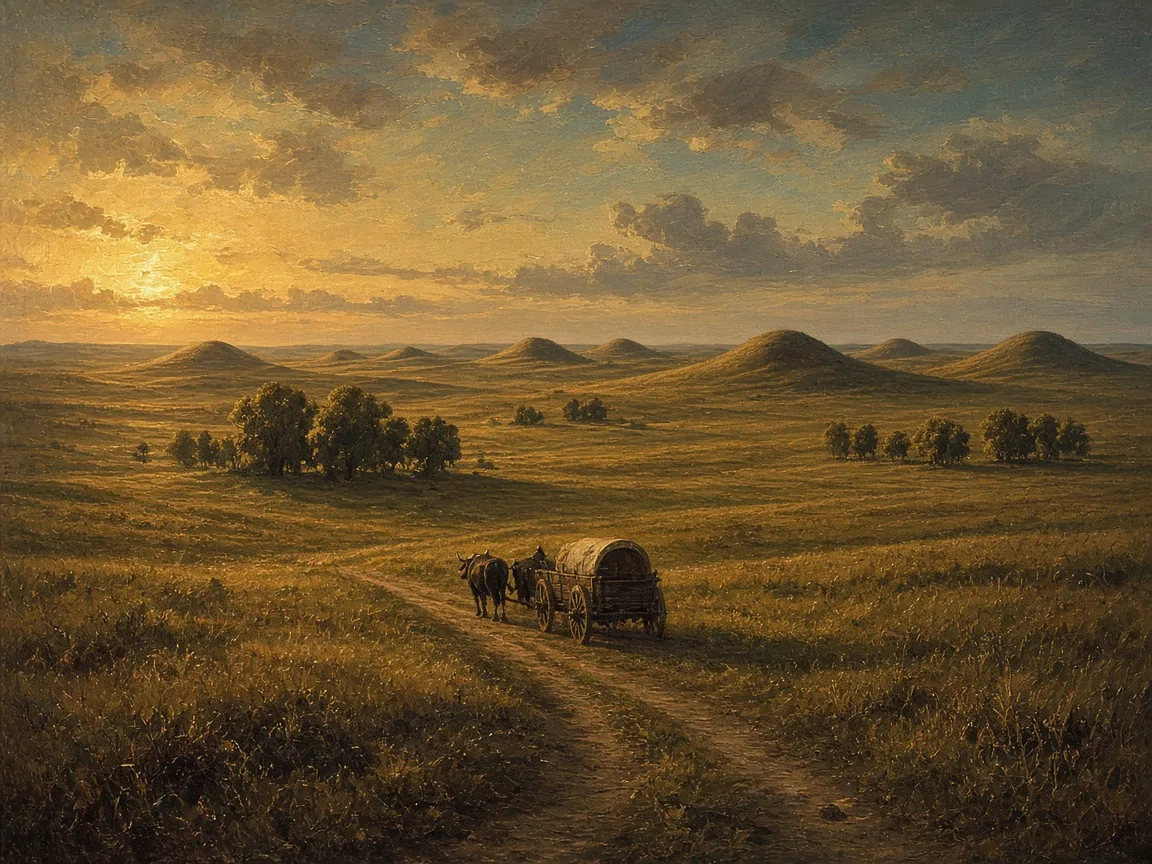
The Corded Ware culture, also known as the Battle Axe culture or Single Grave culture, is a significant archaeological horizon of the late Neolithic period in Europe. It is characterized by its distinct pottery and burial practices and is often associated with the spread of Indo-European languages. The Corded Ware culture expanded across a vast region of Europe, impacting various territories, including present-day Estonia and the Ida-Viru region.

Overview of the Corded Ware Culture

Timeframe and Geography:

  • Period: The Corded Ware culture flourished from approximately 2900 BC to 2350 BC.
  • Geographical Span: It extended across Central Europe, parts of Eastern Europe, and into Northern Europe, including the territories of contemporary Estonia. Ida-Viru, located in the eastern part of Estonia, was among the areas influenced by this culture.

Cultural Characteristics:

  • Pottery: The culture is renowned for its distinctive pottery decorated with cord impressions, from which it derives its name. These decorations were often made by pressing cordage into the wet clay, resulting in characteristic patterns that are easily identifiable.
  • Burial Practices: The Corded Ware people practiced burial customs involving single graves rather than collective burials, which is why it is sometimes referred to as the Single Grave culture. Burials were typically inhumations, with bodies placed in a flexed position. Graves often contained grave goods, such as stone axes, flint tools, and pottery, indicating the importance of these items in their societal practices.
  • Battle Axes: A notable feature of this culture was the presence of polished stone battle axes or shaft-hole axes in their burials, symbolizing status or warrior identity.

Societal Structure:

  • The societal structure of the Corded Ware culture is believed to be patriarchal, with evidence indicating a focus on warrior-like elite groups. The presence of weapons in graves suggests a society that valued martial prowess.
  • Family units and clans likely played a central role in the social organization, with an emphasis on agricultural and pastoral economic activities.

Economy:

  • Subsistence: The Corded Ware culture saw a blend of agriculture and animal husbandry as their primary subsistence strategies. They cultivated cereals and bred livestock such as cattle, sheep, and goats.
  • Technology: They employed advanced stone tool technologies and were adept at crafting polished stone implements. Their tools and weapons, such as flint daggers and arrowheads, reflect their technical proficiency.

The Corded Ware Culture in Ida-Viru, Estonia

Regional Archaeology:

  • In Ida-Viru, as in other parts of Estonia, archaeological findings often include characteristic pottery shards, flint tools, and burial sites reflective of Corded Ware practices.
  • The region’s archaeological record is essential for understanding the broader interactions across the Baltic during the Neolithic period, suggesting trade or exchange networks.

Cultural Interactions:

  • The Corded Ware culture in Estonia represents an intersection of influences, where this incoming cultural wave interacted with local hunter-gatherer communities, leading to cultural synthesis and transformation.

Linguistic Implications:

  • The migration and expansion of the Corded Ware people are often linked to the spread of the Proto-Indo-European language, suggesting that the people in Ida-Viru during this period might have been among the early speakers of languages in this family.

Significance and Legacy

The Corded Ware culture marks a transformative period in European prehistory, characterized by shifts in social structures, subsistence strategies, and technology. In regions like Ida-Viru, Estonia, its influence contributed to the subsequent development of the cultural and linguistic landscape, leaving a lasting legacy that is still explored through ongoing archaeological research. This culture exemplifies a critical juncture where dynamic interactions between migrating and indigenous populations shaped the trajectory of European history.

What your data actually shows

0/100 period similarity
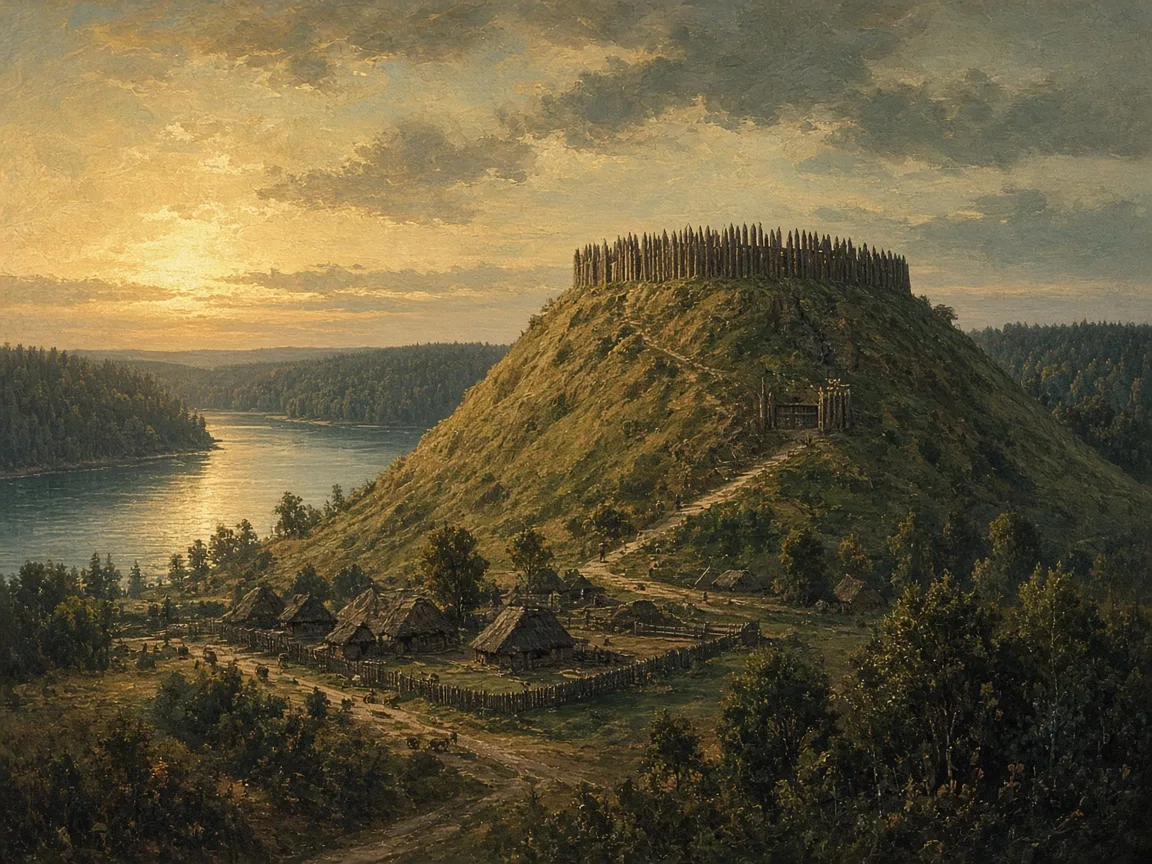
Illustration of Copper Age landscape
Chapter 3

Copper Age

3,000 BCE to 2,200 BCE

Corded Ware communities of the eastern plain.

What your data actually shows

33/100 period similarity Strongest period
Illustration of Bronze Age landscape
Chapter 4

Bronze Age

2,200 BCE to 800 BCE

Bronze Age forest and steppe-edge societies.

Explore this period

The Bronze Age in Estonia, part of the broader Baltic region, is a fascinating period that spans approximately from 1800 BCE to 500 BCE. This era marks a significant transformation in the socio-cultural, technological, and economic spheres of the region, influenced by various cultural exchanges and technological advancements.

Geography and Environment

Bronze Age Estonia was characterized by its geographical position along the eastern coast of the Baltic Sea. The natural landscape consisted of a rich tapestry of forests, rivers, and coastlines, which played a crucial role in shaping the livelihoods of its inhabitants. The climate during this era was slightly warmer than the present day, allowing for diverse flora and fauna, which facilitated farming and settlement development.

Cultural Influences

The culture of Bronze Age Estonia was notably influenced by interactions with neighboring regions. The Baltic Sea served as a conduit for trade and cultural exchanges with Scandinavia, Central Europe, and even regions further afield. These interactions introduced new ideas, technologies, and materials, contributing to an increasingly complex society.

Society and Settlement

The society in Bronze Age Estonia was organized into tribal communities that lived in small villages or farmsteads. These settlements were typically located near water sources for both transportation and sustenance. Archaeological evidence suggests these communities were relatively egalitarian, with wealth and resources distributed among different family units.

As the period progressed, there was a gradual shift toward more stratified societies, likely due to increased trade and the accumulation of wealth linked to bronze metallurgy. Leaders or chieftains may have emerged, occupying positions of influence and power, facilitating trade and overseeing communal activities.

Economy and Trade

The Bronze Age economy in Estonia was primarily driven by agriculture, hunting, fishing, and, notably, trade. The introduction of bronze – an alloy of copper and tin – significantly impacted tool and weapon manufacture, increasing efficiency in farming and warfare. Estonia, lacking local sources of tin and copper, was deeply engaged in trade, sourcing these ores from as far as the British Isles and the eastern regions of Europe.

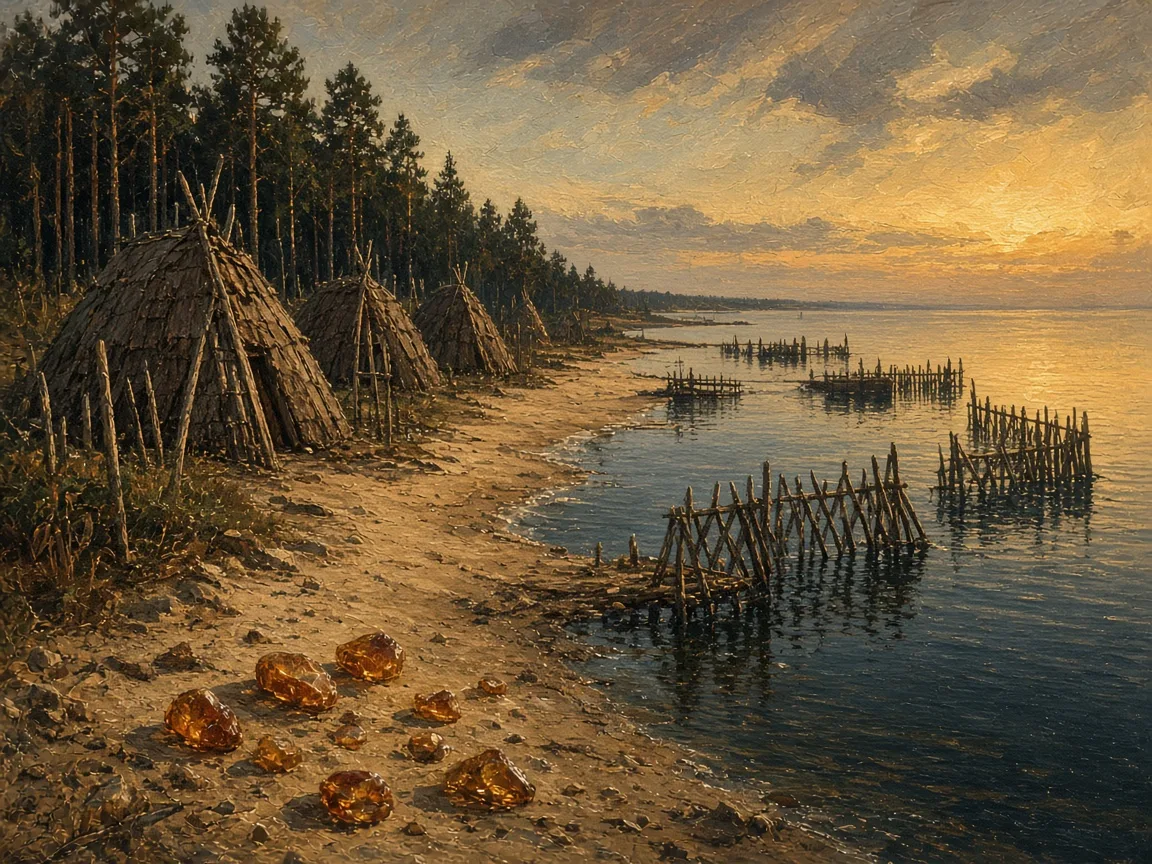
Amber, abundant along the Baltic coast, became a valuable trade item, connecting Estonia with distant cultures. The exchange networks not only facilitated the movement of goods but also ideas, contributing to cultural diffusion across the continent.

Technology and Craftsmanship

Bronze metallurgy represents the pinnacle of technological achievement during this period, with artisans producing a variety of tools, weapons, and ornaments. Objects such as swords, axes, and sickles reflect both utilitarian and ceremonial uses, indicating their importance in daily life and ritualistic contexts.

In addition to metalwork, there was significant advancement in ceramics and textiles. Pottery from this era often featured intricate designs, illustrating sophisticated craftsmanship and aesthetic appreciation.

Religion and Beliefs

Religious practices in Bronze Age Estonia likely revolved around natural and celestial phenomena, with nature worship and animistic beliefs playing central roles. Burial practices provide insights into the spiritual life of the time: individuals were interred with grave goods, suggesting a belief in an afterlife. The presence of ritualistic objects and sacred spaces points to a structured system of beliefs and ceremonies conducted by spiritual leaders or shamans.

Archaeological Evidence

Much of our understanding of Bronze Age Estonia comes from archaeological findings, including burial mounds (known as cairns), hoards, and settlement sites. These excavations have unearthed artifacts that showcase the technological prowess and cultural interactions of the period.

Conclusion

The Bronze Age in Estonia represents a transformative epoch characterized by technological innovation, burgeoning trade networks, and evolving social structures. The region's inhabitants demonstrated remarkable adaptability and creativity, laying a foundation that would influence subsequent cultural developments in the Baltic and beyond. This era stands as a testament to the intricate web of human interactions and the dynamic nature of cultural evolution.

What your data actually shows

9/100 period similarity
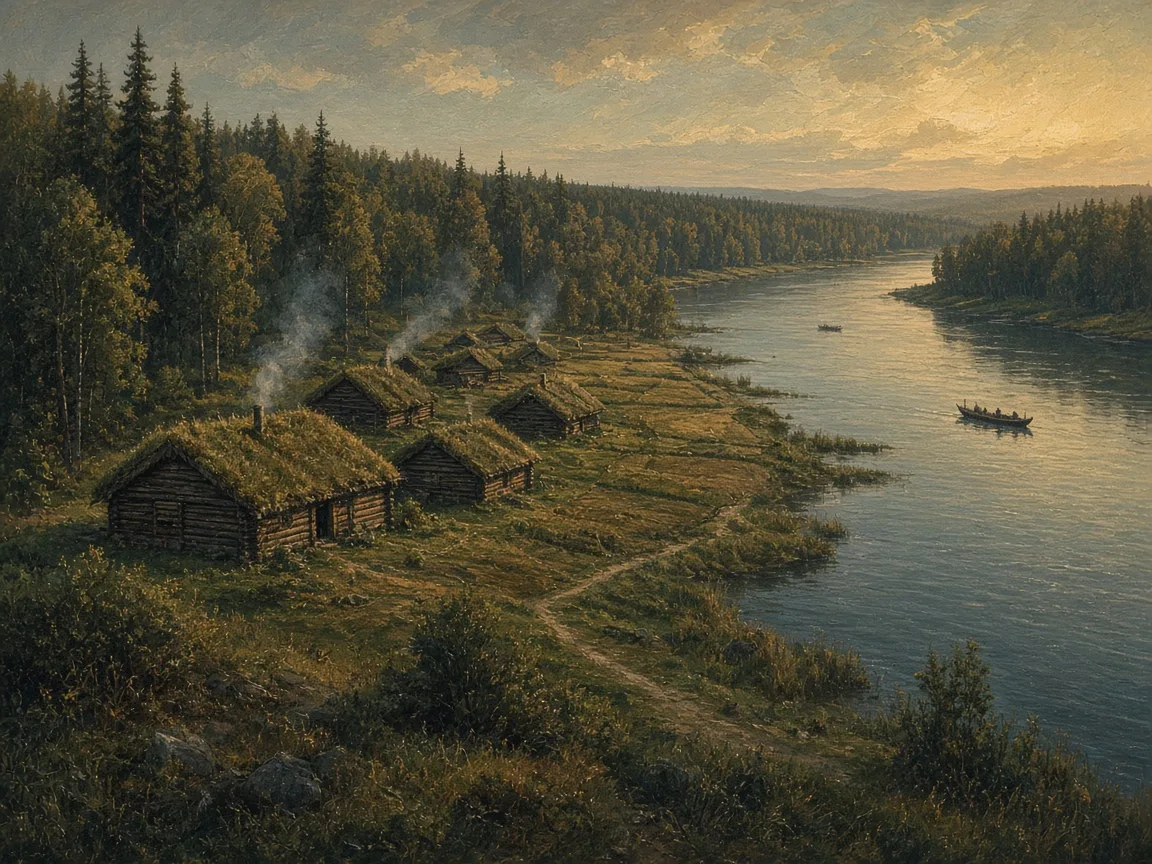
Illustration of Iron Age landscape
Chapter 5

Iron Age

800 BCE to 400 CE

Iron Age Baltic and forest-zone populations.

Explore this period

The Iron Age in Estonia, typically dated between 500 BCE and 1200 CE, is a period marked by significant transformation and development in the region's culture, society, and technology. This era is notable for its integration into broader European trade networks, the evolution of settlement patterns, socio-political structures, as well as advancements in metallurgy and agriculture. The Baltic Finnic tribes, ancestors of modern Estonians, Livonians, and other Finno-Ugric peoples, inhabited this region during the Iron Age.

Cultural and Societal Developments

Settlement Patterns

During the Iron Age, Estonian communities transitioned from loosely organized settlements to more structured villages and hillforts. Hillforts, which were often located on elevated terrain for defensive purposes, became the centers of political and economic life. These forts served as refuges during times of conflict and also acted as hubs for trade and craftsmanship. Notable sites like the Asva Hillfort and the Iru Fort illustrate these developments.

Social Hierarchy

As societies became more complex, a clearer social hierarchy emerged. This was characterized by distinctions between a warrior elite and the general populace, which included farmers, tradespeople, and possibly slaves. Leadership roles were often hereditary, with power concentrated among tribal chiefs or kings. Social status was often displayed through burial practices, with the elite receiving more elaborate funerals, including grave goods such as weapons and jewelry.

Daily Life and Economy

The economy during the Iron Age was primarily agrarian but complemented by hunting, fishing, and gathering. Communities practiced slash-and-burn agriculture, supplementing their diet with domestic animals like cattle, sheep, and pigs. Trade networks expanded significantly during this period, as Estonia became a node in the exchange of goods across the Baltic Sea, connecting with regions such as Scandinavia, the Roman Empire, and even distant parts of the Asian steppes. This trade brought goods like amber, furs, and later, metals, as well as cultural influences from these regions.

Technological and Material Culture

Metallurgy and Craftsmanship

The Iron Age is renowned for advancements in metalworking. Estonia's artisans became adept at creating tools, weapons, and ornaments from iron and bronze, which not only enhanced agricultural and military capabilities but also played a significant role in social and cultural expression. Weapons like swords and spears were increasingly prevalent, as were decorative items like brooches, which often bore intricate designs reflecting Baltic and Finnic motifs.

Pottery and Textiles

Skill in pottery and textiles also advanced significantly. Pottery from this period shows improvements in form and decoration, evolving from simple, functional designs to more intricate and artistically ambitious works. Textiles were produced locally and indicate a high level of skill, with wool being the primary fiber used. Clothing styles varied, with evidence suggesting that both practical and decorative garments were worn, likely indicating social status.

Beliefs and Practices

Religion and Rituals

The Iron Age Estonians practiced a form of animistic and shamanistic religion, with evidence suggesting a belief in spirits and the sacredness of natural features like groves and springs. Rituals often involved offerings to these spirits, possibly including human sacrifices. Burials were both inhumation and cremation, with the choice and the goods accompanying a body likely reflecting the deceased's social status and beliefs about the afterlife.

Art and Symbols

Artistic expression in the Iron Age was closely tied to spiritual and religious life. Symbolic motifs found in metalwork and carvings often depicted animals, celestial symbols, and abstract patterns. These designs not only served decorative purposes but also conveyed spiritual beliefs and social narratives.

Conclusion

Iron Age Estonia, as part of the Baltic Finnic cultural sphere, was a period of dynamic change and development. It was characterized by increasingly sophisticated social structures, technological advancements, and deepening connections within Europe and beyond. These developments laid the groundwork for the subsequent periods of historical significance in the region, influencing the cultural and national identity of modern Estonia.

What your data actually shows

1/100 period similarity
Illustration of Migration Period landscape
Chapter 6

Migration Period

400 CE to 800 CE

Migration Period and early Slavic communities.

What your data actually shows

9/100 period similarity
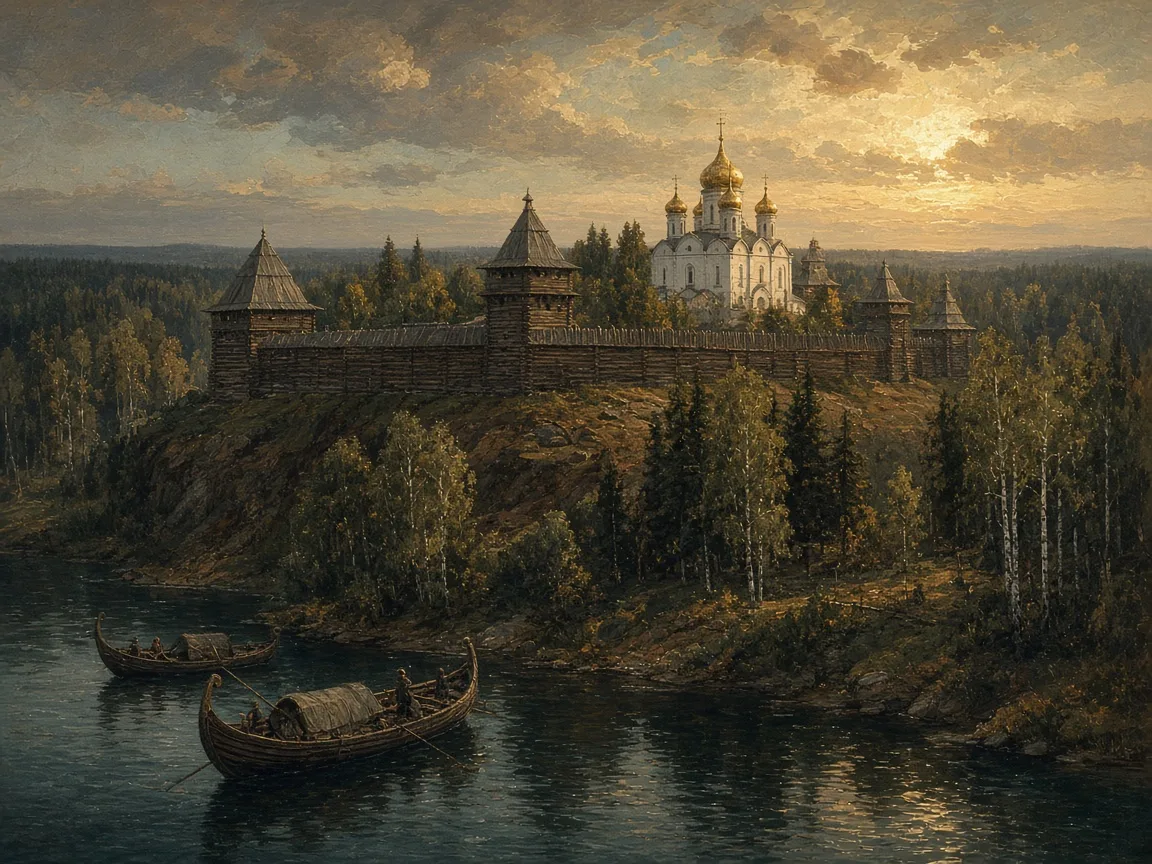
Illustration of Medieval landscape
Chapter 7

Medieval

800 CE to 1,500 CE

Medieval Baltic and Rus communities.

Explore this period

Overview

From the 13th to the mid-16th century, Estonia entered a period of rapid transformation within the Baltic world. Coastal communication and regional conflict shaped settlement patterns, while material culture reflects both local continuity and new religious and political influences.

Region & Environment

Estonia lies on the Baltic rim, with a landscape of coastal zones, river valleys, wetlands, and forested uplands. Access to sea routes and seasonal navigation routes helped integrate local communities into wider Baltic networks. Agricultural settlement in suitable inland areas supported mixed farming, while fishing and other coastal activities remained important where communities lived near the shoreline.

Historical Context

During these centuries, Baltic Sea dynamics intensified. Over time, external pressures and campaigns associated with the Northern Crusades and later regional rivalries reshaped authority and landholding arrangements in parts of Estonia. Christian institutions expanded gradually, while trade and craft exchange connected Estonian regions to ports and markets around the Baltic.

Populations & Lifeways

Estonia’s population comprised local rural communities whose lifeways centered on agriculture, animal husbandry, and the exploitation of local resources. Household and village organization reflected long-standing patterns, but communal practices could shift as new administrative and religious structures developed. Periodic warfare and political change likely affected mobility, provisioning, and the timing or scale of settlement activity in some areas.

Archaeology & Material Culture

Archaeological remains for the medieval era include rural settlement traces, cemeteries, and the material signature of craft and trade. Finds commonly demonstrate a mix of locally produced goods and items likely obtained through Baltic exchange. Evidence for Christian practice may appear in burial customs and associated grave goods, alongside older patterns that persisted in many local contexts.

Culture & Society

Social life combined customary local traditions with growing integration into Christian and administrative frameworks. Craft production and consumption habits reveal connections to regional markets, including the circulation of metalwork and other manufactured items. Over the long run, these interactions contributed to changing identities, literacy, and institutional life, though the pace of change varied by locality.

Legacy & Transition

By the mid-1500s, the medieval order in the region was giving way to new political and economic realities. The medieval period’s legacies remain visible in settlement organization, church influence in many areas, and the archaeological record of networks that continued to shape Estonia’s connection to the Baltic world.

What your data actually shows

7/100 period similarity

What this means

Your results show similarity to reference populations across several periods of Eastern Europe and the Baltic's past, with the strongest similarity in the Copper Age period. This pattern reflects how later populations mixed with and partly replaced earlier ones. It describes statistical similarity between your DNA and ancient reference samples from each period, not a record of your personal ancestors or family tree, and as with all genetic research there is still much we do not know.

Explore the individuals
  • ContinuitySimilarity that persists across periods
  • MigrationLayers added by new arrivals
  • UncertaintyReference panels keep evolving
Use code for 35% off • Expires Oct 12