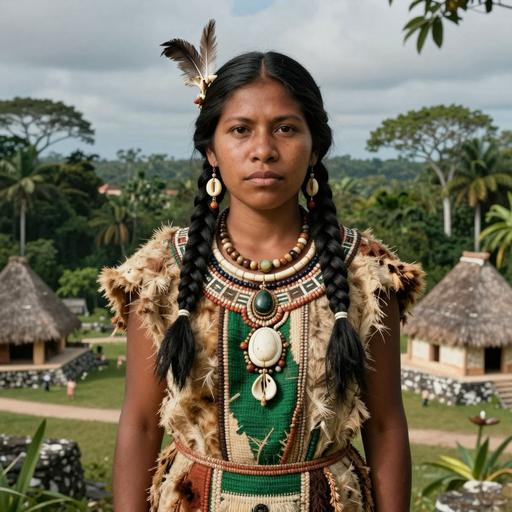
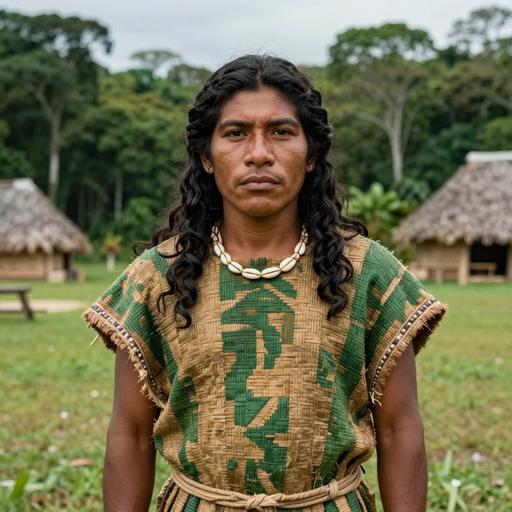
Preparando el informe

Cargando la información y las referencias disponibles

Consultando el registro arqueológico...

Recopilando registros antiguos

Saltar al contenido principal
Belize 4,900 Years Ago
Cultura destacada

Belize 4,900 Years Ago

Early Belizean coastal foragers seen through bones and genomes

3319 CE - 2701 BCE
Belize (Lowland Maya area)
6 Muestras antiguas
Desplázate para empezar
Capítulo I

La historia

Comprender la cultura Belize 4,900 Years Ago

Archaeological and ancient-DNA evidence from Mayahak Cab Pek and Saki Tzul (3319–2701 BCE) reveals small, mobile foraging communities in lowland Belize. Six genomes show diverse maternal lineages; conclusions are preliminary due to limited sample size.

Time Period

3319–2701 BCE

Region

Belize (Lowland Maya area)

Common Y-DNA

Undetermined / insufficient Y-DNA data

Common mtDNA

R, C1c, A2q, C5b, A

Capítulo II

Cronología

Momentos clave de la historia de esta cultura

2500 BCE

Radiocarbon dates cluster in late Archaic span

Human remains from Mayahak Cab Pek and Saki Tzul date between c. 3319–2701 BCE, placing them in a dynamic period of coastal foraging in Belize.

Capítulo III

Origins & Emergence

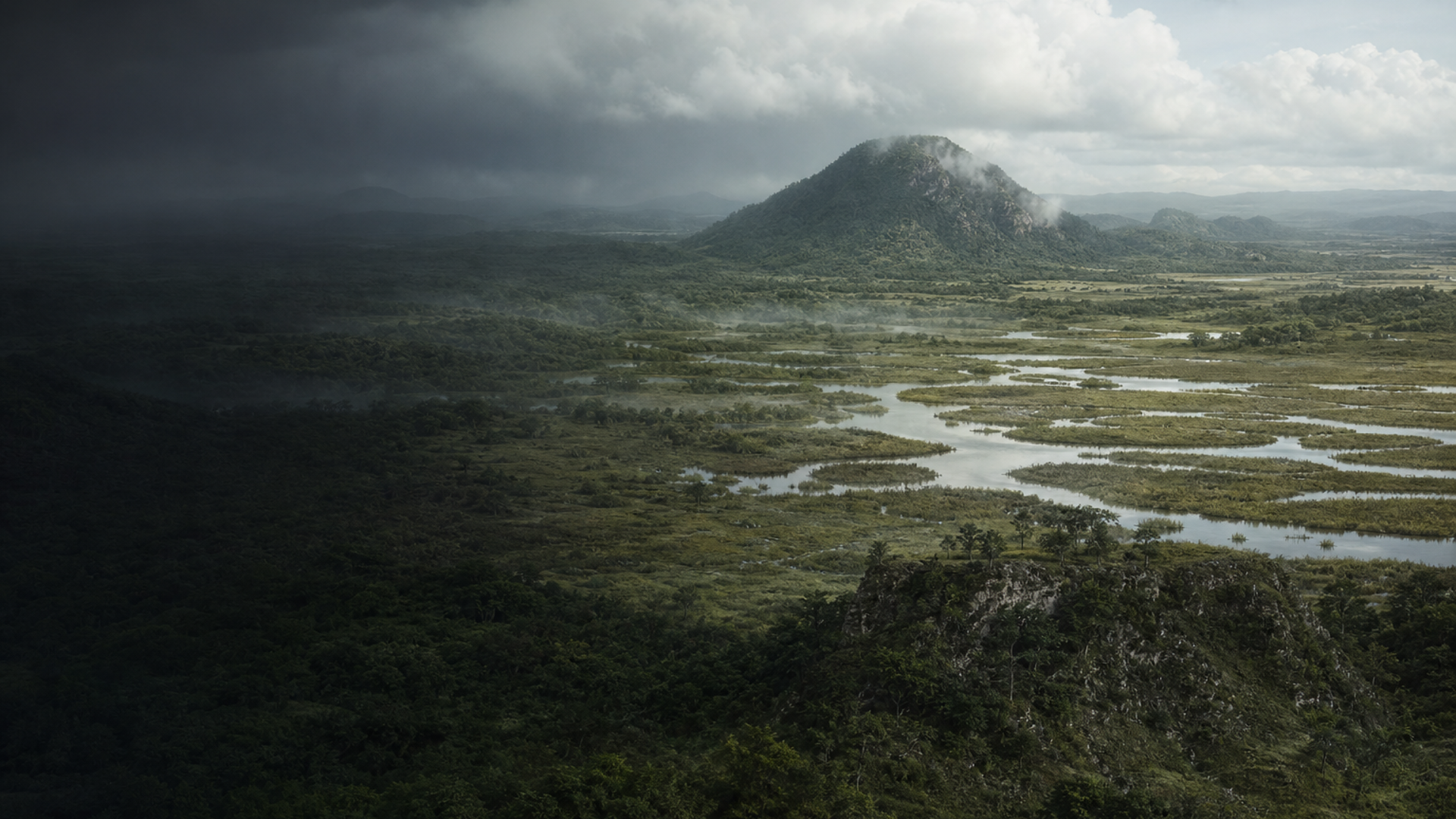
The Belize_4900BP assemblage sits in the late Archaic to early Formative span of lowland Mesoamerica, dated here between 3319 and 2701 BCE. Excavations at Mayahak Cab Pek and Saki Tzul reveal human remains and associated material traces that speak to coastal and riverine lifeways. Archaeological data indicates repeated use of lagoon margins and freshwater corridors for fishing, shellfish gathering, and short-term camps.

Landscape and climate at this time were dynamic: rising coastal productivity and seasonally shifting wetlands created rich resource patches. The people represented by these six samples likely practiced a flexible, mobile subsistence strategy rather than dense sedentism. Limited evidence suggests occasional use of flame-altered rock, simple plant processing and curated stone tools, but preservation is uneven and excavation areas remain small.

Because we are working with only six dated genomes and fragmentary contextual data, models of migration or cultural transmission remain provisional. Archaeological patterns combined with genetic signals hint at deep continuity of Native American lineages in Belize, yet many questions about population structure and interactions with contemporaneous groups across Mesoamerica remain open.

  • Dated 3319–2701 BCE at Mayahak Cab Pek and Saki Tzul
  • Evidence for coastal/riverine foraging and seasonal mobility
  • Conclusions are provisional due to small sample sizes
Capítulo IV

Daily Life & Society

The lives behind the bones were likely shaped by water: estuaries, seasonally flooded savannas, and forest edges provided fish, turtles, mollusks, and edible plants. Archaeological traces from the sites include faunal remains and hearth features consistent with short-term camps and resource-processing loci. Social groups were probably small and fluid; kin networks organized labor and resource sharing across the landscape.

Material culture at these sites is modest—lightweight stone tools, worked shell, and fragmented plant-processing implements—suggesting mobility and selective transport of valued items. Ornamentation and mortuary variability are sparsely preserved, but where present they imply social identities articulated through small personal items rather than monumental architecture.

Seasonal cycles likely structured movement and social gatherings: periods of dispersed foraging punctuated by nodes of exchange at resource-rich locales. Such patterns are consistent with ethnohistoric analogies from later lowland Maya and ethnographic coastal foragers, though direct continuity should be inferred cautiously.

  • Resource use centered on fisheries, shellfish, and riverine plants
  • Small, mobile social groups with flexible seasonal movement
Capítulo V

Genetic Profile

Six ancient mitochondrial genomes recovered from Mayahak Cab Pek and Saki Tzul show a diversity of maternal lineages: A, A2q, C1c, C5b, and an R-lineage. These haplogroups are broadly consistent with Native American maternal diversity: A and C subclades are widely observed across ancient and modern populations in the Americas. The presence of an R-class mtDNA is notable but should be interpreted cautiously: macro-haplogroup R includes many sublineages and the designation here may reflect a basal or poorly resolved branch rather than direct links to Old World R clades.

No robust Y-chromosome signal is reported for this dataset or available Y-DNA was insufficient for population-level inference. With only six samples (<10), population genetic inferences are necessarily tentative. Preliminary analyses suggest genetic continuity with other early Mesoamerican and Isthmo-Colombian groups in broad strokes, but fine-scale structure (local subgroups, kinship patterns, sex-biased mobility) cannot be confidently reconstructed.

Future sampling—both more individuals and targeted nuclear DNA—would clarify ancestry proportions, relatedness among buried individuals, and connections to later Maya populations. For now, the genomes anchor these sites within the long-standing Indigenous genetic landscape of Central America while underscoring the need for larger, carefully contextualized datasets.

  • mtDNA lineages: A, A2q, C1c, C5b, and R (diverse maternal ancestry)
  • No or insufficient Y-DNA data; small sample size limits conclusions
Capítulo VI

Legacy & Modern Connections

The genetic and archaeological echoes from Belize_4900BP form a quiet but powerful thread to the present. Maternal lineages observed here are part of haplogroup families that persist throughout the Americas, linking ancient coastal foragers to later Mesoamerican populations. Archaeological continuity in resource-use strategies—riverine and coastal exploitation, seasonal mobility—also resonates with later ethnographic records in the region.
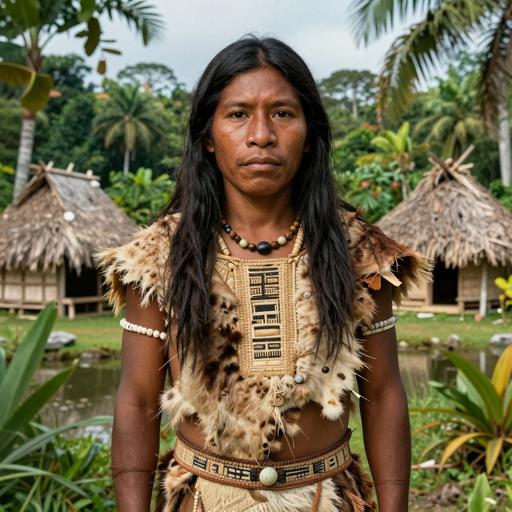

However, direct cultural or biological descent between these early individuals and historic Maya communities cannot be asserted from this small dataset alone. Instead, these finds emphasize long-term human presence, adaptability, and the deep-time roots of Indigenous diversity in Belize. They also highlight the importance of collaborative, community-led research and expanded genomic sampling to responsibly illuminate ancestral connections.

  • Maternal lineages contribute to the deep Indigenous genetic landscape of Mesoamerica
  • Direct links to later Maya cultures are plausible but unproven with current data
Capítulo VII

Catálogo de muestras

6 muestras de ADN antiguo asociadas con la cultura Belize 4,900 Years Ago que aportan datos de referencia sobre las poblaciones de este periodo.

6 / 6 muestras
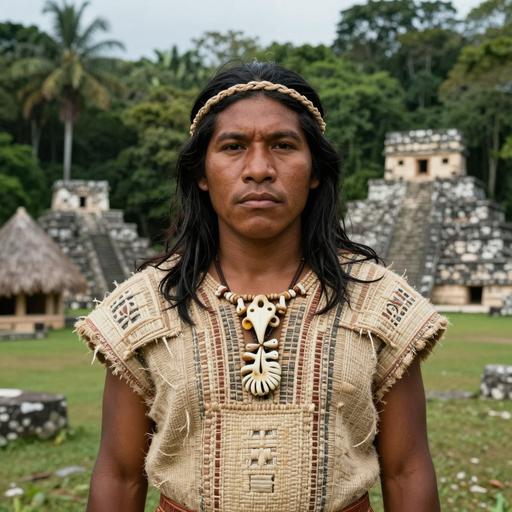
Retrato Muestra País Época Fecha Cultura Sexo ADN-Y ADNmt
Retrato reconstruido de Maya Civilization individual, Belize
Maya Civilization individual, Belize
Belize Belize_4900BP 3312 BCE Maya Civilization M - A2af1b
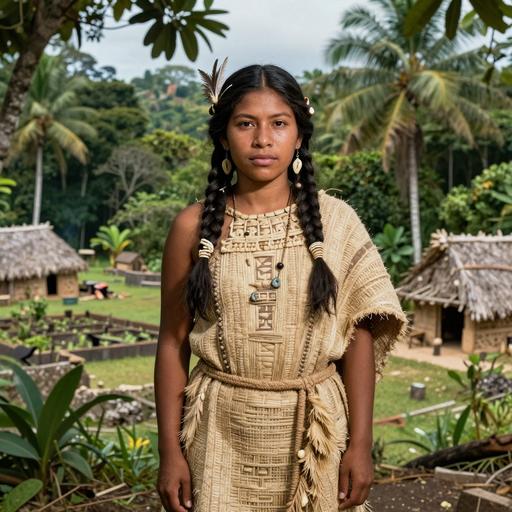
Retrato reconstruido de Archaic Maya individual, Belize
Archaic Maya individual, Belize
Belize Belize_4900BP 2894-2701 calBCE (4210±20 BP, UCIAMS-228020) Maya Civilization F - C5b
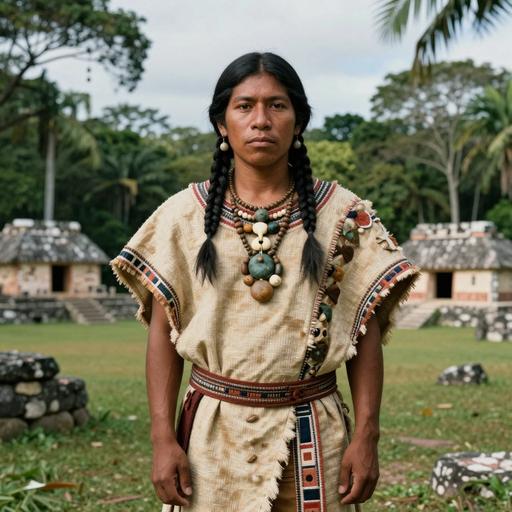
Retrato reconstruido de Archaic Maya individual, Belize
Archaic Maya individual, Belize
Belize Belize_4900BP 3319-2931 calBCE (4430±20 BP, PSUAMS-2333) Maya Civilization M Q-M3 A2q
Retrato reconstruido de Archaic Maya individual, Belize
Archaic Maya individual, Belize
Belize Belize_4900BP 3091-2918 calBCE (4390±20 BP, PSUAMS-5896) Maya Civilization F - C1c
Retrato reconstruido de Archaic Maya individual, Belize
Archaic Maya individual, Belize
Belize Belize_4900BP 3011-2897 calBCE (4330±20 BP, PSUAMS-4582) Maya Civilization M A-Y23655 R
Retrato reconstruido de Archaic Maya individual, Belize
Archaic Maya individual, Belize
Belize Belize_4900BP 3011-2881 calBCE (4300±30 BP, PSUAMS-5897) Maya Civilization M Q-L53 C1c
Con IA

Asistente de IA

Haz preguntas sobre la cultura Belize 4,900 Years Ago

Asistente de IA por DNAGENICS

Desbloquear esta función
Pregunta sobre la cultura Belize 4,900 Years Ago. El asistente con IA puede explicar hallazgos genéticos, contexto histórico, pruebas arqueológicas y conexiones modernas, con sus límites de interpretación.
Ejemplo de análisis con IA

La cultura Belize 4,900 Years Ago representa un capítulo de la historia humana...

El análisis genético permite estudiar similitudes con poblaciones anteriores y posibles adaptaciones. Las muestras de ADN antiguo aportan información para investigar patrones migratorios y relaciones entre poblaciones, con límites que dependen del estudio y del contexto arqueológico.

Esta es una vista previa del análisis con IA. Accede al asistente completo para explorar información sobre:

  • Composición y similitud genética
  • Patrones migratorios y orígenes
  • Vida cotidiana y prácticas culturales
  • Contexto genético moderno

Explora más culturas antiguas

Descubre la historia de civilizaciones de distintas partes del mundo antiguo