Preparando el informe

Cargando la información y las referencias disponibles

Consultando el registro arqueológico...

Recopilando registros antiguos

Saltar al contenido principal
Chaganguole Bronze Age Horizon
Cultura destacada

Chaganguole Bronze Age Horizon

Chemurcheck-era communities at the edge of the Aletai — bones and genes telling a combined story

2571 CE - 1977 BCE
Xinjiang (Aletai Region), Qinghe County, China
Desplázate para empezar
Capítulo I

La historia

Comprender la cultura Chaganguole Bronze Age Horizon

Archaeogenetic and archaeological data from ten Bronze Age individuals (2571–1977 BCE) at Chaganguole, Xinjiang, reveal a small, mixed community linking steppe and northern Asian lineages. Preliminary DNA shows Steppe-associated Y haplogroups and diverse maternal lineages.

Time Period

2571–1977 BCE

Region

Xinjiang (Aletai Region), Qinghe County, China

Common Y-DNA

R (3), Q1b (1)

Common mtDNA

D (2), U (2), A12, C, T

Capítulo II

Cronología

Momentos clave de la historia de esta cultura

2500 BCE

Chemurcheck occupation at Chaganguole

Archaeological contexts and radiocarbon-aligned dates place human activity and burials at Chaganguole within the mid-3rd millennium BCE Chemurcheck horizon.

Capítulo III

Origins & Emergence

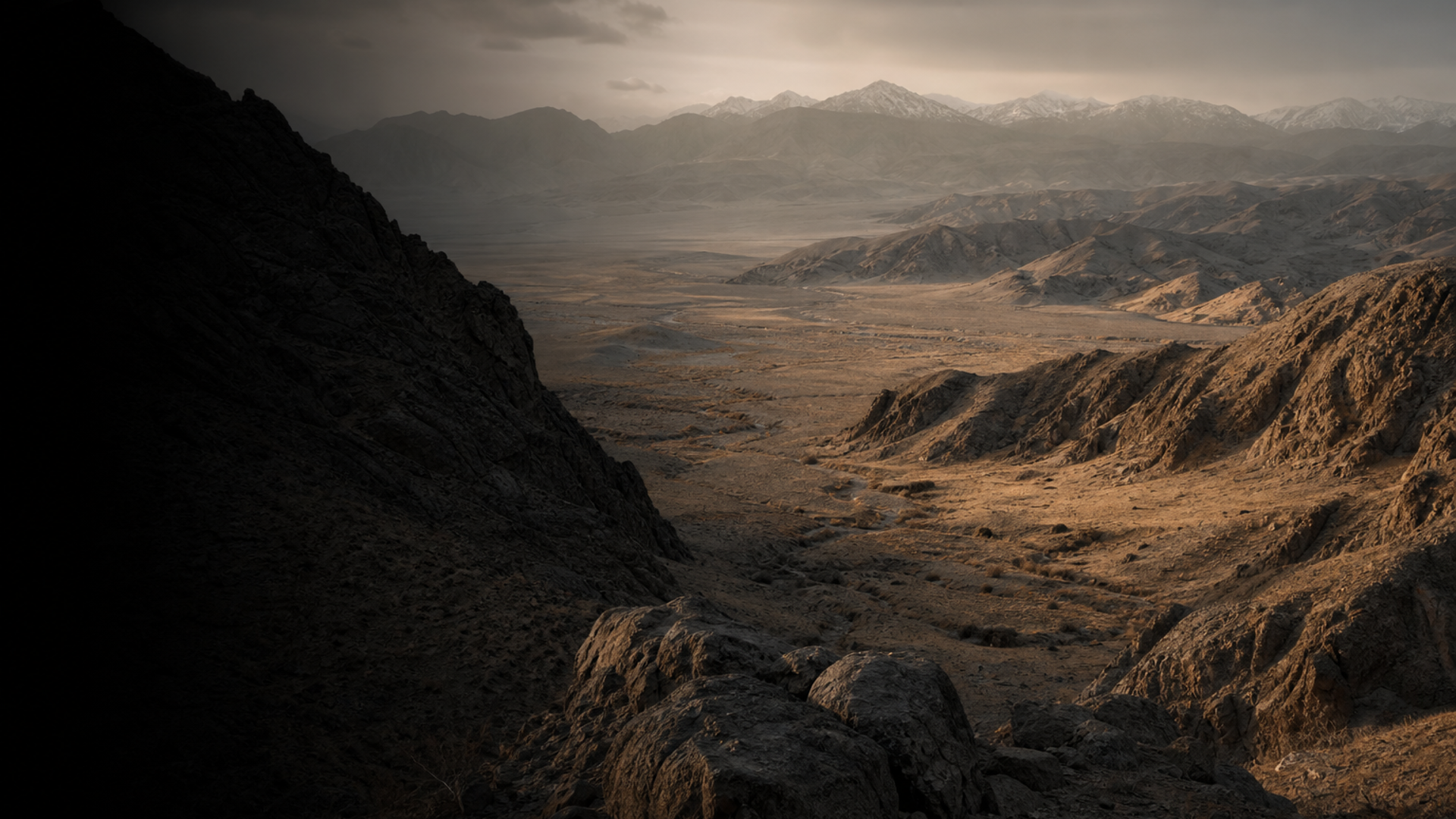
In the wind-cut steppes and foothills of northern Xinjiang, the Chaganguole (Chagangole) site sits as a quiet archive of Bronze Age movement. Archaeological data indicates occupation within the Chemurcheck cultural horizon between roughly 2571 and 1977 BCE. Excavations and surveys in Qinghe County, Aletai Region, have recovered burial contexts and material traces—pottery forms, metal fragments and burial assemblages—that align with broader Chemurcheck patterns across northern Xinjiang.

The picture that emerges is of a frontier landscape where mobile pastoralists and local northern Asian groups intersected. Material culture suggests links with contemporaneous steppe networks to the northwest while also reflecting local adaptations to the high plain climate. Limited preservation and the modest number of excavated contexts mean chronology and cultural attributions retain uncertainty; stratigraphic mixing and reuse of burial places complicate neat narratives.

Viewed across centuries, Chaganguole appears as a node in Bronze Age exchange: a place of seasonal herding, trade corridors, and funerary expression. Archaeology provides the stage — bones, grave goods and debris — on which genetic data now begin to read migrations and kinship patterns.

  • Located at Chaganguole, Qinghe County, Aletai Region, Xinjiang
  • Dates span roughly 2571–1977 BCE within the Chemurcheck Bronze Age
  • Material culture suggests links to steppe networks and northern Asian traditions
Capítulo IV

Daily Life & Society

Daily life at Chaganguole would have been shaped by latitude and mobility: cold winters, short growing seasons, and expansive pastures. Archaeological data indicates pastoral herding as a central economic strategy, with faunal remains and wear patterns on tools pointing to sheep, goat, and possibly horse exploitation. Ceramics and small metal objects recovered from burial contexts and habitation pits reflect both utilitarian needs and social display.

Social organization likely combined kin-based households with wider seasonal aggregations. Graves show variable goods and orientations, suggesting differences in status, age or role. Portable wealth — pins, metal fragments — hints at personal adornment and exchange. The presence of metalworking debris, though sparse, is consistent with Bronze Age technological adoption across the Chemurcheck horizon.

Mobility left its mark on everyday life: temporary shelters, cairn clustering, and ephemeral hearths speak to a community attuned to pasture cycles. However, caution is warranted: preservation biases and limited excavation mean many aspects of diet, craft specialization and social hierarchy remain unresolved. Future targeted digs and isotope studies would clarify seasonal movements and resource use.

  • Pastoral economy with evidence for sheep/goat and possible horse use
  • Burial variability suggests social differentiation and exchange networks
Capítulo V

Genetic Profile

Ten ancient individuals from Chaganguole provide a first, still-limited genetic window into Chemurcheck populations. On the paternal side, three samples carry haplogroup R, and one carries Q1b. Haplogroup R is commonly associated with Steppe-related male lineages that spread across Eurasia during the Bronze Age; its presence here signals male-mediated connections to the western steppe or descendant networks. Q1b, observed in one individual, is more frequently encountered in northern and Siberian contexts and may reflect local or northward links.

Mitochondrial lineages are diverse: D (2), U (2), A12 (1), C (1), and T (1). This mix reflects both East Asian-associated maternal lineages (D, A12, C) and western Eurasian-affiliated types (U, T). The pattern suggests a community formed at an interface of eastern and western maternal ancestries — consistent with an admixture of local northern Asian and incoming steppe-related groups.

These genetic signals must be interpreted cautiously. Ten individuals are a modest sample: while they reveal heterogeneity and clear east–west admixture tendencies, the small count limits robust demographic modeling. Isotope and aDNA comparisons to nearby Chemurcheck and steppe series will better resolve timing and sex-biased migration patterns. Current evidence supports a narrative of interaction and mixture rather than wholesale population replacement.

  • Paternal lineages include R (3) — steppe-associated signal — and Q1b (1)
  • Maternal lineages (D, U, A12, C, T) show mixed East–West ancestry inputs
Capítulo VI

Legacy & Modern Connections

Chaganguole stands as a locus where archaeology and genetics together illuminate long-distance connections across Bronze Age Eurasia. The genetic mosaic—Steppe-linked Y lineages alongside diverse northern Asian maternal haplogroups—mirrors a landscape of movement, marriage ties and cultural exchange. Such patterns anticipate later ethnic and linguistic mosaics across Xinjiang and the broader Inner Asian corridor.

Modern populations of Xinjiang are shaped by many subsequent waves of migration; direct ancestry links from Chaganguole to specific modern groups cannot be asserted from ten samples alone. Nevertheless, the site contributes to a regional story: Bronze Age mobility set the demographic groundwork that later cultures built upon. Ongoing sampling, ancient DNA comparisons, and isotopic studies will sharpen connections between these early Chemurcheck inhabitants and later populations of Central and East Asia.

  • Genetic diversity at Chaganguole prefigures later multi-ethnic landscapes in Xinjiang
  • Current links to modern populations remain tentative; more samples needed
Con IA

Asistente de IA

Haz preguntas sobre la cultura Chaganguole Bronze Age Horizon

Asistente de IA por DNAGENICS

Desbloquear esta función
Pregunta sobre la cultura Chaganguole Bronze Age Horizon. El asistente con IA puede explicar hallazgos genéticos, contexto histórico, pruebas arqueológicas y conexiones modernas, con sus límites de interpretación.
Ejemplo de análisis con IA

La cultura Chaganguole Bronze Age Horizon representa un capítulo de la historia humana...

El análisis genético permite estudiar similitudes con poblaciones anteriores y posibles adaptaciones. Las muestras de ADN antiguo aportan información para investigar patrones migratorios y relaciones entre poblaciones, con límites que dependen del estudio y del contexto arqueológico.

Esta es una vista previa del análisis con IA. Accede al asistente completo para explorar información sobre:

  • Composición y similitud genética
  • Patrones migratorios y orígenes
  • Vida cotidiana y prácticas culturales
  • Contexto genético moderno

Explora más culturas antiguas

Descubre la historia de civilizaciones de distintas partes del mundo antiguo