Preparando el informe

Cargando la información y las referencias disponibles

Consultando el registro arqueológico...

Recopilando registros antiguos

Saltar al contenido principal
Çinamak: Albania Early Bronze Age
Cultura destacada

Çinamak: Albania Early Bronze Age

A single ancient genome from northeastern Albania opens a cautious window onto 2663–2472 BCE lifeways.

2663 CE - 2472 BCE
Northeastern Albania (Kukës District)
1 Muestras antiguas
Desplázate para empezar
Capítulo I

La historia

Comprender la cultura Çinamak: Albania Early Bronze Age

Archaeological and genetic evidence from a single Early Bronze Age individual at Çinamak (Kukës District, Albania) provides preliminary insight into regional population history around 2700–2470 BCE. Limited sample size makes conclusions tentative; archaeological context guides interpretation.

Time Period

2663–2472 BCE (Early Bronze Age)

Region

Northeastern Albania (Kukës District)

Common Y-DNA

Unknown (no Y data / single sample)

Common mtDNA

H (1)

Capítulo II

Cronología

Momentos clave de la historia de esta cultura

2500 BCE

Çinamak burial dated

A burial from Çinamak is radiocarbon-dated to 2663–2472 BCE and yielded one mitochondrial genome, providing limited genetic insight into Early Bronze Age Albania.

Capítulo III

Origins & Emergence

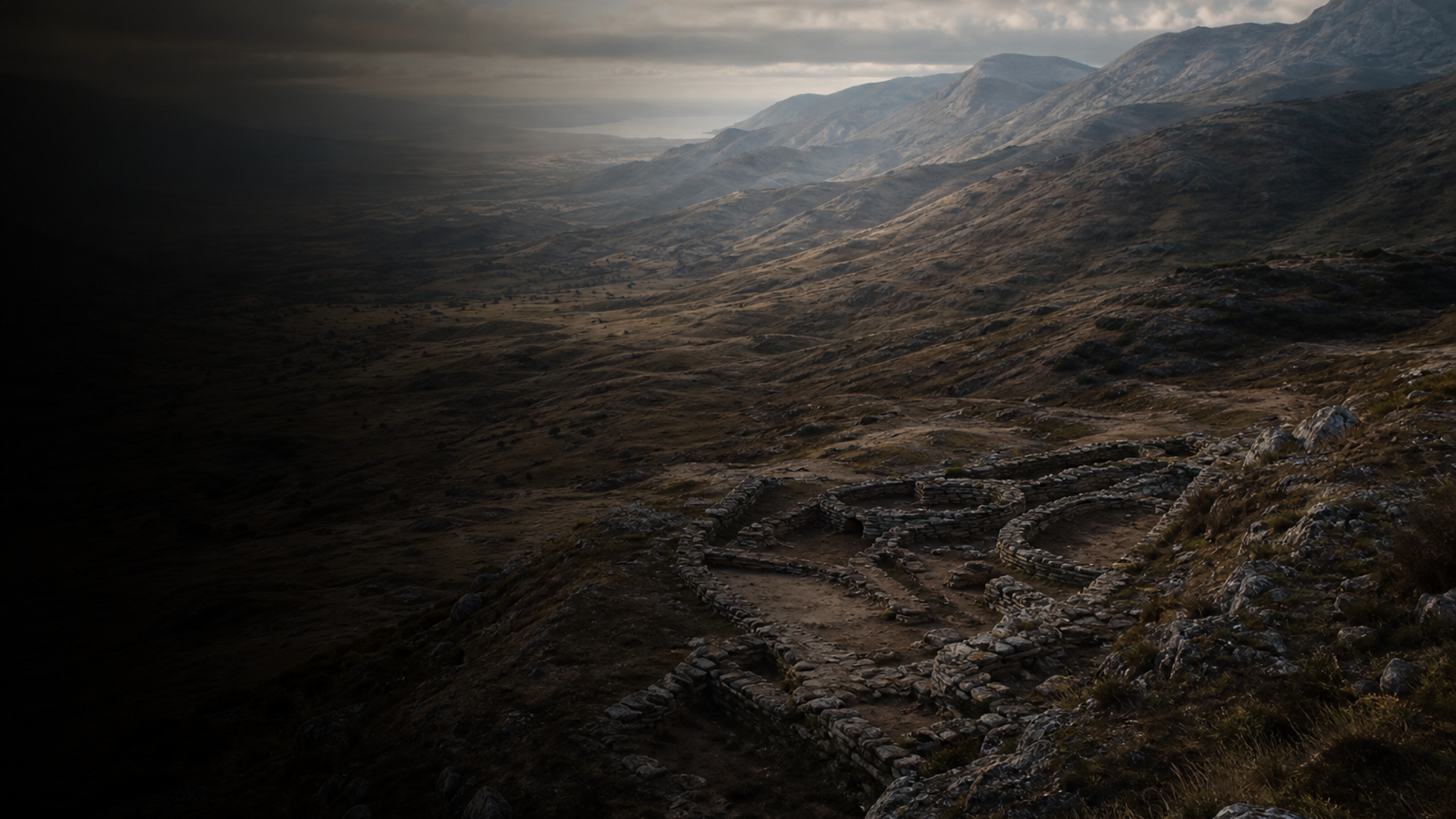
Rising from the folded mountains and river valleys of northeastern Albania, the Early Bronze Age at Çinamak sits at a crossroads of Balkan trajectories. Archaeological data indicates occupation and burial activity across the wider Kukës District in the third millennium BCE, a period of changing settlement patterns and material cultures across the western Balkans. The Çinamak individual dates to 2663–2472 BCE, placing them within broader regional transformations after the Neolithic and Chalcolithic.

Limited evidence from this single burial makes broad claims about migration or cultural replacement impossible. However, the funerary context and chronology align Çinamak with contemporaneous Early Bronze Age assemblages found elsewhere in Albania and adjacent regions, where shifts in metal use, burial practices, and interregional exchange become visible in the archaeological record. Some patterns seen across the Balkans at this time — greater mobility, reconfigured trade routes, and evolving social hierarchies — may also have touched Çinamak, but direct connections require more samples and stratified excavation data.

In short: archaeological context places Çinamak within the Early Bronze Age transformations of the western Balkans, but the story remains fragmentary until more genomic and material data are recovered.

  • Çinamak individual dated 2663–2472 BCE, Early Bronze Age Albania
  • Site lies in Kukës District, a contact zone in the western Balkans
  • Broader regional changes visible, but specific local dynamics remain tentative
Capítulo IV

Daily Life & Society

Archaeological traces from Early Bronze Age Albania suggest communities organized around mixed farming, herding, and localized craft production. In the dramatic landscapes of the Kukës District, seasonal pasturing and cultivation of cereals likely structured household economies; stone-built terraces, storage pits, and ceramics at nearby sites reflect practical adaptation to upland life. Burial practices from the era show variation in treatment of the dead — crouched interments, isolated graves, and occasional grave goods — indicating social differentiation, ritual behaviors, and connections to wider exchange networks.

From the vantage of a single Çinamak individual, we must imagine daily life in cinematic, but cautious, strokes: a life shaped by steep valleys and fast rivers, by the rhythm of seasons and movement of flocks. Craft specialists — potters, metalworkers, shepherds — may have moved between valley and upland, carrying goods and ideas. Trade in metal and raw materials across the Balkans and Adriatic would have introduced new objects and possibly social practices, but the specifics for Çinamak remain archaeological hypotheses until further excavations and comparative analyses provide clearer context.

  • Mixed farming and herding likely structured local economy
  • Burial variability hints at social differentiation and regional ties
Capítulo V

Genetic Profile

Genetic data from Çinamak is extremely limited: one individual with mitochondrial haplogroup H was reported. MtDNA H is widespread across Europe from the Neolithic onward and persists in modern populations, so its presence here is consistent with broad European maternal lineages but not diagnostic of specific migrations or cultural identities. No Y-chromosome data are available for this sample, and only one genome means any population-level inference would be premature.

Archaeogenetic studies in the Balkans show complex mixtures through the third millennium BCE, including remnants of Neolithic farmer ancestry and incoming influences seen elsewhere in Europe. However, without genome-wide data or additional individuals from Çinamak and neighboring sites, it is impossible to estimate proportions of ancestry components (for example, steppe-related, Neolithic farmer, or local hunter-gatherer signals) for this person. The correct, cautious framing is: the Çinamak mtDNA H aligns with known European maternal lineages, but it does not by itself reveal migration histories, social structure, or the full genetic landscape of Early Bronze Age Albania. Additional samples (especially male lineages and genome-wide data) are needed to move from evocative possibility to robust population history.

  • Single sample: mtDNA H — widespread in Europe, limited specificity
  • No Y-DNA / genome-wide data available; population conclusions are preliminary
Capítulo VI

Legacy & Modern Connections

The Cināmak individual offers a fragile, cinematic bridge between ancient and modern Albania. MtDNA H connects the burial to a maternal lineage that remains common in Europe today, hinting at long threads of continuity in maternal heritage while also reflecting millennia of demographic change. Archaeologically, Çinamak sits within the Early Bronze Age transformations that shaped later Balkan societies — changes in mobility, metallurgy, and social organization that would echo into the Iron Age and beyond.

Yet the legacy must be described with restraint. With a single genetic sample, we cannot claim direct ancestry lines to present-day Albanian populations or reconstruct detailed population movements. Instead, Çinamak's value lies in its potential: each additional well-dated genome from Kukës District and neighboring regions will sharpen the picture, turning isolated glimpses into a richer tapestry of continuity, contact, and change across the western Balkans.


  • MtDNA H suggests continuity of common European maternal lineages
  • More samples needed to trace direct links to modern Albanian populations
Capítulo VII

Catálogo de muestras

1 muestras de ADN antiguo asociadas con la cultura Çinamak: Albania Early Bronze Age que aportan datos de referencia sobre las poblaciones de este periodo.

1 / 1 muestras
Retrato Muestra País Época Fecha Cultura Sexo ADN-Y ADNmt
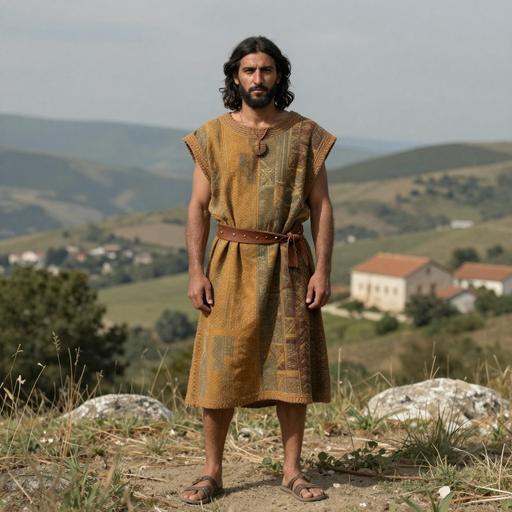
Retrato reconstruido de Cinamak EBA individual, Albania
Cinamak EBA individual, Albania
Albania Albania_EBA 2663-2472 calBCE (4045±25 BP, PSUAMS-7926) Balkan Bronze Age M R-M269 H102
Con IA

Asistente de IA

Haz preguntas sobre la cultura Çinamak: Albania Early Bronze Age

Asistente de IA por DNAGENICS

Desbloquear esta función
Pregunta sobre la cultura Çinamak: Albania Early Bronze Age. El asistente con IA puede explicar hallazgos genéticos, contexto histórico, pruebas arqueológicas y conexiones modernas, con sus límites de interpretación.
Ejemplo de análisis con IA

La cultura Çinamak: Albania Early Bronze Age representa un capítulo de la historia humana...

El análisis genético permite estudiar similitudes con poblaciones anteriores y posibles adaptaciones. Las muestras de ADN antiguo aportan información para investigar patrones migratorios y relaciones entre poblaciones, con límites que dependen del estudio y del contexto arqueológico.

Esta es una vista previa del análisis con IA. Accede al asistente completo para explorar información sobre:

  • Composición y similitud genética
  • Patrones migratorios y orígenes
  • Vida cotidiana y prácticas culturales
  • Contexto genético moderno

Explora más culturas antiguas

Descubre la historia de civilizaciones de distintas partes del mundo antiguo