Saltar al contenido principal
Cultura destacada

Echoes of the Steppe: Proto‑Indo‑European

Archaeogenetic portrait linking Ukraine Neolithic steppe sites to Bronze Age expansions across Europe

6500 CE - 800 BCE
Eurasian steppe & Europe (Russia, Ukraine, Scandinavia, Central Europe)
6 Muestras antiguas

La historia

A synthesis of archaeology and DNA from 318 samples (c. 6500–800 BCE) tracing steppe-origin communities in Ukraine and Russia and their genetic echoes in Scandinavia and Central Europe. Archaeological sites and Y/mtDNA patterns illuminate migrations and cultural fusion.

Time Period

c. 6500–800 BCE (sample span)

Region

Eurasian steppe & Europe (Russia, Ukraine, Scandinavia, Central Europe)

Common Y-DNA

R, I, Q, J, G (R most frequent)

Common mtDNA

U, H, T, D4, K (U most frequent)

Ubicaciones de las muestras

El mapa interactivo no está disponible. Consulta el catálogo de muestras para ver los lugares registrados.

Cronología

2500 BCE

Widespread Steppe Influence

Expansion of steppe‑derived cultural and genetic signatures into Central and Northern Europe, connected archaeologically to Yamnaya/Corded Ware horizons and visible in burial practices and material culture.

Origins & Emergence

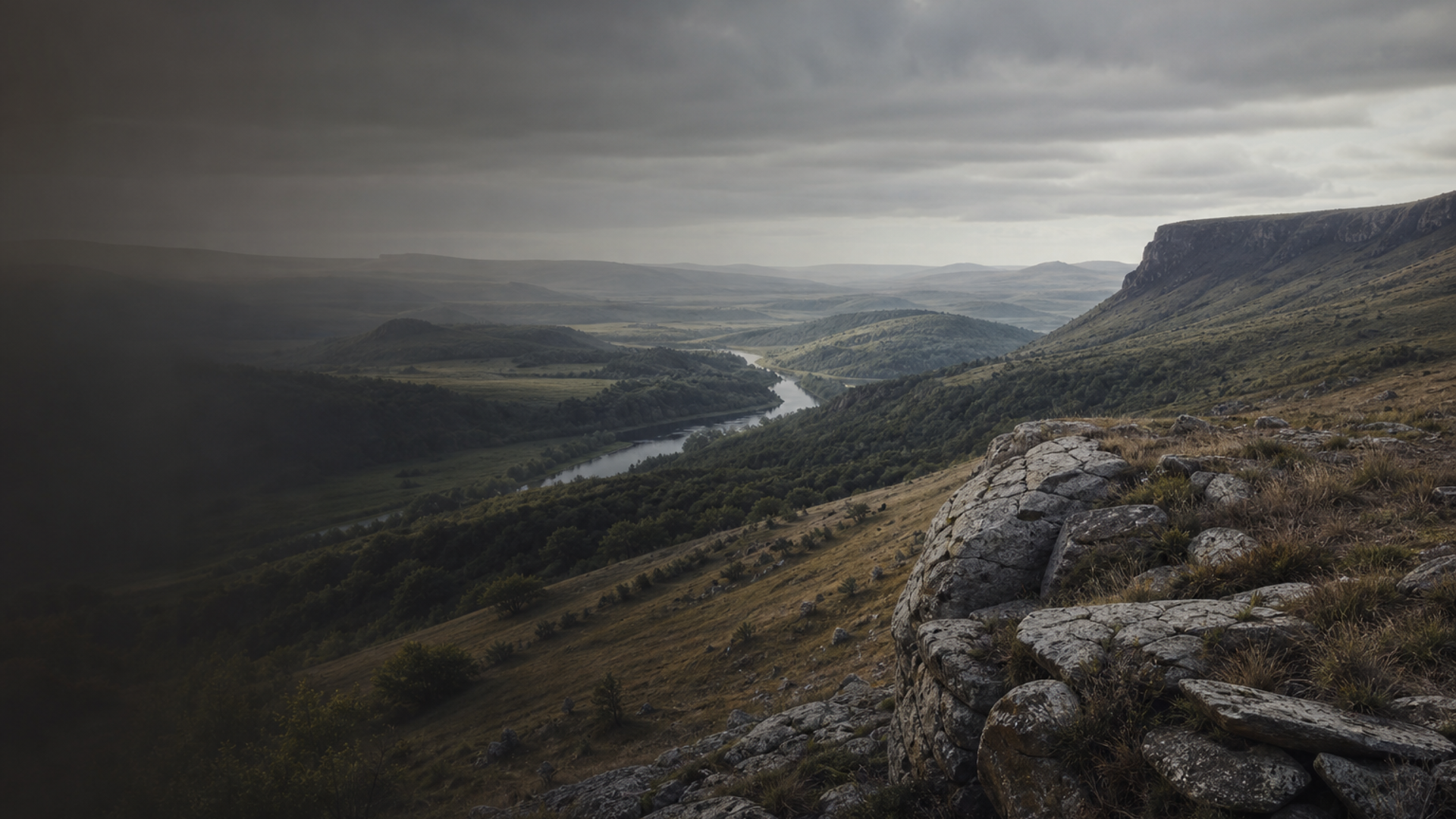
The archaeological and genetic record sketches a vast, mobile horizon that begins in the forest‑steppe and river valleys of present‑day Ukraine and southern Russia. Key Neolithic and Eneolithic sites such as Khvalynsk II (Samara Oblast), Lokomotiv, and Devil's Gate Cave (Primorsky Krai) anchor a long chronology from c. 6500 BCE into the first millennium BCE. Material culture — burial mounds in the Volga and Dnieper basins, grave assemblages of the Khvalynsk and Yamnaya phases, and later Corded Ware and Fatyanovo burials — shows continuity of pastoral economies, ritualized funerary practice and increasing mobility.

Archaeological data indicates cultural interactions across wide distances: burial rites and weaponry motifs appear on the steppe and re‑emerge in Central and Northern Europe (sites in Poland, Sweden's Bergsgraven and Gökh em/Väster Götland). This landscape of exchange sets the stage for demographic shifts in the 4th–3rd millennia BCE. Limited evidence from some peripheral sites means local trajectories are still being refined, but the combined archaeological and genomic corpus points to a steppe‑rooted cultural horizon that contributed to the formation of later Bronze Age societies.

  • Key early sites: Khvalynsk II, Lokomotiv, Devil's Gate Cave, Ust'-Ida, Kurma XI
  • Material markers: kurgan burials, pastoral economy, shared grave rites
  • Cultural transmission across Russia, Ukraine, Baltic and Central Europe

Daily Life & Society

Archaeology paints a cinematic picture of steppe life: seasonal movement of herds, long horizons of trade in stone and metal, and funerary landscapes that commemorate lineage and mobility. In the Volga and Don basins, habitation traces (hearths, pits, domestic ceramics) coexist with high‑status burials on low mounds where weapons, ornaments and animal offerings appear. Sites in northern reaches — such as Bergsgraven and Gökh em in Sweden — show how mobile pastoral and wagon traditions blended with local farming economies when steppe‑associated groups encountered Neolithic communities.

Craftspeople worked bone, copper and, later, bronze; wagons and axle remains at some Eneolithic and Early Bronze Age sites suggest increased transport capacity. Socially, the archaeological record indicates hierarchical burial practices and the emergence of warrior and pastoral elite identities. That said, local variation is substantial: coastal, forest and steppe communities adapted shared technologies and cosmologies to their environments, producing a patchwork of lifeways rather than a single uniform society.

  • Economy: mixed pastoralism with seasonal mobility and local farming interactions
  • Social markers: differentiated burials, grave goods, and emerging elite roles

Genetic Profile

The dataset of 318 individuals yields robust patterns: Y‑chromosome lineages assigned broadly to haplogroup R are the most frequent (75 counts), followed by I (51), Q (12), J (7) and G (5). Maternal lineages are dominated by mtDNA U (116), with notable representation of H (24), T (16), D4 (15) and K (9). These distributions reflect a mix of deep Paleolithic/Neolithic maternal lineages (mtDNA U and H) with steppe‑associated paternal expansions.

Autosomal analyses (summary here without specific lab citations) are consistent with a substantial Steppe‑related ancestry component that appears in Eneolithic Khvalynsk and amplifies during Yamnaya and subsequent Corded Ware horizons. Genetic affinities link samples from Samara and the Pontic‑Caspian steppe to later populations in Poland, Sweden and parts of Central Europe, mirroring archaeological connections. Because sampling is geographically uneven, some regional patterns require caution: while 318 samples allow confident identification of broad trends, localized dynamics (for example in the Baltics or far‑eastern Russian sites) remain preliminary and benefit from additional sampling.

Overall, the genetic picture supports a model of sustained gene flow from steppe pastoralists into neighboring farming populations, shaping the ancestry of many Bronze Age and later European groups.

  • Y profile dominated by haplogroup R; mtDNA dominated by U
  • Autosomal signals indicate substantial steppe‑related ancestry spreading into Europe

Legacy & Modern Connections

The archaeological and genetic threads woven across millennia underpin major later cultural and linguistic developments. The demographic shifts inferred from these datasets align with hypotheses that steppe populations contributed substantially to the ancestry of Bronze Age Europeans and to the spread of cultural traditions later linked to Indo‑European languages. However, genetic continuity is not a direct map to language: linguistic, archaeological and genetic lines of evidence must be integrated carefully.
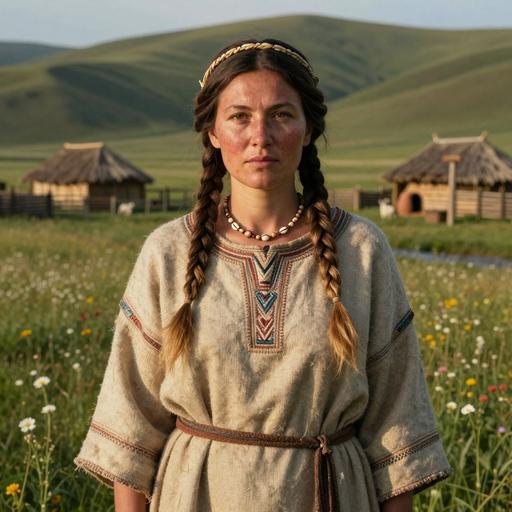

Modern populations across Eastern and Northern Europe carry genetic echoes of these steppe horizons, especially in paternal lineages and autosomal components. Limited evidence in some regions means claims about direct linguistic ancestry remain cautious; nonetheless, the combined material and genomic record shows how mobile pastoralists shaped the demographic and cultural landscape of prehistoric Europe.

  • Genetic input from steppe pastoralists contributed to Bronze Age European ancestries
  • Cultural and linguistic implications are supported but require interdisciplinary caution

Catálogo de muestras

6 / 6 muestras
Retrato Muestra País Época Fecha Cultura Sexo ADN-Y ADNmt
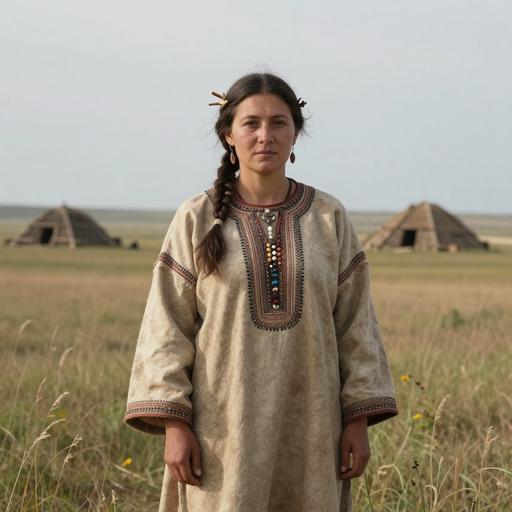
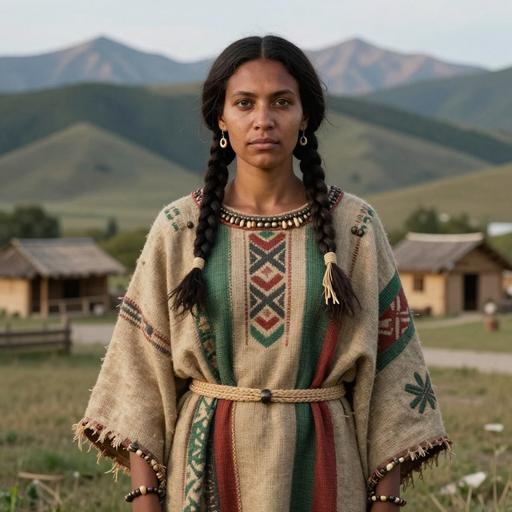
Retrato reconstruido de Proto-Indo-European individual, Russia
Russia Russia_LateMaikop 3332 BCE Proto-Indo-European F - U4c1
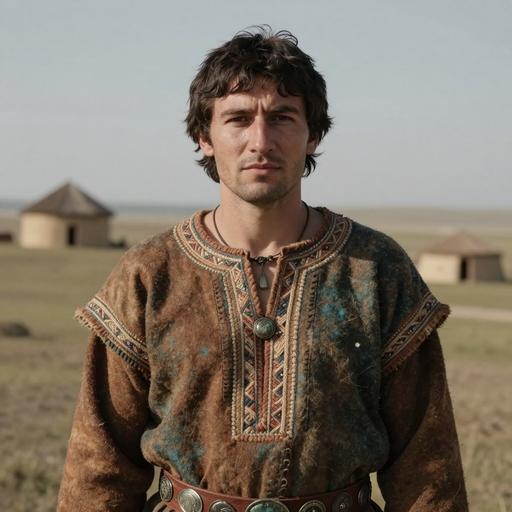
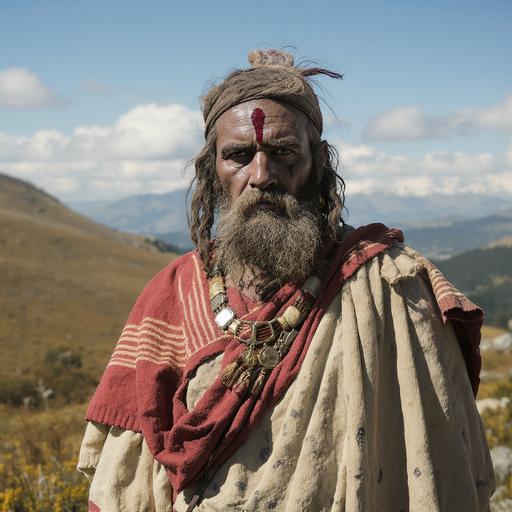
Retrato reconstruido de Proto-Indo-European individual, Russia
Russia Russia_LateMaikop 3349 BCE Proto-Indo-European M L1 U4c1
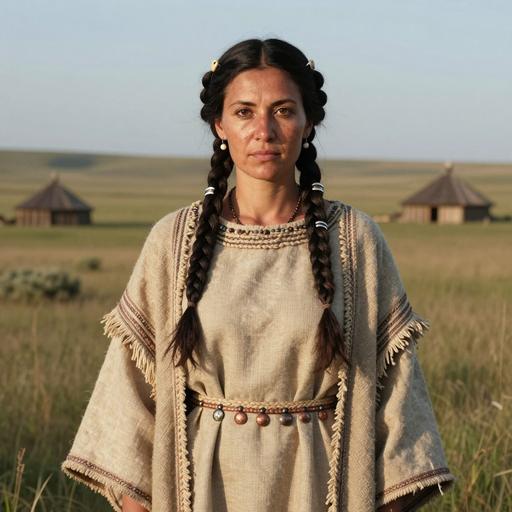
Retrato reconstruido de Proto-Indo-European individual, Russia
Russia Russia_LateMaikop 3350 BCE Proto-Indo-European F - U4c1
Retrato reconstruido de Late Maikop individual, Russia
Russia Russia_LateMaikop 3332-3021 calBCE (4454±23 BP, MAMS-31139) Proto-Indo-European F - U4c1
Retrato reconstruido de Late Maikop individual, Russia
Russia Russia_LateMaikop 3349-3100 calBCE (4505±23 BP, MAMS-31141) Proto-Indo-European M L-L595 U4c1
Retrato reconstruido de Late Maikop individual, Russia
Russia Russia_LateMaikop 3350-3100 calBCE (4507±23 BP, MAMS-31142) Proto-Indo-European F - U4c1

Asistente de IA

Asistente de IA por DNAGENICS

Desbloquear esta función
Pregunta sobre la cultura Echoes of the Steppe: Proto‑Indo‑European. El asistente con IA puede explicar hallazgos genéticos, contexto histórico, pruebas arqueológicas y conexiones modernas, con sus límites de interpretación.
Ejemplo de análisis con IA

La cultura Echoes of the Steppe: Proto‑Indo‑European representa un capítulo de la historia humana...

El análisis genético permite estudiar similitudes con poblaciones anteriores y posibles adaptaciones. Las muestras de ADN antiguo aportan información para investigar patrones migratorios y relaciones entre poblaciones, con límites que dependen del estudio y del contexto arqueológico.

Esta es una vista previa del análisis con IA. Accede al asistente completo para explorar información sobre:

  • Composición y similitud genética
  • Patrones migratorios y orígenes
  • Vida cotidiana y prácticas culturales
  • Contexto genético moderno