Preparando el informe

Cargando la información y las referencias disponibles

Consultando el registro arqueológico...

Recopilando registros antiguos

Saltar al contenido principal
Kivutkalns Bronze Age: Latvia's Late Hands
Cultura destacada

Kivutkalns Bronze Age: Latvia's Late Hands

A Late Bronze Age glimpse (809–228 BCE) at Kivutkalns combining archaeology and ancient DNA

809 CE - 228 BCE
Latvia — Kivutkalns
Desplázate para empezar
Capítulo I

La historia

Comprender la cultura Kivutkalns Bronze Age: Latvia's Late Hands

Archaeological excavations at Kivutkalns, Latvia (809–228 BCE) reveal a Late Bronze Age community. Ten ancient genomes show a predominance of Y haplogroup R and maternal lineages H and U. Evidence hints at regional continuity and long-distance connections, but conclusions remain preliminary.

Time Period

809–228 BCE (Late Bronze Age)

Region

Latvia — Kivutkalns

Common Y-DNA

R (dominant: 7 of 10 samples)

Common mtDNA

H (most common), U, T, J

Capítulo II

Cronología

Momentos clave de la historia de esta cultura

2500 BCE

Bronze Age metallurgical expansion in the Baltic

Metallurgy and long-distance exchange networks expand across the Baltic region, laying groundwork for later Late Bronze Age communities like those at Kivutkalns.

Capítulo III

Origins & Emergence

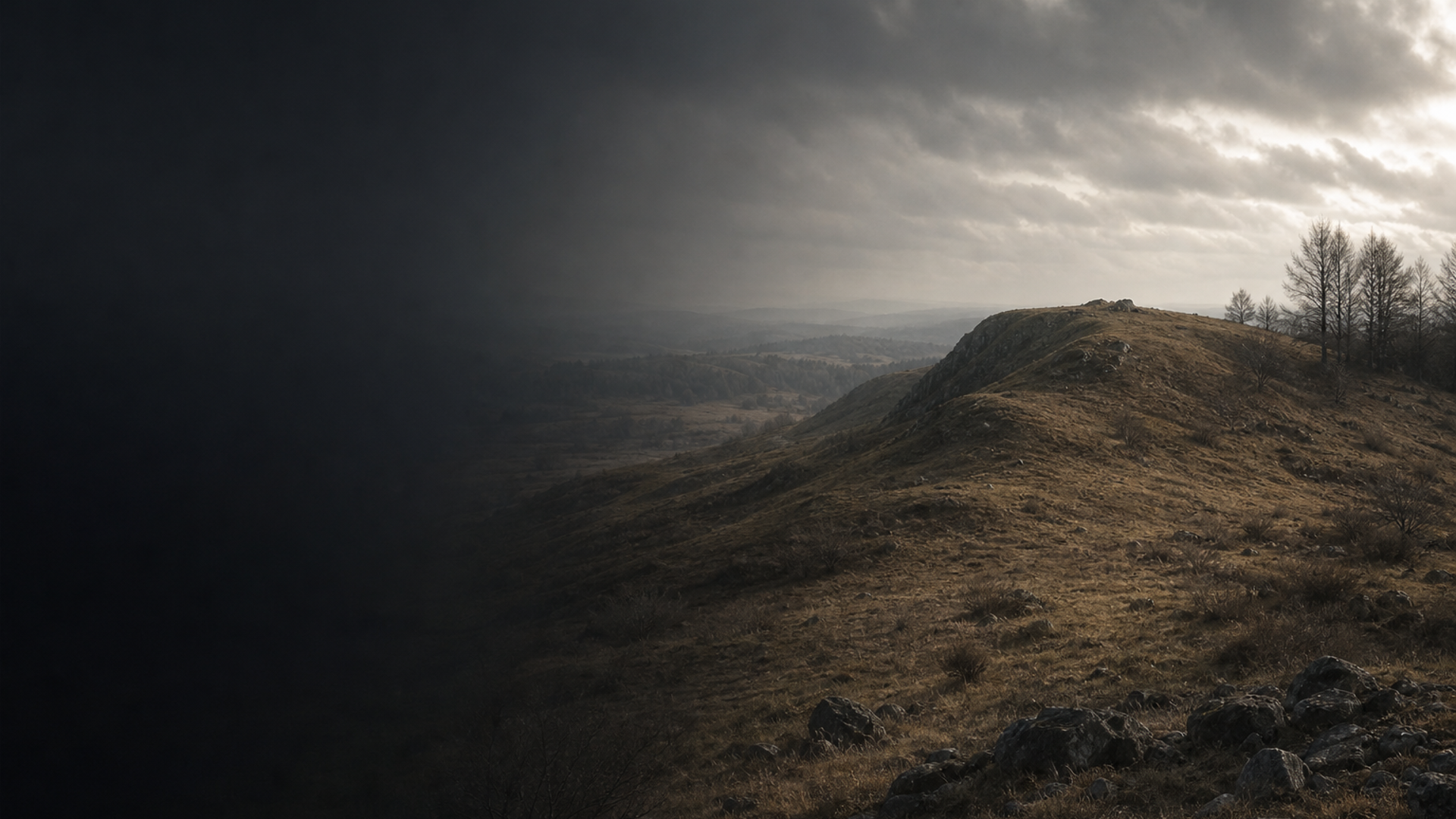
Between 809 and 228 BCE the rocky ridges and peatlands around Kivutkalns sheltered people whose material remains signal a Late Bronze Age identity rooted in northern Baltic landscapes. Archaeological data indicates continuity with earlier Bronze Age practices in metalworking and burial rites, while also registering new stylistic influences from wider Baltic and Central European exchange networks. Excavations at Kivutkalns have recovered human remains and associated metal finds that allow direct study of the people themselves rather than only their objects. Limited evidence suggests contacts along river corridors and coastal routes that moved raw metals, amber, and craft styles.

The emergence of this local Bronze Age expression is best seen as a palimpsest: local traditions layered with intermittent external impulses. Environmental evidence and settlement patterns point to mixed farming, seasonal resource use, and woodland management. Yet the fragmentary record means many questions remain: how mobile were households, which kinship systems structured their communities, and when exactly did external connections strengthen or wane? Ancient DNA from Kivutkalns begins to answer who these people were, but the genetic picture is still modest in scale and must be read alongside the archaeological context.

  • Kivutkalns materials dated to 809–228 BCE reflect Late Bronze Age Latvia.
  • Archaeological data indicates local continuity with periodic external influences.
  • Environmental and settlement traces point to mixed farming and resource mobility.
Capítulo IV

Daily Life & Society

Daily life in the Latvia_BA communities likely unfolded in a rhythm set by fields, forests, and waterways. Archaeobotanical and zooarchaeological traces in the region suggest a mixed subsistence of cereal cultivation, animal herding, and exploitation of fish and wild resources. Metalworking — bronze tools and ornaments — would have been a visible sign of craft specialization; archaeological data indicates that smithing and repair were central to community economies and social display.

Burial patterns recovered at Kivutkalns hint at differentiated social identities: some interments include metal objects and more complex practice, while others are simpler. This pattern suggests variations in status or role, but the small number of excavated burials constrains firm interpretation. Seasonal mobility, including exploitation of coastal and inland resources, is likely, and long-distance exchange—amber, metals—connected Kivutkalns people to broader Baltic networks. Everyday objects—pottery, tools, and personal adornments—would have carried both practical and symbolic resonance, marking kinship, craft identity, and regional ties.

Cinematic in memory yet modest in surviving traces, these communities require careful inference from the combined material record and genetic snapshots.

  • Subsistence combined cereals, herding, fishing and wild resources.

  • Mortuary variation suggests social differentiation but sample size is limited.
Capítulo V

Genetic Profile

Ten individuals sampled from Kivutkalns provide the first modest genetic window into Latvia_BA. Y-chromosome lineages are dominated by haplogroup R (7 of 10 males), a marker commonly observed across Bronze Age Europe; this pattern can reflect male-line continuity or male-mediated gene flow but cannot alone resolve precise origins or subclade dynamics without deeper sequencing. Maternal lineages are primarily H (reported in four individuals, including one labeled H1c), with U represented in three individuals and single instances of T and J. These mtDNA types are typical of many European Bronze Age assemblages and signal long-standing maternal continuity in the region.

Taken together, the Kivutkalns dataset hints at a population with substantial European Bronze Age affinity: male R dominance alongside widespread maternal H and U mirrors broader continental trends. However, the sample count (n=10) is small; when sample sizes are limited, population-level inferences are preliminary and sensitive to sampling bias. Autosomal data (if available) would clarify ancestry proportions, admixture events, and affinities to earlier Neolithic, Bronze Age, and modern Baltic groups. For now, genetic evidence from Kivutkalns complements the archaeological narrative: it suggests regional continuity punctuated by networks of contact, and points toward complex patterns of mobility and inheritance rather than a single migration event.

  • Y-DNA dominated by haplogroup R (7/10), indicating strong male-line signal.
  • mtDNA dominated by H and U; small sample size makes conclusions provisional.
Capítulo VI

Legacy & Modern Connections

The echoes of Kivutkalns reach into the present as both cultural memory and genetic threads. Archaeological continuity in material culture and the presence of widespread European maternal lineages suggest that some elements of local ancestry persisted into later periods. Modern populations of the Baltic region carry related genetic components, yet direct lines of descent are complex: centuries of interaction, migration, and cultural change have layered new signatures atop older ones.

Genetic data from Kivutkalns provide an early chapter in this long story rather than a complete genealogy. They illustrate how small communities participated in wider Bronze Age networks while maintaining local lifeways. Continued sampling across Latvia and comparison with larger datasets will be necessary to map direct links to modern Latvians and neighboring peoples. For visitors and researchers alike, Kivutkalns offers a cinematic but cautious bridge: an intimate glimpse of Bronze Age lives and the first genetic threads that help trace how those lives contributed to the genetic tapestry of northern Europe.

  • Genetic and archaeological traces suggest partial continuity with later Baltic populations.
  • Further sampling is needed to clarify direct connections to modern Latvians.
Con IA

Asistente de IA

Haz preguntas sobre la cultura Kivutkalns Bronze Age: Latvia's Late Hands

Asistente de IA por DNAGENICS

Desbloquear esta función
Pregunta sobre la cultura Kivutkalns Bronze Age: Latvia's Late Hands. El asistente con IA puede explicar hallazgos genéticos, contexto histórico, pruebas arqueológicas y conexiones modernas, con sus límites de interpretación.
Ejemplo de análisis con IA

La cultura Kivutkalns Bronze Age: Latvia's Late Hands representa un capítulo de la historia humana...

El análisis genético permite estudiar similitudes con poblaciones anteriores y posibles adaptaciones. Las muestras de ADN antiguo aportan información para investigar patrones migratorios y relaciones entre poblaciones, con límites que dependen del estudio y del contexto arqueológico.

Esta es una vista previa del análisis con IA. Accede al asistente completo para explorar información sobre:

  • Composición y similitud genética
  • Patrones migratorios y orígenes
  • Vida cotidiana y prácticas culturales
  • Contexto genético moderno

Explora más culturas antiguas

Descubre la historia de civilizaciones de distintas partes del mundo antiguo