Preparando el informe

Cargando la información y las referencias disponibles

Consultando el registro arqueológico...

Recopilando registros antiguos

Saltar al contenido principal
Szakálhát Farmers of Cegléd
Cultura destacada

Szakálhát Farmers of Cegléd

Middle Neolithic settlers on the Alföld whose bones trace early farmer lineages

5300 CE - 4900 BCE
Alföld, Hungary (Cegléd site 4/1)
Desplázate para empezar
Capítulo I

La historia

Comprender la cultura Szakálhát Farmers of Cegléd

Middle Neolithic Szakálhát group (c. 5300–4900 BCE) from Cegléd, Hungary. Three samples show Y haplogroup G and mtDNA J/H, aligning with Early European Farmer ancestry. Limited sample size makes genetic conclusions preliminary.

Time Period

c. 5300–4900 BCE

Region

Alföld, Hungary (Cegléd site 4/1)

Common Y-DNA

G (observed in 2/3 samples)

Common mtDNA

J (2), H (1)

Capítulo II

Cronología

Momentos clave de la historia de esta cultura

5300 BCE

Szakálhát presence in the Alföld

Archaeological horizons attributed to the Szakálhát group appear in the Carpathian Basin, including Cegléd (site 4/1), marking established farming communities on the Hungarian plain.

Capítulo III

Origins & Emergence

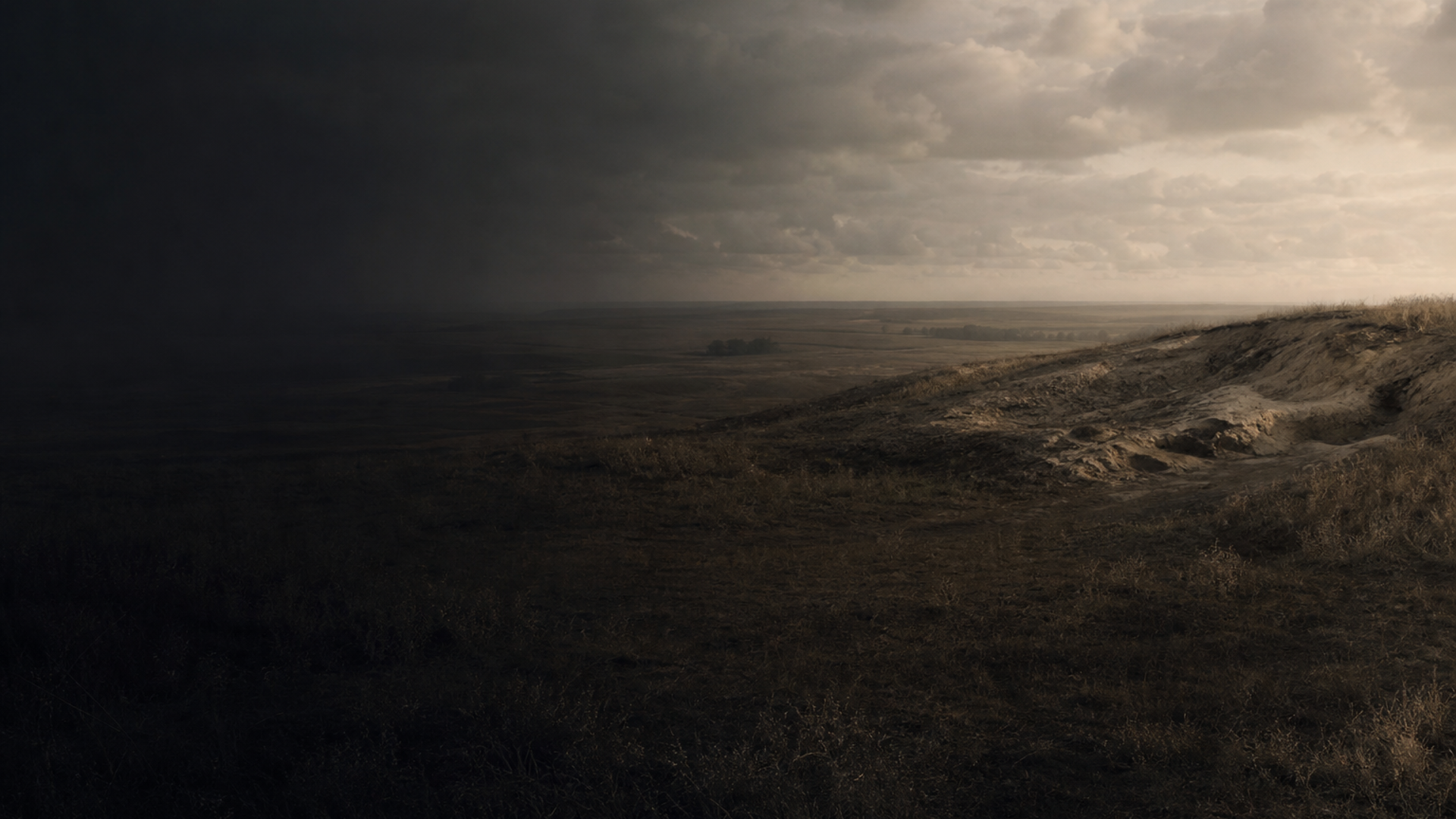
Across the wide, wind-swept plains of the Alföld, the Szakálhát group emerges in the archaeological record as a Middle Neolithic branch of the Alföld Linear Pottery tradition. Archaeological data indicates occupation between roughly 5300 and 4900 BCE, with material remains at sites such as Cegléd (site 4/1) showing characteristic pottery shapes and decorative motifs that link them to the broader Linear Pottery horizon.

Cinematically, one can picture rivers threading the plain and new fields rippling with domesticated wheat and barley — an agricultural tapestry introduced in the Great European transition to farming. Limited evidence suggests communities were organized around small hamlets and specialized craft activities: pottery production, polished stone tools, and possibly wooden architecture. The Szakálhát ceramics reflect local innovation built upon an inherited Neolithic toolkit, indicating a cultural identity formed by both incoming farming traditions and adaptation to the Carpathian Basin environment.

While regional comparisons tie Szakálhát to migrations of early farmers from southeast Europe, archaeological complexity is clear: continuity in some local technologies suggests interactions with resident forager groups and the emergence of distinct local lifeways rather than a simple replacement.

  • Active c. 5300–4900 BCE in the Alföld (Cegléd site 4/1)
  • Material culture links to the Alföld Linear Pottery tradition
  • Evidence of local adaptation of farming and craft practices
Capítulo IV

Daily Life & Society

Daily life in a Szakálhát settlement would have revolved around seasonal cycles of sowing, harvesting and animal management. Archaeological remains from the region indicate cultivation of cereals and legumes and the keeping of domesticated cattle, sheep and pigs — the core Neolithic ‘‘economic package’’. Flint bladelets, ground stone tools and pottery sherds from Cegléd site 4/1 suggest households produced and repaired tools, prepared food, and stored surpluses.

Social life likely balanced communal tasks and household labor. The scale of settlements in the Alföld points to tightly knit village communities rather than sprawling urban centers. Decorative motifs on pottery and variations in grave goods in the wider Szakálhát horizon imply identities expressed through craft, exchange, and perhaps kinship. Archaeological data indicates long-distance connections too: raw materials and stylistic traits reveal ties along river routes and across the Carpathian Basin, facilitating the movement of goods and ideas.

Because direct evidence from Cegléd is limited, reconstructions remain cautious; however, the material signature is consistent with a resilient, agrarian society actively shaping the plain’s landscape.

  • Agriculture-focused economy with domesticated plants and animals
  • Village-scale communities with craft production and exchange
Capítulo V

Genetic Profile

Three ancient individuals sampled from Cegléd (site 4/1) dated within the Szakálhát span (c. 5300–4900 BCE) provide a small window into population ancestry. Two individuals carried Y-chromosome haplogroup G, while the mitochondrial lineages observed were J (two individuals) and H (one individual). These markers are archaeogenetically consistent with Early European Farmer (EEF) populations, which trace most of their ancestry to Neolithic farmers who expanded from Anatolia into Europe.

Archaeogenetic patterns across the Carpathian Basin commonly show predominantly farmer-associated ancestry with variable contributions from local Western hunter-gatherers (WHG). The presence of Y haplogroup G and mtDNA J/H in the Cegléd samples aligns with that farmer-associated signature, supporting archaeological inferences of migration and settlement by agricultural communities.

Crucially, the sample count is very small (n = 3). Limited evidence suggests these individuals fit within broader EEF variation, but robust statements about population structure, sex-biased migration, or admixture proportions cannot be made from three genomes. Future sampling across more Szakálhát sites and time points will be essential to resolve how local hunter-gatherer ancestry, demographic continuity, and incoming farmer lineages combined to shape the genetic landscape of the Alföld.

  • Y-DNA: G observed in 2 of 3 samples — typical for early farmers
  • mtDNA: J (2) and H (1) — consistent with Neolithic maternal lineages
Capítulo VI

Legacy & Modern Connections

The Szakálhát people participated in the great Neolithic transformation that reshaped Europe's demography and ecology. As bearers of Early European Farmer genetic lineages, they contributed to the ancestral layers that persist, to varying degrees, in modern European gene pools. Archaeologically, their innovations in pottery, farming, and settlement set local trajectories in the Carpathian Basin that later cultures would inherit and transform.

However, direct genetic continuity from Szakálhát to any single modern population cannot be assumed — millennia of migrations, population turnover, and admixture have repeatedly reshuffled ancestries. The limited ancient DNA from Cegléd offers tantalizing hints of farmer-associated lineages but underlines the need for broader sampling to trace precise threads connecting these Neolithic settlers to later peoples.

  • Part of the Neolithic foundation of Europe’s genetic landscape
  • Direct links to modern populations remain uncertain without more data
Con IA

Asistente de IA

Haz preguntas sobre la cultura Szakálhát Farmers of Cegléd

Asistente de IA por DNAGENICS

Desbloquear esta función
Pregunta sobre la cultura Szakálhát Farmers of Cegléd. El asistente con IA puede explicar hallazgos genéticos, contexto histórico, pruebas arqueológicas y conexiones modernas, con sus límites de interpretación.
Ejemplo de análisis con IA

La cultura Szakálhát Farmers of Cegléd representa un capítulo de la historia humana...

El análisis genético permite estudiar similitudes con poblaciones anteriores y posibles adaptaciones. Las muestras de ADN antiguo aportan información para investigar patrones migratorios y relaciones entre poblaciones, con límites que dependen del estudio y del contexto arqueológico.

Esta es una vista previa del análisis con IA. Accede al asistente completo para explorar información sobre:

  • Composición y similitud genética
  • Patrones migratorios y orígenes
  • Vida cotidiana y prácticas culturales
  • Contexto genético moderno

Explora más culturas antiguas

Descubre la historia de civilizaciones de distintas partes del mundo antiguo