Preparando el informe

Cargando la información y las referencias disponibles

Consultando el registro arqueológico...

Recopilando registros antiguos

Saltar al contenido principal
Thracian Echoes
Cultura destacada

Thracian Echoes

A portrait of Iron Age Thrace through archaeology and ancient DNA

3350 BCE - 150 CE
Bulgaria, Moldova (Thracian core)
12 Muestras antiguas
Desplázate para empezar
Capítulo I

La historia

Comprender la cultura Thracian Echoes

Archaeological and genetic evidence from 39 samples (3350 BCE–150 CE) across Bulgaria and Moldova illuminate Thracian lifeways and ancestry. Maternal lineages show deep regional continuity; paternal signals are sparse and preliminary. Archaeology and genomics together reveal a dynamic frontier of Bronze-to-Iron Age change.

Time Period

3350 BCE – 150 CE

Region

Bulgaria, Moldova (Thracian core)

Common Y-DNA

Z, CTS, M, R (limited samples)

Common mtDNA

H, U, K, T2b, T

Capítulo II

Cronología

Momentos clave de la historia de esta cultura

2500 BCE

Early Bronze transformations in Thrace

Regional communities adopt new metallurgy, settlement hierarchies, and burial customs that set the stage for later Iron Age identities in the Kazanlak and Yambol valleys.

Capítulo III

Origins & Emergence

Archaeological data indicates that the region later described as Thrace was a palimpsest of Bronze and Iron Age communities. Sites sampled span the Early Bronze Age through the Roman period (3350 BCE–150 CE), including Boyanovo (Yambol province, Elhovo municipality), Sabrano (Sliven province), the Kairyaka necropolis at Merichleri, Kazanlak, Yasenovo, Stara Zagora, Diamandovo (Kardzhali), and multiple Rhodope and Haskovo localities. Material culture — fortified settlements, tumulus burials, richly furnished graves in the Kazanlak valley — shows continuity and transformation from Middle–Late Bronze Age horizons (Yunatsite, Boyanovo) into Early Iron Age social networks.

Limited evidence suggests that these communities participated in long-distance exchange across the Balkans and into the Pontic zone: metallurgy, imported goods, and shifting burial practices mark social change. Archaeological stratigraphy at key sites reveals episodes of consolidation in the Early Iron Age (the primary era labeled Bulgaria_EIA here), when local elites and warrior iconography become more visible in material assemblages. While a direct line from archaeological culture to an ethnic label is interpretive, the combined record presents Thrace as a dynamic landscape of local traditions adapting to new contacts and internal social reorganizations.

  • Sampled sites across Bulgaria and Moldova span 3350 BCE–150 CE
  • Transitions from Boyanovo and Yunatsite-related Bronze Age cultures to Early Iron Age horizons
  • Archaeology shows continuity with episodes of cultural reorganization and increased social stratification
Capítulo IV

Daily Life & Society

Archaeological remains paint a cinematic scene of life in Thrace: terraced fields and river valleys feeding timber-and-wattle villages, seasonal movement of flocks across the Rhodope foothills, and the rhythms of craft production — pottery, bronze working, and textile weaving. Excavated houses and storage pits from the Kazanlak and Stara Zagora areas indicate mixed farming economies, while necropoleis such as Kairyaka and tumulus cemeteries display a wide range of grave goods, from simple personal ornaments to finely worked metal weapons and gold items in elite burials.

Social life was likely hierarchical and regionally varied. Some settlements show signs of centralized control — fortified hilltops and craft specialization — whereas rural hamlets maintained household autonomy. Burial variability suggests status distinctions: richly furnished tombs coexist with modest interments, indicating households and individuals occupied different social roles. Religious expression is visible in ritual deposits and funerary architecture, but spiritual beliefs remain partly opaque to archaeology. Overall, daily life combined subsistence resilience with emerging elite display, set against a backdrop of interaction with neighboring Balkan and Pontic communities.

  • Mixed agriculture, pastoralism, and specialized crafts supported regional communities
  • Funerary wealth in some tombs indicates social stratification and elite display
Capítulo V

Genetic Profile

Genomic results from 39 individuals sampled across Thracian contexts offer a window into population history but require cautious interpretation. Maternal lineages are relatively numerous and informative: mtDNA haplogroups in the assemblage include H (11 individuals), U (6), K (4), T2b (3), and T (2). These lineages are common across Neolithic and later European populations, suggesting substantial maternal continuity in the Balkans and links to broader European maternal pools. Haplogroup K and certain sublineages of U have ties to Neolithic farmer expansions, while H and T appear commonly in Bronze and Iron Age contexts across Europe.

Paternal data are sparser: recorded Y-DNA includes haplogroups labeled Z (2), CTS (2), M (1), and R (1). Because fewer male Y-chromosomes are recovered or assigned, these counts are small (<10) and any inference about male-mediated migrations or elite lineages must be preliminary. Nonetheless, the mix of paternal signals is consistent with a heterogeneous male ancestry, possibly reflecting local continuity alongside incoming influences during Bronze Age and Iron Age movements.

Genome-wide analyses from the region often detect admixture between local Neolithic-descended groups and Steppe-related ancestry during the Bronze Age; the Thracian samples here are broadly consistent with such a pattern, though precise proportions and timing vary by site. In sum, mtDNA indicates regional continuity and diversity, while limited Y-DNA points to more complex, but as yet under-sampled, paternal histories.

  • mtDNA: dominance of H, U, K, T lineages suggests maternal continuity with Neolithic-to-Iron Age Europe
  • Y-DNA sample size is small; preliminary haplogroups (Z, CTS, M, R) indicate heterogeneous paternal ancestry
Capítulo VI

Legacy & Modern Connections

The genetic and archaeological record ties ancient Thrace to the living populations of the Balkans through threads of maternal continuity and persistent cultural landscapes. Modern inhabitants of Bulgaria and adjacent regions often carry mtDNA lineages found in these samples, reflecting deep regional roots. At the same time, centuries of mobility — Classical contacts, Roman rule, and later migrations — superimposed additional layers of ancestry, so direct one-to-one continuity is nuanced rather than absolute.
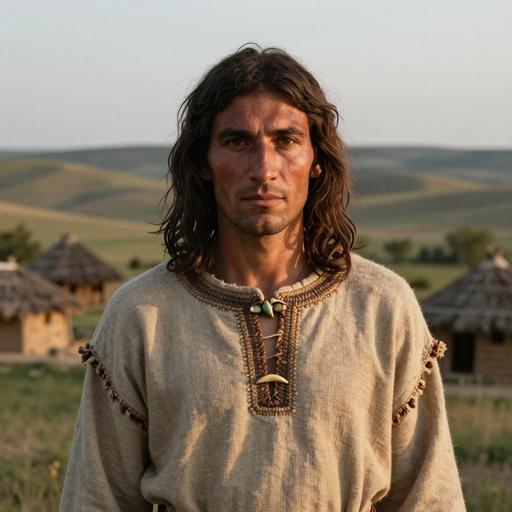
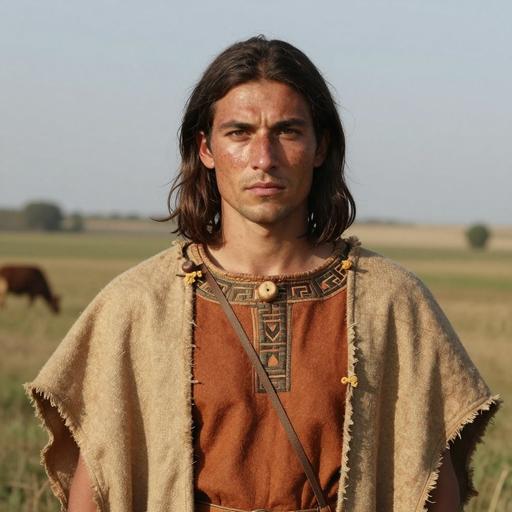
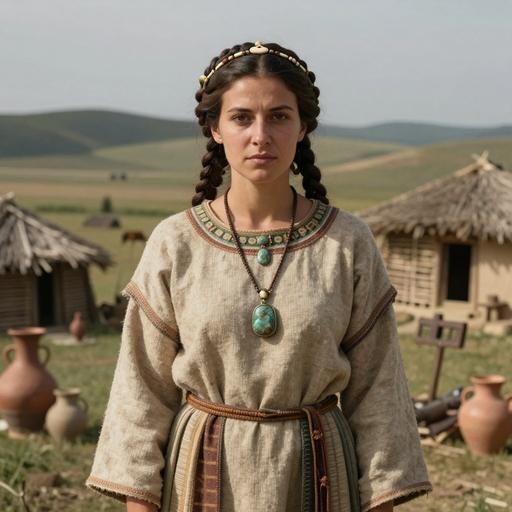
Culturally, Thracian artistic motifs and burial architecture influenced neighboring traditions, and the archaeological presence of Thracian elites in the Kazanlak valley remains a vivid chapter in Balkan prehistory. From a genetic standpoint, these samples enrich the picture of how local populations absorbed external influences while maintaining long-term maternal lineages. Future larger datasets, especially more Y-chromosome and genome-wide samples, will refine connections to modern populations and clarify the balance of continuity and change.

  • Modern regional populations share many maternal lineages with ancient Thracian samples
  • Continued sampling is needed to resolve male-line continuity and the extent of admixture over time
Capítulo VII

Catálogo de muestras

12 muestras de ADN antiguo asociadas con la cultura Thracian Echoes que aportan datos de referencia sobre las poblaciones de este periodo.

12 / 12 muestras
Retrato Muestra País Época Fecha Cultura Sexo ADN-Y ADNmt
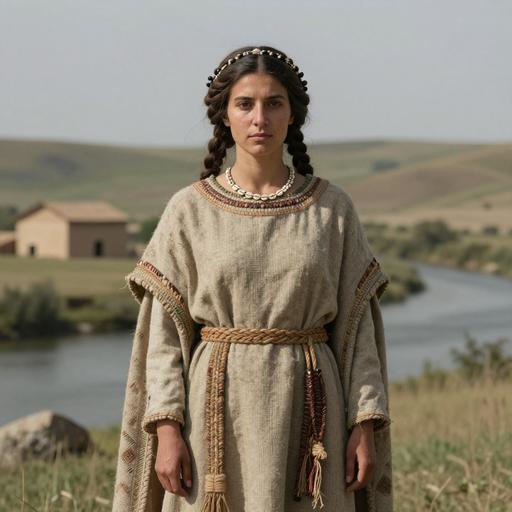
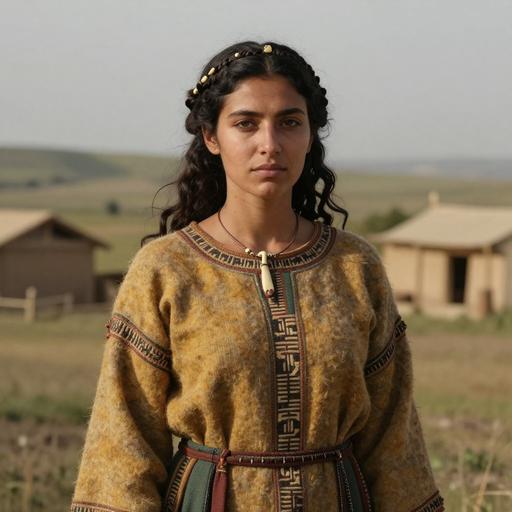
Retrato reconstruido de Yunatsite EBA individual, Bulgaria
Yunatsite EBA individual, Bulgaria
Bulgaria Bulgaria_Yunatsite_EBA 3325-2925 calBCE (4428±27 BP, MAMS-45491) Thracian F - T2e2a
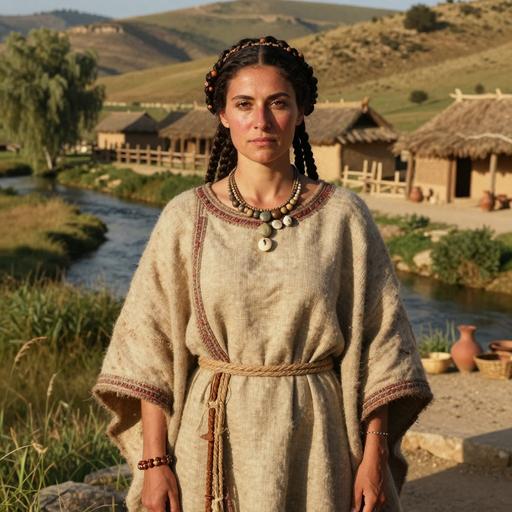
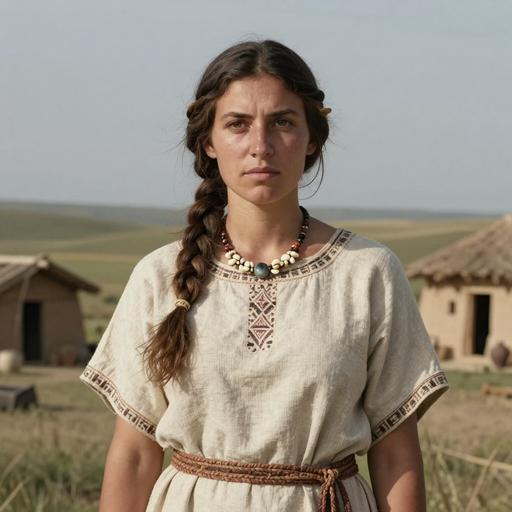
Retrato reconstruido de Yunatsite EBA individual, Bulgaria
Yunatsite EBA individual, Bulgaria
Bulgaria Bulgaria_Yunatsite_EBA 2909-2704 calBCE (4239±26 BP, MAMS-45492) Thracian F - N1a1a1a
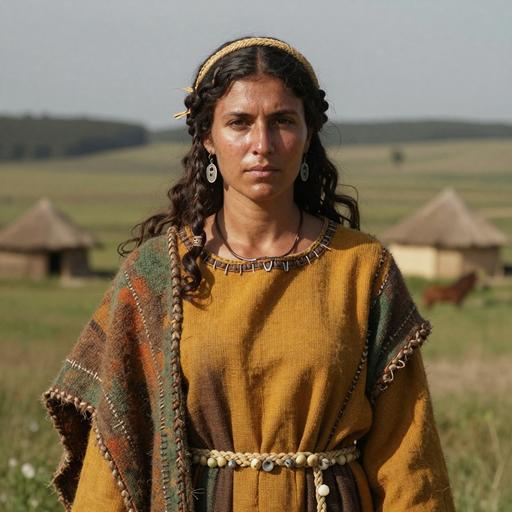
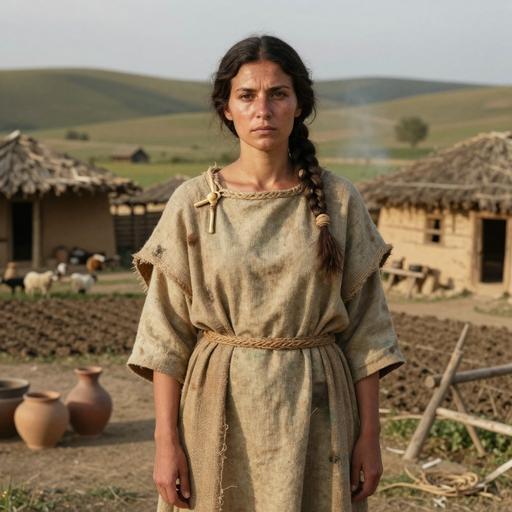
Retrato reconstruido de Yunatsite EBA individual, Bulgaria
Yunatsite EBA individual, Bulgaria
Bulgaria Bulgaria_Yunatsite_EBA 2950-2600 BCE Thracian F - T2b
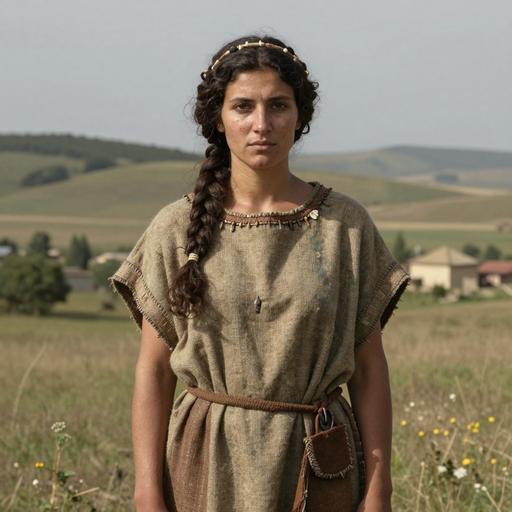
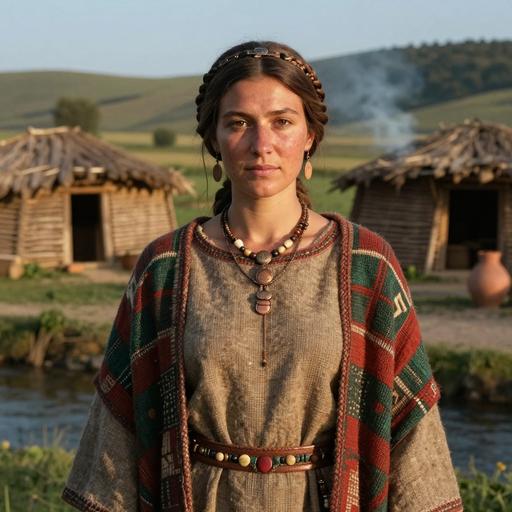
Retrato reconstruido de Yunatsite EBA individual, Bulgaria
Yunatsite EBA individual, Bulgaria
Bulgaria Bulgaria_Yunatsite_EBA 2881-2633 calBCE (4167±25 BP, MAMS-45493) Thracian F - T2b
Retrato reconstruido de Yunatsite EBA individual, Bulgaria
Yunatsite EBA individual, Bulgaria
Bulgaria Bulgaria_Yunatsite_EBA 3000-2750 BCE Thracian M CTS4002 W1h
Retrato reconstruido de Yunatsite EBA individual, Bulgaria
Yunatsite EBA individual, Bulgaria
Bulgaria Bulgaria_Yunatsite_EBA 2911-2710 calBCE (4248±24 BP, MAMS-45494) Thracian M CTS10936 W1h
Retrato reconstruido de Yunatsite EBA individual, Bulgaria
Yunatsite EBA individual, Bulgaria
Bulgaria Bulgaria_Yunatsite_EBA 2899-2697 calBCE (4213±24 BP, MAMS-45495) Thracian F - H11a
Retrato reconstruido de Yunatsite EBA individual, Bulgaria
Yunatsite EBA individual, Bulgaria
Bulgaria Bulgaria_Yunatsite_EBA 2879-2632 calBCE (4161±24 BP, MAMS-45496) Thracian F - K1c1
Retrato reconstruido de Yunatsite EBA individual, Bulgaria
Yunatsite EBA individual, Bulgaria
Bulgaria Bulgaria_Yunatsite_EBA 2886-2668 calBCE (4181±25 BP, MAMS-45497) Thracian F - H
Retrato reconstruido de Yunatsite EBA individual, Bulgaria
Yunatsite EBA individual, Bulgaria
Bulgaria Bulgaria_Yunatsite_EBA 2879-2632 calBCE (4162±26 BP, MAMS-45498) Thracian F - K1a3a
Con IA

Asistente de IA

Haz preguntas sobre la cultura Thracian Echoes

Asistente de IA por DNAGENICS

Desbloquear esta función
Pregunta sobre la cultura Thracian Echoes. El asistente con IA puede explicar hallazgos genéticos, contexto histórico, pruebas arqueológicas y conexiones modernas, con sus límites de interpretación.
Ejemplo de análisis con IA

La cultura Thracian Echoes representa un capítulo de la historia humana...

El análisis genético permite estudiar similitudes con poblaciones anteriores y posibles adaptaciones. Las muestras de ADN antiguo aportan información para investigar patrones migratorios y relaciones entre poblaciones, con límites que dependen del estudio y del contexto arqueológico.

Esta es una vista previa del análisis con IA. Accede al asistente completo para explorar información sobre:

  • Composición y similitud genética
  • Patrones migratorios y orígenes
  • Vida cotidiana y prácticas culturales
  • Contexto genético moderno

Explora más culturas antiguas

Descubre la historia de civilizaciones de distintas partes del mundo antiguo