Preparando el informe

Cargando la información y las referencias disponibles

Consultando el registro arqueológico...

Recopilando registros antiguos

Saltar al contenido principal
Transtisza Late Avar Echoes
Cultura destacada

Transtisza Late Avar Echoes

Four Late Avar–era individuals from eastern Hungary linking archaeology and maternal lineages

700 CE - 820 CE
Transtisza region, Hungary
Desplázate para empezar
Capítulo I

La historia

Comprender la cultura Transtisza Late Avar Echoes

Human remains (700–820 CE) from three Transtisza sites in Hungary provide preliminary genetic glimpses into Late Avar communities; maternal haplogroups K, HV, J, and U suggest diverse West Eurasian lineages amid a complex archaeological landscape.

Time Period

700–820 CE (Late Avar)

Region

Transtisza region, Hungary

Common Y-DNA

Not reported (limited male-line data)

Common mtDNA

K (1), HV (1), J (1), U (1)

Capítulo II

Cronología

Momentos clave de la historia de esta cultura

700 CE

Late Avar presence in Transtisza

Cemeteries and settlement evidence across the Tisza plains indicate established Late Avar communities and connections across the Carpathian Basin.

Capítulo III

Origins & Emergence

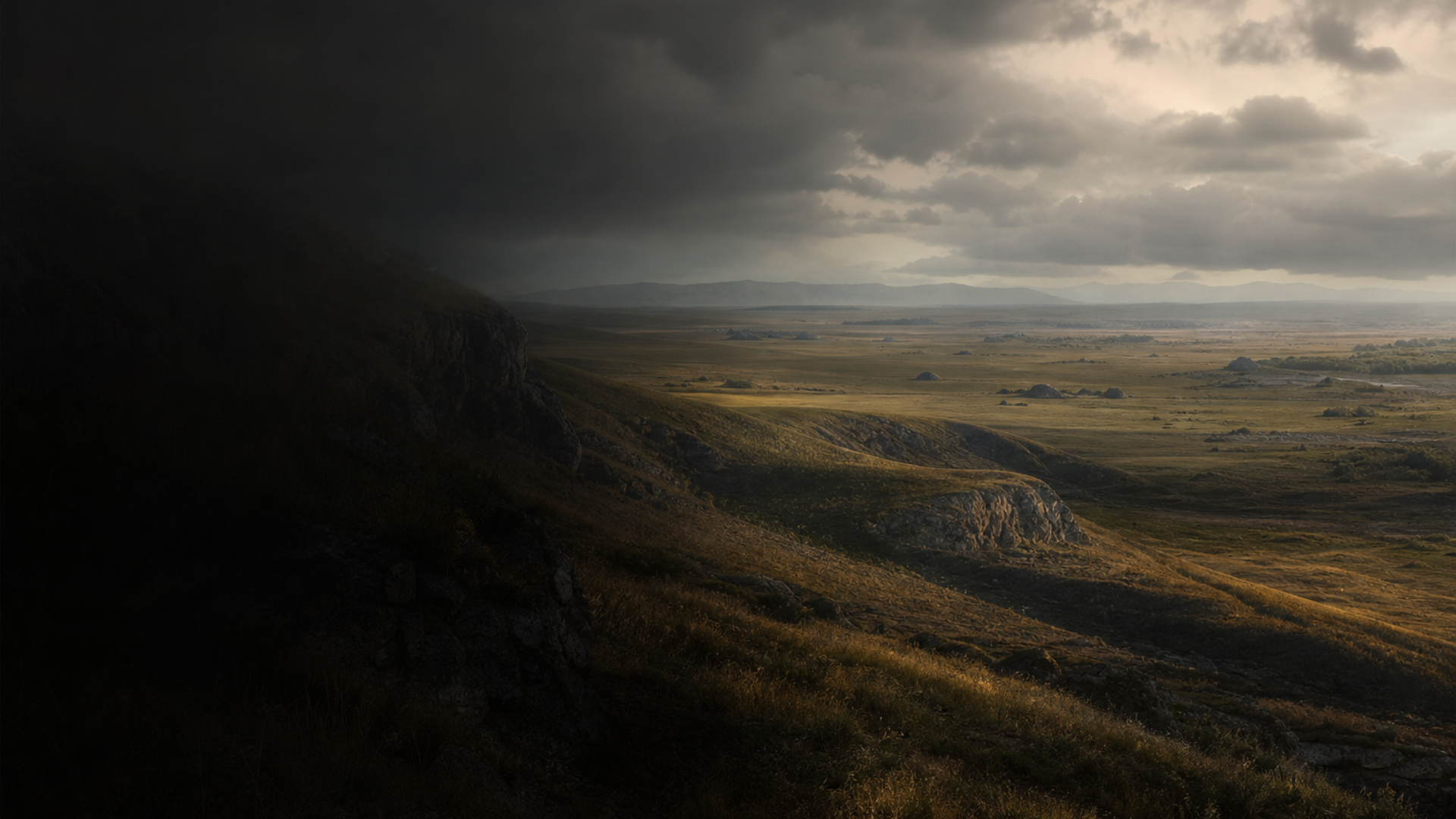
Between the late 7th and early 9th centuries CE the floodplain and loess plateaus east of the Tisza River—now northeastern Hungary—were dotted with communities connected to the wider Avar cultural horizon. Archaeological data indicates a continuity of settlement in the Transtisza region during the Late Avar period, a time when local populations participated in shifting networks of trade, pastoralism, and political alliance. The four sampled individuals dated 700–820 CE come from cemeteries and findspots near Debrecen Bordás Tanya, Berettyóújfalu Nagybócs dűlő, and Derecske-Hosszú lapos, situating them firmly within this late Avar landscape.

Material culture from contemporaneous sites in the region—burial organization, local pottery styles, and metal items—evokes both local traditions and long-distance connections. Archaeological evidence suggests these communities were not monolithic; instead, they reflect layered histories of migration, assimilation, and local innovation across the early medieval Great Hungarian Plain. Limited evidence therefore paints a picture of emergence through interaction: the Late Avar identity in Transtisza appears as a palimpsest of local European lineages, steppe influences, and contacts with neighboring polities.

Because preservation and sampling remain limited, assertions about origins must be tentative: the available data provide evocative snapshots rather than a full portrait of demographic processes in the region.

  • Samples dated to 700–820 CE from three Transtisza sites
  • Archaeology indicates local continuity with external influences
  • Late Avar identity formed through layered interactions
Capítulo IV

Daily Life & Society

Archaeological remains from Late Avar contexts in the Transtisza region suggest lives shaped by riverine plains, seasonal rhythms, and a blend of farming and animal husbandry. The environment around Debrecen and Derecske would have supported mixed agriculture—cereal cultivation on loess soils and pasturage for livestock—while small settlements and cemeteries record ties of kinship and community.

Excavations and surface finds from Late Avar period sites in eastern Hungary indicate varied household economies and craft practices. Tools and domestic debris point to routine activities—grain processing, textile production, and metalworking—carried out at a village scale. In cemeteries, burial placement and goods (where preserved) can hint at social differentiation: some individuals are accompanied by personal items that reflect status, craft or mobility. Archaeological data indicates that communities in Transtisza were part of wider exchange networks, receiving and reworking objects that circulated across the Carpathian Basin and beyond.

Daily life was therefore both rooted and connected: people lived close to the land yet were participants in shifting political and economic landscapes. While skeletal remains reveal health markers and activity patterns, the current sample size is small and cannot capture the full social complexity of the region.

  • Mixed farming and herding adapted to Tisza floodplains
  • Material culture suggests household crafts and social differentiation
Capítulo V

Genetic Profile

The genetic data from these four Late Avar-era individuals offer a cautious, maternal-focused glimpse into population makeup in Transtisza. Each of the four individuals carries a different mitochondrial haplogroup—K, HV, J, and U—lineages that are broadly distributed across West Eurasia. Archaeogenetic interpretation: such diversity in maternal lineages is consistent with a population history involving local European maternal ancestry and possible integration of people from diverse origins.

Notably, common Y-DNA data are not reported for these samples, and autosomal summaries are absent from this dataset, so any inference about male-line continuity, patrilineal structure, or overall ancestry proportions must remain preliminary. Because sample count is low (<10), statistical certainty is limited: these four mitochondrial genomes cannot represent the entire population, but they do argue against a single homogenous maternal source.

Comparative studies of other Avar-period assemblages have identified admixture between local European, steppe, and various Eurasian components; if autosomal data were available for the Transtisza individuals, they might reveal similar complexity. For now, the maternal evidence supports a narrative of mixed West Eurasian maternal ancestry within Late Avar communities of eastern Hungary, while emphasizing the need for larger, genome-wide sampling to resolve finer-scale population dynamics.

  • Four mtDNA lineages: K, HV, J, U — diverse West Eurasian maternal ancestry
  • Y-DNA not reported; conclusions are preliminary due to small sample size
Capítulo VI

Legacy & Modern Connections

These Transtisza Late Avar samples act as delicate threads tying early medieval life to broader narratives of population change. Archaeological and genetic signals together imply continuity and admixture across the Carpathian Basin: local people maintained regional lifeways even as they engaged with mobile networks and shifting polities.

For modern genetic landscapes, caution is required. Small numbers of ancient samples cannot be equated with direct ancestry claims for present-day Hungarians; instead, they illuminate episodes of movement and cultural blending that contributed to the region’s deep demographic tapestry. Continued archaeological excavation and expanded ancient DNA sampling—especially autosomal and Y-chromosome data—are essential to clarify how these Late Avar communities fit into long-term patterns of ancestry, migration, and cultural transmission.

In museum displays or ancestry reports, these individuals should be presented as evocative, provisional witnesses: they reveal diversity and connection, yet also the limits of our current evidence.

  • Samples indicate regional admixture but do not define modern ancestry
  • Larger genome-wide datasets needed to trace lasting genetic impacts
Con IA

Asistente de IA

Haz preguntas sobre la cultura Transtisza Late Avar Echoes

Asistente de IA por DNAGENICS

Desbloquear esta función
Pregunta sobre la cultura Transtisza Late Avar Echoes. El asistente con IA puede explicar hallazgos genéticos, contexto histórico, pruebas arqueológicas y conexiones modernas, con sus límites de interpretación.
Ejemplo de análisis con IA

La cultura Transtisza Late Avar Echoes representa un capítulo de la historia humana...

El análisis genético permite estudiar similitudes con poblaciones anteriores y posibles adaptaciones. Las muestras de ADN antiguo aportan información para investigar patrones migratorios y relaciones entre poblaciones, con límites que dependen del estudio y del contexto arqueológico.

Esta es una vista previa del análisis con IA. Accede al asistente completo para explorar información sobre:

  • Composición y similitud genética
  • Patrones migratorios y orígenes
  • Vida cotidiana y prácticas culturales
  • Contexto genético moderno

Explora más culturas antiguas

Descubre la historia de civilizaciones de distintas partes del mundo antiguo