Saltar al contenido principal
Cultura destacada

Ust'-Ida: Late Neolithic Echoes

Four genomes from Ust'-Ida illuminate northern Siberian lifeways and genetic threads

3945 CE - 3371 BCE
Ust'-Ida, Russia (southern Siberia)

La historia

Ancient DNA from four Late Neolithic individuals (3945–3371 BCE) at Ust'-Ida, Russia, suggests a mosaic of northern Eurasian lineages (Y: N, Q; mt: R, D4j, A2, A). Limited samples make conclusions preliminary but point to continuity with broader Siberian diversity.

Time Period

3945–3371 BCE (Late Neolithic)

Region

Ust'-Ida, Russia (southern Siberia)

Common Y-DNA

N, Q (each observed once)

Common mtDNA

R, D4j, A2, A (one each)

Cronología

3800 BCE

Late Neolithic occupation at Ust'-Ida

Archaeological and radiocarbon data indicate human activity at Ust'-Ida between 3945 and 3371 BCE; genetic samples derive from this interval and reveal mixed northern Eurasian lineages.

Origins & Emergence

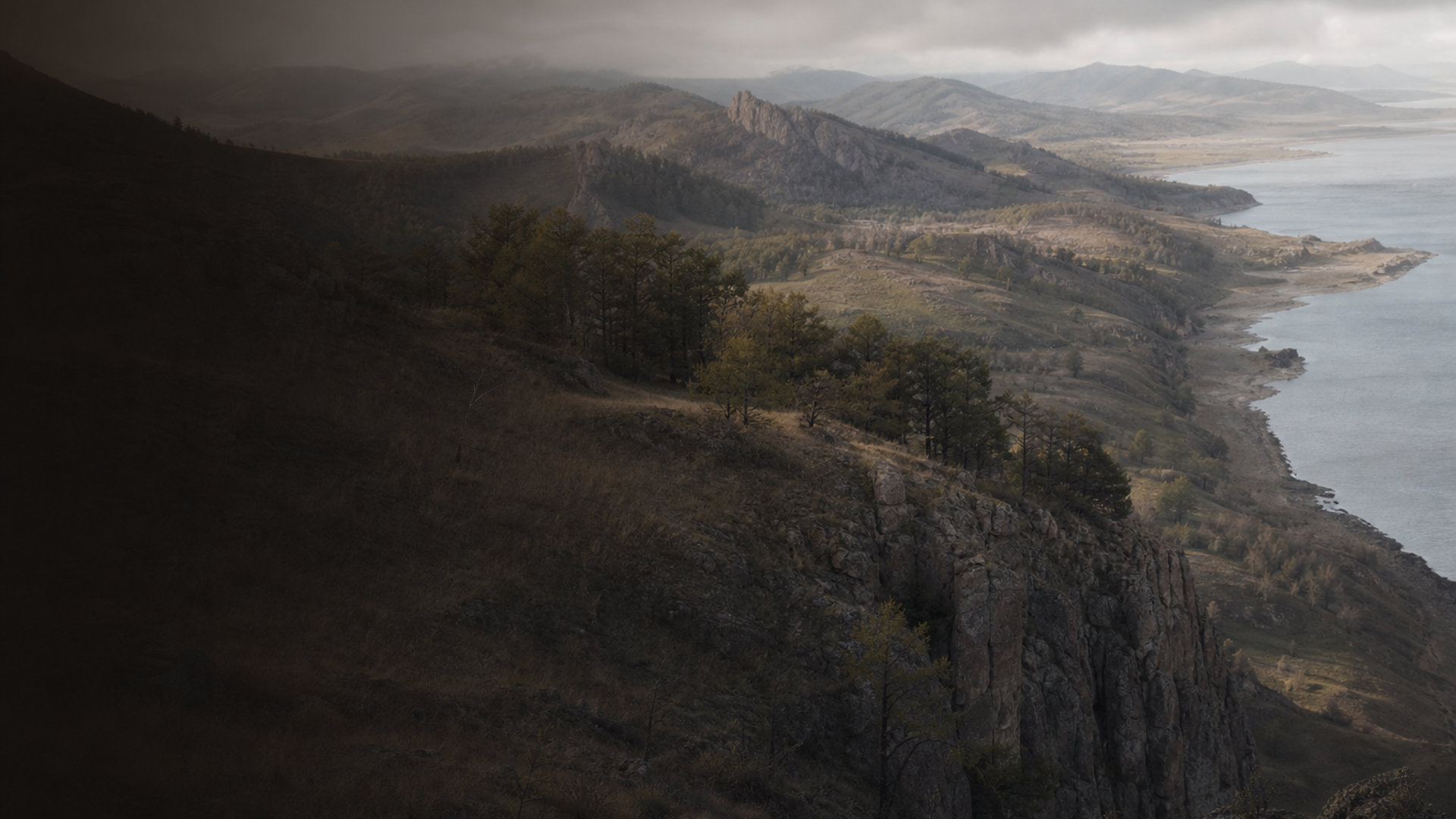
In the frost-rimmed narrative of northern Eurasia, Ust'-Ida occupies a quiet but compelling chapter. Archaeological data indicates Late Neolithic activity at Ust'-Ida between 3945 and 3371 BCE. This interval belongs to a broad set of post-glacial forager and early regional-ceramic traditions that occupied river valleys and lake shores across Siberia.

Limited evidence suggests that people at Ust'-Ida exploited rich freshwater resources and maintained mobility tuned to seasonal rounds. The genomic snapshots from four individuals capture a mosaic of lineages rather than a single homogeneous population. Their genetic identities—represented by Y haplogroups N and Q and mitochondrial haplogroups R, D4j, A2, and A—fit into a larger palaeogenomic picture of northern Eurasia where eastern and western Eurasian ancestries meet and blend.

Because only four genomes are available, any reconstruction of population movements or demographic processes must remain tentative. Yet even these few data points allow archaeologists and geneticists to link local material traces with wider prehistoric currents: gradual regional differentiation, episodes of gene flow across Siberia, and the ongoing formation of the gene pools that later shaped indigenous populations of northern Eurasia.

  • Occupied during the Late Neolithic, 3945–3371 BCE
  • Archaeological context indicates riverine/lacustrine resource use
  • Genetic signals show a mix of northern Eurasian lineages

Daily Life & Society

Archaeological traces from Late Neolithic sites in this region evoke a world of seasonal mobility, intimate knowledge of cold-climate ecology, and material economies adapted to rivers and lakes. At Ust'-Ida, although excavation reports are limited, comparable contemporaneous sites show hearth-centered dwellings, stone tools for fishing and hide processing, and organic craftworks that rarely survive in the archaeological record.

Daily life would have been shaped by rhythmic patterns: fishing and net-making in warm months, hunting and storage in colder seasons, and communal tasks around processing and repairing equipment. Burial practices and mortuary placement—where preserved—hint at social recognition of kinship and landscape. The presence of diverse maternal lineages in the genetic record suggests networks of marriage and mobility that tied communities across broad distances.

Archaeological data indicates varying degrees of regional interaction. Exchange of raw materials, shared tool types, and overlapping subsistence strategies point to loose social networks rather than tightly bounded ethnic units. The cinematic image is of small groups moving across a vast, changing terrain, anchored by rivers and responsive to seasonal abundance.

  • Subsistence focused on freshwater resources and seasonal hunting
  • Social life likely organized in small, mobile kin groups

Genetic Profile

The genetic portrait from Ust'-Ida rests on four ancient genomes dated between 3945 and 3371 BCE. Y-chromosome diversity is represented by haplogroups N and Q (one individual each). Haplogroup N is today widespread among many northern Eurasian groups and often associated with expansions into boreal environments; Q has deep roots in northern Eurasia and the Americas, hinting at ancient connections across vast latitudes.

Mitochondrial lineages include R, D4j, A2, and A—maternal haplogroups that feature prominently across North Asia and into the Americas. The co-occurrence of these mtDNA types suggests a mixed eastern–northern Eurasian maternal ancestry in this small sample. Importantly, the sample size is very small (n = 4), so population-level inferences are preliminary and must be treated cautiously.

Despite the low sample count, the genetic signals align with broader palaeogenomic patterns: northern Eurasia hosted a complex tapestry of ancestries during the Late Neolithic, with gene flow corridors along river systems. These genomes contribute to understanding how lineages common in later Siberian and indigenous North American groups were present and interacting in the Late Neolithic.

  • Y: N and Q observed — suggests northern Eurasian male lineages
  • mtDNA: R, D4j, A2, A — maternal diversity linking east and north

Legacy & Modern Connections

The individuals of Ust'-Ida speak to a deep continuity in northern Eurasia. The genetic mix present by the Late Neolithic foreshadows lineages found among later Siberian populations and, through ancient migrations, among some indigenous groups of the Americas. Archaeological data indicates enduring lifeways tied to waterways; genetic data adds the human dimension, showing how small mobile groups carried lineages across landscapes.

Conclusions are cautious: with only four genomes, the picture is fragmentary. Nonetheless, Ust'-Ida demonstrates how combining material culture and ancient DNA can illuminate the threads that link past communities to modern descendants, revealing both local continuity and far-reaching connections across the northern world.

  • Genetic continuity with broader Siberian populations is plausible
  • Small sample size means modern connections remain provisional

Asistente de IA

Asistente de IA por DNAGENICS

Desbloquear esta función
Pregunta sobre la cultura Ust'-Ida: Late Neolithic Echoes. El asistente con IA puede explicar hallazgos genéticos, contexto histórico, pruebas arqueológicas y conexiones modernas, con sus límites de interpretación.
Ejemplo de análisis con IA

La cultura Ust'-Ida: Late Neolithic Echoes representa un capítulo de la historia humana...

El análisis genético permite estudiar similitudes con poblaciones anteriores y posibles adaptaciones. Las muestras de ADN antiguo aportan información para investigar patrones migratorios y relaciones entre poblaciones, con límites que dependen del estudio y del contexto arqueológico.

Esta es una vista previa del análisis con IA. Accede al asistente completo para explorar información sobre:

  • Composición y similitud genética
  • Patrones migratorios y orígenes
  • Vida cotidiana y prácticas culturales
  • Contexto genético moderno