Preparando el informe

Cargando la información y las referencias disponibles

Consultando el registro arqueológico...

Recopilando registros antiguos

Saltar al contenido principal
Viminacium Slavs, 1100–1300 CE
Cultura destacada

Viminacium Slavs, 1100–1300 CE

Medieval Slavic burials from Viminacium connect archaeology and emerging aDNA signals

1100 CE - 1300 CE
Braničevo District, Serbia (Viminacium)
Desplázate para empezar
Capítulo I

La historia

Comprender la cultura Viminacium Slavs, 1100–1300 CE

Four medieval Slavic-era individuals (1100–1300 CE) from Viminacium (Svetinja, Rudine) illuminate life in Braničevo, Serbia. Limited sample size makes genetic patterns preliminary, but archaeological context and Y/mtDNA diversity hint at local continuity and regional connections.

Time Period

1100–1300 CE

Region

Braničevo District, Serbia (Viminacium)

Common Y-DNA

I (1 sample)

Common mtDNA

N, T, K, U (each 1)

Capítulo II

Cronología

Momentos clave de la historia de esta cultura

600 CE

Slavic settlement of the Balkans

Waves of Slavic-speaking groups migrate into the Balkans, laying foundations for medieval Slavic societies in regions including modern Serbia.

Capítulo III

Origins & Emergence

Archaeological data indicates that the human remains sampled from Viminacium-Svetinja and Viminacium-Rudine date to the high and late medieval period (ca. 1100–1300 CE). Viminacium, famed as a Roman legionary city, remained a focal landscape through Late Antiquity into the Middle Ages; the medieval burials occur in the palimpsest of reuse that characterizes many Balkan sites. The cultural label “Medieval Serbian Slavs” frames material traditions, language, and settlement patterns but should be used cautiously: identity in the archaeological record is multifaceted and shifting.

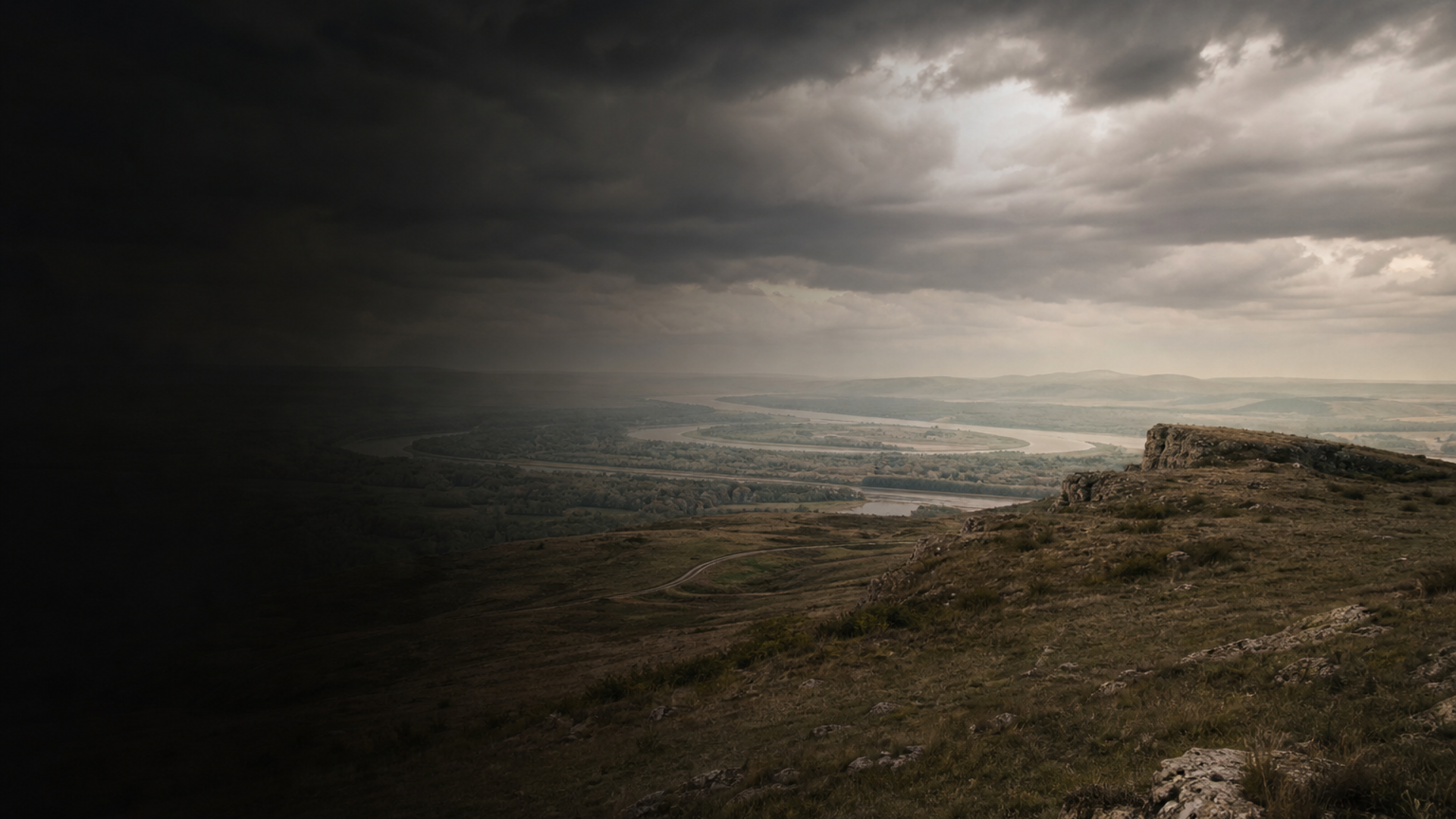
Limited evidence from only four individuals prevents broad claims about population replacement or continuity. However, the funerary placement within the Viminacium environs, combined with regional ceramic and funerary parallels, suggests these people participated in the local agrarian and ecclesiastical networks of the Braničevo plain. The cinematic sweep of this landscape—river corridors, abandoned Roman walls, and reestablished medieval hamlets—offers a sensory backdrop for understanding how communities reconfigured Roman infrastructure into medieval lifeways.

In sum, archaeological indicators point to local occupation and reuse of former Roman topography, while the sparse aDNA record invites further sampling to resolve migration, continuity, and admixture scenarios.

  • Burials from Viminacium-Svetinja and Viminacium-Rudine, dated 1100–1300 CE
  • Site reflects reuse of Roman urban landscape into medieval rural/settlement contexts
  • Small sample size limits broad conclusions about population change
Capítulo IV

Daily Life & Society

Archaeology frames a life of reconfigured landscapes: communities in the Braničevo District likely combined agriculture, animal husbandry, and artisan crafts within settings shaped by former Roman roads and riverine trade. Medieval settlements in the area show small hamlets and parish centers tied to the rivers—the Danube corridor a persistent artery of movement and exchange. Material culture from the broader region includes utilitarian pottery, iron tools, and simple personal adornment; such finds testify to practical domestic rhythms rather than elite monumentality.

Burial practices recorded at Viminacium reflect local funerary choices that could incorporate Christian rites and older mortuary traditions. Graves are often modest, and occasional grave associations hint at kin groups rather than highly stratified social orders. The landscape retains echoes of Roman infrastructure—walls, road traces, and cemeteries—that medieval communities adapted for new social and spiritual geographies.

These lived realities—fields, seasonal cycles, and parish ties—provide the cultural canvas on which genetic lineages were transmitted. Yet, with only four genetic samples, linking everyday life to population dynamics remains provisional and requires broader sampling.

  • Economy likely centered on agriculture and local crafts within former Roman landscape
  • Grave patterns suggest family- or community-based burials with Christian influences
Capítulo V

Genetic Profile

The aDNA dataset from these sites comprises four medieval individuals (1100–1300 CE). Genetic results show one Y-chromosome haplogroup I and mitochondrial diversity represented by haplogroups N, T, K, and U (one each). Haplogroup I is common across northern and southeastern Europe and, in the medieval Balkans, can represent continuity of long-standing paternal lineages or local drift. The mitochondrial diversity—spanning well-known European clades—indicates mixed maternal ancestries, consistent with regional networks of marriage and mobility.

Importantly, the sample count is very low (<10), so population-level inferences are preliminary. Limited sampling can exaggerate the apparent frequency of certain haplogroups and mask rarer lineages. Archaeogenetic interpretation should therefore be couched in probability: these four genomes suggest local heterogeneity rather than a single homogenous group, but they do not define the full genetic landscape of medieval Braničevo.

Future targeted sampling across cemetery contexts and comparative analysis with contemporaneous Balkan aDNA will clarify signals of continuity versus influx (e.g., movements linked to medieval political shifts, trade, or pilgrimage). For now, the genetic snapshot complements archaeological impressions of a population rooted in the Viminacium landscape while connected to wider European maternal and paternal lineages.

  • Y-DNA: I (single sample) — suggests regional paternal continuity but not definitive
  • mtDNA: N, T, K, U (one each) — indicates maternal diversity and regional connections
Capítulo VI

Legacy & Modern Connections

The archaeological and genetic traces from Viminacium capture a fleeting medieval moment in the long human tapestry of the Braničevo plain. For modern descendants in Serbia and the wider Balkans, such findings emphasize layers of continuity: landscapes reused, family lines maintained, and maternal ancestries woven into broader European networks. Yet translating four medieval genomes into modern identity narratives requires caution; small datasets can be misread as definitive when they are inherently partial.

Genetically, haplogroup I and the observed mitochondrial clades persist in modern European populations, so these medieval individuals may reflect ancestral threads still present today. Archaeologically, the reuse of Roman urbanism by medieval rural communities demonstrates cultural resilience and adaptation—an enduring lesson about how people reshape inherited places. As more aDNA and archaeological data accrue, the cinematic scene implied by these four burials will resolve into a richer portrait of medieval life and ancestry in Serbia.

  • Signals of paternal and maternal lineages that have echoes in modern European populations
  • Findings highlight continuity of human occupation and adaptive reuse of Roman landscapes
Con IA

Asistente de IA

Haz preguntas sobre la cultura Viminacium Slavs, 1100–1300 CE

Asistente de IA por DNAGENICS

Desbloquear esta función
Pregunta sobre la cultura Viminacium Slavs, 1100–1300 CE. El asistente con IA puede explicar hallazgos genéticos, contexto histórico, pruebas arqueológicas y conexiones modernas, con sus límites de interpretación.
Ejemplo de análisis con IA

La cultura Viminacium Slavs, 1100–1300 CE representa un capítulo de la historia humana...

El análisis genético permite estudiar similitudes con poblaciones anteriores y posibles adaptaciones. Las muestras de ADN antiguo aportan información para investigar patrones migratorios y relaciones entre poblaciones, con límites que dependen del estudio y del contexto arqueológico.

Esta es una vista previa del análisis con IA. Accede al asistente completo para explorar información sobre:

  • Composición y similitud genética
  • Patrones migratorios y orígenes
  • Vida cotidiana y prácticas culturales
  • Contexto genético moderno

Explora más culturas antiguas

Descubre la historia de civilizaciones de distintas partes del mundo antiguo