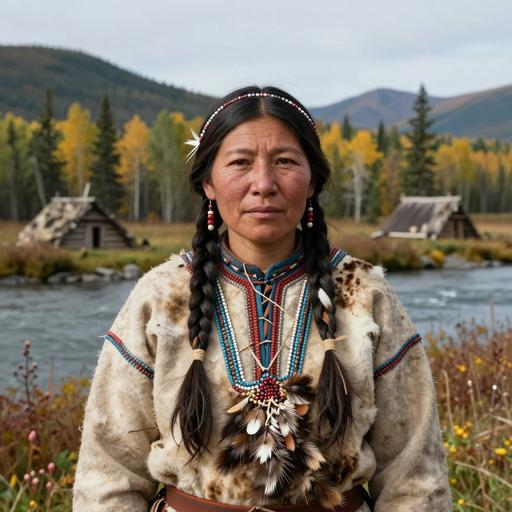
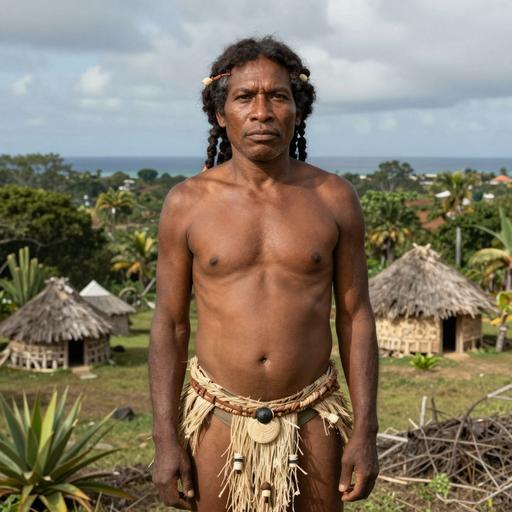
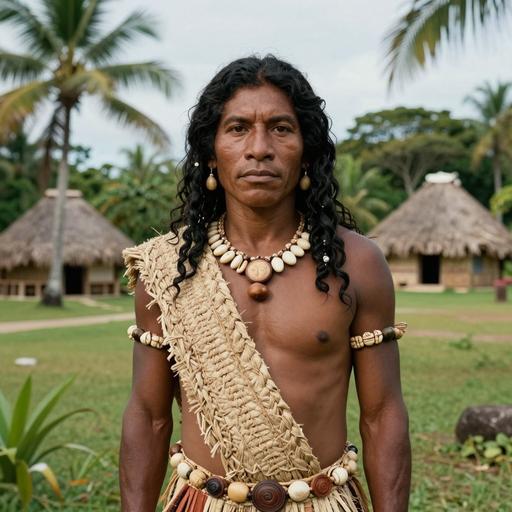
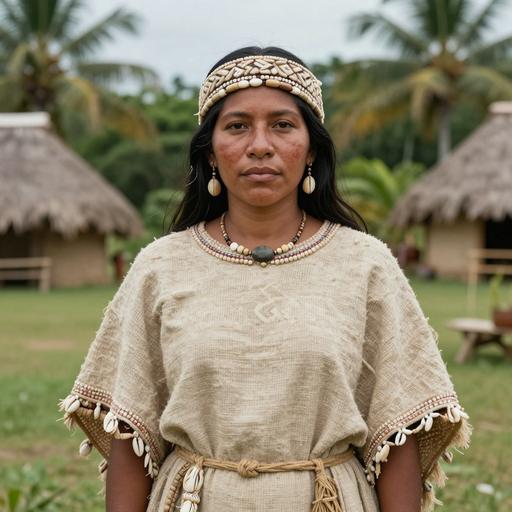
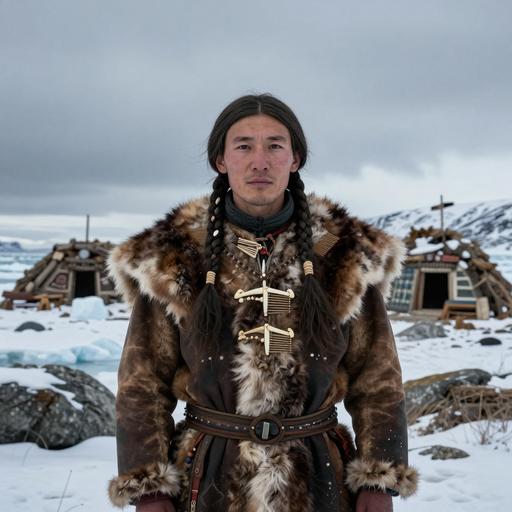
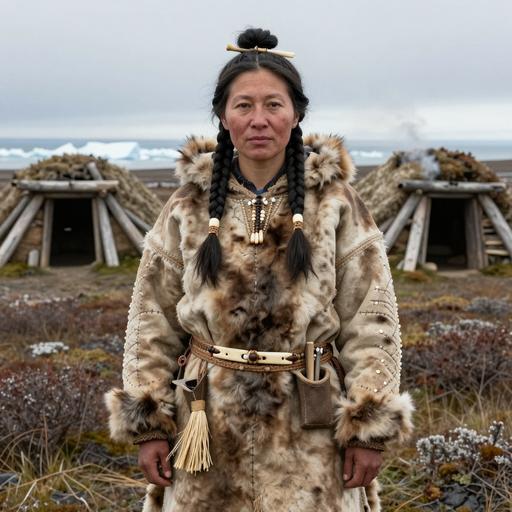
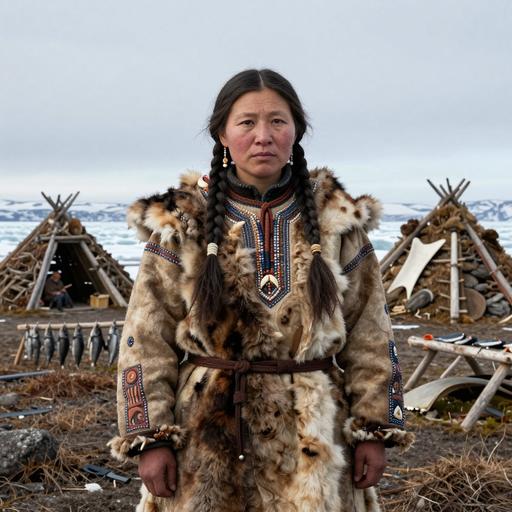
Um perfil de referência de um ramo de linhagem. Compartilhar haplogrupos não demonstra uma relação familiar ou uma identidade cultural.
Perfil de Referência
Contexto do ramo
Contexto histórico de la rama de linaje mtDNA A2A
Origins and Evolution
mtDNA haplogroup A2A is a descendant subclade of the broader Indigenous American lineage A2, itself derived from East Asian/Northeast Asian haplogroup A. Given the parent A2's estimated emergence around ~15 kya in Beringia or nearby regions, A2A most likely arose in the terminal Pleistocene to early Holocene (roughly ~12 kya, within the uncertainty ranges used in ancient DNA studies). The formation of A2A is consistent with an early maternal diversification after the Beringian standstill and the first migrations into the Americas, followed by regional differentiation as groups moved into northern North America and the Arctic margins.
Subclades
As a named subclade of A2, A2A may include further internal branches identified by one or more diagnostic control-region or coding-region mutations; however, the fine-scale phylogeny and the number of downstream sub-branches depend on sampling density and published mitogenomes. Many A2 sublineages show regional structure (for example, some A2 branches are concentrated in the Arctic, others in South America). A2A is best understood as part of that post‑migration diversification, with some internal variation seen in regional datasets and ancient samples.
Geographical Distribution
A2A is principally a northern American lineage in modern and ancient datasets. Its highest frequencies and most characteristic diversity are observed in:
Northern North America and the Arctic — including Inuit, Yup'ik, Aleut and some coastal First Nations groups, where A2-derived lineages frequently persist as maternal markers of long-term residency.
Broad Indigenous American presence — while concentration is northern, sublineages related to A2A can appear at low-to-moderate frequencies in other parts of North, Central, and South America as a consequence of ancient dispersals and later demographic movements.
Low-frequency occurrences in northeastern Siberia and circumpolar Eurasia — reflecting the shared Beringian ancestry and occasional backflow or retained ancestral diversity.
These patterns are supported by both modern population surveys and ancient DNA from Holocene archaeological contexts, which document the deep time continuity of A2-derived maternal lineages in the Americas.
Historical and Cultural Significance
A2A and related A2 subclades are markers of the earliest maternal colonization of the Americas. Their presence in Arctic and sub-Arctic groups ties them to adaptations to high-latitude coastal and marine-resource economies after the Last Glacial Maximum. In archaeological contexts, A2A-associated remains help trace routes and timing of post‑glacial expansions (for example, coastal and interior dispersals during the Early Holocene) and can inform debates about the peopling of the Arctic, the spread of Paleo‑Eskimo and later Thule/Neo‑Eskimo populations, and genealogical continuity in Indigenous communities.
Conclusion
mtDNA A2A represents a regional branch of the foundational A2 maternal lineage of Indigenous Americans. Its inferred origin shortly after the initial Beringian/American colonization and its concentration in northern and circumpolar populations make it a useful lineage for studying early post‑glacial population structure, mobility, and the maternal history of Arctic and sub‑Arctic peoples. Continued high-resolution mitogenome sequencing and ancient DNA sampling are refining the internal structure and historical narrative of A2A and allied A2 subclades.
Pontos- Chave
Origins and Evolution
Subclades
Geographical Distribution
Historical and Cultural Significance
Conclusion
Perfil de Referência
Árvore e relações
Contexto filogenético e subclasse
Trajectória evolutiva
Sigue las ramas superiores registradas hasta A2A. Las fechas son estimaciones y pueden cambiar al revisarse los datos de referencia.
The populations where mtDNA haplogroup A2A is found include:
Indigenous Native American groups across North, Central, and South America
Northern North American populations including Na‑Dene, Algonquian, and other northern First Nations
Arctic and sub‑Arctic peoples (Inuit, Yup'ik, Aleut) with regionally specific A2A variants
Selected Indigenous Siberian and circumpolar Eurasian groups at low frequencies (e.g., Chukotkan, some Tungusic groups)
Modern admixed populations in the Americas (e.g., Latin American mestizo and other groups) carrying Indigenous maternal ancestry
Contexto Histórico
Uma ramificação através do tempo
Formação estimada em uma cronologia histórica ampla. Os marcadores temporais contribuem contexto e não implicam relação com culturas concretas.
~12k años de antigüedad
Haplogrupo A2A
Formação estimada deste ramo mtDNA; as datas e localizações são estimativas de referência.
Este ramo
~10k años de antigüedad
Revolução neolítica
Início da agricultura e formação de comunidades sedentárias
~5k años de antigüedad
Idade do Bronze
Metalurgia, escrita e primeiras civilizações
~3k años de antigüedad
Idade do Ferro
Ferramentas de ferro e ampliação de redes comerciais
~2.5k años de antigüedad
Antiguidades clássicas
Desenvolvimento das civilizações grega e romana
Actualidad
Actualidad
Idade moderna
Perfil de Referência
Contexto arqueológico
Asociaciones arqueológicas registradas para la rama mtDNA A2A
Associações registradas
Esses rótulos descrevem os contextos arqueológicos registrados para as amostras de referência vinculadas a A2A. Uma associação não demonstra que todos os portadores pertenceram a uma cultura ou seguiram uma rota migratória específica.
As atribuições culturais baseiam-se no contexto arqueológico das amostras de DNA antigo e podem representar associações regionais de períodos concretos.
Perfil de Referência
Catálogo de amostras
37 portadores directos y 21 portadores de subclados del haplogrupo A2A
10 mostradas 50 amostras correspondentes
Nenhuma amostra coincide com estes filtros. Teste outra marca, localização ou período.
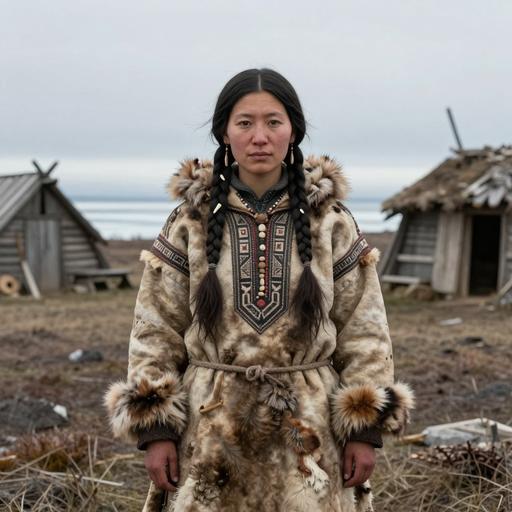
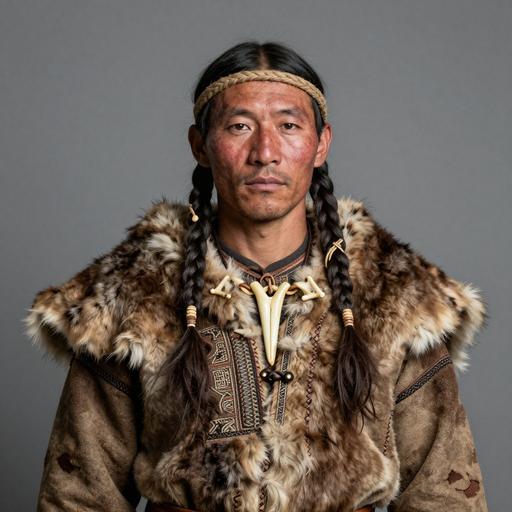
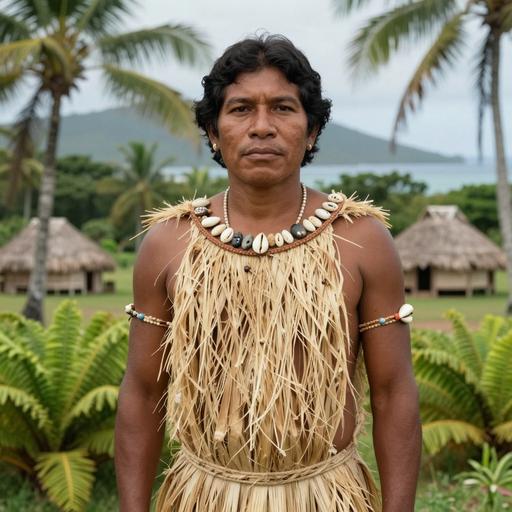
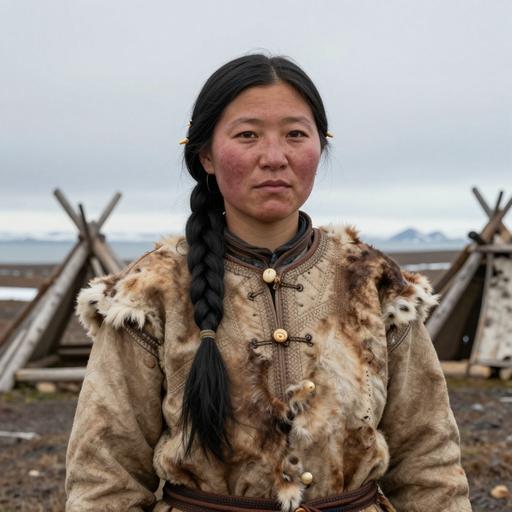
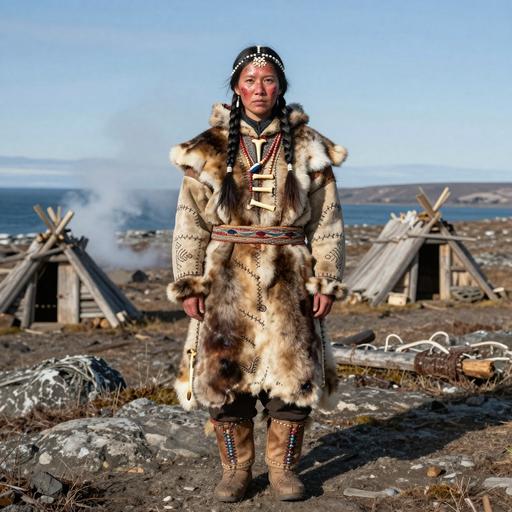
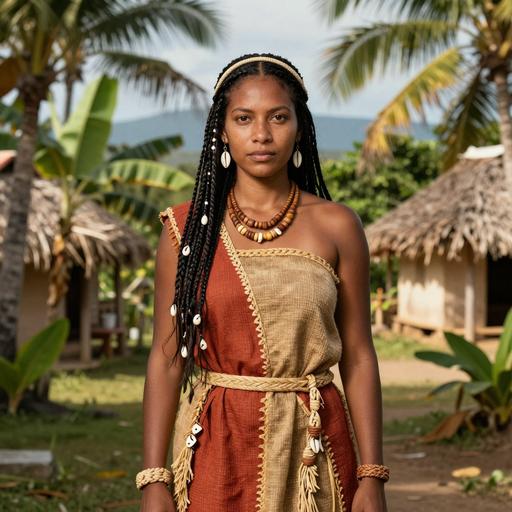
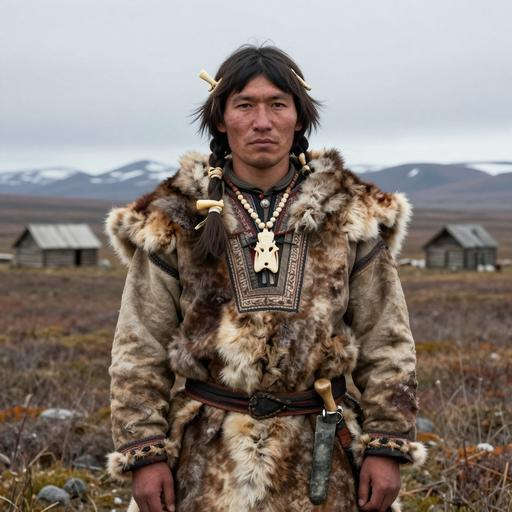
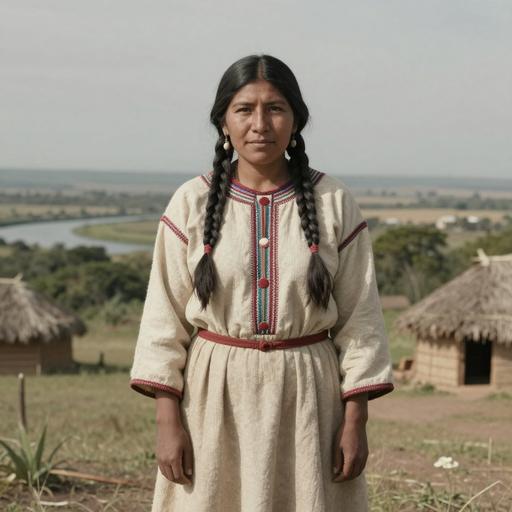
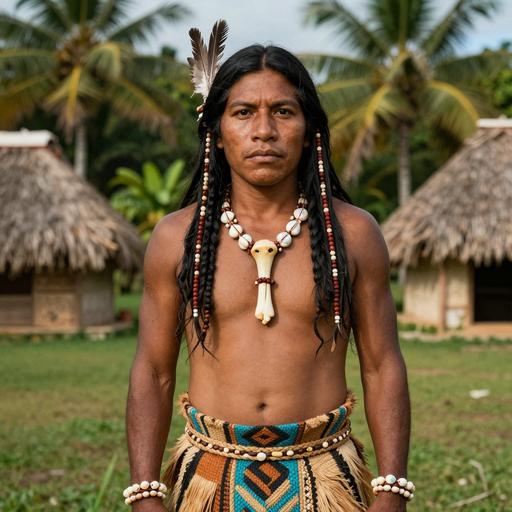
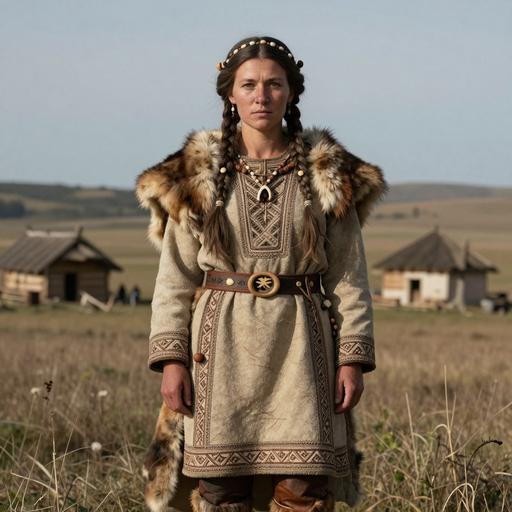
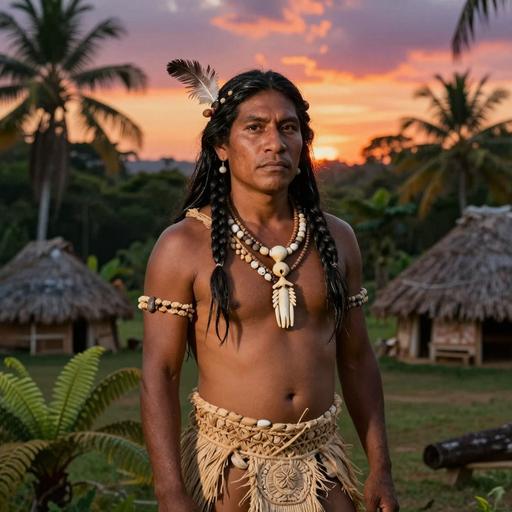
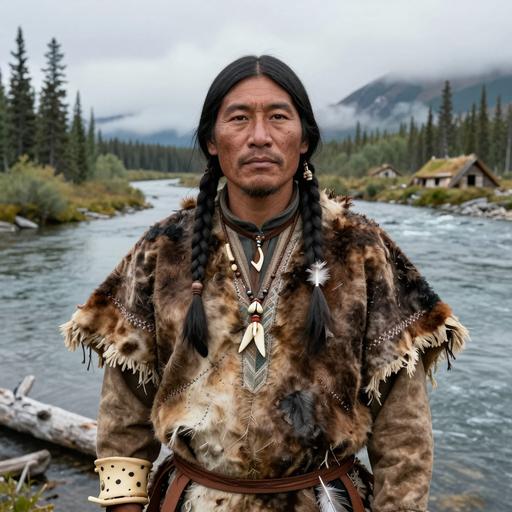
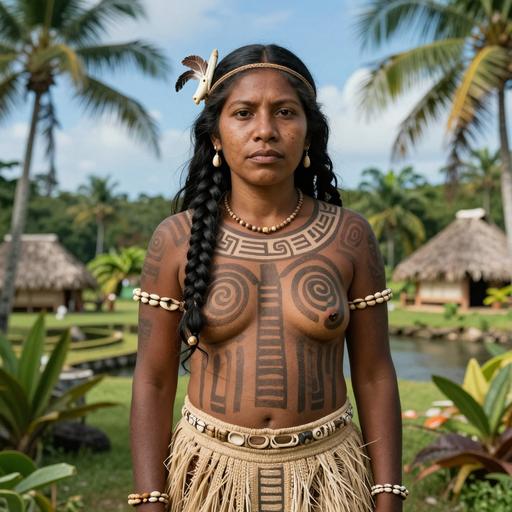
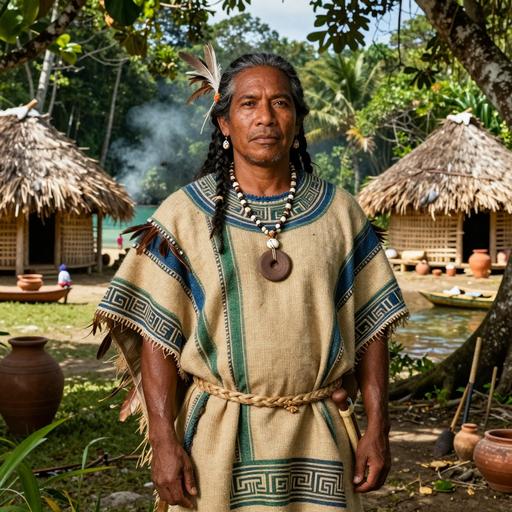
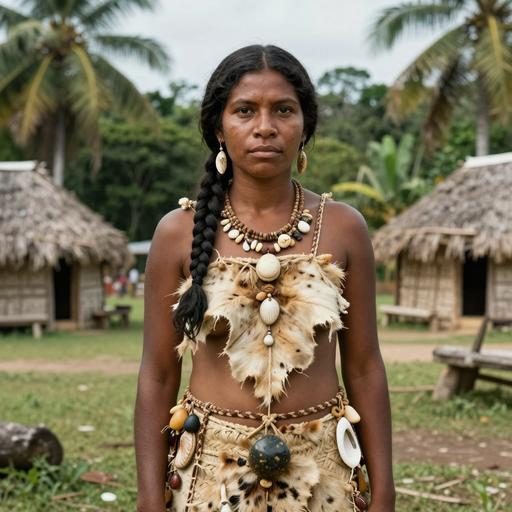
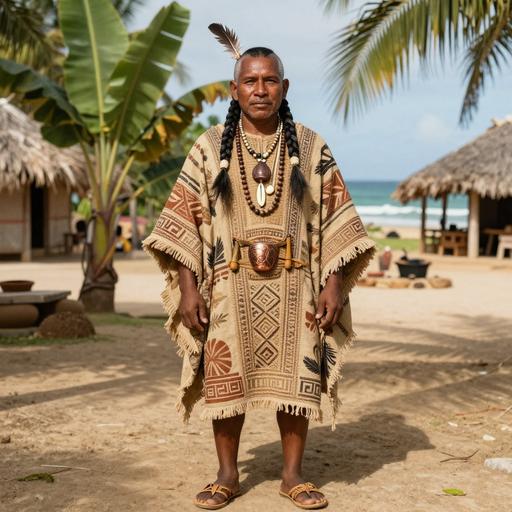
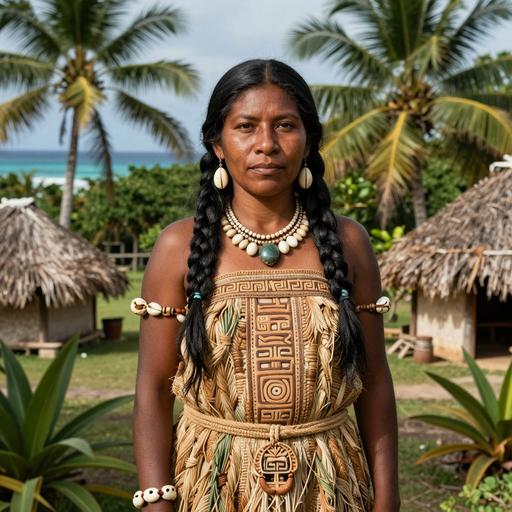
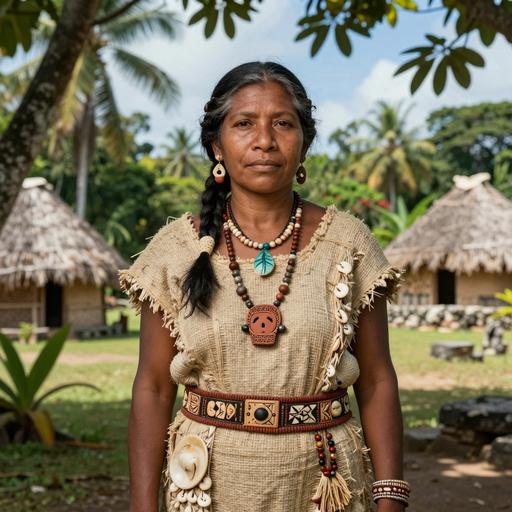
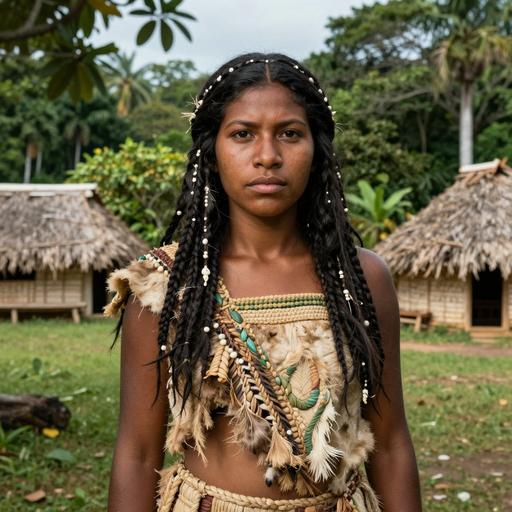
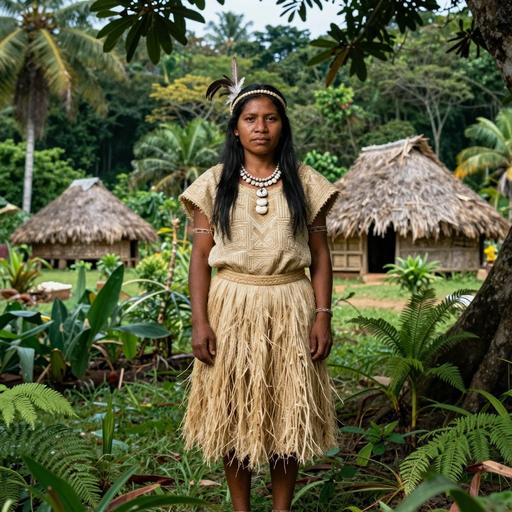
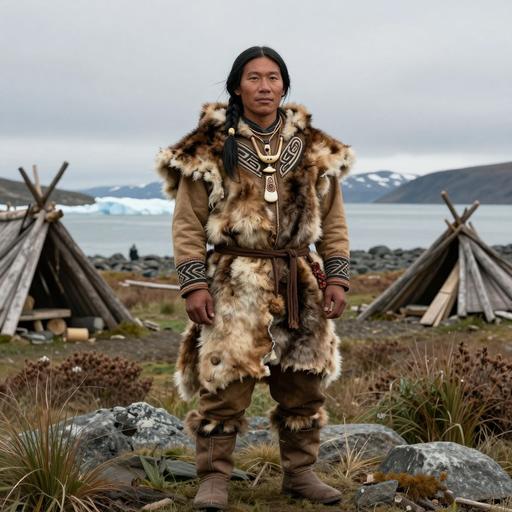
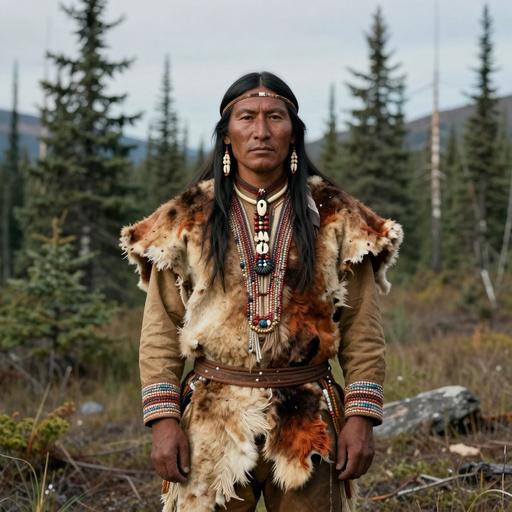
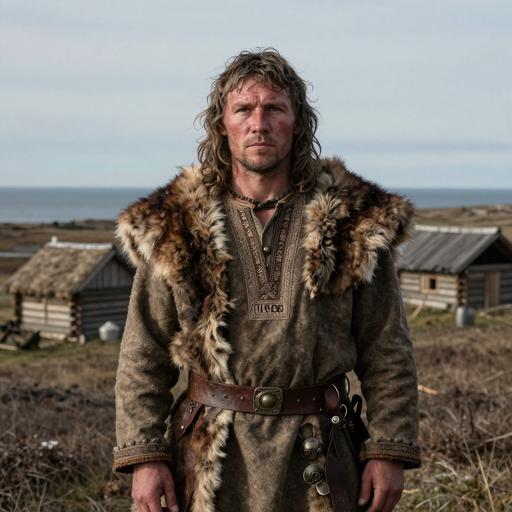
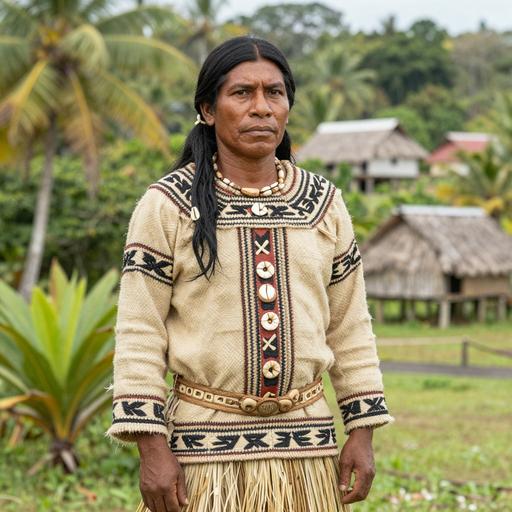
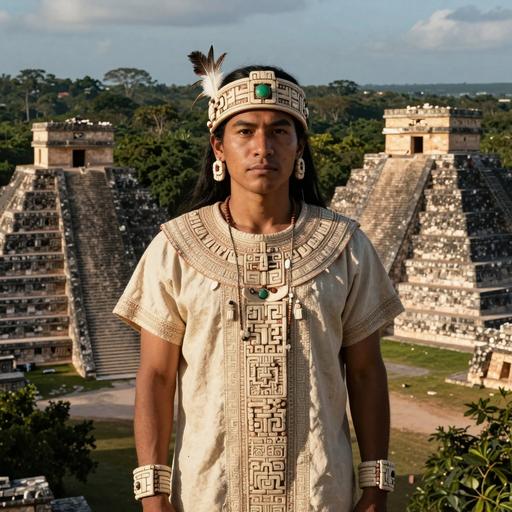
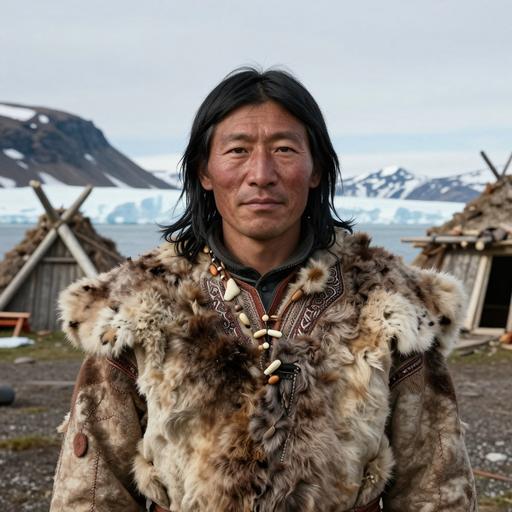
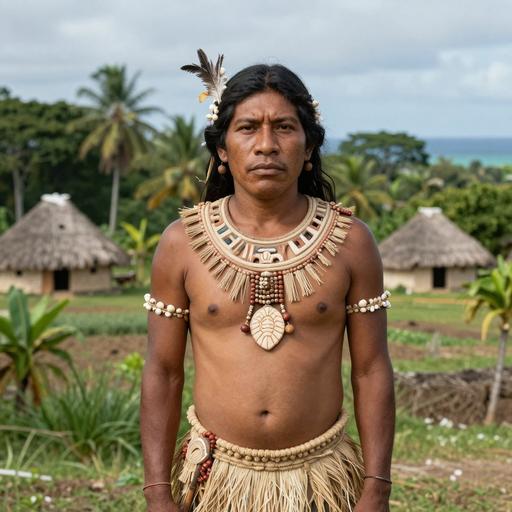
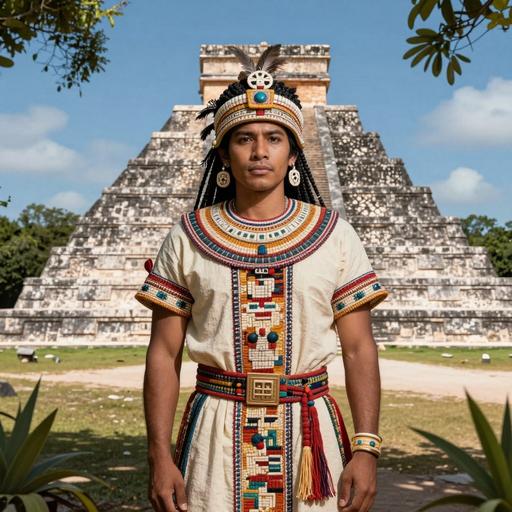
Os retratos são ilustrações geradas com IA. As etiquetas de amostra e os identificadores de acesso identificam os registros de referência.
Retrato
Mostrar
País
Época
Data
Cultura
mtDNA
Corresponder
Identificador de amostra: I1525
Russia
Old Bering Sea Culture Uelen, Russia
60 CE - 450 CE
Old Bering Sea Culture
A2a
Direct
Identificador de amostra: NEO242
Russia
Iron Age Ekven, Russia
122 CE - 303 CE
Ekven
A2a
Direct
Identificador de amostra: NEO242
Russia
Iron Age Beringia
122 CE - 303 CE
A2a
Direct
Identificador de amostra: I7342
Russia
Old Bering Sea Culture Ekven, Russia
348 BCE - 24 CE
Old Bering Sea
A2a
Direct
Identificador de amostra: I7342
Russia
Iron Age Beringia
348 BCE - 24 CE
A2a
Direct
Identificador de amostra: I7342
Russia
Iron Age Beringia
348 BCE - 24 CE
A2a
Direct
Identificador de amostra: PCA002
Puerto Rico
Ceramic Period Punta Candelero, Puerto Rico
500-1050 CE
Punta Candelero Culture
A2a
Direct
Identificador de amostra: I7333
Russia
Old Bering Sea Culture Ekven, Russia
510 CE - 890 CE
Old Bering Sea
A2a
Direct
Identificador de amostra: I7349
Russia
Old Bering Sea Culture Ekven, Russia
640 CE - 980 CE
Old Bering Sea
A2a
Direct
Identificador de amostra: I7349
Russia
Medieval Beringia
640 CE - 980 CE
A2a
Direct
Identificador de amostra: I7349
Russia
Medieval Beringia
640 CE - 980 CE
A2a
Direct
Identificador de amostra: I8550
Dominican Republic
Ceramic Period Andres, Dominican Republic
651-772 calCE (1340±15 BP, PSUAMS-8176)
Andres Ceramic
A2-a
Direct
Identificador de amostra: I7332
Russia
Old Bering Sea Culture Ekven, Russia
690 CE - 1070 CE
Old Bering Sea
A2a
Direct
Identificador de amostra: I12376
Argentina
Laguna Toro Site 2400 Years Ago
736-194 calBCE (2369±52 BP, UGAMS-16601)
Laguna Toro
A2-a
Direct
Identificador de amostra: PDI012013
Puerto Rico
Ceramic Period Paso del Indio, Puerto Rico
901-1159 calCE (1010±42 BP, AA-75124)
Paso del Indio Culture
A2-a
Direct
Identificador de amostra: NEO234
Russia
Iron Age Uelen, Russia
975 BCE - 801 BCE
Uelen Culture
A2a
Direct
Identificador de amostra: NEO234
Russia
Iron Age Beringia
975 BCE - 801 BCE
A2a
Direct
Identificador de amostra: PI-51
Puerto Rico
Ceramic Period Paso del Indio, Puerto Rico
994-1163 calCE (973±41 BP)
Paso del Indio Culture
A2-a
Direct
Identificador de amostra: I5320
USA
Ancient Athabaskan, Alaska, USA 1,100 Years Ago
1000-1450 CE
Athabaskan Culture
A2-a
Direct
Identificador de amostra: I5321
USA
Ancient Athabaskan, Alaska, USA 1,100 Years Ago
1000-1450 CE
Athabaskan Culture
A2-a
Direct
Identificador de amostra: I10759
Curacao
Ceramic Period de Savaan, Curacao
1200-1400 CE
de Savaan
A2-a
Direct
Identificador de amostra: I13204
Dominican Republic
Ceramic Period Juan Dolio, Dominican Republic
1200-1650 CE
Juan Dolio
A2-a
Direct
Identificador de amostra: I13207
Dominican Republic
Ceramic Period Juan Dolio, Dominican Republic
1200-1650 CE
Juan Dolio
A2-a
Direct
Identificador de amostra: I14994
Dominican Republic
Ceramic Period Los Corniel, Dominican Republic
1222-1273 calCE (793±20 BP, DSH-7155)
Los Corniel
A2-a
Direct
Identificador de amostra: I8549
Dominican Republic
Ceramic Period Andres, Dominican Republic
1228-1280 calCE (765±15 BP, PSUAMS-8189)
Andres Ceramic
A2-a
Direct
Identificador de amostra: MARC1492
Canada
Canada 700BP
1231 CE - 1295 CE
Late Prehistoric Canadian
A2-a
Direct
Identificador de amostra: MARC1492
Canada
North America Colonial Era
1231 CE - 1295 CE
A2-a
Direct
Identificador de amostra: CAO020
Cuba
Archaic Period Canimar Abajo, Cuba
1258-1055 calBCE (2952±22 BP, MAMS-44075)
Canimar Abajo
A2-a
Direct
Identificador de amostra: I13208
Dominican Republic
Ceramic Period Juan Dolio, Dominican Republic
1271-1378 calCE (710±20 BP, PSUAMS-7354)
Juan Dolio
A2-a
Direct
Identificador de amostra: I13201
Dominican Republic
Ceramic Period Juan Dolio, Dominican Republic
1307-1407 calCE (590±20 BP, PSUAMS-8806)
Juan Dolio
A2-a
Direct
Identificador de amostra: I17907
Dominican Republic
Ceramic Period Atajadizo, Dominican Republic
1322-1410 calCE (570±15 BP, PSUAMS-8970)
Atajadizo Ceramic
A2-a
Direct
Identificador de amostra: CAO016
Cuba
Archaic Period Canimar Abajo, Cuba
1400 BCE - 1300 CE
Canimar Abajo
A2-a
Direct
Identificador de amostra: I13199
Dominican Republic
Ceramic Period Juan Dolio, Dominican Republic
1402-1431 calCE (525±15 BP, PSUAMS-8179)
Juan Dolio
A2-a
Direct
Identificador de amostra: I1123
USA
Neo-Aleut Culture, Alaska, USA
1450 CE - 1820 CE
Neo-Aleut Culture
A2a
Direct
Identificador de amostra: I1123
USA
Medieval Beringia
1450 CE - 1820 CE
A2a
Direct
Identificador de amostra: 523a
USA
Athabaskan Culture, Alaska, USA
1800 CE - 1900 CE
Athabaskan Culture
A2a
Direct
Identificador de amostra: 523a
USA
The First Peoples of North America
1800 CE - 1900 CE
A2a
Direct
Identificador de amostra: NEO243
Russia
Iron Age Ekven, Russia
376 BCE - 119 BCE
Ekven
A2a2
Subclado
Identificador de amostra: NEO243
Russia
Iron Age Beringia
376 BCE - 119 BCE
A2a2
Subclado
Identificador de amostra: I13441
Puerto Rico
Ceramic Period Cabo Rojo 11, Puerto Rico
500-1500 CE
Cabo Rojo Culture
A2-a1
Subclado
Identificador de amostra: YCH023
Mexico
Maya Lowland Classic
550 CE - 1200 CE
Maya Classic
A2a3
Subclado
Identificador de amostra: YCH023
Mexico
Maya Lowland Classic
550 CE - 1200 CE
Maya Classic
A2a3
Subclado
Identificador de amostra: I7337
Russia
Old Bering Sea Culture Ekven, Russia
620 CE - 980 CE
Old Bering Sea
A2a2
Subclado
Identificador de amostra: I7965
Dominican Republic
Ceramic Period Cueva Juana, Dominican Republic
661-775 calCE (1305±20 BP, PSUAMS-8830)
Cueva Juana Ceramic
A2-a4
Subclado
Identificador de amostra: YCH037
Mexico
Maya Lowland Classic
667-774 calCE (1289±22 BP; MAMS-35824)
Maya Classic
A2a3
Subclado
Identificador de amostra: I7341
Russia
Old Bering Sea Culture Ekven, Russia
710 CE - 990 CE
Old Bering Sea
A2a1
Subclado
Identificador de amostra: I7341
Russia
Medieval Beringia
710 CE - 990 CE
A2a1
Subclado
Identificador de amostra: I7341
Russia
Medieval Beringia
710 CE - 990 CE
A2a1
Subclado
Identificador de amostra: I7344
Russia
Old Bering Sea Culture Ekven, Russia
730 CE - 1010 CE
Old Bering Sea
A2a1
Subclado
Identificador de amostra: I8294
Russia
Old Bering Sea Culture Uelen, Russia
990 CE - 1320 CE
Old Bering Sea Culture
A2a2
Subclado
Identificador de amostra: I1525
Old Bering Sea Culture Uelen, Russia - Russia - Uelen Chukotka. Bering Strait
Russia Old Bering Sea Culture Uelen, Russia 60 CE - 450 CE
A2aDirect
Identificador de amostra: NEO242
Iron Age Ekven, Russia - Russia - Ekven
Russia Iron Age Ekven, Russia 122 CE - 303 CE
A2aDirect
Identificador de amostra: NEO242
Russia Iron Age Beringia 122 CE - 303 CE
A2aDirect
Identificador de amostra: I7342
Old Bering Sea Culture Ekven, Russia - Russia - Chukotka. Bering Strait. Ekven
Russia Old Bering Sea Culture Ekven, Russia 348 BCE - 24 CE
A2aDirect
Identificador de amostra: I7342
Russia Ekven OldBeringSea lc - Chukotka. Bering Strait. Ekven
Russia Iron Age Beringia 348 BCE - 24 CE
A2aDirect
Identificador de amostra: I7342
Russia Iron Age Beringia 348 BCE - 24 CE
A2aDirect
Identificador de amostra: PCA002
Ceramic Period Punta Candelero, Puerto Rico - Puerto Rico - Humacao. Punta Candelero
Puerto Rico Ceramic Period Punta Candelero, Puerto Rico 500-1050 CE
A2aDirect
Identificador de amostra: I7333
Old Bering Sea Culture Ekven, Russia - Russia - Chukotka. Bering Strait. Ekven
Russia Old Bering Sea Culture Ekven, Russia 510 CE - 890 CE
A2aDirect
Identificador de amostra: I7349
Old Bering Sea Culture Ekven, Russia - Russia - Chukotka. Bering Strait. Ekven
Russia Old Bering Sea Culture Ekven, Russia 640 CE - 980 CE
A2aDirect
Identificador de amostra: I7349
Russia Medieval Beringia 640 CE - 980 CE
A2aDirect
Identificador de amostra: I7349
Russia Ekven OldBeringSea dup.I7349.SG - Chukotka. Bering Strait. Ekven
Russia Medieval Beringia 640 CE - 980 CE
A2aDirect
Identificador de amostra: I8550
Ceramic Period Andres, Dominican Republic - Dominican Republic - Andres
Old Bering Sea Culture Ekven, Russia - Russia - Chukotka. Bering Strait. Ekven
Russia Old Bering Sea Culture Ekven, Russia 710 CE - 990 CE
A2a1Subclado
Identificador de amostra: I7341
Russia Medieval Beringia 710 CE - 990 CE
A2a1Subclado
Identificador de amostra: I7341
Russia Ekven OldBeringSea - Chukotka. Bering Strait. Ekven
Russia Medieval Beringia 710 CE - 990 CE
A2a1Subclado
Identificador de amostra: I7344
Old Bering Sea Culture Ekven, Russia - Russia - Chukotka. Bering Strait. Ekven
Russia Old Bering Sea Culture Ekven, Russia 730 CE - 1010 CE
A2a1Subclado
Identificador de amostra: I8294
Old Bering Sea Culture Uelen, Russia - Russia - Uelen Chukotka. Bering Strait
Russia Old Bering Sea Culture Uelen, Russia 990 CE - 1320 CE
A2a2Subclado
MATERNAL LINHAGEM · DNA ANTIGO
Mapa de testes de linhagems antigos
Siga os clados superiores até este ramo e explora onde se encontraram portadores antigos.
A carregar as observações antigas...
A redução do movimento está activada. Use a cronologia ou Mostrar tudo para explorar o seu ritmo.
Ler as observações numa tabela
Observações antigas visíveis por ramo, período e ponto médio da data
Ramada
Período
Intervalo de datas
Mostrar
Identificador de amostra
Localização
Haplogrupo
Relação
Os marcadores são locais de achados arqueológicos. Uma linha de descontínua representa uma transição geográfica proposta e incerta entre ramos consecutivos, apoiada em várias observações fechadas; não é uma rota de viagem exata, um local de nascimento ou um teste de descendência direta. As amostras do clado parental podem pertencer a outros ramos descendentes. As datas das amostras são distintas das datas de formação dos haplogrupos são mantidas.
O agrupamento por período histórico reflete quando viveu cada indivíduo antigo e combina todos os ramos desta cadeia de linhagems; não é uma sequência migratória nem uma cronologia pessoal entre períodos.
Perfil de Referência
Mapa de distribuição de portadores
Distribuição geográfica das amostras de DNA antigo (58), portadores directos ou de subclasses de A2A
Portador directo Portador de um subclasse
Filtro de Período Temporária
Todos os períodos
Mostrar todas as amostras
Perfil de Referência
Distribuição temporária
Distribuição de portadores por períodos arqueológicos
Perfil de Referência
Distribuição geográfica
Recuentos por país registrado das amostras. Reflejam a seleção de referência disponível, não frequências de população.
Perfil de Referência
Distribuição por país e época
Compare as contagens de amostras registadas por países e períodos arqueológicos. Selecione uma célula com dados para examinar uma amostra.
Dados
Dados e proveniência
Informações sobre fontes e qualidade dos dados
Última actualização2026-02-16
Pontuação de confiança50/100
CoberturaLow
Fonte de Dados
A classificação, as datas estimadas e o contexto geográfico refletem os dados de referência registrados e podem mudar ao revisar os testes. A cobertura de amostras é desigual; os locais registrados e as associações arqueológicas não estabelecem a origem pessoal nem a identidade cultural.