Saltar para o conteúdo principal
mtDNA · Materno linaje

N1A1

mtDNA Haplogroup N1A1

Um perfil de referência de um ramo de linhagem. Compartilhar haplogrupos não demonstra uma relação familiar ou uma identidade cultural.

Perfil de Referência

Contexto do ramo

Contexto histórico de la rama de linaje mtDNA N1A1

Origins and Evolution

Haplogroup N1A1 is a downstream branch of the broader N1a clade (itself a descendant of macro-haplogroup N) and occupies an intermediate position in the mtDNA phylogeny linking parent and more derived lineages. Coalescence estimates for the N1a family generally place its origin in the early Holocene or late Pleistocene; the N1A1 node is therefore plausibly dated to the early Holocene (~12 kya), consistent with a Near Eastern/Anatolian origin followed by dispersal during the Neolithic transition.

The clade shows the typical pattern of a lineage that diversified in a source region (Near East/Anatolia) and later contributed to the maternal gene pool of expanding farming populations. Ancient DNA studies have repeatedly identified N1a sublineages among Early European Farmer (EEF) assemblages, supporting the role of N1a derivatives in the Neolithic demic expansion into Europe.

Subclades

N1A1 functions as an intermediate node with downstream subclades (for example, documented clades such as N1A1a and related branches in Phylotree) that show further geographic structuring. Some of these daughter lineages are observed in ancient Neolithic contexts in central and eastern Europe, while others are detected in modern populations across the Near East and the Caucasus. The detailed internal structure and full catalogue of subclades remain subjects of ongoing mtDNA sequencing and phylogenetic refinement.

Geographical Distribution

The geographic pattern for N1A1 is consistent with a Near Eastern/Anatolian origin and a subsequent spread into Europe during the Neolithic. Observations from ancient and modern DNA indicate:

  • High incidence in Anatolian/Levantine and Near Eastern contexts for the ancestral N1a family and related branches.
  • Presence in Early European Farmer (EEF) remains, especially in Linearbandkeramik (LBK) and other early Neolithic contexts in Central Europe, where some N1a sublineages were comparatively common relative to later periods.
  • Low-to-moderate frequencies in modern European populations, concentrated in Central and Eastern Europe, and detectable at low frequencies in the Caucasus and parts of Central Asia and North Africa, reflecting ancient dispersal and subsequent demographic processes.

Modern distribution is patchy: N1A1 and its immediate descendants occur at low frequencies in many regions and at higher relative frequencies in localized Near Eastern and some European ancient samples. Ongoing sampling in undersampled regions (e.g., parts of the Caucasus and Anatolia) continues to refine the picture.

Historical and Cultural Significance

The most prominent cultural association for N1A1 and related N1a lineages is with the Neolithic farming expansion out of Anatolia into Europe. Ancient DNA from early Neolithic archaeological cultures (notably LBK/Early European Farmers and Anatolian farmer contexts) includes N1a-derived mtDNA, making these haplogroups useful markers for tracing maternal ancestry associated with the spread of agriculture.

Because of later demographic events (Bronze Age migrations, local drift, and population replacements), many N1a lineages that were relatively common in early Neolithic Europe decline in frequency in later prehistoric and modern populations. This pattern makes N1A1 especially informative in ancient DNA studies where it can indicate direct maternal ancestry stemming from early farming communities.

Conclusion

N1A1 is a Near Eastern/Anatolian-rooted mtDNA subclade within the N1a family that played a role in the maternal signatures of the Neolithic demic expansion into Europe. While often seen at low-to-moderate frequencies in modern populations, its presence in ancient farmer remains gives it outsized value for reconstructing early agricultural dispersals and maternal lineage continuity or replacement during the Holocene. Continued high-resolution sequencing of both modern and ancient samples will clarify the internal branching of N1A1 and refine its geographic and temporal history.

Pontos- Chave

  • Origins and Evolution
  • Subclades
  • Geographical Distribution
  • Historical and Cultural Significance
  • Conclusion

Perfil de Referência

Árvore e relações

Contexto filogenético e subclasse

Trajectória evolutiva

Sigue las ramas superiores registradas hasta N1A1. Las fechas son estimaciones y pueden cambiar al revisarse los datos de referencia.
Passos Haplogrupo Antiguidade estimada Época arqueológica Tempo decorrido Subclasses imediatas Portadores modernos analisados Referências antigas
1 N1A1 Actual ~12,000 years ago Neolithic 12,000 years 2 660 0
2 N1A1'2 - - - 2 662 0
3 N1A ~13,000 years ago Mesolithic 13,000 years 2 688 6
4 N1 ~45,000 years ago Paleolithic 45,000 years 3 906 21
5 N1'5 - - - 2 955 0
6 N ~60,000 years ago Paleolithic 60,000 years 16 26,150 13
7 L3 ~70,000 years ago Paleolithic 70,000 years 7 30,162 6
8 L3'4 - - - 2 30,212 0
9 L3'4'6 - - - 2 30,216 0
10 L2'3'4'6 - - - 2 31,333 0
11 L2'3'4'5'6'7 - - - 2 31,349 0
12 L1'2'3'4'5'6'7 - - - 2 31,852 0
13 L ~160,000 years ago Paleolithic 160,000 years 2 32,236 5

Ramas hermanas (1)

Outros ramos do mesmo haplogrupo superior

Perfil de Referência

No mundo

Distribuição geográfica e presença moderna

Origem registada

Near East / Anatolia

Distribuição moderna

The populations where mtDNA haplogroup N1A1 is found include:

  1. Early European Farmers (Linearbandkeramik and other early Neolithic groups)
  2. Modern populations of Anatolia and the Levant
  3. Modern and ancient populations of the Caucasus (Armenia, Georgia)
  4. Central and Eastern European populations (low-to-moderate frequencies)
  5. Some Central Asian groups (low frequency, sporadic)
  6. Occasional detections in North African populations (low frequency)
Contexto Histórico

Uma ramificação através do tempo

Formação estimada em uma cronologia histórica ampla. Os marcadores temporais contribuem contexto e não implicam relação com culturas concretas.

  1. ~12k años de antigüedad

    Haplogrupo N1A1

    Formação estimada deste ramo mtDNA; as datas e localizações são estimativas de referência.

    Este ramo
  2. ~10k años de antigüedad

    Revolução neolítica

    Início da agricultura e formação de comunidades sedentárias

  3. ~5k años de antigüedad

    Idade do Bronze

    Metalurgia, escrita e primeiras civilizações

  4. ~3k años de antigüedad

    Idade do Ferro

    Ferramentas de ferro e ampliação de redes comerciais

  5. ~2.5k años de antigüedad

    Antiguidades clássicas

    Desenvolvimento das civilizações grega e romana

  6. Actualidad

    Actualidad

    Idade moderna

Perfil de Referência

Contexto arqueológico

Asociaciones arqueológicas registradas para la rama mtDNA N1A1

Associações registradas

Esses rótulos descrevem os contextos arqueológicos registrados para as amostras de referência vinculadas a N1A1. Uma associação não demonstra que todos os portadores pertenceram a uma cultura ou seguiram uma rota migratória específica.

Alföld Linear Pottery Baja PPNB Cardial Culture Czech Neolithic Hungary_C_Bodrogkeresztur Hungary_LateC_Yamnaya Linear Pottery Culture PPNA Anatolia PPNB Culture Shanidar Culture Starčevo Culture Tisza Culture
As atribuições culturais baseiam-se no contexto arqueológico das amostras de DNA antigo e podem representar associações regionais de períodos concretos.
Perfil de Referência

Catálogo de amostras

1 portador directo y 99 portadores de subclados del haplogrupo N1A1

10 mostradas 50 amostras correspondentes

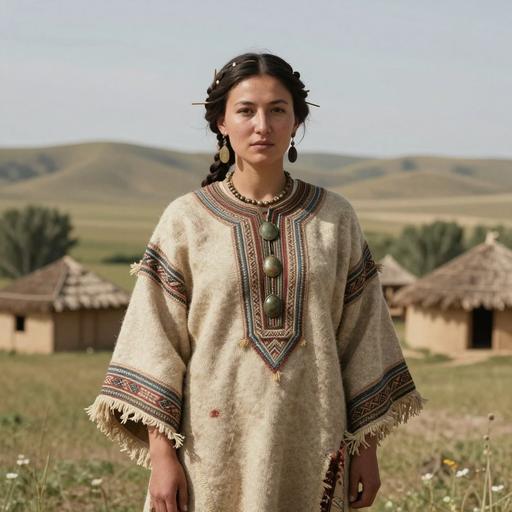
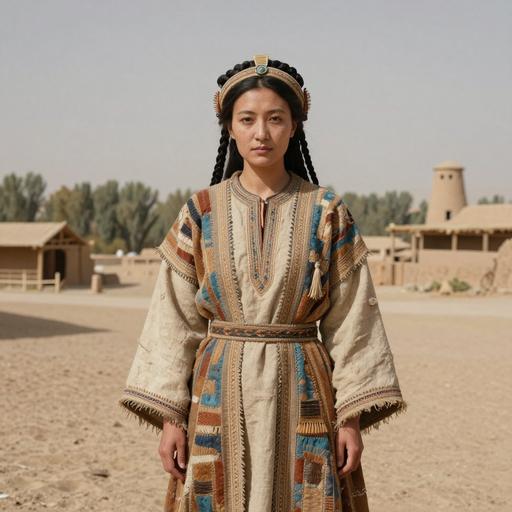
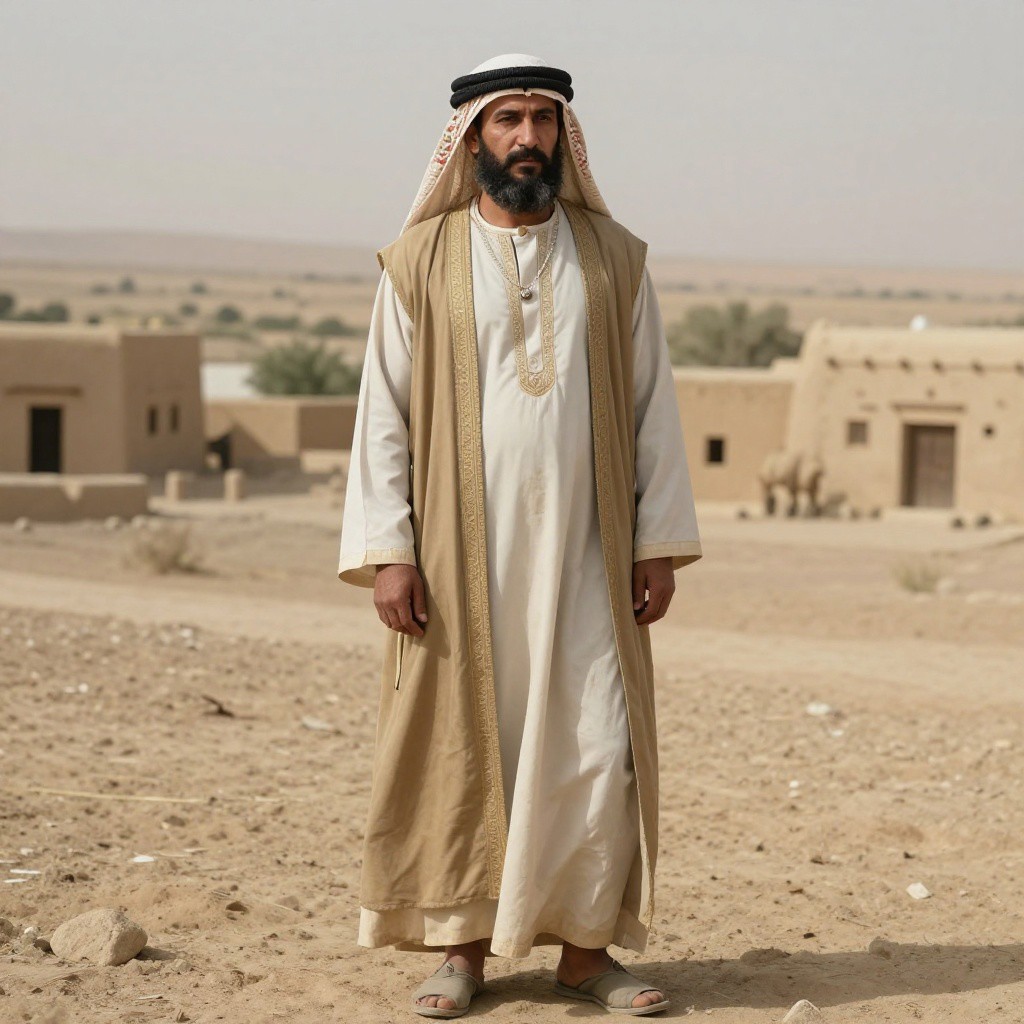
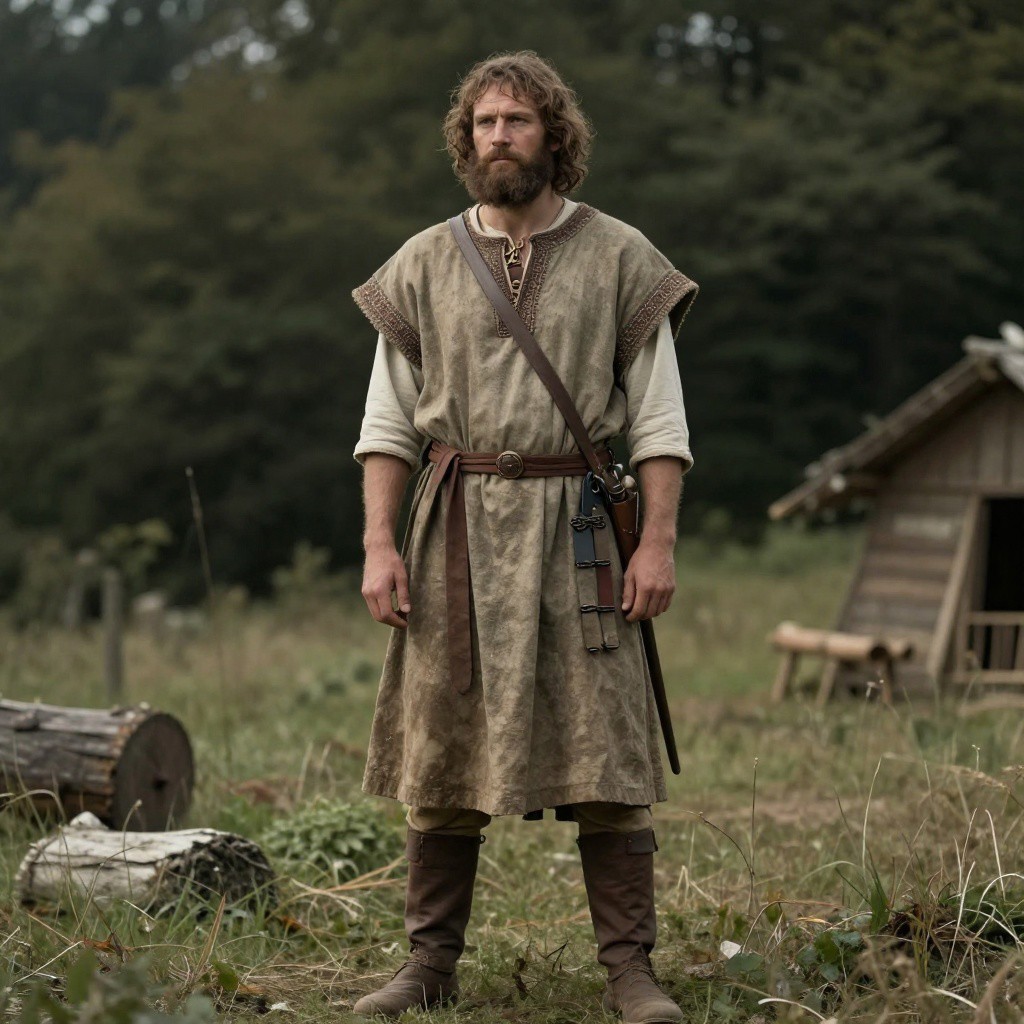
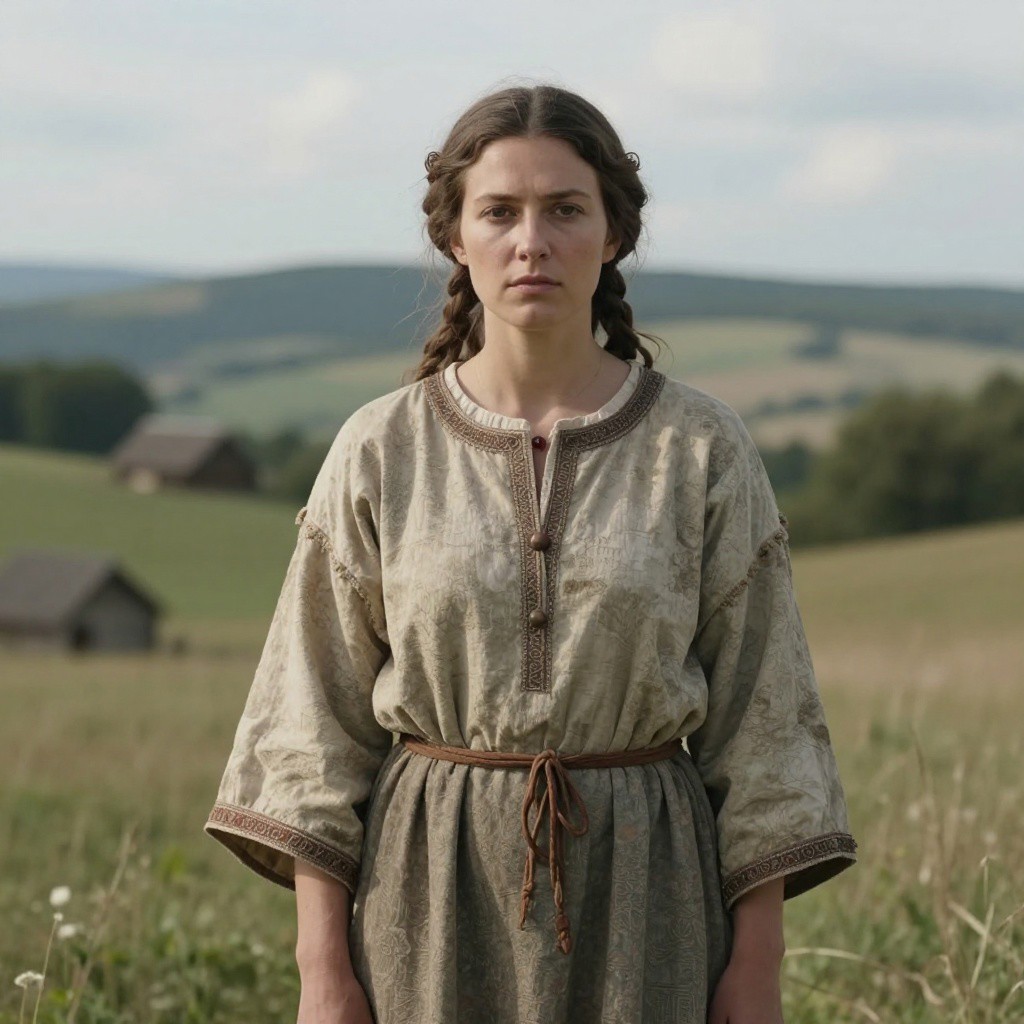
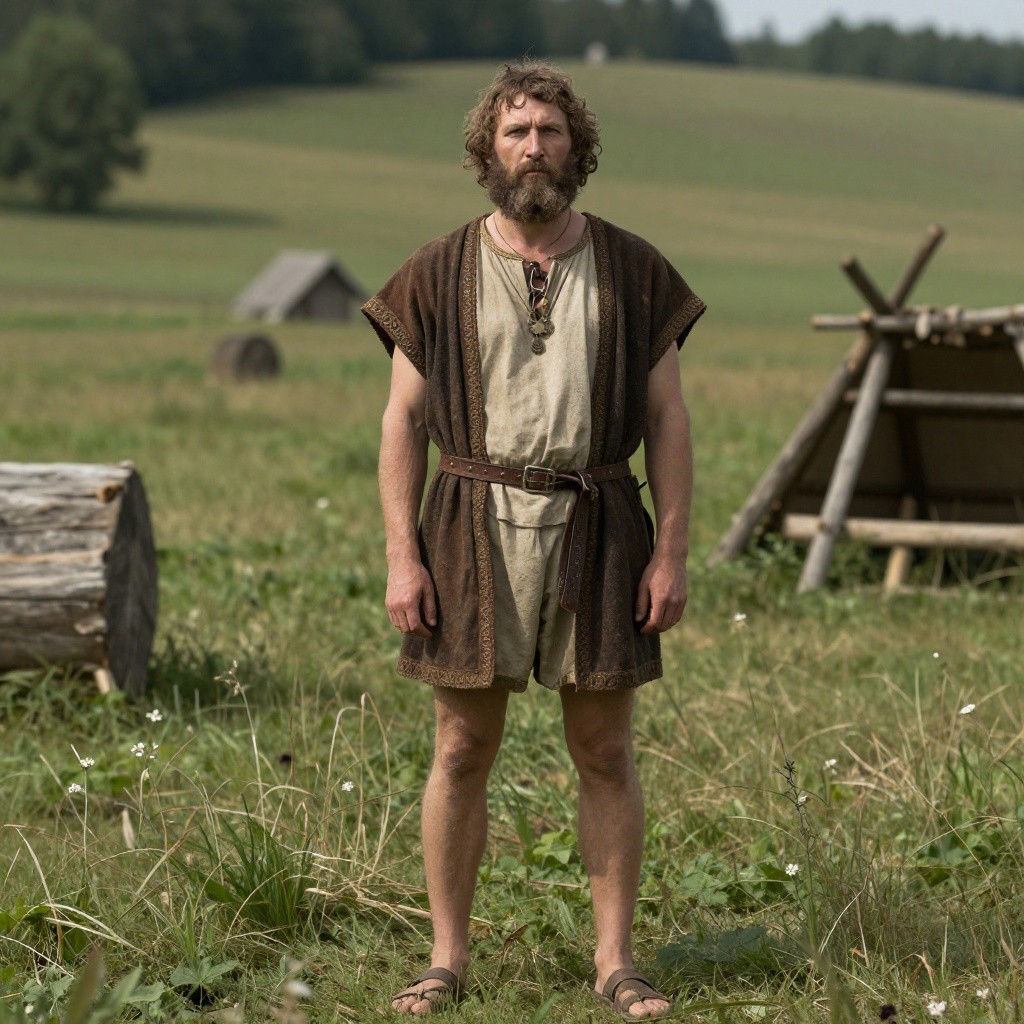
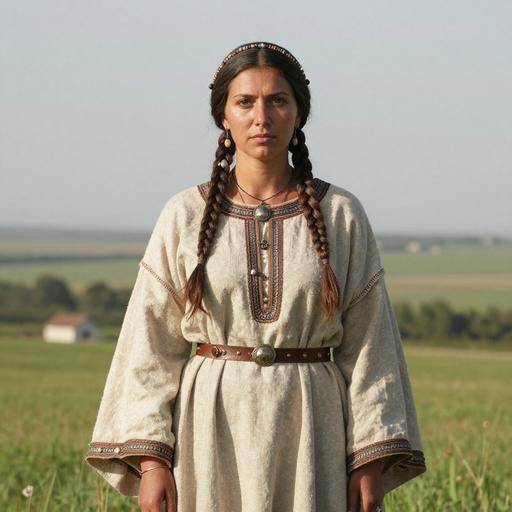
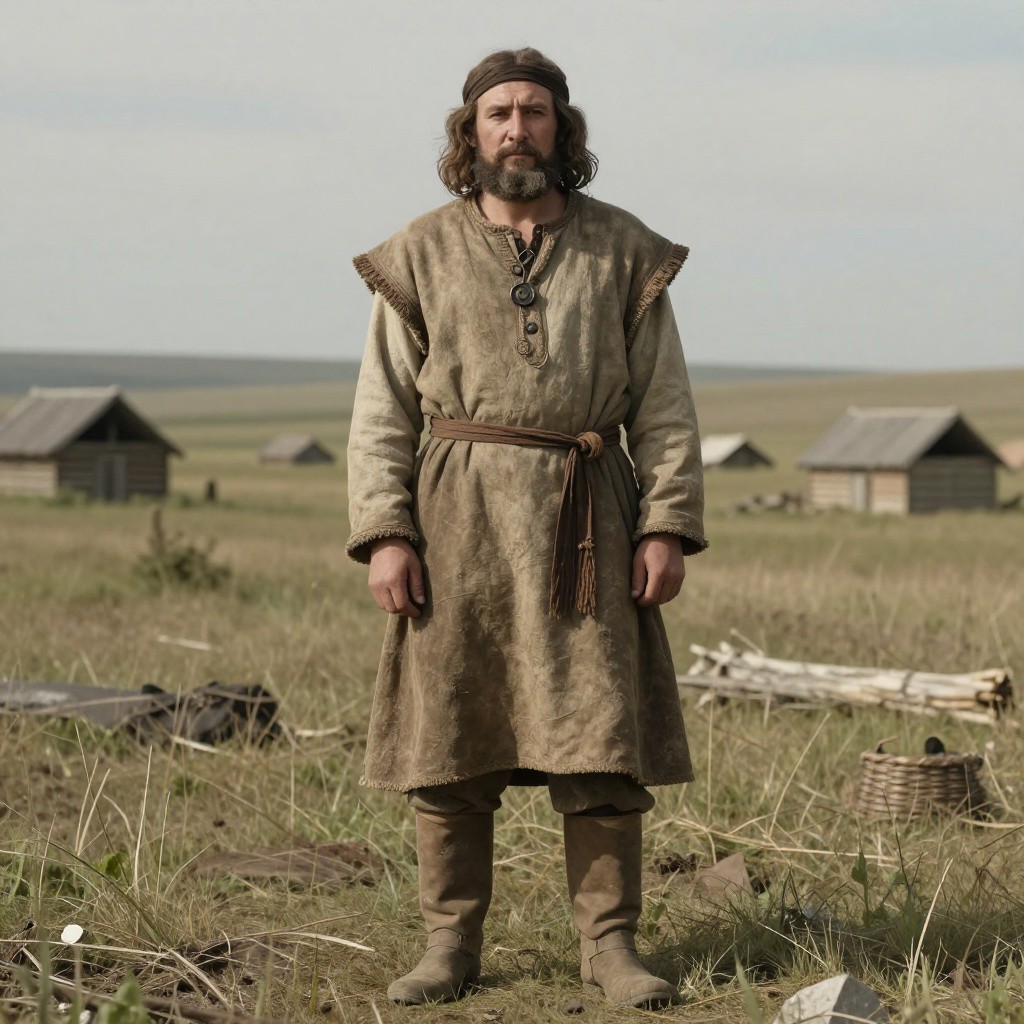
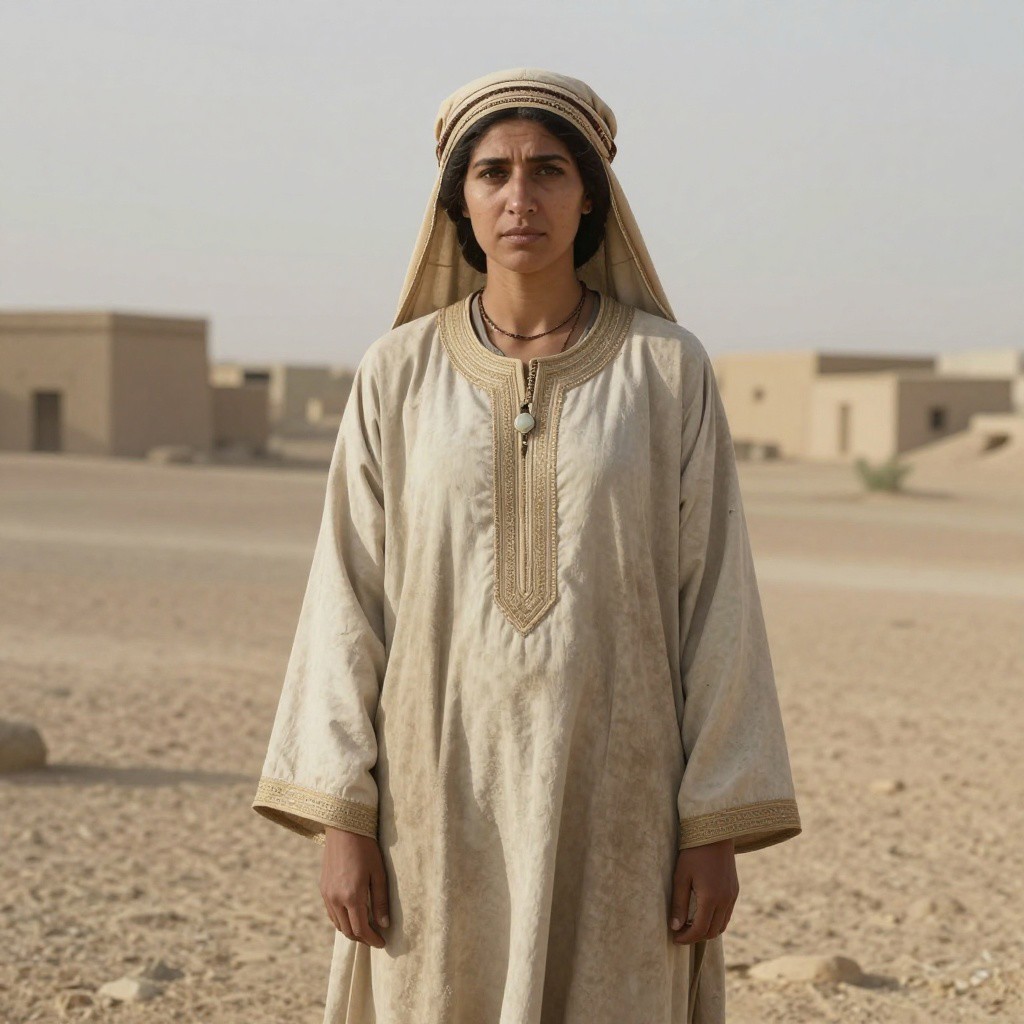
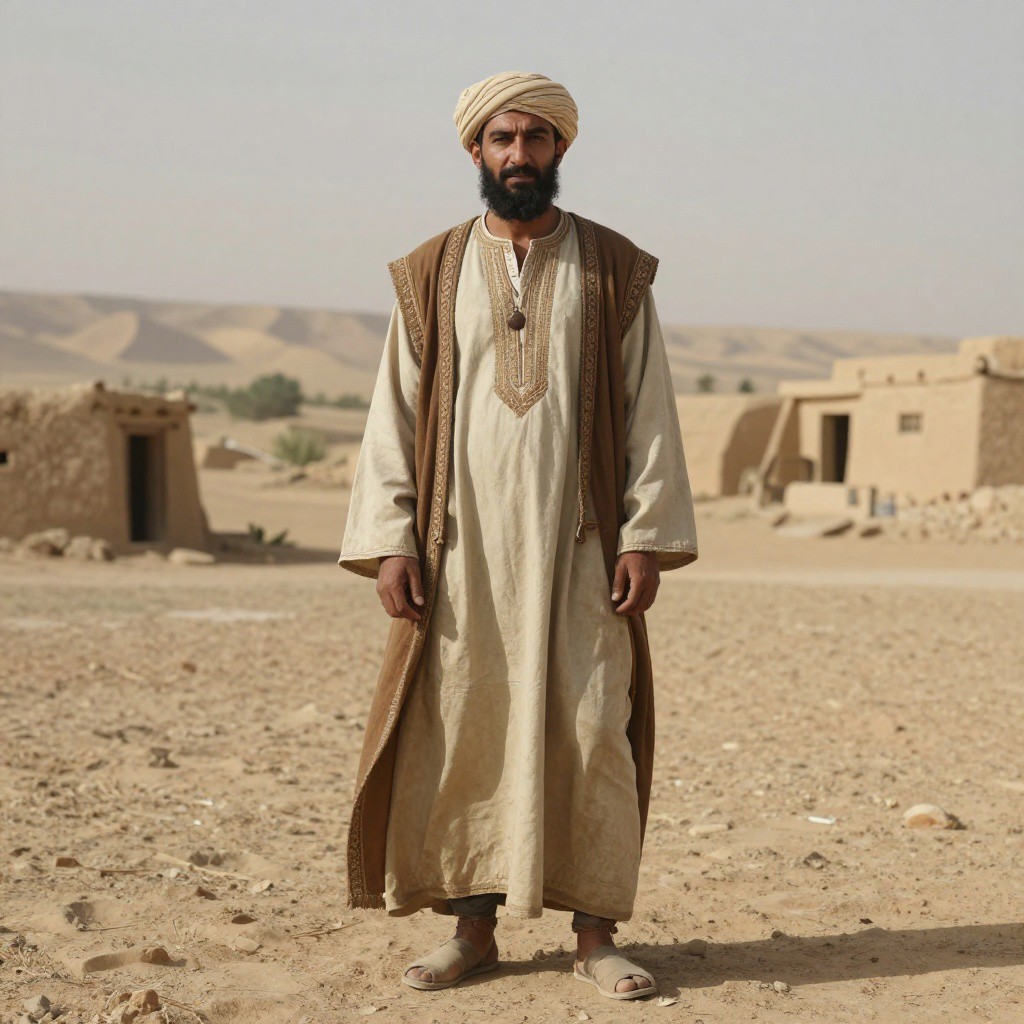
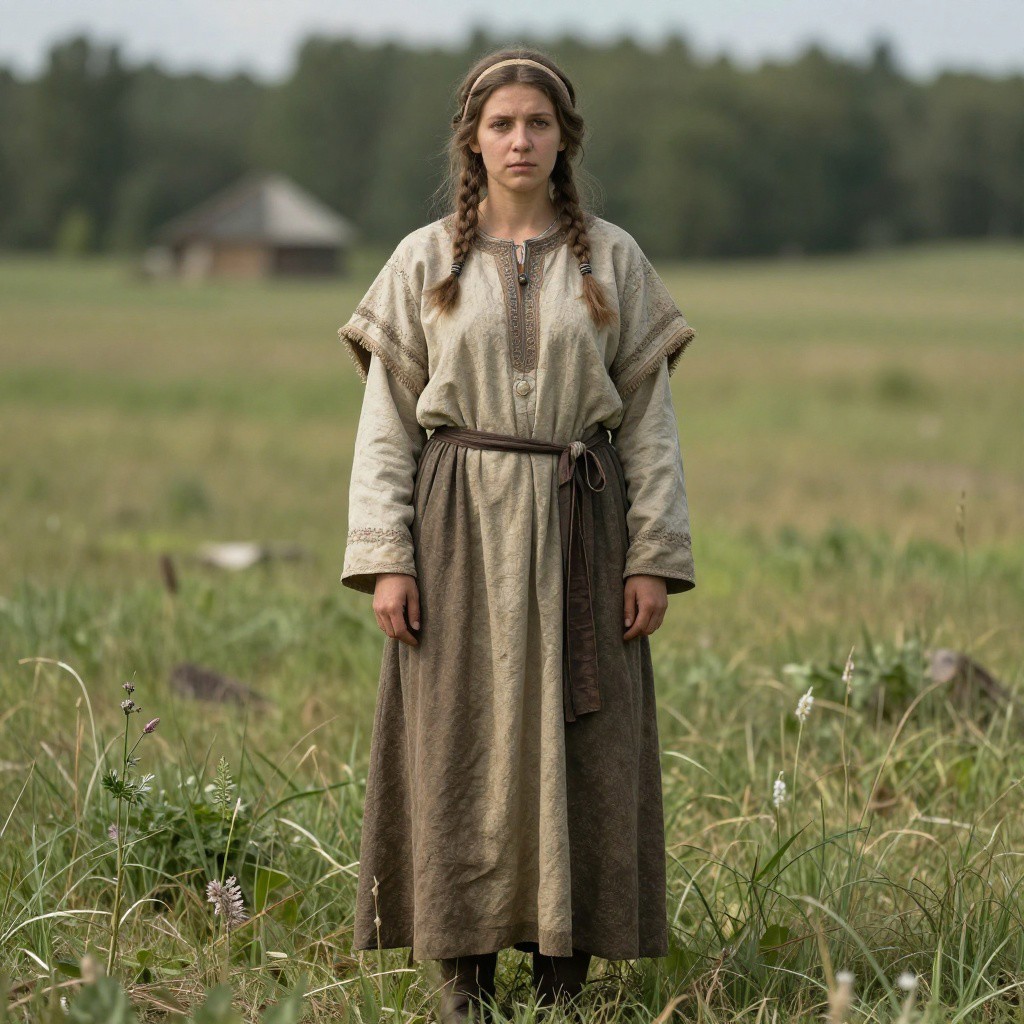
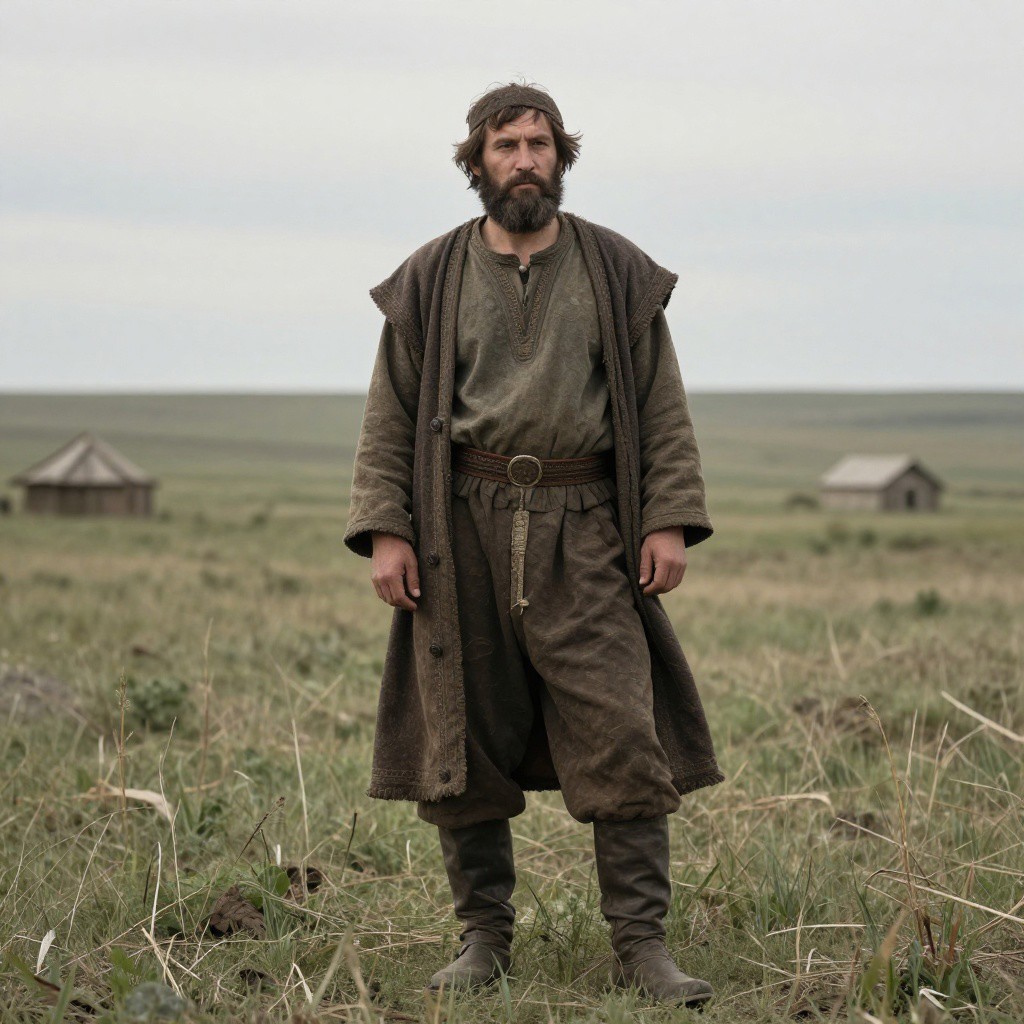
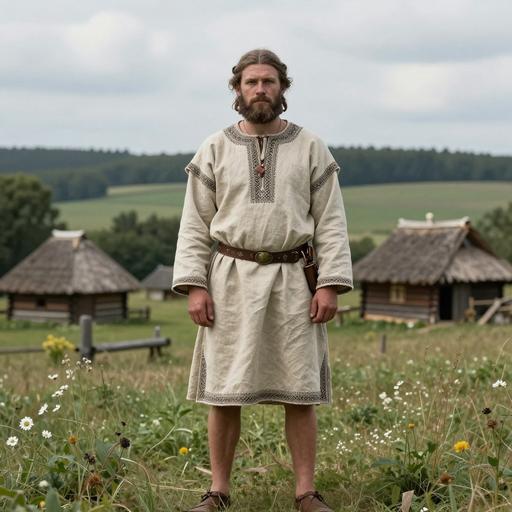
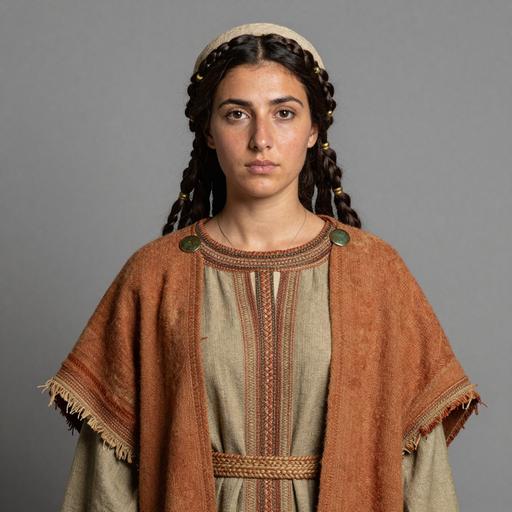
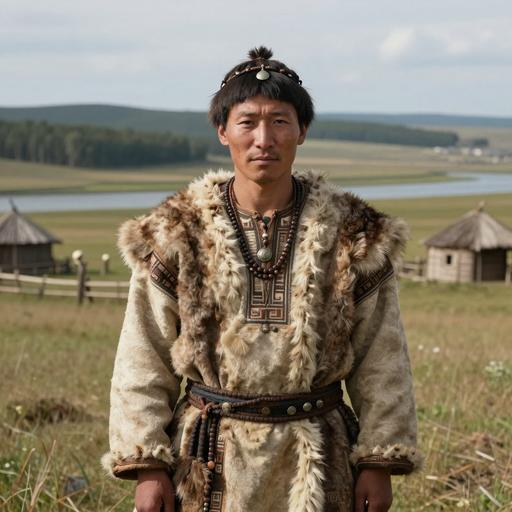
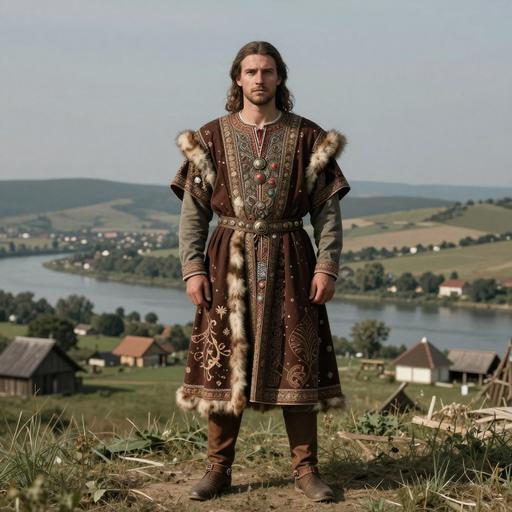
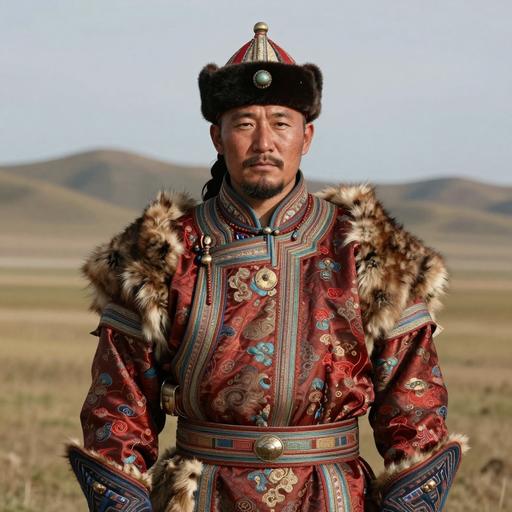
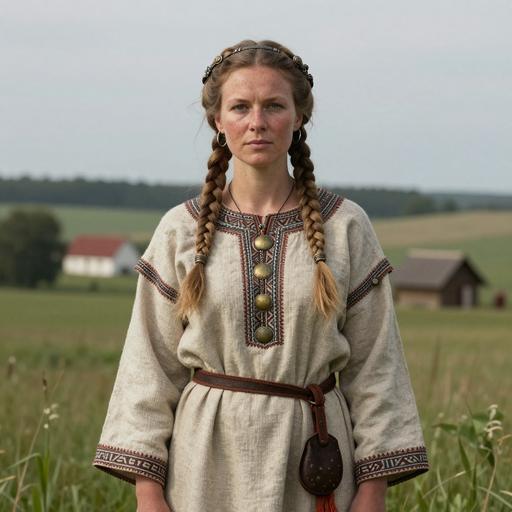
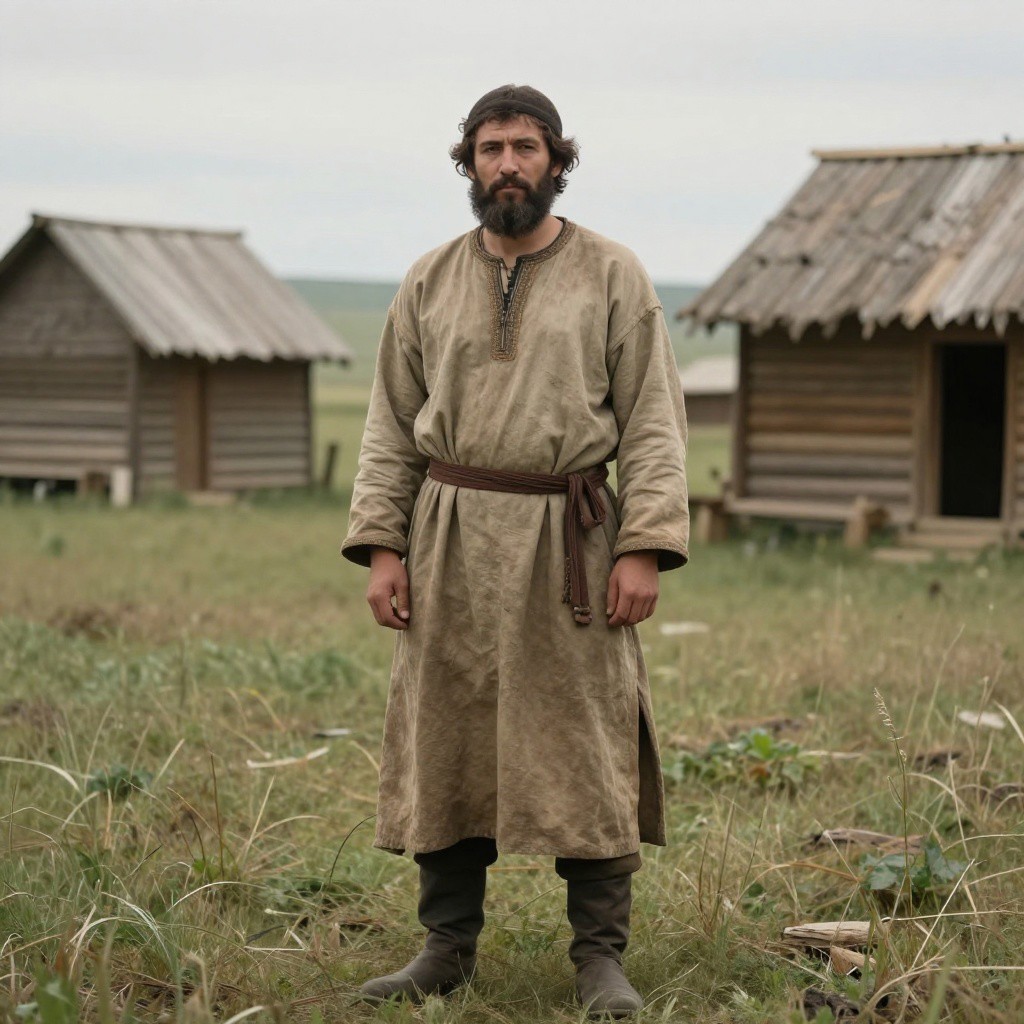
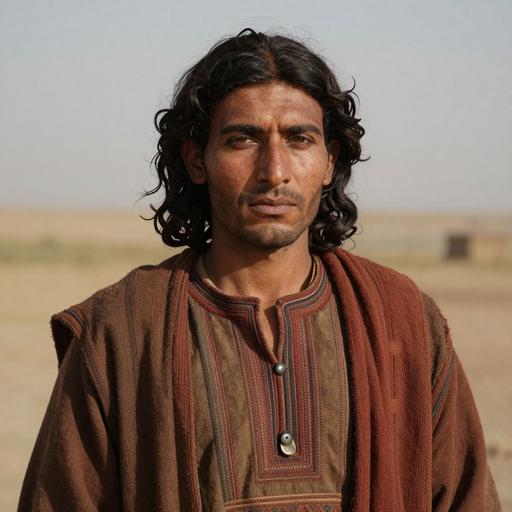
Os retratos são ilustrações geradas com IA. As etiquetas de amostra e os identificadores de acesso identificam os registros de referência.

Retrato Mostrar País Época Data Cultura mtDNA Corresponder
Retrato ilustrativo de Late C Yamnaya individual, Kunhegyes-Nagyállás-halom (Hajdú-Bihar County, Hajdúnánás), Hungary (2,977-2,573 BCE) gerado com IA
Identificador de amostra: I18101
Hungary Hungary LateC Yamnaya 2950-2600 BCE Hungary_LateC_Yamnaya N1a1 Direct
Retrato ilustrativo de Imperial Roman individual, Apollonia (Marmara. Bursa. Gölyazı), Turkey (100 BCE-200 CE) gerado com IA
Identificador de amostra: I16584
Turkey Roman Period 2 Turkey 100 BCE - 200 CE Middle Roman Anatolia N1a1b1 Subclado
Retrato ilustrativo de Tyumen EIA Sargatka individual, Ipkul' (Tyumen Oblast, Nizhnetavdinsky District, Ipkul' Village), Russia (176-524 CE) gerado com IA
Identificador de amostra: I33844
Russia Russia Tyumen EIA Sargatka 200-500 CE Russia_Tyumen_EIA_Sargatka N1a1a1a1a Subclado
Retrato ilustrativo de IA individual, Southern Urals. Borovoye Hillfort, Kazakhstan (200 BCE-100 CE) gerado com IA
Identificador de amostra: BRV001
Kazakhstan Iron Age Kazakhstan 200 BCE - 100 CE Kazakh Iron Age N1a1a1a1a Subclado
Retrato ilustrativo de IA Wielbark individual, Masłomęcz (Lublin Province, Hrubieszów County, Hrubieszów), Poland (200-400 CE) gerado com IA
Identificador de amostra: PCA0111
Poland Wielbark Culture 200-400 CE Wielbark N1a1a1a2 Subclado
Retrato ilustrativo de EIA IA Sargatka individual, Western Siberia. Bitiya Burial Ground. Bitiya#228/25. mound 4, Russia (300-100 BCE) gerado com IA
Identificador de amostra: BIY009
Russia Iron Age Sargat Culture, Russia 300-100 BCE Sargat Culture N1a1a1a1a Subclado
Retrato ilustrativo de LIA MIA individual, Noord-Holland. Uitgeest-Dorregeest, Netherlands (356-57 BCE) gerado com IA
Identificador de amostra: I12907
Netherlands Middle to Late Iron Age Netherlands 356-57 calBCE (2160±30 BP, GrN 25639) Dutch Iron Age N1a1a1a3 Subclado
Retrato ilustrativo de Occitanie Gard IA individual, Le Cailar "Place de la Saint-Jean" (Occitanie Region, Gard Department, Nîmes arrondissement), France (400-300 BCE) gerado com IA
Identificador de amostra: CLR31
France Iron Age Culture of Aude 400-300 BCE Aude N1a1a1 Subclado
Retrato ilustrativo de Lombards-2 individual, Szólád, Hungary (419-543 CE) gerado com IA
Identificador de amostra: SZ27
Hungary Langobard Period Hungary 419-543 calCE (1595±27 BP) Langobard Culture N1a1a1a1 Subclado
Retrato ilustrativo de England EIA individual, England. Wiltshire. Rowbarrow, United Kingdom (460-382 BCE) gerado com IA
Identificador de amostra: I19863
United Kingdom England EIA 460-382 calBCE (2342±21 BP) [R_combine: (2359±29 BP, SUERC-41690), (2327±28 BP, SUERC-47739)] Early British Iron Age N1a1a1a2 Subclado
MATERNAL LINHAGEM · DNA ANTIGO

Mapa de testes de linhagems antigos

Siga os clados superiores até este ramo e explora onde se encontraram portadores antigos.

A carregar as observações antigas...

Os marcadores são locais de achados arqueológicos. Uma linha de descontínua representa uma transição geográfica proposta e incerta entre ramos consecutivos, apoiada em várias observações fechadas; não é uma rota de viagem exata, um local de nascimento ou um teste de descendência direta. As amostras do clado parental podem pertencer a outros ramos descendentes. As datas das amostras são distintas das datas de formação dos haplogrupos são mantidas.

Perfil de Referência

Mapa de distribuição de portadores

Distribuição geográfica das amostras de DNA antigo (100), portadores directos ou de subclasses de N1A1

Portador directo Portador de um subclasse
Filtro de Período Temporária
Todos os períodos
Mostrar todas as amostras
Perfil de Referência

Distribuição temporária

Distribuição de portadores por períodos arqueológicos

Perfil de Referência

Distribuição geográfica

Recuentos por país registrado das amostras. Reflejam a seleção de referência disponível, não frequências de população.

Perfil de Referência

Distribuição por país e época

Compare as contagens de amostras registadas por países e períodos arqueológicos. Selecione uma célula com dados para examinar uma amostra.

Dados

Dados e proveniência

Informações sobre fontes e qualidade dos dados

Última actualização 2026-06-14
Pontuação de confiança 50/100
Cobertura Low

Fonte de Dados

A classificação, as datas estimadas e o contexto geográfico refletem os dados de referência registrados e podem mudar ao revisar os testes. A cobertura de amostras é desigual; os locais registrados e as associações arqueológicas não estabelecem a origem pessoal nem a identidade cultural.