Saltar para o conteúdo principal
mtDNA · Materno linaje

T

mtDNA Haplogroup T

Um perfil de referência de um ramo de linhagem. Compartilhar haplogrupos não demonstra uma relação familiar ou uma identidade cultural.

Perfil de Referência

Contexto do ramo

Contexto histórico de la rama de linaje mtDNA T

Haplogroup T is a mitochondrial DNA (mtDNA) haplogroup that is maternally inherited and plays a significant role in tracing the maternal ancestry of populations in Europe, the Near East, Central Asia, and North Africa. This haplogroup is a descendant of haplogroup JT, which further branches into haplogroups J and T, with haplogroup T being the focus of migration patterns and genetic studies, especially in relation to the spread of Neolithic farming communities and later historical migrations.

Origin and Evolution

Haplogroup T is believed to have originated approximately 25,000 to 30,000 years ago, likely in the Near East or Western Asia. It is a direct descendant of haplogroup JT, which itself derives from the broader haplogroup R. Haplogroup T’s emergence is closely tied to the Upper Paleolithic period, which saw significant population migrations and cultural developments, as well as to later events such as the Neolithic expansion and migrations during the Bronze Age.

Subclades of Haplogroup T

Haplogroup T is divided into several important subclades, each with distinct geographic distributions and historical significance:

  1. T1: This subclade is primarily found in Europe, the Near East, and North Africa. T1a is the most common subclade, with its presence particularly noted in European populations.

  2. T2: This is the more widespread and diverse subclade of haplogroup T, found across Europe, the Near East, and Central Asia. T2 has numerous sub-branches, indicating ancient migrations and genetic diversification, with significant frequencies in Western and Northern Europe.

Geographic Distribution and Significance

Europe

Haplogroup T is widely distributed across Europe, where it is particularly common in populations in Western, Central, and Northern Europe. Its frequency in Europe likely reflects the migration patterns of early Neolithic farmers, who spread from the Near East into Europe around 9,000 to 7,000 years ago. These early agriculturalists carried haplogroup T, among other lineages, and contributed to the genetic landscape of modern European populations.

  • Western Europe: Haplogroup T is present in countries like France, Germany, and the British Isles, where it has persisted through various historical migrations.
  • Northern Europe: T2 subclades are more common in Scandinavia and surrounding regions, reflecting migration patterns during the Bronze Age and the later Viking expansions.

Near East

Haplogroup T is also common in the Near East, where it likely originated. It is found in populations from Israel, Lebanon, Turkey, and Jordan. The Near East is a critical region for the development of agriculture, and haplogroup T’s presence here reflects its ancient roots in these early farming societies.

The spread of haplogroup T into Europe is closely tied to the movement of Neolithic farming communities from the Near East, particularly through Anatolia and into the Balkans.

Central Asia and North Africa

In Central Asia, haplogroup T is present at lower frequencies, reflecting historical migrations and trade routes that connected Europe, the Near East, and Asia. Its presence in North Africa, particularly in Berber populations, also points to ancient migratory connections between these regions and the Mediterranean basin.

Role in Human Migration

Haplogroup T is significant for understanding the Neolithic expansion, one of the most important migratory events in human history. During the Neolithic period, early farmers from the Near East migrated into Europe, bringing with them domesticated plants and animals, as well as new farming technologies. This migration, which took place around 9,000 to 7,000 years ago, had a profound impact on the genetic makeup of European populations, and haplogroup T played a key role in this process.

Later migrations, such as those during the Bronze Age and subsequent historical periods, likely contributed to the further spread of haplogroup T across Europe and into Central Asia and North Africa. The movement of peoples along ancient trade routes, such as the Silk Road, may have also facilitated the dispersal of haplogroup T into more distant regions.

Ancient DNA and Archaeological Evidence

Ancient DNA studies have identified haplogroup T in several prehistoric human remains from Neolithic and Bronze Age archaeological sites in Europe and the Near East. These findings provide direct evidence of haplogroup T’s role in the migration of early farming communities into Europe.

  • In Neolithic Europe, haplogroup T has been detected in early farming populations, particularly in Central Europe, the British Isles, and Scandinavia.
  • In the Near East, ancient DNA from early farming sites in Turkey and Israel has revealed the presence of haplogroup T, further supporting the theory that this haplogroup originated in the Near East and spread into Europe with the advent of agriculture.

Modern Distribution and Frequency

Haplogroup T is found at varying frequencies in modern populations, particularly in Europe, the Near East, and North Africa:

  • In Western and Central Europe, haplogroup T accounts for around 10% of maternal lineages, with higher frequencies in certain regions such as the British Isles and Germany.
  • In the Near East, haplogroup T is present in significant frequencies, particularly in Israel, Lebanon, and Turkey.
  • In North Africa, haplogroup T is found at lower frequencies, particularly in Berber populations, indicating ancient connections with the Mediterranean and Europe.

Genetic and Evolutionary Significance

Haplogroup T is significant for understanding the genetic history of Europe, the Near East, and North Africa. Its wide distribution and evolutionary history make it a key marker for studying ancient human migrations, particularly those associated with the Neolithic expansion and later migrations during the Bronze Age.

As one of the maternal lineages associated with the spread of farming communities from the Near East into Europe, haplogroup T reflects the complex genetic and cultural exchanges that shaped the early development of European societies. Its presence in both ancient and modern populations highlights its role in the genetic diversity of these regions.

Conclusion

Haplogroup T is a mitochondrial DNA lineage with deep historical roots in the Near East and a wide distribution across Europe, North Africa, and Central Asia. Originating around 25,000 to 30,000 years ago, haplogroup T played a significant role in the Neolithic expansion, when early agriculturalists migrated from the Near East into Europe, bringing with them farming practices that transformed human societies.

Today, haplogroup T is found at moderate frequencies in modern populations across these regions, reflecting the long-standing genetic and cultural connections between Europe, the Near East, and North Africa. As a key maternal lineage, haplogroup T continues to be a focus of research in population genetics and archaeology, providing valuable insights into the migration and adaptation of ancient human populations.

Pontos- Chave

  • Origin and Evolution
  • Subclades of Haplogroup T
  • Geographic Distribution and Significance
  • Role in Human Migration
  • Ancient DNA and Archaeological Evidence

Perfil de Referência

Árvore e relações

Contexto filogenético e subclasse

Trajectória evolutiva

Sigue las ramas superiores registradas hasta T. Las fechas son estimaciones y pueden cambiar al revisarse los datos de referencia.

Passos Haplogrupo Antiguidade estimada Época arqueológica Tempo decorrido Subclasses imediatas Portadores modernos analisados Referências antigas
1 T Actual ~27,000 years ago Paleolithic 27,000 years 3 1,950 84
2 JT ~40,000 years ago Paleolithic 40,000 years 2 4,094 1
3 R2'JT - - - 2 4,133 0
4 R ~55,000 years ago Paleolithic 55,000 years 17 22,830 57
5 NA - - - 1 22,830 0
6 N ~60,000 years ago Paleolithic 60,000 years 16 26,150 13
7 L3 ~70,000 years ago Paleolithic 70,000 years 7 30,162 6
8 L3'4 - - - 2 30,212 0
9 L3'4'6 - - - 2 30,216 0
10 L2'3'4'6 - - - 2 31,333 0
11 L2'3'4'5'6'7 - - - 2 31,349 0
12 L1'2'3'4'5'6'7 - - - 2 31,852 0
13 L ~160,000 years ago Paleolithic 160,000 years 2 32,236 5

Ramas hermanas (1)

Outros ramos do mesmo haplogrupo superior

Perfil de Referência

No mundo

Distribuição geográfica e presença moderna

Origem registada

The Near East, with significant dispersal into Europe and parts of Central Asia

Distribuição moderna

MTDNA haplogroup T is primarily found in the following populations:

  • European populations (especially in Southern, Central, and Eastern Europe)
  • Middle Eastern populations
  • Caucasus region populations
  • Some populations in North Africa
  • Jewish populations, particularly Ashkenazi Jews
  • Some populations in Central Asia
Contexto Histórico

Uma ramificação através do tempo

Formação estimada em uma cronologia histórica ampla. Os marcadores temporais contribuem contexto e não implicam relação com culturas concretas.

  1. ~27k años de antigüedad

    Haplogrupo T

    Formação estimada deste ramo mtDNA; as datas e localizações são estimativas de referência.

    Este ramo
  2. ~20k años de antigüedad

    Último máximo glacial

    Máxima extensão da última glaciação e isolamento de populações

  3. ~10k años de antigüedad

    Revolução neolítica

    Início da agricultura e formação de comunidades sedentárias

  4. ~5k años de antigüedad

    Idade do Bronze

    Metalurgia, escrita e primeiras civilizações

  5. ~3k años de antigüedad

    Idade do Ferro

    Ferramentas de ferro e ampliação de redes comerciais

  6. ~2.5k años de antigüedad

    Antiguidades clássicas

    Desenvolvimento das civilizações grega e romana

  7. Actualidad

    Actualidad

    Idade moderna

Perfil de Referência

Contexto arqueológico

Asociaciones arqueológicas registradas para la rama mtDNA T

Associações registradas

Esses rótulos descrevem os contextos arqueológicos registrados para as amostras de referência vinculadas a T. Uma associação não demonstra que todos os portadores pertenceram a uma cultura ou seguiram uma rota migratória específica.

Bulgarian EBA Dali Culture Early Medieval Armenian Frälsegården Ghassulian Gonur Culture Kanai Kokcha Linear Pottery Culture Russia_Kalmykia_EMBA_Yamnaya Welsh Neolithic
As atribuições culturais baseiam-se no contexto arqueológico das amostras de DNA antigo e podem representar associações regionais de períodos concretos.
Perfil de Referência

Catálogo de amostras

18 portadores directos y 66 portadores de subclados del haplogrupo T

10 mostradas 50 amostras correspondentes

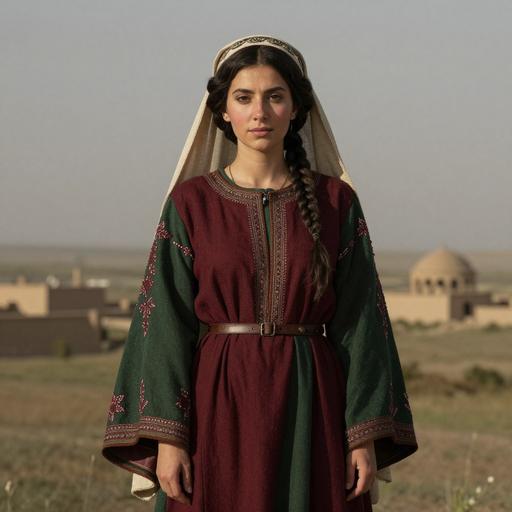
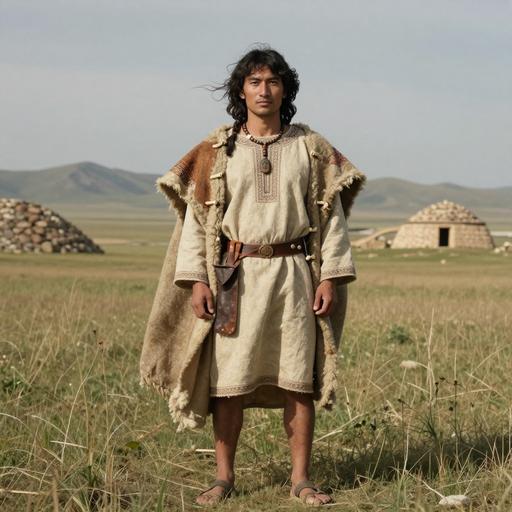
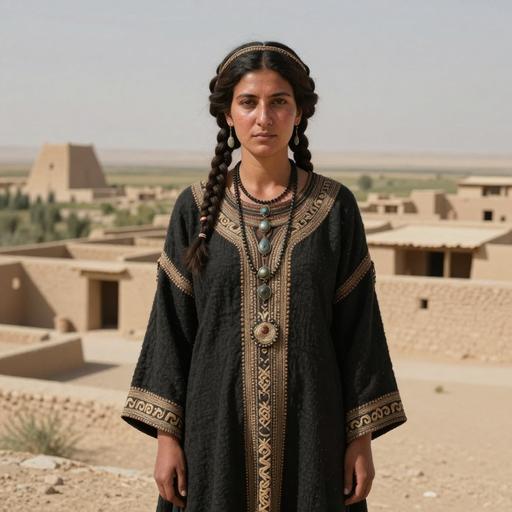
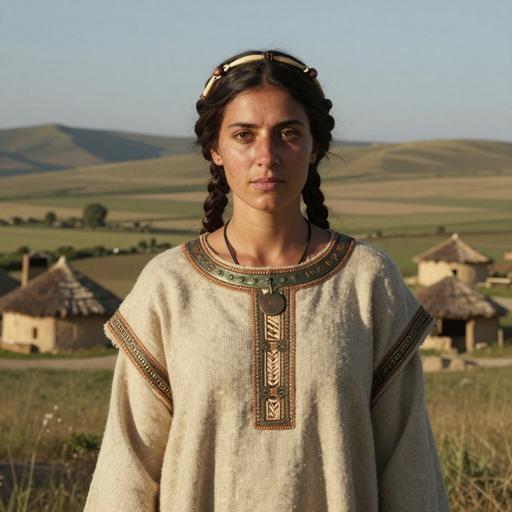
Os retratos são ilustrações geradas com IA. As etiquetas de amostra e os identificadores de acesso identificam os registros de referência.

Retrato Mostrar País Época Data Cultura mtDNA Corresponder
Retrato ilustrativo de Lazio Imperial Roman Roman individual, ANAS (Azienda Nazionale Autonoma delle Strada), Italy (100-300 CE) gerado com IA
Identificador de amostra: R72
Italy Imperial Rome 100-300 CE Roman Empire T Direct
Retrato ilustrativo de IA Wielbark individual, Masłomęcz (Lublin Province, Hrubieszów County, Hrubieszów), Poland (328-431 CE) gerado com IA
Identificador de amostra: PCA0093
Poland Wielbark Culture 328-431 calCE Wielbark T Direct
Retrato ilustrativo de Grand Est Haut Rhin IA individual, Oberes Holzackerfeld / Echangeur Gendarmerie (2005) (Grand Est Region, Haut-Rhin Department, Colmar arrondissement, Sainte Croix en Plaine), France (450-1 BCE) gerado com IA

Identificador de amostra: SCPG2
France Iron Age Haut-Rhin Culture 450-1 BCE Haut-Rhin Culture T Direct


Retrato ilustrativo de Avar-o Low East Asia individual, Kunszállás-Fülöpjakab (Bács-Kiskun County, Kecskemét), Hungary (580-804 CE) gerado com IA
Identificador de amostra: KFJ046
Hungary Hungary Avar 550-850 CE Avar T Direct
Retrato ilustrativo de Late Avar-o High East Asia individual, Rákóczifalva-Bagi-földek (Jász-Nagykun-Szolnok Coiunty, Szolnok), Hungary (650-900 CE) gerado com IA
Identificador de amostra: RKF166
Hungary Hungary LateAvar 650-900 CE Avar Culture T Direct
Retrato ilustrativo de Early Medieval Slav individual, Santok (Lubusz Province, Gorzów Wielkopolski, Santok), Poland (1,000-1,200 CE) gerado com IA
Identificador de amostra: PCA0391
Poland Iron Age Santok Culture 1000-1200 CE Santok Culture T Direct
Retrato ilustrativo de Agarak Town Stadium Medieval individual, Agarak, Armenia (1,100-1,300 CE) gerado com IA
Identificador de amostra: I1660
Armenia Early Medieval Armenia 1100-1300 CE Early Medieval Armenian T Direct
Retrato ilustrativo de BA individual, Kokcha 3, Uzbekistan (1,741-1,613 BCE) gerado com IA
Identificador de amostra: I8506
Uzbekistan Bronze Age Kokcha 1741-1613 calBCE (3375±20 BP, PSUAMS-5275) Kokcha T Direct
Retrato ilustrativo de MLBA individual, Byan Zherek. eastern spur. Dali, Kazakhstan (1,900-1,600 BCE) gerado com IA
Identificador de amostra: I3448
Kazakhstan Mid-Late Bronze Dali 1900-1600 BCE Dali Culture T Direct
Retrato ilustrativo de BA1-1 individual, Gonur, Turkmenistan (2,195-2,027 BCE) gerado com IA
Identificador de amostra: I1793
Turkmenistan Bronze Age Gonur 2195-2027 calBCE (3700±20 BP, PSUAMS-2312) Gonur Culture T Direct
MATERNAL LINHAGEM · DNA ANTIGO

Mapa de testes de linhagems antigos

Siga os clados superiores até este ramo e explora onde se encontraram portadores antigos.

A carregar as observações antigas...

Os marcadores são locais de achados arqueológicos. Uma linha de descontínua representa uma transição geográfica proposta e incerta entre ramos consecutivos, apoiada em várias observações fechadas; não é uma rota de viagem exata, um local de nascimento ou um teste de descendência direta. As amostras do clado parental podem pertencer a outros ramos descendentes. As datas das amostras são distintas das datas de formação dos haplogrupos são mantidas.

Perfil de Referência

Mapa de distribuição de portadores

Distribuição geográfica das amostras de DNA antigo (84), portadores directos ou de subclasses de T

Portador directo Portador de um subclasse
Filtro de Período Temporária
Todos os períodos
Mostrar todas as amostras
Perfil de Referência

Distribuição temporária

Distribuição de portadores por períodos arqueológicos

Perfil de Referência

Distribuição geográfica

Recuentos por país registrado das amostras. Reflejam a seleção de referência disponível, não frequências de população.

Perfil de Referência

Distribuição por país e época

Compare as contagens de amostras registadas por países e períodos arqueológicos. Selecione uma célula com dados para examinar uma amostra.

Dados

Dados e proveniência

Informações sobre fontes e qualidade dos dados

Última actualização 2026-01-15

Fonte de Dados

A classificação, as datas estimadas e o contexto geográfico refletem os dados de referência registrados e podem mudar ao revisar os testes. A cobertura de amostras é desigual; os locais registrados e as associações arqueológicas não estabelecem a origem pessoal nem a identidade cultural.