Saltar para o conteúdo principal
Y-DNA · Paterno linaje

O2A2B1A2

Y-DNA Haplogroup O2A2B1A2

Um perfil de referência de um ramo de linhagem. Compartilhar haplogrupos não demonstra uma relação familiar ou uma identidade cultural.

Perfil de Referência

Contexto do ramo

Contexto histórico de la rama de linaje Y-DNA O2A2B1A2

Origins and Evolution

Y-DNA haplogroup O2A2B1A2 is a subclade of O2A2B1A, itself a downstream branch within the broader O-M117 paternal lineage. In phylogenetic terms, it represents a relatively recent East Asian lineage whose formation likely occurred after the major diversification of O-M117, during the late Holocene. The most reasonable inference from its parent clade is an origin in southern China or adjacent mainland Southeast Asia, where multiple O-lineages underwent localized expansion associated with demographic growth, increased mobility, and the spread of farming societies.

Because this is an intermediate and relatively specific subclade, direct published frequency data may be limited compared with its parent haplogroups. However, its position in the tree strongly suggests that it inherited the broad geographic profile of O-M117-related lineages, while likely being concentrated in one or more regional populations that expanded during the Neolithic to Bronze Age transition and after.

Subclades

As a downstream branch of O2A2B1A, haplogroup O2A2B1A2 may itself contain additional unnamed or less frequently sampled terminal lineages in population and forensic datasets. In general, such intermediate clades often act as a bridge between broader regional haplogroups and later population-specific expansions.

From a phylogenetic perspective, its closest relationships are with other downstream branches of O2A2B1A and neighboring subclades within O-M117. These lineages collectively reflect the internal diversification of a major East Asian paternal cluster that has been shaped by regional population structure over several millennia.

Geographical Distribution

Based on the distribution of the parent lineage and closely related O-M117 subclades, O2A2B1A2 is expected to occur primarily in East and Southeast Asia. Its strongest likelihood of presence is in southern Chinese populations, including Han Chinese from southern provinces and related regional groups, with additional representation possible in Vietnamese, Tai-Kadai-speaking, and Tibeto-Burman-speaking populations.

Broader dispersal patterns of related lineages also make occurrence in Korean, Japanese, and Austronesian-speaking populations plausible, especially where historical migration, admixture, or founder effects moved southern East Asian paternal lineages outward.

Historical and Cultural Significance

Haplogroups in the O-M117 network are frequently associated with the demographic expansion of agricultural societies in East and Southeast Asia. For a clade such as O2A2B1A2, the most plausible historical context includes the spread of farming communities, the growth of regional chiefdoms and states, and later population movements linked to language dispersal and trade.

This lineage may be informative in studies of the peopling of southern China and mainland Southeast Asia, as well as the complex ancestry of populations connected to Sino-Tibetan, Tai-Kadai, and Austroasiatic or Austronesian interaction zones. While no single culture can be assigned as definitive for this specific subclade, its broader paternal background fits well with Holocene expansions in East Asian farming landscapes.

Distribution and Population Context

Within modern populations, O2A2B1A2 is expected to appear at low to moderate frequencies depending on local sampling and founder effects. Like many sub-branches of O-M117, its distribution is likely uneven, with stronger representation in populations that preserve ancient southern East Asian paternal structure and weaker representation in groups shaped by later northern or steppe-related male-mediated influxes.

Conclusion

O2A2B1A2 is a downstream East Asian Y-DNA lineage best understood as part of the later diversification of O-M117 in southern China or nearby mainland Southeast Asia. Its phylogenetic position indicates a Holocene origin and a historical role in the regional expansion and differentiation of East and Southeast Asian paternal ancestries.

Pontos- Chave

  • Origins and Evolution
  • Subclades
  • Geographical Distribution
  • Historical and Cultural Significance
  • Distribution and Population Context
Perfil de Referência

Árvore e relações

Contexto filogenético e subclasse

Trajectória evolutiva

Sigue las ramas superiores registradas hasta O2A2B1A2. Las fechas son estimaciones y pueden cambiar al revisarse los datos de referencia.

Passos Haplogrupo Antiguidade estimada Época arqueológica Tempo decorrido Subclasses imediatas Portadores modernos analisados Referências antigas
1 O2A2B1A2 Actual ~4,000 years ago Bronze Age 4,500 years 1 53 0
2 O2A2B1A ~6,000 years ago Chalcolithic 6,000 years 2 201 1
3 O2A2B1 ~8,000 years ago Neolithic 8,000 years 1 206 0
4 O2A2B ~10,000 years ago Neolithic 10,000 years 2 297 0
5 O2A2 ~12,000 years ago Neolithic 12,000 years 2 340 0
6 O2A ~20,000 years ago Mesolithic 20,000 years 2 381 12
7 O2 ~35,000 years ago Paleolithic 35,000 years 2 388 12
8 O ~45,000 years ago Paleolithic 45,000 years 2 553 6
9 NO ~45,000 years ago Paleolithic 45,000 years 4 801 12

Ramas hermanas (1)

Outros ramos do mesmo haplogrupo superior

Perfil de Referência

No mundo

Distribuição geográfica e presença moderna

Origem registada

Southern China / mainland Southeast Asia

Distribuição moderna

The populations where Y-DNA haplogroup O2A2B1A2 is found include:

  1. Han Chinese, especially in southern China
  2. Southern Chinese regional populations
  3. Vietnamese populations
  4. Tai-Kadai-speaking populations
  5. Tibeto-Burman-speaking populations
  6. Korean populations
  7. Japanese populations
  8. Austronesian-speaking populations in Taiwan and Island Southeast Asia

Presença regional

Southeast Asia (Mainland) High
Southern China / South China Moderate
South Asia (India, Munda groups) Moderate
Island Southeast Asia & Taiwan Low
East Asia High
Southeast Asia Moderate
Southern China High
Korea and Japan Low
Contexto Histórico

Uma ramificação através do tempo

Formação estimada em uma cronologia histórica ampla. Os marcadores temporais contribuem contexto e não implicam relação com culturas concretas.

  1. ~10k años de antigüedad

    Revolução neolítica

    Início da agricultura e formação de comunidades sedentárias

  2. ~5k años de antigüedad

    Idade do Bronze

    Metalurgia, escrita e primeiras civilizações

  3. ~4.5k años de antigüedad

    Haplogrupo O2A2B1A2

    Formação estimada deste ramo Y-DNA; as datas e localizações são estimativas de referência.

    Este ramo
  4. ~3k años de antigüedad

    Idade do Ferro

    Ferramentas de ferro e ampliação de redes comerciais

  5. ~2.5k años de antigüedad

    Antiguidades clássicas

    Desenvolvimento das civilizações grega e romana

  6. Actualidad

    Actualidad

    Idade moderna

Perfil de Referência

Contexto arqueológico

Asociaciones arqueológicas registradas para la rama Y-DNA O2A2B1A2

Associações registradas

Esses rótulos descrevem os contextos arqueológicos registrados para as amostras de referência vinculadas a O2A2B1A2. Uma associação não demonstra que todos os portadores pertenceram a uma cultura ou seguiram uma rota migratória específica.

Butaxiongqu China_Baligang_LN_Qujialing China_Baligang_N_Yangshao China_LBA_EIA China_MLBA China_Tibet_Qulongsazha_IA Chokhopani Culture Dulan-Wayan Henan_Wadian Henan_Wangchenggang Mebrak Culture Vietnamese Neolithic Yellow River Culture
As atribuições culturais baseiam-se no contexto arqueológico das amostras de DNA antigo e podem representar associações regionais de períodos concretos.
Perfil de Referência

Catálogo de amostras

3 portadores de subclados del haplogrupo O2A2B1A2 (sin portadores directos en la selección de referencia actual)

3 mostradas 3 amostras correspondentes

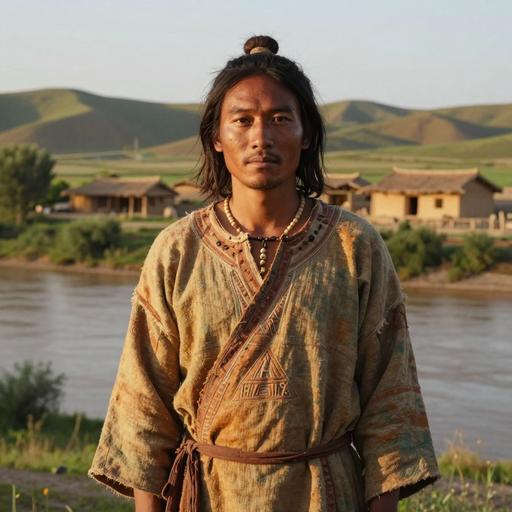
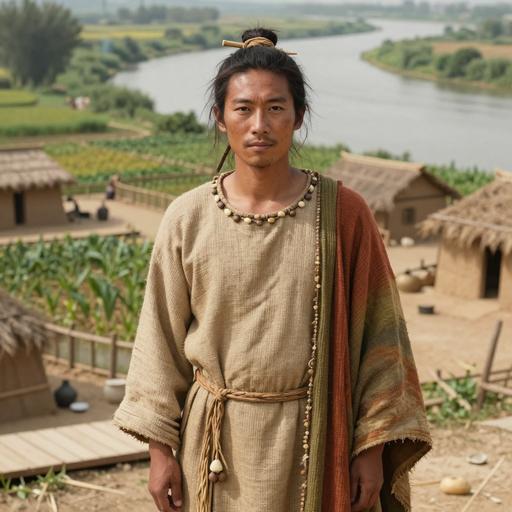
Os retratos são ilustrações geradas com IA. As etiquetas de amostra e os identificadores de acesso identificam os registros de referência.

Retrato Mostrar País Época Data Cultura Y-DNA Corresponder
Retrato ilustrativo de Ancient Chinese Civilization individual, Henan province. Jiazuo city. Jiaozuoniecun site, China (1,550-1,050 BCE) gerado com IA
Identificador de amostra: JXNTM2
China Late Bronze Age to Iron Age China 1550 BCE - 1050 BCE Chinese Bronze-Iron O2a2b1a2a1a3b2b Subclado
Retrato ilustrativo de Ancient Chinese Civilization individual, Qinghai province. Minhe County. Lajia village. Lajia site, China (2,050-1,850 BCE) gerado com IA
Identificador de amostra: LJM14
China Late Neolithic Upper Yellow River, China 2050 BCE - 1850 BCE Upper Yellow River Culture O2a2b1a2a1a3b2b1 Subclado
Retrato ilustrativo de Ancient Chinese Civilization individual, Henan province. Yuzhou city. Wadian site, China (2,861-2,458 BCE) gerado com IA
Identificador de amostra: WD-WT1H16
China Late Neolithic Yellow River, China 2861 BCE - 2458 BCE Yellow River Culture O2a2b1a2a1c Subclado
PATERNAL LINHAGEM · DNA ANTIGO

Mapa de testes de linhagems antigos

Siga os clados superiores até este ramo e explora onde se encontraram portadores antigos.

A carregar as observações antigas...

Os marcadores são locais de achados arqueológicos. Uma linha de descontínua representa uma transição geográfica proposta e incerta entre ramos consecutivos, apoiada em várias observações fechadas; não é uma rota de viagem exata, um local de nascimento ou um teste de descendência direta. As amostras do clado parental podem pertencer a outros ramos descendentes. As datas das amostras são distintas das datas de formação dos haplogrupos são mantidas.

Perfil de Referência

Mapa de distribuição de portadores

Distribuição geográfica das amostras de DNA antigo (3), portadores directos ou de subclasses de O2A2B1A2

Portador de um subclasse
Filtro de Período Temporária
Todos os períodos
Mostrar todas as amostras
Perfil de Referência

Distribuição temporária

Distribuição de portadores por períodos arqueológicos

Perfil de Referência

Distribuição geográfica

Recuentos por país registrado das amostras. Reflejam a seleção de referência disponível, não frequências de população.

Perfil de Referência

Distribuição por país e época

Compare as contagens de amostras registadas por países e períodos arqueológicos. Selecione uma célula com dados para examinar uma amostra.

Dados

Dados e proveniência

Informações sobre fontes e qualidade dos dados

Última actualização 2026-06-17
Pontuação de confiança 50/100
Cobertura Low

Fonte de Dados

A classificação, as datas estimadas e o contexto geográfico refletem os dados de referência registrados e podem mudar ao revisar os testes. A cobertura de amostras é desigual; os locais registrados e as associações arqueológicas não estabelecem a origem pessoal nem a identidade cultural.