Saltar para o conteúdo principal
Y-DNA · Paterno linaje

R1b

Y-DNA Haplogroup R1b

Um perfil de referência de um ramo de linhagem. Compartilhar haplogrupos não demonstra uma relação familiar ou uma identidade cultural.

Perfil de Referência

Contexto do ramo

Contexto histórico de la rama de linaje Y-DNA R1b

Origins and Evolution

Y-DNA haplogroup R1b is a major branch of haplogroup R, itself part of the broader R-M207 paternal lineage. The exact place of origin is still debated, but most population-genetic models place the early diversification of R1b somewhere in West Eurasia or the Pontic-Caspian/adjacent steppe zone, with downstream expansions occurring during the late Paleolithic, Neolithic, and especially the Bronze Age.

R1b became one of the most successful paternal lineages in Europe, particularly through expansions associated with Bronze Age mobility and demographic change. Ancient DNA research has shown that some major R1b subclades rose to high frequency in Europe after the spread of steppe ancestry, although the details vary strongly by region and by downstream branch.

Subclades

R1b is a broad umbrella lineage with several important descendant branches. The most significant include:

  • R1b-M343: the defining marker for the major branch of R1b
  • R1b-L51 (P310): a major western Eurasian branch, especially relevant to much of Western Europe
  • R1b-PF7562 and related branches: found at lower frequencies in parts of West Asia and the Caucasus region
  • R1b-Z2103: often associated with steppe and southeastern European distributions, and seen in ancient Bronze Age contexts
  • R1b-M269: the best-known and most widespread western European lineage within R1b, though technically a downstream subclade of R1b

Because R1b is an intermediate clade, its geographic and historical signal is broad. The deeper position of R1b means it connects older ancestral diversification within haplogroup R to the younger, regionally dominant branches that shaped much of the paternal history of Europe.

Geographical Distribution

Today, R1b occurs across a wide range of populations, with the highest frequencies in Western Europe. It is especially common in Ireland, Britain, France, Iberia, and parts of the Low Countries, but it is also present at lower to moderate frequencies in Italy, the Balkans, the Caucasus, Anatolia, the Levant, North Africa, and parts of Central Asia.

The distribution is not uniform. Western Europe shows strong enrichment for later R1b derivatives, while southeastern Europe, the Caucasus, and parts of West Asia preserve more diverse and sometimes deeper lineages. This pattern is consistent with a combination of ancient population structure, Bronze Age expansions, and later regional founder effects.

Historical and Cultural Significance

R1b is one of the most intensively studied Y-DNA lineages because of its strong association with major prehistoric population movements in Europe. Ancient DNA studies have linked certain R1b branches to steppe-derived populations and later to Bell Beaker-associated expansions, which played a major role in reshaping the paternal landscape of much of Western Europe.

The high frequency of R1b in Atlantic Europe has made it important in discussions of Indo-European language spread, Bronze Age demographic turnovers, and the formation of modern European populations. However, it is important to note that haplogroups do not define language, ethnicity, or culture by themselves; rather, they track paternal ancestry and often reflect complex demographic processes.

Geographical Distribution in Context
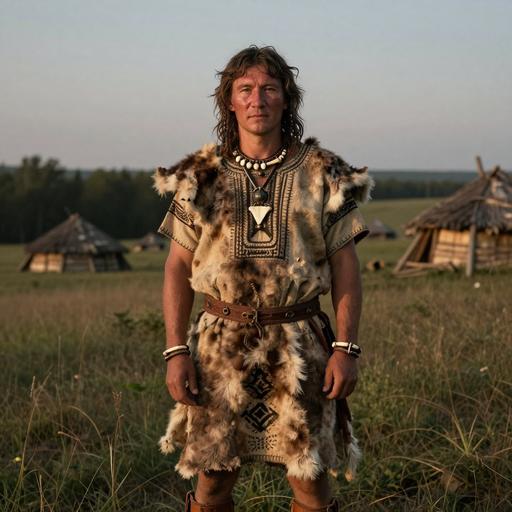
R1b's modern prevalence reflects a layered history:

  • Western Europe: highest frequencies, especially in Atlantic and western regions
  • Southern and Southeastern Europe: variable frequencies, often with older and more diverse subclades
  • West Asia and the Caucasus: lower but important presence, often informative for deep phylogeographic history
  • North Africa: scattered presence, usually reflecting historical gene flow from Europe and West Asia
  • Central Asia: low to moderate presence in some populations, often linked to steppe-related ancestry

Conclusion

Y-DNA haplogroup R1b is a key paternal lineage for understanding the genetic history of Eurasia, especially the demographic transformations that shaped Western Europe. Its broad phylogenetic position makes it an important bridge between older West Eurasian ancestry and the later subclades that became highly frequent during the Bronze Age and beyond.

Pontos- Chave

  • Origins and Evolution
  • Subclades
  • Geographical Distribution
  • Historical and Cultural Significance
  • Geographical Distribution in Context

Perfil de Referência

Árvore e relações

Contexto filogenético e subclasse

Trajectória evolutiva

Sigue las ramas superiores registradas hasta R1b. Las fechas son estimaciones y pueden cambiar al revisarse los datos de referencia.

Passos Haplogrupo Antiguidade estimada Época arqueológica Tempo decorrido Subclasses imediatas Portadores modernos analisados Referências antigas
1 R1b Actual ~20,000 years ago Mesolithic 20,000 years 2 4,262 126
Perfil de Referência

No mundo

Distribuição geográfica e presença moderna

Origem registada

Eurasian Steppe or West Eurasia

Distribuição moderna

The populations where Y-DNA haplogroup R1b is found include:

  1. Irish and British populations
  2. French, Iberian, and Low Countries populations
  3. Italian and Balkan populations
  4. Caucasus and Anatolian populations
  5. Levantine and North African populations
  6. Some Central Asian and steppe-related populations

Presença regional

Western Europe High
Southern Europe Moderate
Southeastern Europe Moderate
Western Asia Low
North Africa Low
Central Asia Low
Contexto Histórico

Uma ramificação através do tempo

Formação estimada em uma cronologia histórica ampla. Os marcadores temporais contribuem contexto e não implicam relação com culturas concretas.

  1. ~20k años de antigüedad

    Último máximo glacial

    Máxima extensão da última glaciação e isolamento de populações

  2. ~20k años de antigüedad

    Haplogrupo R1b

    Formação estimada deste ramo Y-DNA; as datas e localizações são estimativas de referência.

    Este ramo
  3. ~10k años de antigüedad

    Revolução neolítica

    Início da agricultura e formação de comunidades sedentárias

  4. ~5k años de antigüedad

    Idade do Bronze

    Metalurgia, escrita e primeiras civilizações

  5. ~3k años de antigüedad

    Idade do Ferro

    Ferramentas de ferro e ampliação de redes comerciais

  6. ~2.5k años de antigüedad

    Antiguidades clássicas

    Desenvolvimento das civilizações grega e romana

  7. Actualidad

    Actualidad

    Idade moderna

Perfil de Referência

Contexto arqueológico

Asociaciones arqueológicas registradas para la rama Y-DNA R1b

Associações registradas

Esses rótulos descrevem os contextos arqueológicos registrados para as amostras de referência vinculadas a R1b. Uma associação não demonstra que todos os portadores pertenceram a uma cultura ou seguiram uma rota migratória específica.

Dnieper-Mariupol Iron Gates Iron Gates Culture Mesolithic Ukrainian Ukrainian Neolithic Villabruna
As atribuições culturais baseiam-se no contexto arqueológico das amostras de DNA antigo e podem representar associações regionais de períodos concretos.
Perfil de Referência

Catálogo de amostras

5 portadores directos y 95 portadores de subclados del haplogrupo R1b

10 mostradas 50 amostras correspondentes

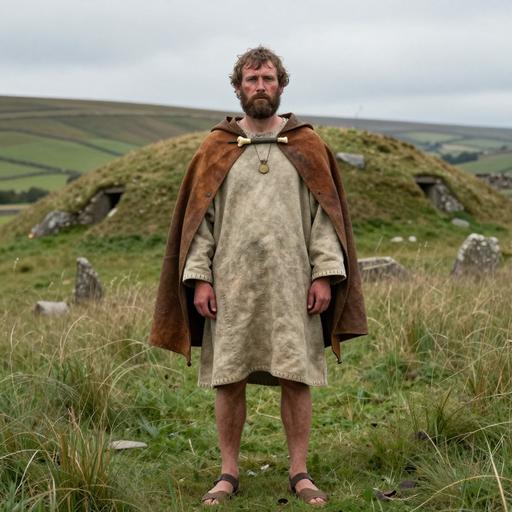
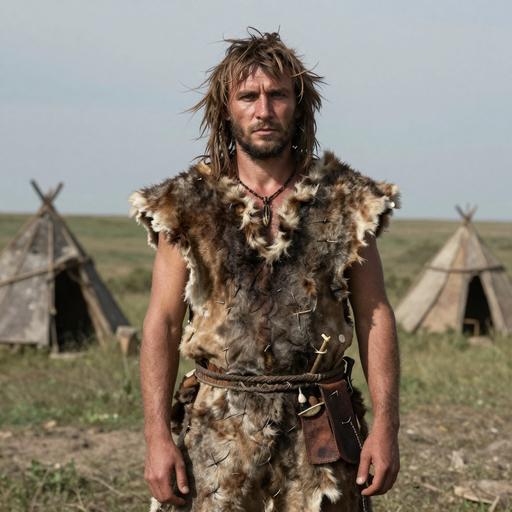
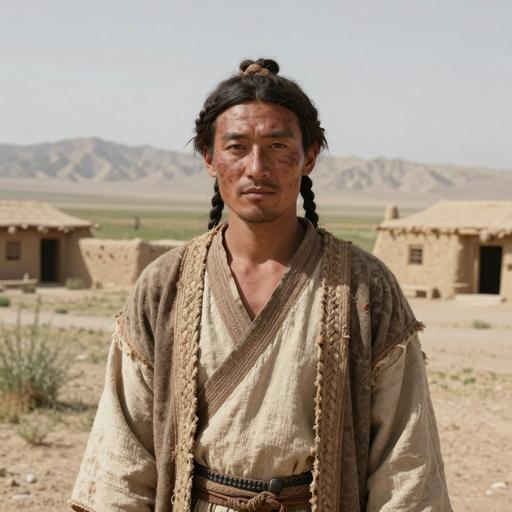
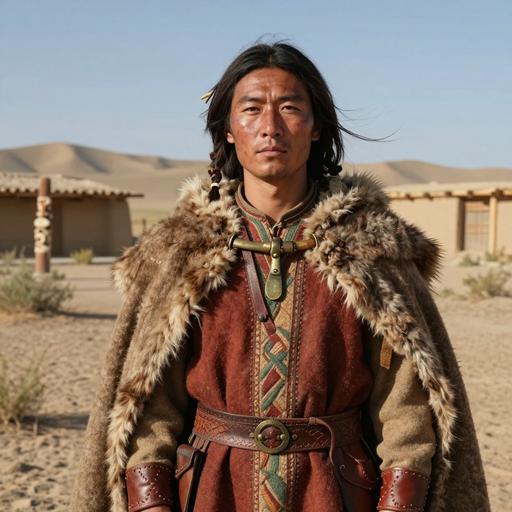
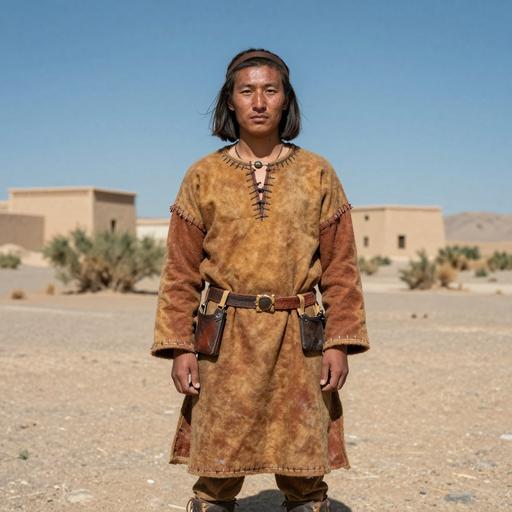
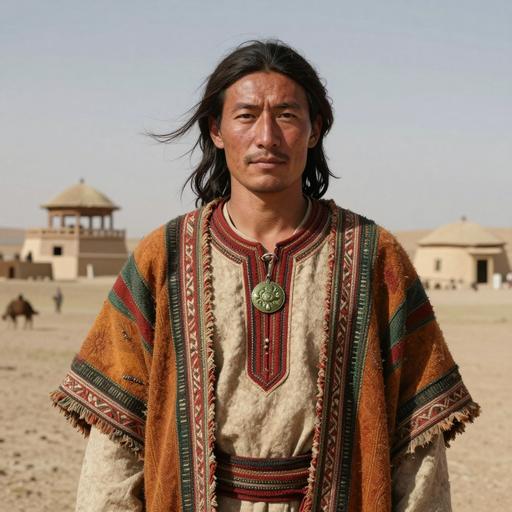
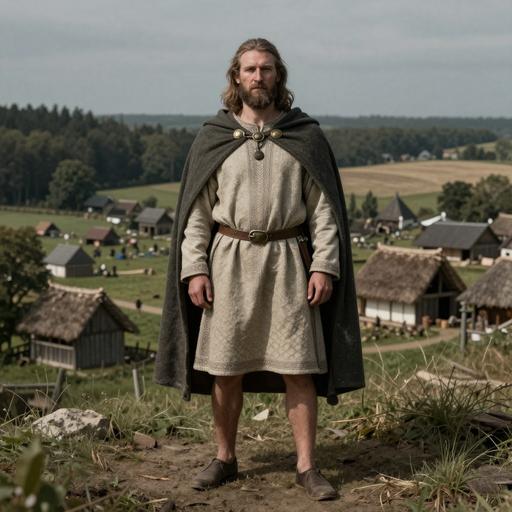
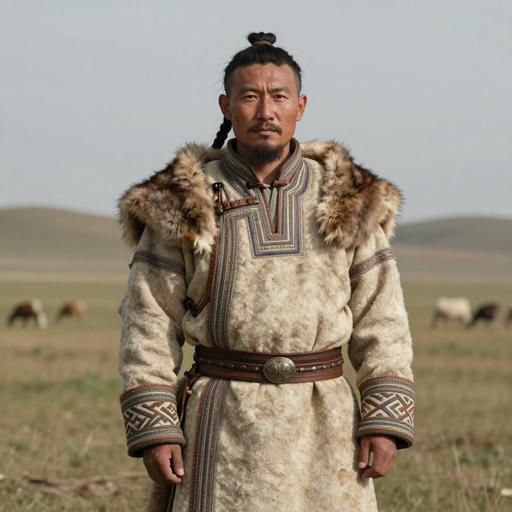
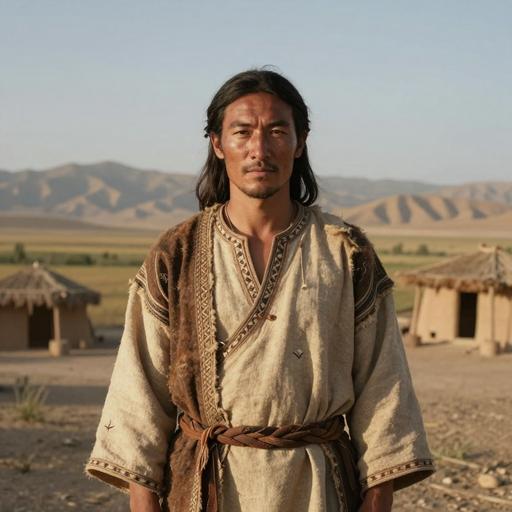
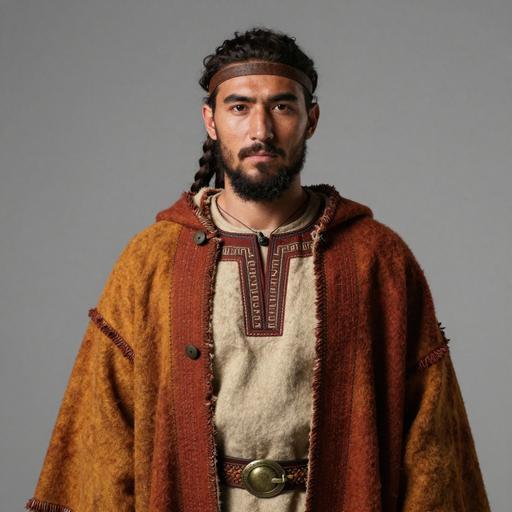
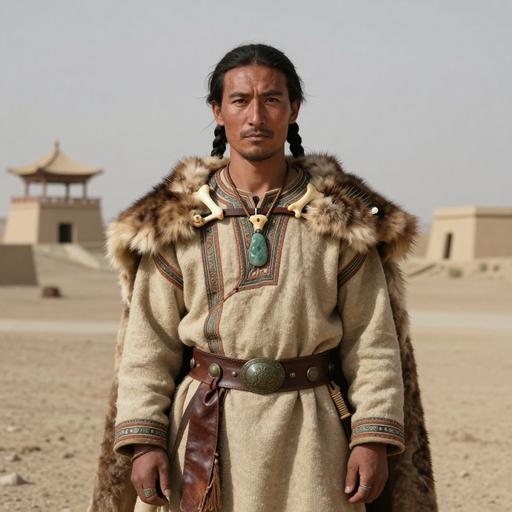
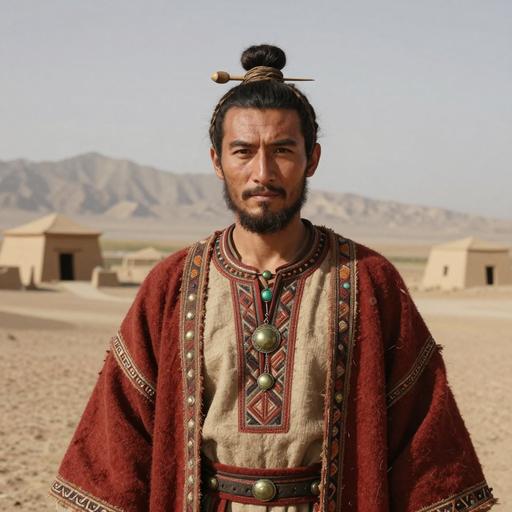
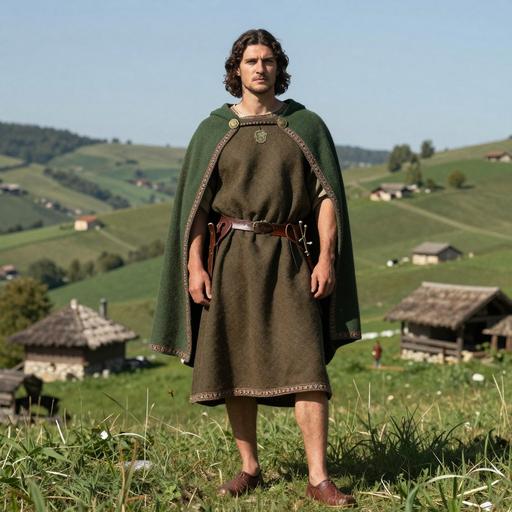
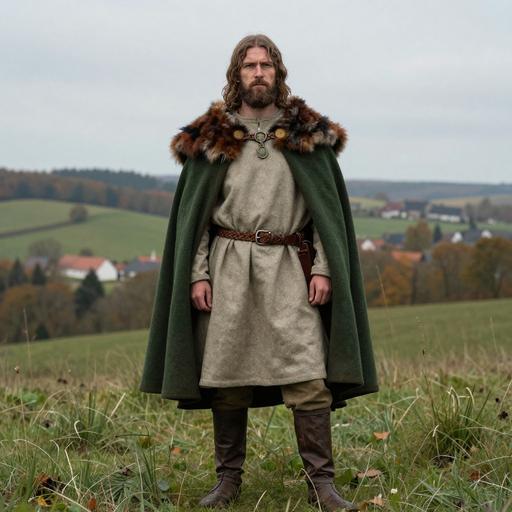
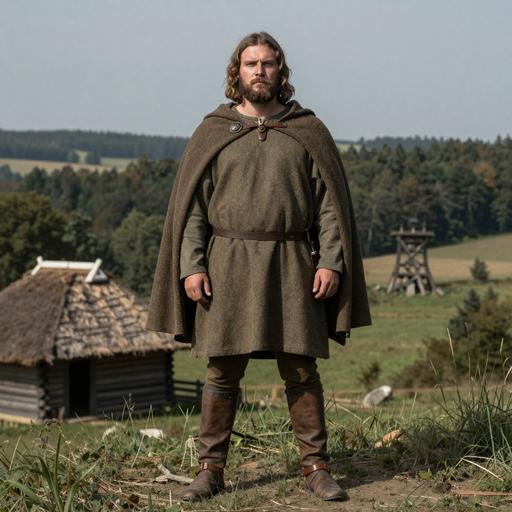
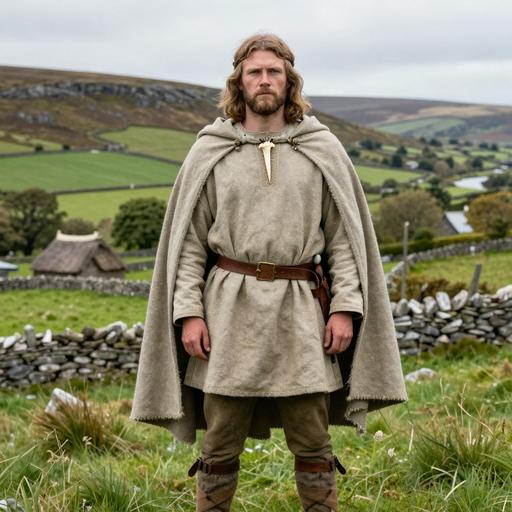
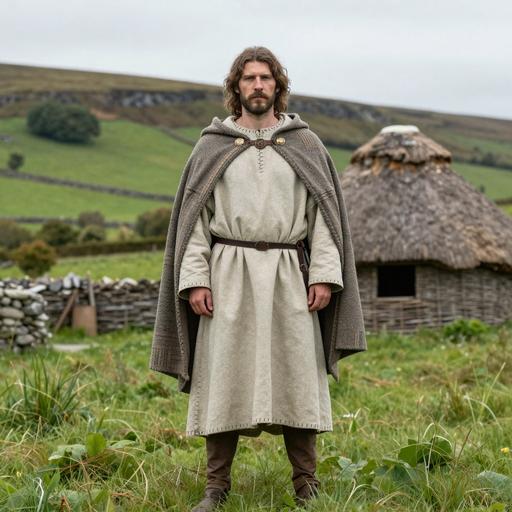
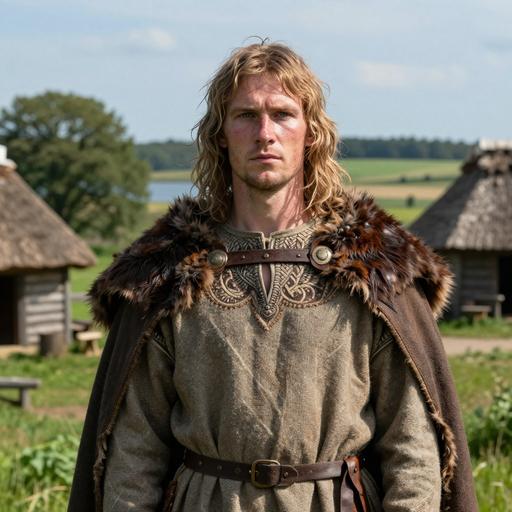
Os retratos são ilustrações geradas com IA. As etiquetas de amostra e os identificadores de acesso identificam os registros de referência.

Retrato Mostrar País Época Data Cultura Y-DNA Corresponder
Retrato ilustrativo de Norse individual, Karda, Sweden (800-1,100 CE) gerado com IA
Identificador de amostra: VK267
Sweden Sweden Viking 800 CE - 1100 CE Viking R1b Direct
Retrato ilustrativo de England EBA individual, England. North Yorkshire. Grassington. 3 Barrow Sites, United Kingdom (2,400-1,600 BCE) gerado com IA
Identificador de amostra: I16394
United Kingdom Chalcolithic to Early Bronze Age England 2400-1600 BCE British Chalcolithic R1b Direct
Retrato ilustrativo de Lipetsk N Don individual, Ksizovo-6 (Lipetsk Oblast, Zadonsky District), Russia (5,296-4,998 BCE) gerado com IA
Identificador de amostra: NEO172
Russia Northern Don Culture 5296-4998 calBCE (6181±47 BP, UBA-39984) Northern Don Culture R1b Direct
Retrato ilustrativo de EN individual, Cueva de Chaves, Spain (5,302-5,061 BCE) gerado com IA
Identificador de amostra: CHA002
Spain Spain EN 5302-5061 calBCE (6227±28 BP, MAMS-29127) Cardial Culture R1b Direct
Retrato ilustrativo de Eastern European Hunter-Gatherers individual, Vasylivka-1 (Dnipropetrovsk Oblast, Synelnykove District, Rajivka municipality), Ukraine (9,664-9,231 BCE) gerado com IA
Identificador de amostra: NEO494
Ukraine Ukraine Mesolithic 9664 BCE - 9231 BCE Mesolithic Ukrainian R1b Direct
Retrato ilustrativo de Xinjiang Zhagunluke Zaghunluq IA individual, Xinjiang. Bayinguoleng Region. Qiemo County. Zhagunluke, China (50-61 BCE) gerado com IA
Identificador de amostra: C3652
China Iron Age Zhagunluke, Xinjiang, China 50 BCE - 100 CE Zhagunluke Culture R1b1 Subclado
Retrato ilustrativo de Xinjiang Zhagunluke Zaghunluq IA individual, Xinjiang. Bayinguoleng Region. Qiemo County. Zhagunluke, China (161-8 BCE) gerado com IA
Identificador de amostra: C3666
China Iron Age Zhagunluke, Xinjiang, China 200 BCE - 50 CE Zhagunluke Culture R1b1 Subclado
Retrato ilustrativo de Iberian individual, Valencian Community. Castelló/Castellón. Vilafamés. Els Estrets de la Rata, Spain (300-100 BCE) gerado com IA
Identificador de amostra: I3321
Spain Spain IA 300 BCE - 100 BCE Iberian Iron Age R1b1a1a2a1a2 Subclado
Retrato ilustrativo de Germanic individual, Lower Saxony. Hiddestorf, Germany (300-500 CE) gerado com IA
Identificador de amostra: HID002
Germany Saxon Early Medieval Hiddestorf, Germany 300 CE - 500 CE Saxon Hiddestorf R1b1a2a1a2e Subclado
Retrato ilustrativo de Xinjiang Zhagunluke Zaghunluq IA individual, Xinjiang. Bayinguoleng Region. Qiemo County. Zhagunluke, China (342-54 BCE) gerado com IA
Identificador de amostra: C833
China Iron Age Zhagunluke, Xinjiang, China 342-54 calBCE Zhagunluke Culture R1b1~ Subclado
PATERNAL LINHAGEM · DNA ANTIGO

Mapa de testes de linhagems antigos

Siga os clados superiores até este ramo e explora onde se encontraram portadores antigos.

A carregar as observações antigas...

Os marcadores são locais de achados arqueológicos. Uma linha de descontínua representa uma transição geográfica proposta e incerta entre ramos consecutivos, apoiada em várias observações fechadas; não é uma rota de viagem exata, um local de nascimento ou um teste de descendência direta. As amostras do clado parental podem pertencer a outros ramos descendentes. As datas das amostras são distintas das datas de formação dos haplogrupos são mantidas.

Perfil de Referência

Mapa de distribuição de portadores

Distribuição geográfica das amostras de DNA antigo (100), portadores directos ou de subclasses de R1b

Portador directo Portador de um subclasse
Filtro de Período Temporária
Todos os períodos
Mostrar todas as amostras
Perfil de Referência

Distribuição temporária

Distribuição de portadores por períodos arqueológicos

Perfil de Referência

Distribuição geográfica

Recuentos por país registrado das amostras. Reflejam a seleção de referência disponível, não frequências de população.

Perfil de Referência

Distribuição por país e época

Compare as contagens de amostras registadas por países e períodos arqueológicos. Selecione uma célula com dados para examinar uma amostra.

Dados

Dados e proveniência

Informações sobre fontes e qualidade dos dados

Última actualização 2026-06-17

Fonte de Dados

A classificação, as datas estimadas e o contexto geográfico refletem os dados de referência registrados e podem mudar ao revisar os testes. A cobertura de amostras é desigual; os locais registrados e as associações arqueológicas não estabelecem a origem pessoal nem a identidade cultural.