A preparar o relatório

A carregar as informações e as referências disponíveis

Consultando el registro arqueológico...

Recopilando registros antiguos

Saltar para o conteúdo principal
Aconcagua Inca: High-Andean Echoes
Cultura de destaque

Aconcagua Inca: High-Andean Echoes

A late pre-Columbian presence on Cerro Aconcagua bridging local Aconcagua traditions and Inca expansion.

1400 CE - 1500 CE
Mendoza Province, Argentina
Desplázate para começar
Capítulo I

A História

Comprender la cultura Aconcagua Inca: High-Andean Echoes

Single ancient genome from Cerro Aconcagua (Mendoza, Argentina), ca. 1400–1500 CE, ties local Aconcagua traditions to broader Inca-era movements. Genetic signals (Y: Q; mtDNA: C1b) are promising but preliminary: only one sample informs these connections.

Time Period

1400–1500 CE

Region

Mendoza Province, Argentina

Common Y-DNA

Q (observed: 1)

Common mtDNA

C1b (observed: 1)

Capítulo II

Cronologia

Momentos-chave da história desta cultura

1450 CE

Inca expansion into southern Andes

Approximate period when Inca influence extended into parts of northwestern Argentina, creating new administrative and ritual networks.

Capítulo III

Origins & Emergence

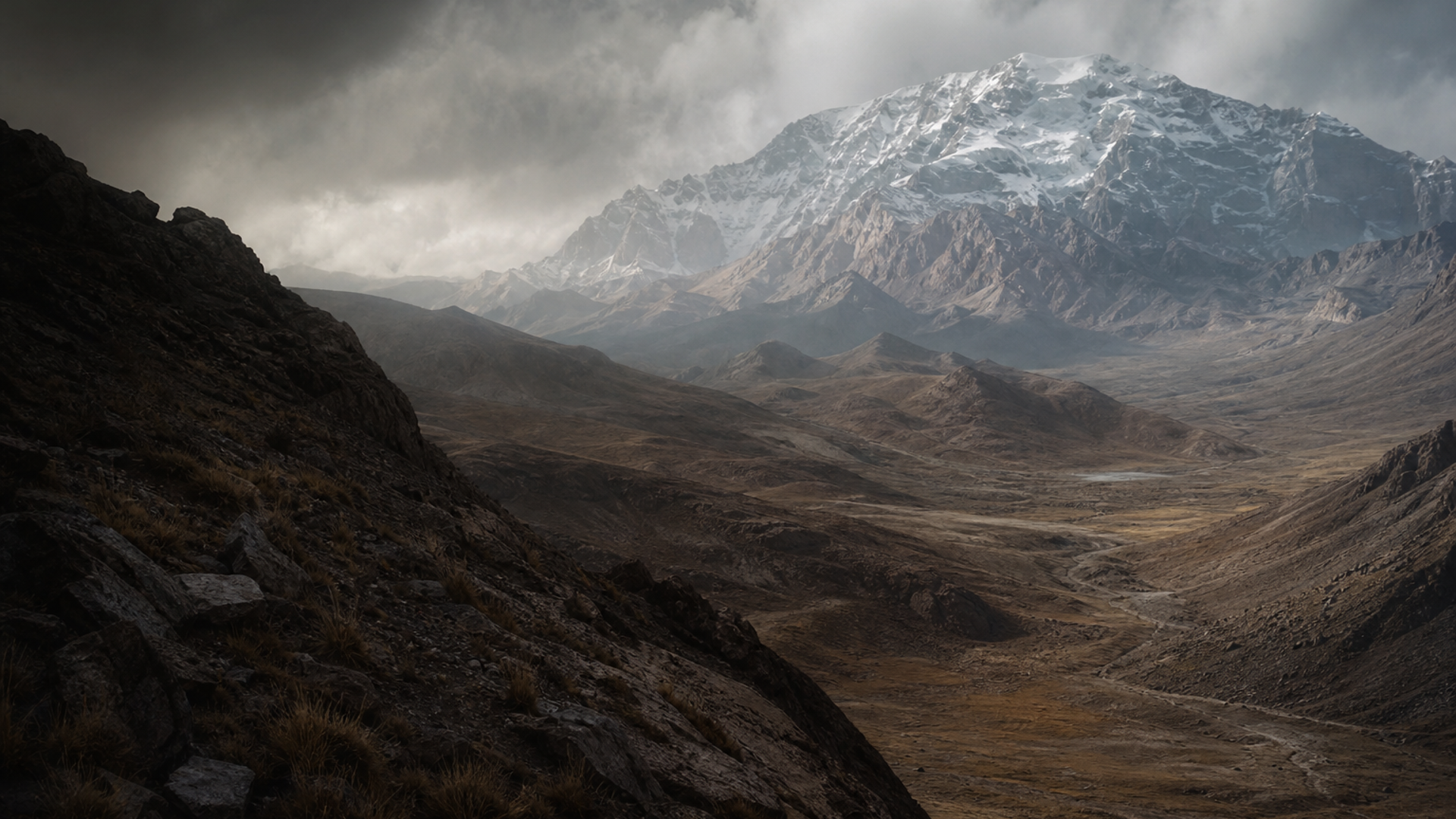
The Aconcagua-Inca presence at Cerro Aconcagua sits at the confluence of local Mendoza highlands traditions and the southward reach of the Inca state in the 15th century. Archaeological data indicates that the Aconcagua cultural horizon, present across western Mendoza, developed distinctive ceramics, settlement patterns in oasis valleys, and high-altitude pastoral economies by the Late Intermediate Period. By c. 1400–1500 CE, Inca administrative and ritual influence extended into parts of northwestern Argentina, leaving material traces such as architectural planning and non-local goods.

The individual sampled from Cerro Aconcagua dates to this dynamic century. Limited evidence suggests this person lived during the phase when local Aconcagua identity and imperial Inca networks overlapped—an era of regional negotiation, exchange, and occasional movement of peoples. Ceramics, textile styles, and architectural features at nearby sites can indicate cultural affinities, but the single genetic sample must be read cautiously. Archaeological context—high-altitude ritual landscapes and passes—suggests mobility and ceremonial significance for human presence on the mountain. Together, the material record and DNA hint at a living frontier where local traditions met imperial pathways.

  • Cerro Aconcagua sample dated to 1400–1500 CE, Mendoza Province
  • Period marks overlap between Aconcagua cultural traits and Inca expansion
  • High-altitude landscapes used for ritual and movement across Andean corridors
Capítulo IV

Daily Life & Society

Life in the Aconcagua highlands was shaped by steep valleys, seasonal irrigation, and the demands of a cold, thin-air mountain environment. Archaeological evidence from the Mendoza region points to mixed economies: irrigated agriculture in valley oases, camelid herding on higher puna, and exchange networks that carried goods and ideas across the Andes. Small villages and hamlets clustered around water sources; stone terraces and irrigation canals controlled scarce moisture.

Social life likely balanced local kin-based households with emerging broader ties as the Inca influence intensified. Inca administrative practices could introduce mit'a labor obligations and new craft specializations, while local elites often negotiated autonomy by adopting selective imperial symbols. On Cerro Aconcagua specifically, episodic pilgrimage or ritual deposition of offerings at high places left material traces—fragments of pottery, textile cords, and altered landscape features—hinting at cosmological practices that connected communities to mountain spirits (apus). But archaeological resolution varies: surveys on steep slopes are difficult, and preservation at altitude is uneven. As a result, reconstructions of everyday life remain partly inferential and benefit from integration with genetic data to illuminate mobility and kinship patterns.

  • Economy: irrigation agriculture in oases, camelid herding at higher elevations
  • Social organization: local households with increasing Inca-period administrative ties
Capítulo V

Genetic Profile

The genetic profile from Cerro Aconcagua is based on a single individual and therefore offers only a preliminary glimpse. The Y-chromosome lineage observed is Q, a paternal haplogroup widely distributed among Indigenous peoples of the Americas; its presence aligns with expectations for South American male lineages. The mitochondrial haplogroup is C1b, a maternal lineage common across South America and frequently found in Andean and Patagonian contexts.

While these haplogroups are broadly consistent with Indigenous South American ancestry, they do not by themselves reveal recent migration directions or fine-scale population structure. Archaeological context suggests possible interaction with Inca imperial networks; combined genetic and isotopic analyses could, in principle, test whether individuals on Cerro Aconcagua were local to Mendoza valleys or non-local visitors integrated into ritual circuits. Given the sample count of one, any inference about population continuity, admixture with northern Andean groups, or demographic impact of Inca integration must be conservative. Additional genomes (ideally dozens) and complementary isotopic and archaeological data are needed to move from suggestive signal to robust narrative.

  • Y-DNA: Q — aligns with widespread Native American paternal lineages
  • mtDNA: C1b — common South American maternal lineage; conclusions are preliminary due to n=1
Capítulo VI

Legacy & Modern Connections

The mountain-scarred valleys and ceremonial peaks of Mendoza continue to resonate in modern regional identities. Genetic continuity at broad haplogroup levels (Q and C1b) echoes enduring Indigenous roots across western Argentina, even amid centuries of social change. For descendant communities and researchers alike, linking archaeological traces with DNA offers a pathway to recover mobility patterns, familial lineages, and the human stories embedded in ritual landscapes.

Caveats matter: a single genome is a whisper, not a chorus. Nonetheless, this sample from Cerro Aconcagua opens avenues for collaboration with local communities, more extensive sampling, and integrated study of ceramics, textiles, isotopes, and DNA. Such combined evidence can illuminate how Aconcagua-era peoples negotiated identity under Inca influence and how those choices shaped genetic legacies visible today.

  • Genetic signals support deep Indigenous roots in Mendoza but are preliminary
  • Calls for more samples and community-engaged research to clarify population history
Com IA

Assistente de IA

Haz preguntas sobre la cultura Aconcagua Inca: High-Andean Echoes

Assistente de IA por DNAGENICS

Desbloquear esta função
Pregunta sobre la cultura Aconcagua Inca: High-Andean Echoes. El asistente con IA puede explicar hallazgos genéticos, contexto histórico, pruebas arqueológicas y conexiones modernas, con sus límites de interpretación.
Exemplo de análise com IA

La cultura Aconcagua Inca: High-Andean Echoes representa un capítulo de la historia humana...

A análise genética permite estudar semelhanças com populações anteriores e possíveis adaptações. As amostras de DNA antigo fornecem informações para investigar padrões migratórios e relações entre populações, com limites que dependem do estudo e do contexto arqueológico.

Esta é uma antevisão da análise com IA. Aceder ao assistente completo para explorar informações sobre:

  • Composição e similaridade genética
  • Padrões migratórios e origens
  • Vida cotidiana e práticas culturais
  • Contexto genético moderno

Explore mais culturas antigas

Descubra a história de civilizações de diferentes partes do mundo antigo