A preparar o relatório

A carregar as informações e as referências disponíveis

Consultando el registro arqueológico...

Recopilando registros antiguos

Saltar para o conteúdo principal
Goyet Q116-1: A Voice from 33,000 BCE
Cultura de destaque

Goyet Q116-1: A Voice from 33,000 BCE

A single Upper Paleolithic individual from Troisième caverne, connecting stone-age life to deep Eurasian DNA

33678 CE - 32771 BCE
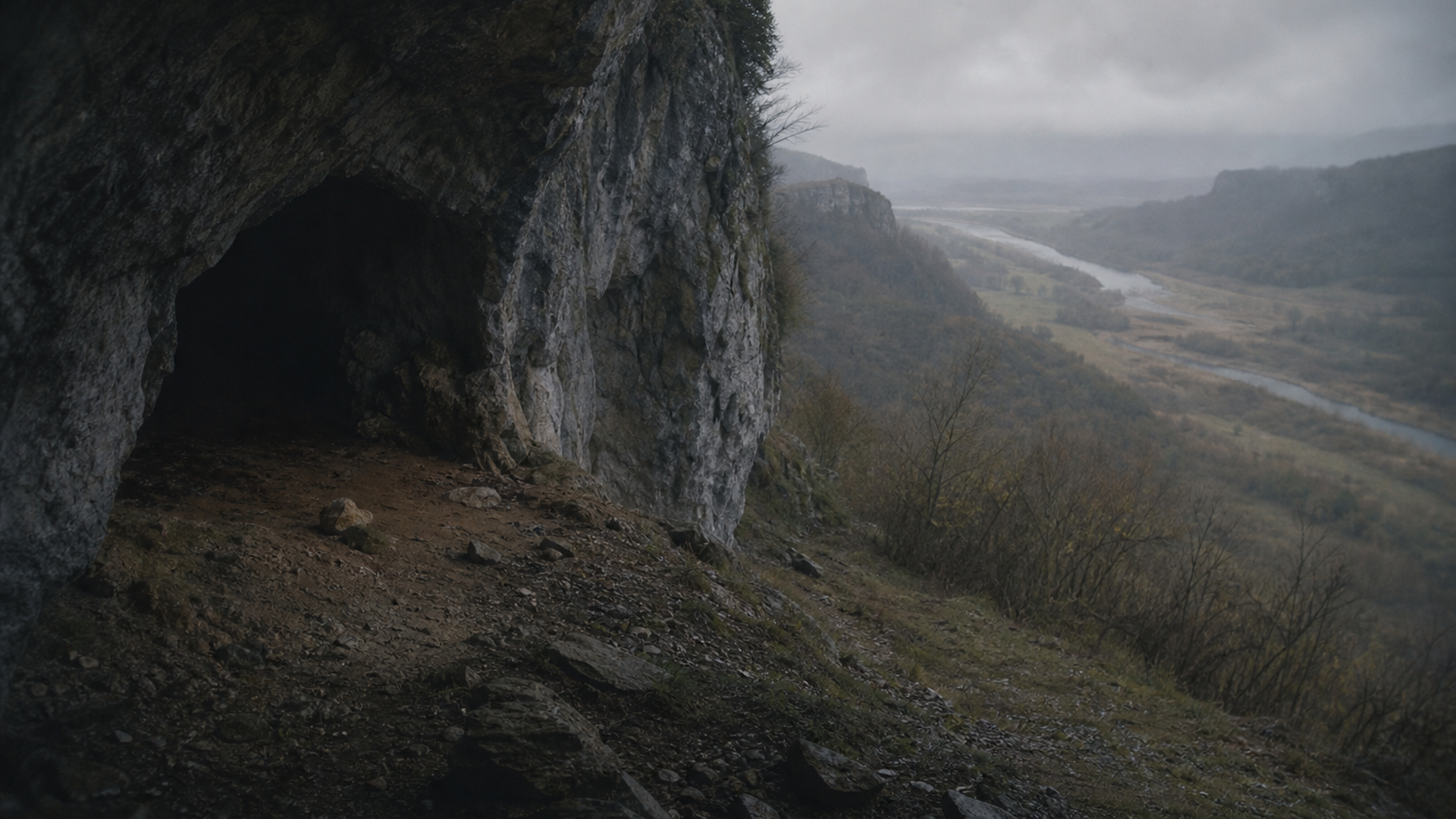
Goyet cave, Namur province, Belgium
1 Amostras antigas
Desplázate para começar
Capítulo I

A História

Comprender la cultura Goyet Q116-1: A Voice from 33,000 BCE

An Upper Paleolithic individual (33,678–32,771 BCE) from the Troisième caverne of Goyet cave, Belgium. Archaeology and a lone genome (Y C1a, mtDNA M) illuminate early European population structure while emphasizing the preliminary nature of conclusions from one sample.

Time Period

33,678–32,771 BCE

Region

Goyet cave, Namur province, Belgium

Common Y-DNA

C1a (1)

Common mtDNA

M (1)

Capítulo II

Cronologia

Momentos-chave da história desta cultura

33000 BCE

Human occupation at Goyet (Troisième caverne)

A hunter‑forager individual lived in the Meuse valley region; archaeological horizons and the genome from Q116-1 date to ca. 33,678–32,771 BCE.

Capítulo III

Origins & Emergence

Beneath the dripstone chambers of the Troisième caverne at Goyet, layers of flint and charcoal record human presence during the cold caress of the Upper Paleolithic. The radiocarbon window for the specimen labeled Belgium_UP_GoyetQ116_1 falls between 33,678 and 32,771 BCE, placing it in a landscape of wooded valleys and steppe pockets where small groups tracked game and moved seasonally.

Archaeological data indicates that Goyet contains multiple Upper Paleolithic horizons with lithic technology and faunal remains; this individual derives from those deep, stratified deposits. Limited evidence suggests association with typical hunter‑gatherer lifeways of the period—flake tools, animal processing, and temporary hearths—but the specific burial context for this sample is sparse. Importantly, with a sample count of one, interpretations about population origins and movements remain provisional.

Genetically, this individual provides a rare snapshot of people living in northwestern Europe during a period of climatic fluctuation and cultural innovation. When literary language meets stratigraphy, we see a moment where behavioral archaeology and paleogenomics combine to hint at dispersals of early modern humans across Eurasia. Yet the story is incomplete: each new specimen can substantially alter the narrative built from single genomes.

  • Radiocarbon dated to 33,678–32,771 BCE from Troisième caverne, Goyet
  • Associated with Upper Paleolithic lithic-bearing horizons
  • Conclusions are preliminary due to a single sampled genome
Capítulo IV

Daily Life & Society

Imagine a cold dawn above the Meuse valley: people kindling small hearths, knapping flakes, and drying meat on racks. Archaeological evidence from Goyet's Upper Paleolithic layers records stone-tool production and butchered fauna—suggesting mobile hunter‑forager groups whose daily routines revolved around procurement, processing, and seasonal movement. The caves themselves were likely episodic shelters, processing loci, or ritual places depending on fluctuating needs and social networks.

Material culture found in Goyet and comparable sites across Western Europe points to skillful use of local flint, organized hafting strategies, and a reliance on large mammals such as reindeer and horse, though specific faunal lists tied to this exact sample are limited. Social groups were small; kinship and networks allowed information and genes to flow across distances. Artistic and symbolic behaviors are known in broader Goyet deposits—engraved objects and transported items demonstrate long-range connections—but attributing any particular artifact to this individual is not possible.

Archaeological interpretations must therefore balance poetic reconstructions of daily life with the cautionary note that material traces are fragmentary. The single genetic profile from Q116-1 adds depth to these behavioral inferences but cannot alone resolve the social structure or mobility patterns of the population.

  • Caves used episodically for shelter, tool production, and processing
  • Evidence for mobile hunter‑forager lifeways; small social groups
Capítulo V

Genetic Profile

The paleogenomic data for Belgium_UP_GoyetQ116_1 is striking in its simplicity and its implication: Y‑chromosome haplogroup C1a and mitochondrial haplogroup M. Both lineages have deep roots in Eurasia. Haplogroup C1a appears in several Upper Paleolithic contexts and represents an early branch of paternal diversity outside Africa; its occurrence here is consistent with mosaic male lineages among early Europeans.

Mitochondrial haplogroup M is today abundant across Asia but is rare in contemporary Europe. Its presence in this Upper Paleolithic Belgian individual highlights that early modern human mitochondrial diversity in Europe included lineages that later declined or were replaced. Such shifts are documented in broader paleogenomic studies: Europe's genetic landscape experienced major turnovers during the Late Glacial, Neolithic, and Bronze Age migrations.

Because the dataset contains a single genome, any population-level inferences are tentative. Limited evidence suggests that Q116-1 contributes to a pattern of early west Eurasian genetic heterogeneity, where both western and eastern Eurasian maternal lineages occurred in Europe before later demographic shifts. Future samples from Goyet and neighboring sites are necessary to test whether C1a and M reflect a local lineage, a transient migrant, or wider regional variation.

  • Y‑DNA: C1a — an early Eurasian paternal lineage present in Upper Paleolithic contexts
  • mtDNA: M — indicates deep maternal lineages in Europe that later became rare
Capítulo VI

Legacy & Modern Connections

The lone genome from Goyet’s Troisième caverne acts like a single, bright flint struck in the dark: it sparks questions about the deep roots of European populations. Genetic signals such as Y‑C1a and mtDNA‑M link this individual to a broader Eurasian web, reminding us that Europe's genetic past was once more diverse than today.

Archaeologically, Goyet stands as a key stratigraphic archive for the Upper Paleolithic in northwest Europe. Genetically, the specimen contributes to the emerging picture that modern European ancestry is the product of multiple layers of migration, isolation, and replacement. Because conclusions rest on one sample, its legacy is primarily as an invitation: to expand sampling, refine chronologies, and weave together stones, bones, and genomes into a fuller story of human resilience and movement across Ice Age Europe.

  • Demonstrates early Eurasian genetic diversity present in Europe
  • Highlights need for more samples to understand population continuity and replacement
Capítulo VII

Catálogo de amostras

1 amostras de DNA antigo associadas à cultura Goyet Q116-1: A Voice from 33,000 BCE fornecem dados de referência sobre as populações desse período.

1 / 1 amostras
Retrato Mostrar País Época Data Cultura Sexo DNA-Y ADNmt
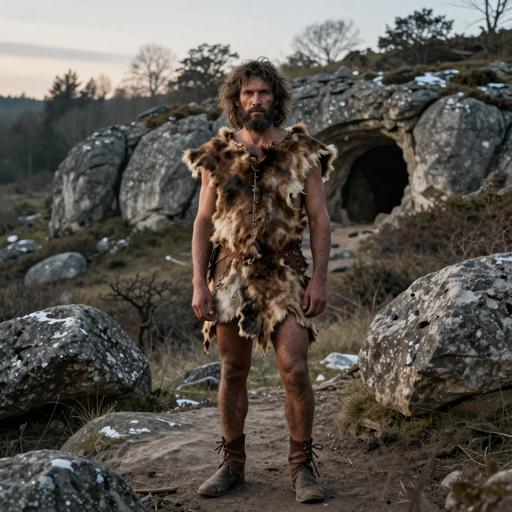
Retrato reconstruído de European Paleolithic individual, Belgium
European Paleolithic individual, Belgium
Belgium Belgium_UP_GoyetQ116_1 33678 BCE European Paleolithic M C1a M
Com IA

Assistente de IA

Haz preguntas sobre la cultura Goyet Q116-1: A Voice from 33,000 BCE

Assistente de IA por DNAGENICS

Desbloquear esta função
Pregunta sobre la cultura Goyet Q116-1: A Voice from 33,000 BCE. El asistente con IA puede explicar hallazgos genéticos, contexto histórico, pruebas arqueológicas y conexiones modernas, con sus límites de interpretación.
Exemplo de análise com IA

La cultura Goyet Q116-1: A Voice from 33,000 BCE representa un capítulo de la historia humana...

A análise genética permite estudar semelhanças com populações anteriores e possíveis adaptações. As amostras de DNA antigo fornecem informações para investigar padrões migratórios e relações entre populações, com limites que dependem do estudo e do contexto arqueológico.

Esta é uma antevisão da análise com IA. Aceder ao assistente completo para explorar informações sobre:

  • Composição e similaridade genética
  • Padrões migratórios e origens
  • Vida cotidiana e práticas culturais
  • Contexto genético moderno

Explore mais culturas antigas

Descubra a história de civilizações de diferentes partes do mundo antigo