A preparar o relatório

A carregar as informações e as referências disponíveis

Consultando el registro arqueológico...

Recopilando registros antiguos

Saltar para o conteúdo principal
La Arcillosa 2 — North Tierra del Fuego
Cultura de destaque

La Arcillosa 2 — North Tierra del Fuego

A lone 5800‑year‑old human remain tying coastal foraging lifeways to mtDNA C

4040 CE - 37105800 BCE
Tierra del Fuego (North), Argentina
1 Amostras antigas
Desplázate para começar
Capítulo I

A História

Comprender la cultura La Arcillosa 2 — North Tierra del Fuego

Single ancient individual (4040–3710 BCE) from La Arcillosa 2, North Tierra del Fuego, Argentina. Archaeology suggests coastal foraging; genetic data show mtDNA C. Conclusions are preliminary given a single sample, but the find illuminates Late Holocene human presence at the southern tip of South America.

Time Period

4040–3710 BCE (≈5800 BP)

Region

Tierra del Fuego (North), Argentina

Common Y-DNA

Unknown / not recovered

Common mtDNA

C (observed in 1 sample)

Capítulo II

Cronologia

Momentos-chave da história desta cultura

3880 BCE

Occupation at La Arcillosa 2 (≈5800 BP)

Human presence on the northern coast of Tierra del Fuego dated between 4040–3710 BCE; single genetic sample yields mtDNA C.

Capítulo III

Origins & Emergence

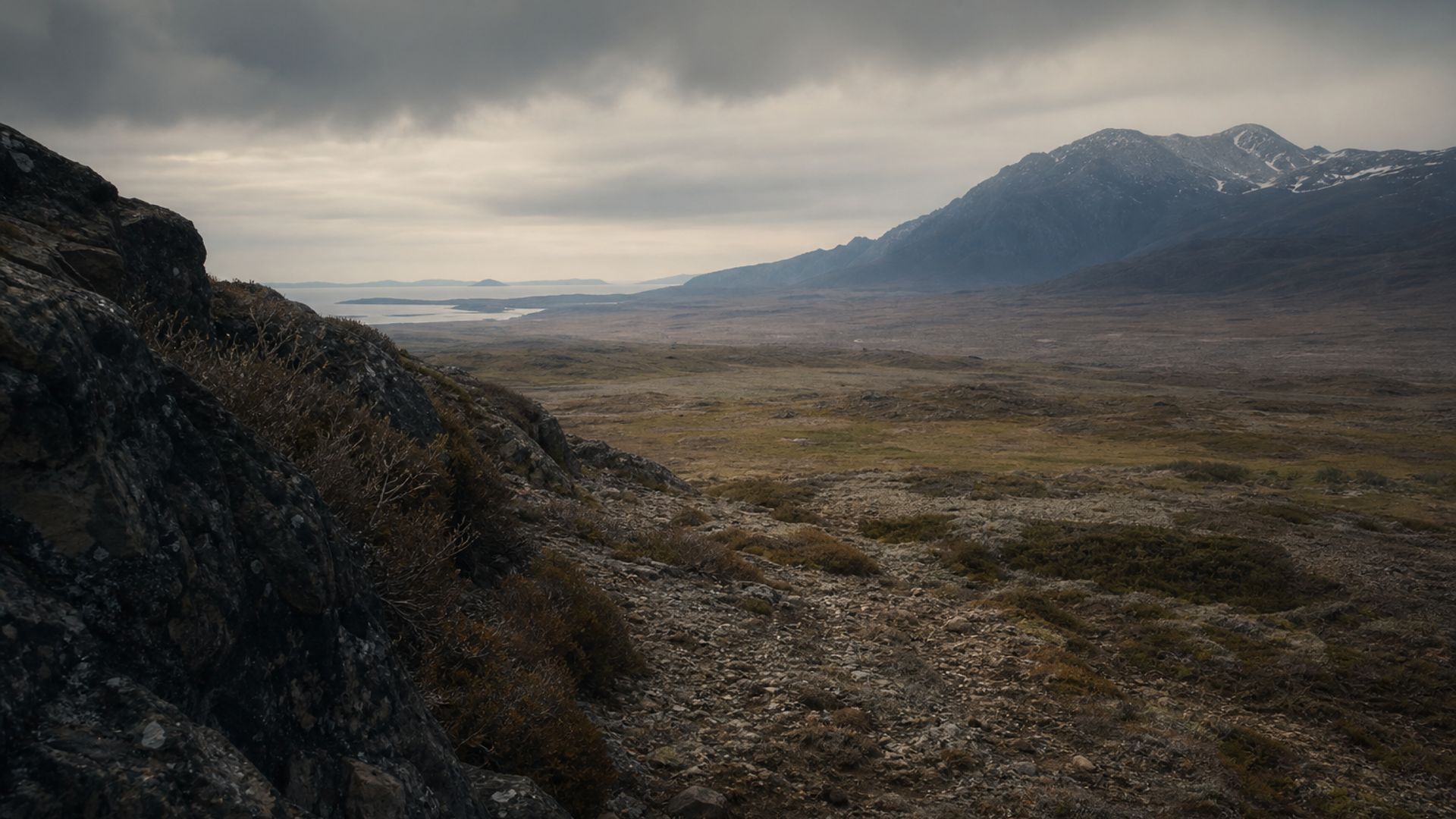
La Arcillosa 2 sits on the northern shores of Tierra del Fuego, a wind‑scraped landscape where ocean and rock meet. Radiocarbon-calibrated dates place the human material between 4040 and 3710 BCE (roughly 5800 years before present), anchoring this individual in the Late Holocene coastal world of southern South America. Archaeological data from the broader Fuegian littoral indicate repeated use of shorelines for food and raw materials; shell middens, hearths, and small lithic scatters are characteristic of sites in this region, although preservation varies.

Limited evidence suggests that the people who occupied these coasts were highly mobile, moving seasonally to exploit fish, shellfish, seabirds, and marine mammals. The singular nature of the La Arcillosa 2 genetic sample means cultural attribution must be cautious: while the find aligns chronologically with other Late Holocene coastal foragers in the southern cone, specific material culture links to named archaeological traditions are provisional. Still, the presence of a human lineage here at ~5800 BP provides a powerful temporal anchor for understanding human persistence in extreme southern latitudes and frames questions about mobility, exchange, and environmental adaptation that archaeological fieldwork can further test.

  • Located in North Tierra del Fuego; dated to 4040–3710 BCE
  • Archaeological context is coastal; regional sites show shell middens and lithic scatters
  • Single sample provides a temporal anchor but limits cultural assignment
Capítulo IV

Daily Life & Society

Imagine thin light sweeping across a rocky shore as boats or simple rafts come ashore and small bands move between coves. Archaeological interpretations for the Fuegian littoral suggest economies centered on marine resources: shellfish, intertidal organisms, seabirds, and fish would have formed reliable staples, supplemented by seasonally available terrestrial game. Hearth features and concentrations of shells in nearby sites indicate repeated, perhaps seasonal, encampment rather than dense sedentism.

Social groups were likely small kin-based units with flexible seasonal rounds. Tools required for this life would have included flaked stone for cutting and scraping, bone or antler implements, and containers for transport and storage—artifact types that often suffer taphonomic loss in high‑energy shore environments. Clothing and shelter strategies would be adapted to cold, windy conditions: ethnographic analogy and regional archaeology point to lightweight, highly portable technologies enabling mobility. Importantly, these reconstructions derive from patterns observed across the southern cone; direct evidence from La Arcillosa 2 itself is minimal, so hypotheses about household structure, belief systems, and social complexity remain speculative and in need of more excavation and recovery.

  • Coastal foraging economy with seasonal mobility
  • Small, kin-based groups using portable toolkits
Capítulo V

Genetic Profile

Genetic analysis of the single La Arcillosa 2 individual recovered mtDNA from haplogroup C. Haplogroup C is one of the maternal lineages broadly present among Indigenous populations across the Americas and is known in ancient and modern contexts throughout South America. The mtDNA result indicates that the maternal ancestry of this individual falls within the deep genetic diversity that accompanied the initial peopling and subsequent regional differentiation of Native American populations.

However, the genetic picture is extremely limited: there is only one sample from La Arcillosa 2. When sample counts are below ten, inferences about population structure, migration routes, or continuity with later groups must be treated as preliminary. No Y‑chromosome (paternal) haplogroup is reported for this individual, so paternal lineages remain unknown. Integrating this mtDNA result with broader ancient DNA datasets from the southern cone can suggest hypotheses—such as maternal continuity or regional isolation—but confirmation requires more genomes. Future shotgun sequencing, higher coverage mitochondrial genomes, and additional individuals from La Arcillosa and nearby sites will be essential to resolve whether this mtDNA C instance reflects local continuity, a wider coastal maternal lineage, or population turnover events.

  • mtDNA C observed, linking the individual to broader Native American maternal lineages
  • Single-sample evidence is preliminary; no Y-DNA reported
Capítulo VI

Legacy & Modern Connections

The La Arcillosa 2 find offers a visceral connection across millennia: a person moving along the windswept coasts of Tierra del Fuego whose maternal lineage survives in the broad tapestry of Native American mtDNA diversity. While we must avoid direct claims of lineal descent without more data, the presence of haplogroup C here echoes patterns seen elsewhere in South America and raises the possibility of maternal continuity in parts of the southern cone.


Beyond genetics, the site reminds us that human lifeways in extreme southern latitudes were resilient and adaptable. For contemporary communities and researchers, La Arcillosa 2 underscores the value of protecting coastal archaeological deposits threatened by erosion and sea‑level effects. Ethical, collaborative excavation and expanded genomic sampling—conducted with Indigenous partners and community consent—are the pathways by which the tentative stories hinted at by this solitary genome can be robustly tested and more fully told.

  • mtDNA C suggests links to broader Native American maternal diversity
  • Highlights need for further sampling and collaborative stewardship
Capítulo VII

Catálogo de amostras

1 amostras de DNA antigo associadas à cultura La Arcillosa 2 — North Tierra del Fuego fornecem dados de referência sobre as populações desse período.

1 / 1 amostras
Retrato Mostrar País Época Data Cultura Sexo DNA-Y ADNmt
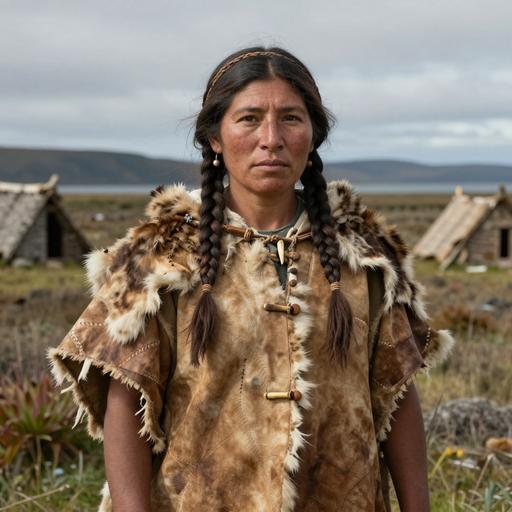
Retrato reconstruído de North Tierradel Fuego individual, Argentina
North Tierradel Fuego individual, Argentina
Argentina Argentina_NorthTierradelFuego_LaArcillosa2_5800BP 4040-3710 calBCE (5205±58 BP, AA-60935) Indigenous Cultures of South America F - C
Com IA

Assistente de IA

Haz preguntas sobre la cultura La Arcillosa 2 — North Tierra del Fuego

Assistente de IA por DNAGENICS

Desbloquear esta função
Pregunta sobre la cultura La Arcillosa 2 — North Tierra del Fuego. El asistente con IA puede explicar hallazgos genéticos, contexto histórico, pruebas arqueológicas y conexiones modernas, con sus límites de interpretación.
Exemplo de análise com IA

La cultura La Arcillosa 2 — North Tierra del Fuego representa un capítulo de la historia humana...

A análise genética permite estudar semelhanças com populações anteriores e possíveis adaptações. As amostras de DNA antigo fornecem informações para investigar padrões migratórios e relações entre populações, com limites que dependem do estudo e do contexto arqueológico.

Esta é uma antevisão da análise com IA. Aceder ao assistente completo para explorar informações sobre:

  • Composição e similaridade genética
  • Padrões migratórios e origens
  • Vida cotidiana e práticas culturais
  • Contexto genético moderno

Explore mais culturas antigas

Descubra a história de civilizações de diferentes partes do mundo antigo