A preparar o relatório

A carregar as informações e as referências disponíveis

Consultando el registro arqueológico...

Recopilando registros antiguos

Saltar para o conteúdo principal
Lake Eyasi Pastoralists (Tanzania PN‑IA)
Cultura de destaque

Lake Eyasi Pastoralists (Tanzania PN‑IA)

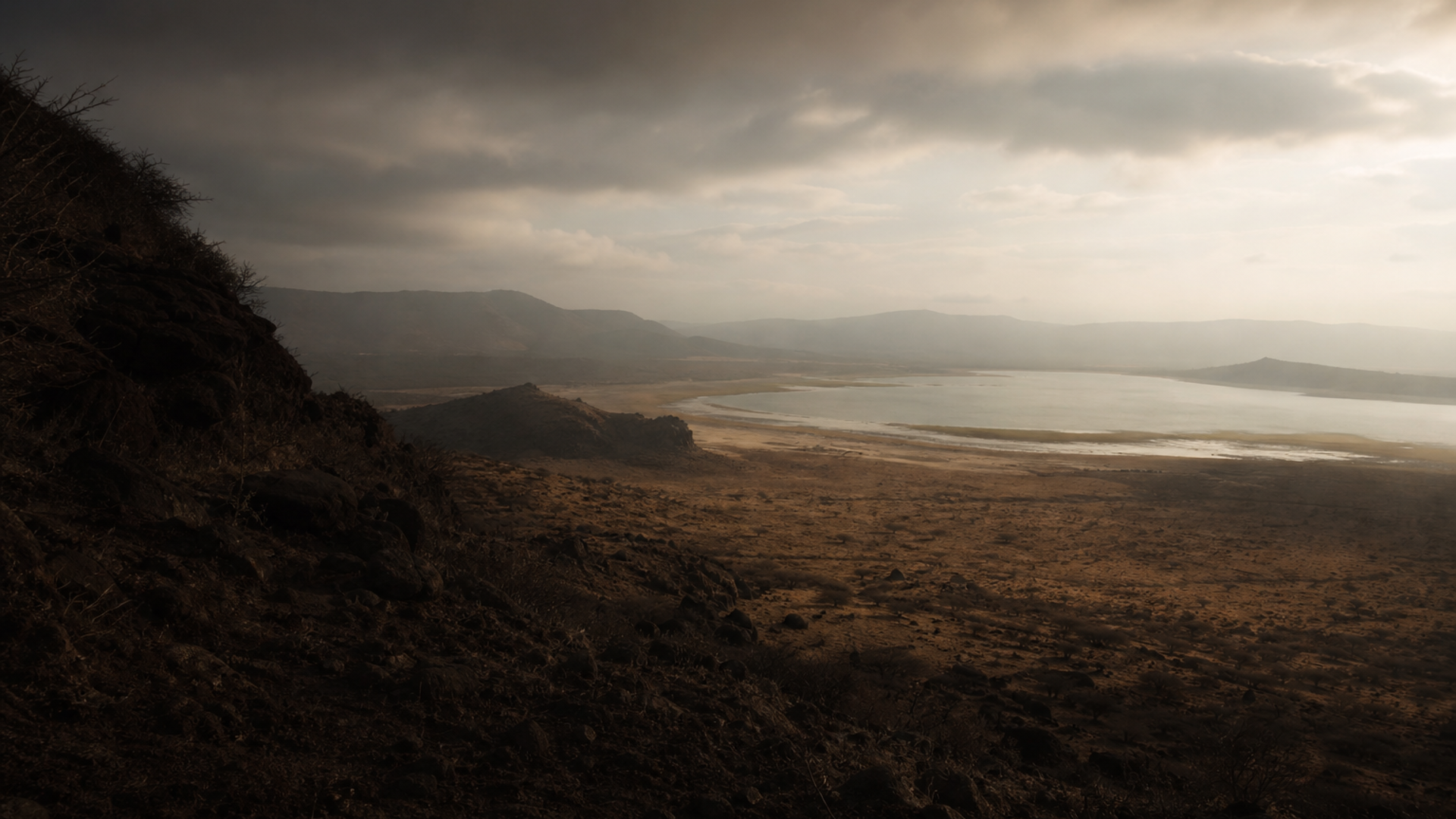
Four individuals from Gishimangeda Cave hint at pastoral lifeways on the northeastern shore of Lake Eyasi, 800–1 BCE.

800 BCE - 1 BCE
Lake Eyasi, Karatu District, Tanzania
Desplázate para começar
Capítulo I

A História

Comprender la cultura Lake Eyasi Pastoralists (Tanzania PN‑IA)

Archaeological and genetic evidence from four individuals at Gishimangeda Cave (Karatu District, Tanzania) offers a preliminary glimpse into Pastoral Neolithic–Iron Age lifeways around Lake Eyasi (800–1 BCE). Limited ancient DNA suggests local East African maternal lineages and diverse Y‑lineages.

Time Period

800 BCE – 1 BCE

Region

Lake Eyasi, Karatu District, Tanzania

Common Y-DNA

E, BT

Common mtDNA

L

Capítulo II

Cronologia

Momentos-chave da história desta cultura

800 BCE

Pastoral occupation at Lake Eyasi

Archaeological deposits at Gishimangeda Cave indicate pastoralist activity and seasonal occupation beginning around 800 BCE.

Capítulo III

Origins & Emergence

Gishimangeda Cave, set on the northeastern shore of Lake Eyasi in Karatu District, preserves a quiet archive of human presence across the late first millennium BCE. Archaeological data indicates episodic occupation by communities whose material traces align with regional Pastoral Neolithic traditions, later intersecting with early Iron Age practices. Excavations have recovered hearth deposits, fragmented pottery, and faunal remains typical of herding economies, suggesting that people here practiced mobile or semi‑mobile pastoralism in a volcanic highland–lake landscape.

The genetic evidence from four sampled individuals (800–1 BCE) is limited but evocative: maternal lineages belong to mtDNA haplogroup L, common across sub‑Saharan Africa, while paternal markers include Y‑haplogroups E and BT. Together, the archaeological and genetic signals paint a picture of local East African ancestry with potential influences from wider regional contacts. However, with only four samples, any model of population origin, migration, or replacement must remain provisional. Limited evidence suggests these groups were part of a broader mosaic of pastoral communities that reshaped East African ecology and social networks during the transition from Prehistoric to Iron Age periods.

  • Occupational deposits at Gishimangeda Cave date to 800–1 BCE
  • Archaeological indicators point to pastoral economies (faunal remains, pottery)
  • Limited genetic samples hint at local East African maternal ancestry
Capítulo IV

Daily Life & Society

The world around Lake Eyasi would have been a cinematic blend of open grasslands, freshwater edge habitats, and volcanic highland slopes. Archaeological data indicates communities exploited both domesticates and wild resources: fragmented bones and tool debris suggest a diet supplemented by herded animals, hunting, and gathered plant foods. Pottery fragments—simple and utilitarian—signal containers for milk, cooking, and storage, while hearths and floor lenses reveal repeated occupation and domestic routines.

Social life for these pastoralists likely balanced mobility with loci of reuse, such as rock shelters and caves like Gishimangeda. Mobility allowed herders to follow seasonal pastures and water, and also to exchange goods — beads, iron, or obsidian — along emerging regional networks. Burial practices at the site are still incompletely documented; where human remains occur, they offer rare windows into health, diet, and social identity. Archaeological interpretations remain cautious: evidence indicates pastoral lifeways, but the diversity of artifacts and settlement patterns points to flexible, adaptive communities navigating environmental change.

  • Diet combined herded animals with hunting and foraging
  • Housing and site use suggest seasonal mobility anchored to shelters like Gishimangeda
Capítulo V

Genetic Profile

Ancient DNA from four individuals at Gishimangeda Cave provides a preliminary genetic snapshot of populations living around Lake Eyasi between 800 and 1 BCE. Maternal haplogroups are assigned to lineage L (mtDNA), a broad cluster prevalent across sub‑Saharan Africa and commonly observed in ancient and modern East African populations. Paternal markers include Y‑haplogroups E (observed in one individual) and BT (observed in one individual); haplogroup E is frequent across Africa and often associated with local male‑line continuity, while BT is a more inclusive upstream clade that requires caution in interpretation.

Importantly, the sample count is small (n = 4). With such limited numbers, statements about population continuity, sex‑biased migration, or admixture with incoming groups must be tentative. Archaeological patterns of pastoralism combined with these genetic signals are consistent with local East African ancestry among pastoral communities, but they do not exclude interactions with neighboring groups, nor later demographic transformations in the Iron Age. Future sampling with larger numbers and genome‑wide data will be essential to resolve questions about population structure, migration routes, and the genetic legacy of these pastoralists in modern East African groups.

  • mtDNA: haplogroup L — consistent with sub‑Saharan maternal ancestry
  • Y‑DNA: E and BT observed; low sample size prevents robust demographic claims
Capítulo VI

Legacy & Modern Connections

The pastoral communities around Lake Eyasi contributed to the tapestry of East African prehistory that underpins many later cultural landscapes. Ethnographic continuity in livestock herding and landscape knowledge is visible among modern pastoral groups in the region, though direct genetic or cultural lineages to the Gishimangeda individuals remain uncertain. Limited ancient DNA hints at genetic continuity with broader East African populations, but the small sample size means any claimed links to specific modern communities must be framed as provisional.

Archaeology and genetics together emphasize a legacy of adaptation: people who managed herds, negotiated seasonal resources, and participated in regional exchange networks. Their traces in caves and middens, and their fragile genetic signatures, invite further research to illuminate how Pastoral Neolithic lifeways transitioned into the Iron Age and shaped the genetic and cultural makeup of contemporary East Africa.

  • Possible cultural continuities with regional pastoral traditions around Lake Eyasi
  • Genetic signals are suggestive but preliminary; more samples needed for firm links
Com IA

Assistente de IA

Haz preguntas sobre la cultura Lake Eyasi Pastoralists (Tanzania PN‑IA)

Assistente de IA por DNAGENICS

Desbloquear esta função
Pregunta sobre la cultura Lake Eyasi Pastoralists (Tanzania PN‑IA). El asistente con IA puede explicar hallazgos genéticos, contexto histórico, pruebas arqueológicas y conexiones modernas, con sus límites de interpretación.
Exemplo de análise com IA

La cultura Lake Eyasi Pastoralists (Tanzania PN‑IA) representa un capítulo de la historia humana...

A análise genética permite estudar semelhanças com populações anteriores e possíveis adaptações. As amostras de DNA antigo fornecem informações para investigar padrões migratórios e relações entre populações, com limites que dependem do estudo e do contexto arqueológico.

Esta é uma antevisão da análise com IA. Aceder ao assistente completo para explorar informações sobre:

  • Composição e similaridade genética
  • Padrões migratórios e origens
  • Vida cotidiana e práticas culturais
  • Contexto genético moderno

Explore mais culturas antigas

Descubra a história de civilizações de diferentes partes do mundo antigo