A preparar o relatório

A carregar as informações e as referências disponíveis

Consultando el registro arqueológico...

Recopilando registros antiguos

Saltar para o conteúdo principal
Mayahak Cab Pek: Belize 8,800 Years Ago
Cultura de destaque

Mayahak Cab Pek: Belize 8,800 Years Ago

Two ancient voices from an early Holocene coastline, whispering about origins and continuity.

7050 CE - 6600 BCE
Belize (Mesoamerica), Mayahak Cab Pek
2 Amostras antigas
Desplázate para começar
Capítulo I

A História

Comprender la cultura Mayahak Cab Pek: Belize 8,800 Years Ago

Archaeological finds from Mayahak Cab Pek (Belize) dated 7050–6600 BCE include two individuals carrying mtDNA haplogroup D. Limited samples hint at early coastal foragers with genetic links to Pan-American founding lineages, but conclusions remain preliminary.

Time Period

7050–6600 BCE

Region

Belize (Mesoamerica), Mayahak Cab Pek

Common Y-DNA

Not recovered / no data

Common mtDNA

D (2 samples)

Capítulo II

Cronologia

Momentos-chave da história desta cultura

7050 BCE

Early occupation at Mayahak Cab Pek

Radiocarbon contexts indicate human activity and burials at Mayahak Cab Pek around 7050 BCE, reflecting early Holocene coastal foraging in present-day Belize.

Capítulo III

Origins & Emergence

The Mayahak Cab Pek assemblage sits in the early Holocene, a period of rising seas and shifting shorelines. Radiocarbon contexts place human activity between roughly 7050 and 6600 BCE. Archaeological data indicates repeated use of coastal terraces and lagoons, with deposits that suggest shell accumulation, ephemeral hearths and lithic knapping nearby. These features paint a picture of small, mobile bands exploiting rich marine and estuarine resources.

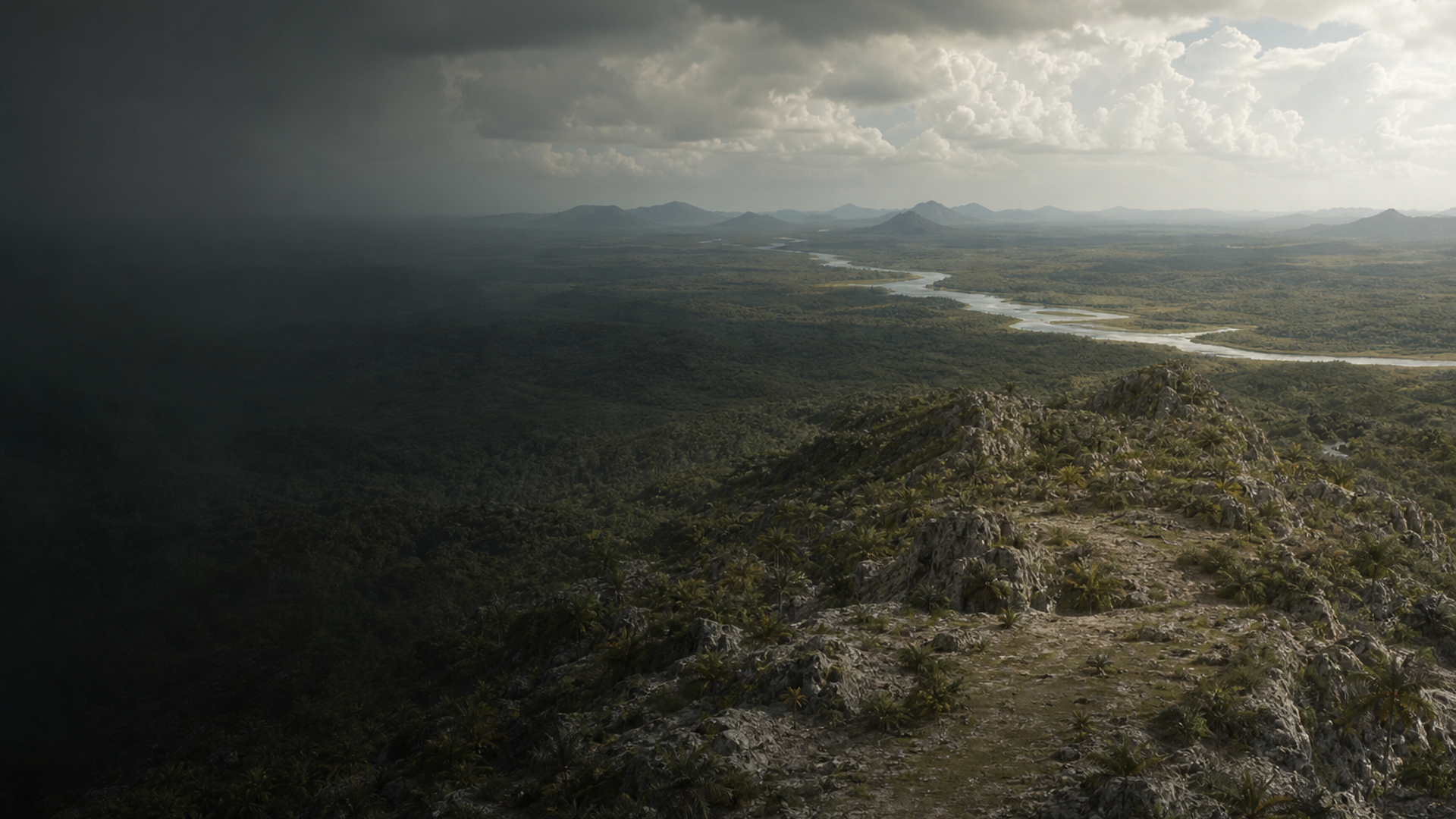
Cinematic though the scene feels — dawn mist over mangroves, smoke drifting from shore fires — the archaeological interpretation is cautious. Preservation and stratigraphic complexity at coastal sites mean that recovery is fragmented. Mayahak Cab Pek provides a local snapshot of human adaptation as environments stabilized after the last Ice Age.

In a wider geographical frame, occupations like Mayahak Cab Pek align chronologically with other early Holocene coastal foraging traditions across the Caribbean and Pacific coast of Central America. Archaeological evidence alone cannot fully resolve population movements; instead it establishes a behavioral backdrop against which genetic data can test hypotheses of continuity, migration, and regional interaction.

  • Site dated to ca. 7050–6600 BCE during the early Holocene
  • Archaeological indicators of coastal foraging and lithic activity
  • Evidence suits hypotheses of mobile, small-scale groups adapting to changing shorelines
Capítulo IV

Daily Life & Society

Archaeological traces from Mayahak Cab Pek imply a lifeway centered on the interface of land and sea. Shell middens and food remains (where preserved) point to diets rich in molluscs, fish and estuarine resources. Portable stone tools and fractured flakes suggest on-site tool maintenance rather than large-scale production, consistent with highly mobile households moving along the coast.

Social organization for such groups was likely flexible: small kin-based bands that congregated seasonally, sharing knowledge of tidal cycles, fishing spots and plant resources. Material culture — ephemeral hearths, worked flake assemblages and occasional groundstone — underscores low-density occupation rather than permanent villages.

Care should be taken not to romanticize these reconstructions. Coastal taphonomy and limited excavation areas constrain what we know. Still, when combined with environmental reconstructions, the archaeological record at Mayahak Cab Pek evokes a resilient adaptation to shifting shorelines, where daily life revolved around tides, tideside resources and finely tuned ecological knowledge.

  • Diet dominated by marine and estuarine resources
  • Evidence of mobile, small-scale social groups with seasonal movement
Capítulo V

Genetic Profile

Two human remains from Mayahak Cab Pek yielded mitochondrial DNA assigned to haplogroup D. Haplogroup D is one of the major maternal lineages observed across the Americas and is broadly associated with the early peopling of the New World. In that sense, the mtDNA results from Mayahak Cab Pek are consistent with a deep ancestry that connects these individuals to the broader Pan‑American maternal gene pool.

However, the sample count is very small (n = 2). Limited evidence suggests continuity with later Native American populations, but with only two mtDNA genomes we cannot robustly assess population structure, demographic change, or sex-biased migration. No Y‑chromosome (paternal) haplogroups are reported for these samples, leaving the paternal side of ancestry unresolved.

Genetic data here are best read as a preliminary window: they confirm that lineages associated with the founding populations of the Americas were present in coastal Belize by the early Holocene, but they do not allow firm conclusions about local continuity, admixture events, or fine-scale migration patterns. Future sampling and genome-wide data would be necessary to move from intriguing hint to confident narrative.

  • Both individuals carry mtDNA haplogroup D — a Pan‑American maternal lineage
  • Very small sample size (n = 2) — conclusions remain preliminary; no Y‑DNA recovered
Capítulo VI

Legacy & Modern Connections

Mayahak Cab Pek links a cinematic early Holocene coastline to the deep genetic roots of the Americas. The presence of mtDNA D ties these individuals into the larger story of New World settlement — threads that later weave into the diversity of Indigenous populations in Mesoamerica and beyond. Archaeological continuity in coastal resource use suggests that fishing and estuarine foraging were long-standing adaptations that shaped cultural trajectories in Belize.

At the same time, modern connections must be framed with caution: genetic continuity over millennia is complex, and drastic demographic events, migrations, and cultural transformations can reshape ancestry signals. The Mayahak Cab Pek samples are signposts, not endpoints: they invite more sampling, respectful collaboration with descendant communities, and integrated study of archaeology, environment and DNA to illuminate how early Holocene lifeways contribute to the living human story in Belize.

  • mtDNA links suggest continuity with broader Pan‑American maternal lineages
  • Findings underscore need for more sampling and community-engaged research
Capítulo VII

Catálogo de amostras

2 amostras de DNA antigo associadas à cultura Mayahak Cab Pek: Belize 8,800 Years Ago fornecem dados de referência sobre as populações desse período.

2 / 2 amostras
Retrato Mostrar País Época Data Cultura Sexo DNA-Y ADNmt
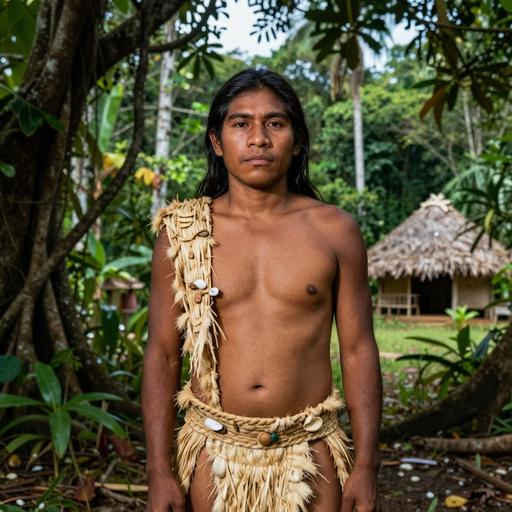
Retrato reconstruído de Archaic Maya possible individual, Belize
Archaic Maya possible individual, Belize
Belize Belize_8800BP 7031-6646 calBCE (7900±35 BP, PSUAMS-4800) Pre-Columbian Mesoamerican M F D4h3a5
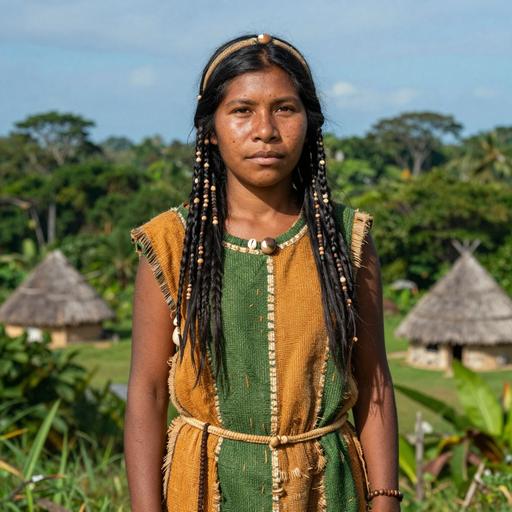
Retrato reconstruído de Archaic Maya individual, Belize
Archaic Maya individual, Belize
Belize Belize_8800BP 7050-6600 BCE Pre-Columbian Mesoamerican F - D4h3a5
Com IA

Assistente de IA

Haz preguntas sobre la cultura Mayahak Cab Pek: Belize 8,800 Years Ago

Assistente de IA por DNAGENICS

Desbloquear esta função
Pregunta sobre la cultura Mayahak Cab Pek: Belize 8,800 Years Ago. El asistente con IA puede explicar hallazgos genéticos, contexto histórico, pruebas arqueológicas y conexiones modernas, con sus límites de interpretación.
Exemplo de análise com IA

La cultura Mayahak Cab Pek: Belize 8,800 Years Ago representa un capítulo de la historia humana...

A análise genética permite estudar semelhanças com populações anteriores e possíveis adaptações. As amostras de DNA antigo fornecem informações para investigar padrões migratórios e relações entre populações, com limites que dependem do estudo e do contexto arqueológico.

Esta é uma antevisão da análise com IA. Aceder ao assistente completo para explorar informações sobre:

  • Composição e similaridade genética
  • Padrões migratórios e origens
  • Vida cotidiana e práticas culturais
  • Contexto genético moderno

Explore mais culturas antigas

Descubra a história de civilizações de diferentes partes do mundo antigo