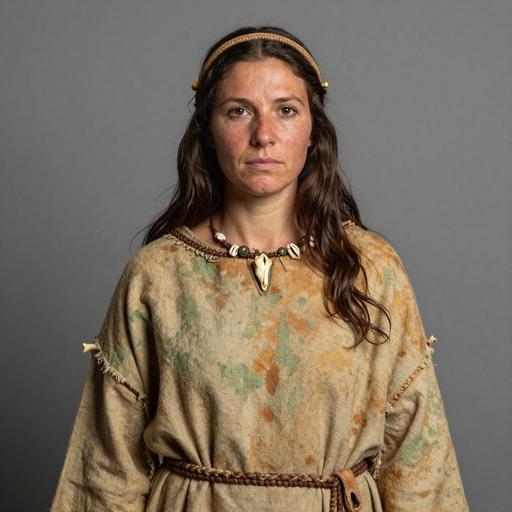
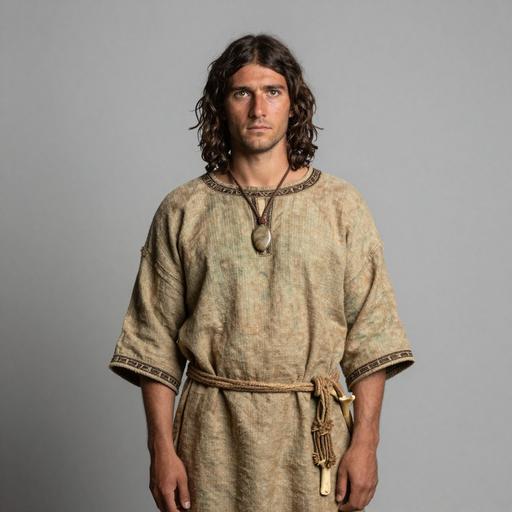
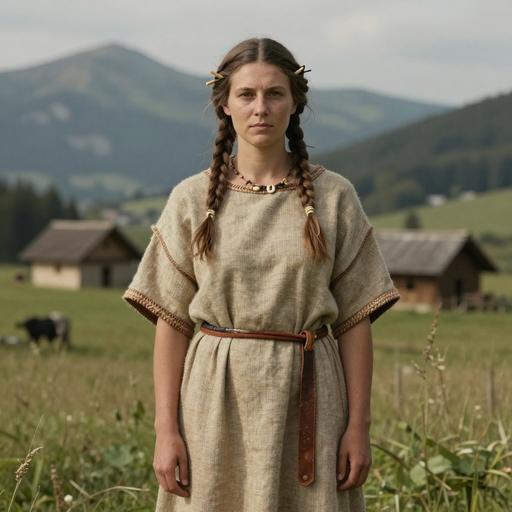
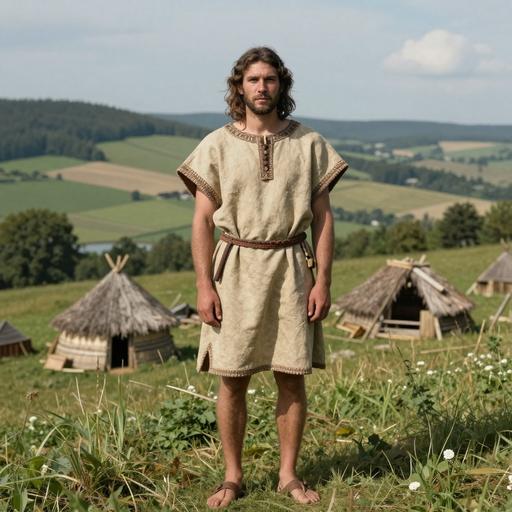
|
|
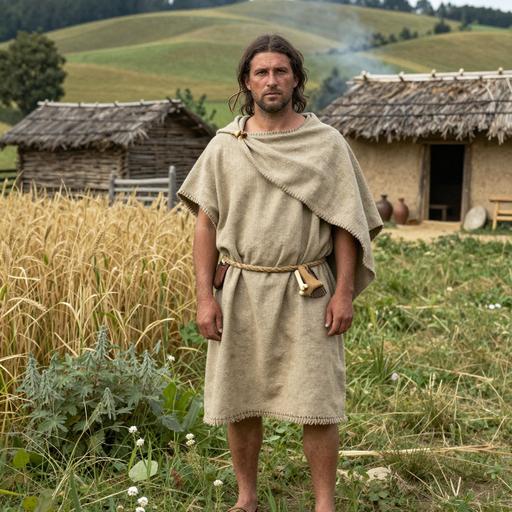
European Neolithic individual, Austria
|
Austria |
Austria_N_LBK |
5209 BCE |
European Neolithic |
M
|
-
|
K1a1a*
|
|
|
European Neolithic individual, Austria
|
Austria |
Austria_N_LBK |
5500 BCE |
European Neolithic |
M
|
-
|
J1c2
|
|
|
N LBK individual, Austria
|
Austria |
Austria_N_LBK |
5250-5150 BCE |
|
M
|
C-FT59486
|
J2b1d
|
|
|
N LBK individual, Austria
|
Austria |
Austria_N_LBK |
5300-5000 BCE |
|
M
|
J-Z6050
|
W5
|
|
|
N LBK individual, Austria
|
Austria |
Austria_N_LBK |
5250-5150 BCE |
|
F
|
-
|
J1c2
|
|
|
N LBK individual, Austria
|
Austria |
Austria_N_LBK |
5250-5150 BCE |
|
M
|
G-BY133179
|
H
|
|
|
N LBK individual, Austria
|
Austria |
Austria_N_LBK |
5300-5000 BCE |
European Neolithic |
F
|
-
|
K1b1a
|
|
|
European Neolithic individual, Austria
|
Austria |
Austria_N_LBK |
5100 BCE |
European Neolithic |
F
|
-
|
H
|
|
|
European Neolithic individual, Austria
|
Austria |
Austria_N_LBK |
5100 BCE |
European Neolithic |
M
|
J-Z6048
|
H67
|
|
|
N LBK individual, Austria
|
Austria |
Austria_N_LBK |
5250-5150 BCE |
|
F
|
-
|
T2+16189
|
|
|
European Neolithic individual, Austria
|
Austria |
Austria_N_LBK |
5100 BCE |
European Neolithic |
F
|
-
|
T2b
|
|
|
N LBK individual, Austria
|
Austria |
Austria_N_LBK |
5250-5150 BCE |
|
F
|
-
|
H
|
|
|
N LBK individual, Austria
|
Austria |
Austria_N_LBK |
5250-5150 BCE |
|
F
|
-
|
T2b
|
|
|
N LBK individual, Austria
|
Austria |
Austria_N_LBK |
5250-5150 BCE |
|
M
|
G-Z39332
|
T2b4
|
|
|
N LBK individual, Austria
|
Austria |
Austria_N_LBK |
5250-5150 BCE |
|
F
|
-
|
J1c2
|
|
|
N LBK individual, Austria
|
Austria |
Austria_N_LBK |
5250-5150 BCE |
|
M
|
C-FT59486
|
J1c1
|
|
|
N LBK individual, Austria
|
Austria |
Austria_N_LBK |
5300-5000 BCE |
European Neolithic |
M
|
G-F2572
|
J1c
|
|
|
N LBK individual, Austria
|
Austria |
Austria_N_LBK |
5033-4847 calBCE (6050±25 BP, MAMS-38865) |
European Neolithic |
M
|
C-V20
|
T2c1+146
|
|
|
N LBK individual, Austria
|
Austria |
Austria_N_LBK |
5300-5000 BCE |
European Neolithic |
F
|
-
|
T2b
|
|
|
N LBK individual, Austria
|
Austria |
Austria_N_LBK |
5301-5053 calBCE (6219±31 BP, MAMS-38863) |
European Neolithic |
F
|
-
|
K1a+195
|
|
|
N LBK individual, Austria
|
Austria |
Austria_N_LBK |
5300-5000 BCE |
European Neolithic |
M
|
C-V86
|
H59
|
|
|
N LBK individual, Austria
|
Austria |
Austria_N_LBK |
5300-5000 BCE |
European Neolithic |
F
|
-
|
U8b1a1
|
|
|
N LBK individual, Austria
|
Austria |
Austria_N_LBK |
5300-5000 BCE |
European Neolithic |
F
|
-
|
H5b
|
|
|
N LBK individual, Austria
|
Austria |
Austria_N_LBK |
5300-5046 calBCE (6210±35 BP, VERA-2198) |
European Neolithic |
F
|
-
|
H5b
|
|
|
N LBK individual, Austria
|
Austria |
Austria_N_LBK |
5302-5041 calBCE (6210±40 BP, VERA-2016) |
European Neolithic |
F
|
-
|
X2b
|
|
|
N LBK individual, Austria
|
Austria |
Austria_N_LBK |
5293-5053 calBCE (6207±25 BP, MAMS-38867) |
European Neolithic |
F
|
-
|
H+16311
|
|
|
N LBK individual, Austria
|
Austria |
Austria_N_LBK |
5300-5000 BCE |
European Neolithic |
F
|
-
|
J1c5
|
|
|
N LBK individual, Austria
|
Austria |
Austria_N_LBK |
5213-5008 calBCE (6165±35 BP, VERA-2441) |
European Neolithic |
M
|
C-V20
|
T2b
|
|
|
N LBK individual, Austria
|
Austria |
Austria_N_LBK |
5300-5000 BCE |
European Neolithic |
M
|
C-V86
|
K1b1
|
|
|
N LBK individual, Austria
|
Austria |
Austria_N_LBK |
5300-5000 BCE |
European Neolithic |
F
|
-
|
H
|
|
|
N LBK individual, Austria
|
Austria |
Austria_N_LBK |
5300-5000 BCE |
European Neolithic |
M
|
G-P303
|
K1a3a
|
|
|
N LBK individual, Austria
|
Austria |
Austria_N_LBK |
5300-5000 BCE |
European Neolithic |
M
|
C-V86
|
T1a
|
|
|
N LBK individual, Austria
|
Austria |
Austria_N_LBK |
5300-5000 BCE |
European Neolithic |
F
|
-
|
N1a1a1a
|
|
|
N LBK individual, Austria
|
Austria |
Austria_N_LBK |
5300-5000 BCE |
European Neolithic |
M
|
H-Y21618
|
T2b
|
|
|
N LBK individual, Austria
|
Austria |
Austria_N_LBK |
5300-5000 BCE |
European Neolithic |
M
|
J-Z6050
|
H
|
|
|
N LBK individual, Austria
|
Austria |
Austria_N_LBK |
5300-5000 BCE |
European Neolithic |
M
|
C-V86
|
K1a3a
|
|
|
N LBK individual, Austria
|
Austria |
Austria_N_LBK |
5209-4951 calBCE (6125±35 BP, VERA-2014) |
European Neolithic |
M
|
G-P303
|
W1+119
|
|
|
N LBK individual, Austria
|
Austria |
Austria_N_LBK |
5300-5000 BCE |
European Neolithic |
F
|
-
|
V1
|
|
|
N LBK individual, Austria
|
Austria |
Austria_N_LBK |
5300-5000 BCE |
European Neolithic |
F
|
-
|
T2b23
|
|
|
N LBK individual, Austria
|
Austria |
Austria_N_LBK |
5300-5000 BCE |
European Neolithic |
M
|
H
|
X2d
|
|
|
N LBK individual, Austria
|
Austria |
Austria_N_LBK |
5300-5000 BCE |
European Neolithic |
M
|
G-F2572
|
H10+(16093)
|
|
|
N LBK individual, Austria
|
Austria |
Austria_N_LBK |
5300-5000 BCE |
European Neolithic |
M
|
T-Y63197
|
T2b23
|
|
|
N LBK individual, Austria
|
Austria |
Austria_N_LBK |
5311-5072 calBCE (6254±31 BP, MAMS-42229) |
European Neolithic |
F
|
-
|
H26
|
|
|
N LBK individual, Austria
|
Austria |
Austria_N_LBK |
5313-5074 calBCE (6258±31 BP, MAMS-42232) |
European Neolithic |
M
|
G-Z6885
|
V1
|
|
|
N LBK individual, Austria
|
Austria |
Austria_N_LBK |
5300-5000 BCE |
European Neolithic |
F
|
-
|
H
|
|
|
N LBK individual, Austria
|
Austria |
Austria_N_LBK |
5197-4844 calBCE (6055±35 BP, VERA-2009) |
European Neolithic |
M
|
G-Z6885
|
J2b1d
|
|
|
N LBK individual, Austria
|
Austria |
Austria_N_LBK |
5211-4995 calBCE (6145±35 BP, VERA-2008) |
European Neolithic |
M
|
H
|
N1a1a1a
|
|
|
N LBK individual, Austria
|
Austria |
Austria_N_LBK |
5300-5000 BCE |
European Neolithic |
F
|
-
|
N1a1a1
|
|
|
N LBK individual, Austria
|
Austria |
Austria_N_LBK |
5300-5000 BCE |
European Neolithic |
M
|
C-V86
|
K1a
|
|
|
N LBK individual, Austria
|
Austria |
Austria_N_LBK |
5300-5000 BCE |
European Neolithic |
F
|
-
|
J1c17
|
|
|
N LBK individual, Austria
|
Austria |
Austria_N_LBK |
5300-5000 BCE |
European Neolithic |
M
|
C-V86
|
H
|
|
|
N LBK individual, Austria
|
Austria |
Austria_N_LBK |
5300-5000 BCE |
European Neolithic |
F
|
-
|
K1a2
|
|
|
N LBK individual, Austria
|
Austria |
Austria_N_LBK |
5300-5000 BCE |
European Neolithic |
F
|
-
|
K1a2c
|
|
|
N LBK individual, Austria
|
Austria |
Austria_N_LBK |
5300-5000 BCE |
European Neolithic |
F
|
-
|
T2b
|
|
|
N LBK individual, Austria
|
Austria |
Austria_N_LBK |
5300-5000 BCE |
European Neolithic |
M
|
C-V86
|
U8b1b
|
|
|
N LBK individual, Austria
|
Austria |
Austria_N_LBK |
5300-5000 BCE |
European Neolithic |
M
|
C-V20
|
H+16311
|
|
|
N LBK individual, Austria
|
Austria |
Austria_N_LBK |
5300-5000 BCE |
European Neolithic |
F
|
-
|
J1c2
|
|
|
N LBK individual, Austria
|
Austria |
Austria_N_LBK |
5300-5000 BCE |
European Neolithic |
F
|
-
|
U3a1
|
|
|
N LBK individual, Austria
|
Austria |
Austria_N_LBK |
5300-5000 BCE |
European Neolithic |
M
|
C-V86
|
N1a1a1a3
|
|
|
N LBK individual, Austria
|
Austria |
Austria_N_LBK |
5300-5000 BCE |
European Neolithic |
M
|
C
|
H67
|
|
|
European Neolithic individual, Austria
|
Austria |
Austria_N_LBK |
5300 BCE |
European Neolithic |
F
|
-
|
H
|
|
|
European Neolithic individual, Austria
|
Austria |
Austria_N_LBK |
5206 BCE |
European Neolithic |
M
|
G-P287
|
T2+16189
|
|
|
European Neolithic individual, Austria
|
Austria |
Austria_N_LBK |
5250 BCE |
European Neolithic |
M
|
C-V86
|
T2b
|
|
|
European Neolithic individual, Austria
|
Austria |
Austria_N_LBK |
5308 BCE |
European Neolithic |
M
|
C-V20
|
J1c1
|
|
|
European Neolithic individual, Austria
|
Austria |
Austria_N_LBK |
5296 BCE |
European Neolithic |
M
|
C-V86
|
J2b1d
|
|
|
European Neolithic individual, Austria
|
Austria |
Austria_N_LBK |
5300 BCE |
European Neolithic |
F
|
-
|
H
|
|
|
European Neolithic individual, Austria
|
Austria |
Austria_N_LBK |
5207 BCE |
European Neolithic |
M
|
E-M78
|
W1+119
|
|
|
European Neolithic individual, Austria
|
Austria |
Austria_N_LBK |
5312 BCE |
European Neolithic |
M
|
G-Z6885
|
T2b4
|
|
|
European Neolithic individual, Austria
|
Austria |
Austria_N_LBK |
5300 BCE |
European Neolithic |
M
|
C-F3393
|
H27
|
|
|
European Neolithic individual, Austria
|
Austria |
Austria_N_LBK |
5300 BCE |
European Neolithic |
F
|
-
|
J1c2
|
|
|
European Neolithic individual, Austria
|
Austria |
Austria_N_LBK |
5300 BCE |
European Neolithic |
F
|
-
|
T2b
|
|
|
N LBK individual, Austria
|
Austria |
Austria_N_LBK |
5300-5000 BCE |
European Neolithic |
M
|
C-F16270
|
K2a
|
|
|
European Neolithic individual, Austria
|
Austria |
Austria_N_LBK |
5300 BCE |
European Neolithic |
M
|
C-F3393
|
H7c
|
|
|
European Neolithic individual, Austria
|
Austria |
Austria_N_LBK |
5300 BCE |
European Neolithic |
M
|
G-PF3177
|
H
|
|
|
European Neolithic individual, Austria
|
Austria |
Austria_N_LBK |
5300 BCE |
European Neolithic |
F
|
-
|
T2+16189
|
|
|
European Neolithic individual, Austria
|
Austria |
Austria_N_LBK |
5300 BCE |
European Neolithic |
F
|
-
|
J1c2
|
|
|
N LBK individual, Austria
|
Austria |
Austria_N_LBK |
5300-5000 BCE |
European Neolithic |
M
|
-
|
H
|
|
|
European Neolithic individual, Austria
|
Austria |
Austria_N_LBK |
5300 BCE |
European Neolithic |
M
|
C-V86
|
H
|
|
|
N LBK individual, Austria
|
Austria |
Austria_N_LBK |
5300-5000 BCE |
European Neolithic |
F
|
-
|
T2c1+146
|
|
|
N LBK individual, Austria
|
Austria |
Austria_N_LBK |
5300-5000 BCE |
European Neolithic |
M
|
J-Z6050
|
K1a
|
|
|
N LBK individual, Austria
|
Austria |
Austria_N_LBK |
5197-4844 calBCE (6055±35 BP) |
European Neolithic |
M
|
C-V86
|
K1a3
|
|
|
N LBK individual, Austria
|
Austria |
Austria_N_LBK |
5205-4847 calBCE (6075±35 BP, VERA-2008) |
European Neolithic |
M
|
G-P303
|
H40
|
|
|
N LBK individual, Austria
|
Austria |
Austria_N_LBK |
5300-5000 BCE |
European Neolithic |
M
|
G-U1
|
H7c
|
|
|
N LBK individual, Austria
|
Austria |
Austria_N_LBK |
5300-5000 BCE |
European Neolithic |
F
|
-
|
T2b
|
|
|
N LBK individual, Austria
|
Austria |
Austria_N_LBK |
5300-5000 BCE |
European Neolithic |
M
|
C-V86
|
H
|
|
|
European Neolithic individual, Austria
|
Austria |
Austria_N_LBK |
5300 BCE |
European Neolithic |
M
|
J-Z6050
|
W5
|
|
|
N LBK individual, Austria
|
Austria |
Austria_N_LBK |
5300-5000 BCE |
European Neolithic |
M
|
C-V20
|
K1a
|
|
|
N LBK individual, Austria
|
Austria |
Austria_N_LBK |
5205-4847 calBCE (6075±35 BP, VERA-2012) |
European Neolithic |
M
|
C-V20
|
V1
|
|
|
N LBK individual, Austria
|
Austria |
Austria_N_LBK |
5215-5008 calBCE (6175±35 BP, VERA-2007) |
European Neolithic |
F
|
-
|
H
|
|
|
N LBK individual, Austria
|
Austria |
Austria_N_LBK |
5203-4784 calBCE (6025±55 BP, ETH-14373) |
European Neolithic |
M
|
G-Z6885
|
N1a1a1a
|
|
|
N LBK individual, Austria
|
Austria |
Austria_N_LBK |
5215-5016 calBCE (6175±30 BP, VERA-2737) |
European Neolithic |
M
|
C-V86
|
N1a1a1a3
|
|
|
N LBK individual, Austria
|
Austria |
Austria_N_LBK |
5300-5000 BCE |
European Neolithic |
M
|
H
|
U5a2d
|
|
|
European Neolithic individual, Austria
|
Austria |
Austria_N_LBK |
5300 BCE |
European Neolithic |
M
|
H
|
U5a2d
|
|
|
N LBK individual, Austria
|
Austria |
Austria_N_LBK |
5300-5000 BCE |
European Neolithic |
M
|
J-Z6050
|
W1+119
|
|
|
N LBK individual, Austria
|
Austria |
Austria_N_LBK |
5300-5000 BCE |
European Neolithic |
M
|
C-V20
|
T2b
|
|
|
N LBK individual, Austria
|
Austria |
Austria_N_LBK |
5300-5000 BCE |
European Neolithic |
M
|
G-P303
|
K1a3
|
|
|
N LBK individual, Austria
|
Austria |
Austria_N_LBK |
5300-5000 BCE |
European Neolithic |
M
|
G-P303
|
N1a1a1a2
|
|
|
N LBK individual, Austria
|
Austria |
Austria_N_LBK |
5300-5000 BCE |
European Neolithic |
M
|
C-V86
|
J1c2
|
|
|
N LBK individual, Austria
|
Austria |
Austria_N_LBK |
5250-5150 BCE |
|
M
|
C-FT59486
|
U3a1
|
|
|
N LBK individual, Austria
|
Austria |
Austria_N_LBK |
5250-5150 BCE |
|
M
|
E-L618
|
W1+119
|
|
|
N LBK individual, Austria
|
Austria |
Austria_N_LBK |
5250-5150 BCE |
|
M
|
C-Y83490
|
H
|
|
|
European Neolithic individual, Austria
|
Austria |
Austria_N_LBK |
5500 BCE |
European Neolithic |
M
|
BT
|
J1
|
|
|
N LBK individual, Austria
|
Austria |
Austria_N_LBK |
5250-5150 BCE |
|
M
|
C-Y11591
|
H+16129
|