A preparar o relatório

A carregar as informações e as referências disponíveis

Consultando el registro arqueológico...

Recopilando registros antiguos

Saltar para o conteúdo principal
Tecolote Point: Santa Rosa 7400 BP
Cultura de destaque

Tecolote Point: Santa Rosa 7400 BP

Early maritime foragers on Santa Rosa Island revealed by archaeology and ancient DNA

5982 CE - 53727400 BCE
Santa Rosa Island, Channel Islands, California, USA
Desplázate para começar
Capítulo I

A História

Comprender la cultura Tecolote Point: Santa Rosa 7400 BP

Archaeological and aDNA data from CA-SRI-3 (Tecolote Point, Santa Rosa Island) illuminate coastal hunter-gatherers dated 5982–5372 BCE. Five individuals show maternal continuity (mtDNA A2) and limited Y-lineage Q, offering a cautious glimpse into early California coastal populations.

Time Period

5982–5372 BCE (≈7400 BP)

Region

Santa Rosa Island, Channel Islands, California, USA

Common Y-DNA

Q (observed in 2 of 5 samples)

Common mtDNA

A2 (observed in all 5 samples)

Capítulo II

Cronologia

Momentos-chave da história desta cultura

5982 BCE

Earliest sampled occupation at CA-SRI-3

Radiocarbon-dated contexts at Tecolote Point mark human activity beginning around 5982 BCE, reflecting early Holocene maritime adaptation on Santa Rosa Island.

Capítulo III

Origins & Emergence

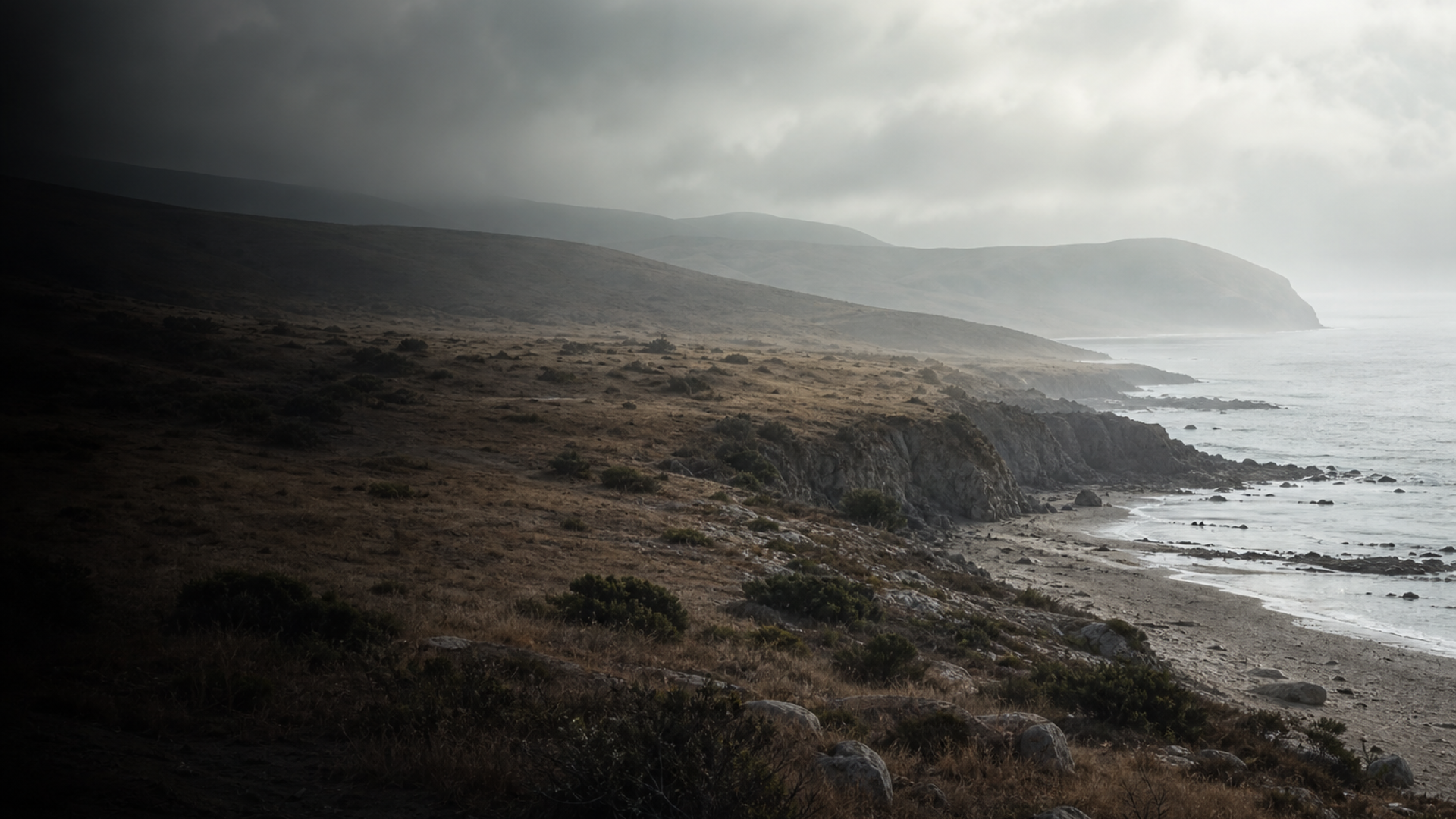
Beneath windswept bluffs and compacted shell deposits at CA-SRI-3 (Tecolote Point) lies a deep-time story of people who lived with the sea. Radiocarbon dates from the sampled context place human activity between 5982 and 5372 BCE — roughly 7,400 years before present — within the broader Santa Rosa Island cultural sequence. Archaeological data indicates repeated coastal occupation: dense shell middens, fragmented fish bone, and stone tools adapted for marine and littoral resources attest to a seafaring, forager lifestyle.

The material culture and site stratigraphy suggest a population well adapted to the Channel Islands' island ecology. Limited evidence suggests seasonal rounds focused on shellfish, fish, seabirds, and terrestrial mammals when available. The small assemblage at CA-SRI-3 fits a pattern seen across the islands and mainland California: sustained maritime subsistence strategies emerging after the initial peopling of the Americas. Genetic data from five individuals offers a tantalizing complement to the archaeological record, pointing to maternal continuity and Y-lineage diversity among these early islanders. Because the genetic sample is small, interpretations about migration routes and population continuity remain preliminary, but the combined archaeological and aDNA perspectives create a vivid portrait of coastal lifeways in the early Holocene.

  • Dates: 5982–5372 BCE (≈7400 BP)
  • Site: CA-SRI-3, Tecolote Point, Santa Rosa Island
  • Evidence: shell middens, marine faunal remains, stone tools
Capítulo IV

Daily Life & Society

Imagine dawn over a rocky inlet: people stepping into small watercraft or wading to collect mussels and abalone, while others set lines or traps for nearshore fish. Archaeological traces at Tecolote Point preserve a landscape of intensive coastal resource use — shell middens that accumulated from repeated meals, concentrated hearth features, and flaked stone likely used for processing marine foods and working organic materials.

Social groups were probably relatively small and mobile, structured around kin networks and seasonal resource zones. The island setting encouraged specialized knowledge: tidal rhythms, seabird colonies, and intertidal foraging patterns would have been central to survival. Artifacts such as bone and shell tools, along with ground stone used for plant processing on nearby islands, point to a flexible toolkit. While preservation varies, human burials and associated grave goods elsewhere on the Channel Islands suggest ritual behaviors and social identities tied to place. At CA-SRI-3, the archaeological record combined with ancient genomes allows researchers to link tangible daily practices to biological lineages — a rare window into individual lives in the deep past.

  • Maritime subsistence: shellfish, fish, seabirds
  • Small, mobile social groups with specialized coastal knowledge
Capítulo V

Genetic Profile

Ancient DNA from five individuals recovered at CA-SRI-3 provides a focused but limited genetic snapshot. All five carry mitochondrial haplogroup A2, a founding maternal lineage widespread among Indigenous peoples of the Americas; this suggests maternal continuity within this small island population. On the paternal side, two individuals carry Y-haplogroup Q, a lineage commonly observed across Native American ancient and modern populations. The contrast — uniform mtDNA A2 versus mixed Y-lineages — can reflect demographic processes such as patrilocality, sex-biased migration, genetic drift on islands, or simply the small sample size.

Because the sample count is five (<10), conclusions must be cautious. Archaeogenetic patterns point toward long-term maternal line continuity on Santa Rosa Island, but broader regional sampling is needed to resolve questions about ties to mainland California groups or deeper coastal migration routes. When combined with archaeological evidence of sustained island occupation and maritime adaptation, the aDNA data supports a scenario in which early Holocene coastal communities maintained genetic and cultural connections locally while participating in wider networks of movement and exchange along the Pacific coast. Future sampling from other Channel Islands and adjacent mainland sites will be essential to test hypotheses generated by these initial results.

  • All 5 samples: mtDNA A2 — suggests maternal continuity
  • Y-DNA Q observed in 2 of 5 — consistent with Native American paternal lineages
Capítulo VI

Legacy & Modern Connections

The people of Tecolote Point are part of a long tapestry that connects early Holocene foragers to later Indigenous communities of California. The persistence of mtDNA A2 in these individuals resonates with broader genetic continuity across the Americas, while archaeological continuities on the Channel Islands link lifeways drawn from the sea across millennia.

However, because the genetic dataset from CA-SRI-3 is small, any direct claims of ancestry to present-day groups must be handled with care and in partnership with descendant communities. Archaeogenetics can illuminate ancient population dynamics, but it does not replace oral histories, cultural continuity, or living relationships to place. When combined responsibly with archaeological context and Indigenous knowledge, these data enrich our understanding of how early coastal people shaped and were shaped by the Pacific coast environment.

  • Genetic continuity suggests long-term maternal lineages on the island
  • Interpretations must involve descendant communities and remain cautious due to small sample size
Com IA

Assistente de IA

Haz preguntas sobre la cultura Tecolote Point: Santa Rosa 7400 BP

Assistente de IA por DNAGENICS

Desbloquear esta função
Pregunta sobre la cultura Tecolote Point: Santa Rosa 7400 BP. El asistente con IA puede explicar hallazgos genéticos, contexto histórico, pruebas arqueológicas y conexiones modernas, con sus límites de interpretación.
Exemplo de análise com IA

La cultura Tecolote Point: Santa Rosa 7400 BP representa un capítulo de la historia humana...

A análise genética permite estudar semelhanças com populações anteriores e possíveis adaptações. As amostras de DNA antigo fornecem informações para investigar padrões migratórios e relações entre populações, com limites que dependem do estudo e do contexto arqueológico.

Esta é uma antevisão da análise com IA. Aceder ao assistente completo para explorar informações sobre:

  • Composição e similaridade genética
  • Padrões migratórios e origens
  • Vida cotidiana e práticas culturais
  • Contexto genético moderno

Explore mais culturas antigas

Descubra a história de civilizações de diferentes partes do mundo antigo