A preparar o relatório

A carregar as informações e as referências disponíveis

Consultando el registro arqueológico...

Recopilando registros antiguos

Saltar para o conteúdo principal
Viking Dublin: Seafaring Lives in Bones
Cultura de destaque

Viking Dublin: Seafaring Lives in Bones

Fragments of Norse-era presence in Dublin told through archaeology and ancient DNA

665 CE - 900 CE
Ireland (Dublin environs)
Desplázate para começar
Capítulo I

A História

Comprender la cultura Viking Dublin: Seafaring Lives in Bones

Archaeological and genetic evidence from four sites in Dublin (665–900 CE) reveals a small, male-biased signal of Y-DNA R and mixed maternal lineages (H, I, HV6), suggesting incoming seafaring individuals integrated with local networks. Conclusions are preliminary due to limited samples.

Time Period

665–900 CE

Region

Ireland (Dublin environs)

Common Y-DNA

R (3 samples)

Common mtDNA

H (2), I (1), HV6 (1)

Capítulo II

Cronologia

Momentos-chave da história desta cultura

795 CE

First Recorded Viking Raids

Historical records note Norse raids on Irish coasts; archaeological evidence shows growing maritime activity.

841 CE

Establishment of Longphort at Dublin

Archaeological and historical evidence point to a fortified seasonal base evolving into permanent settlement.

Capítulo III

Origins & Emergence

The archaeological record in Dublin and its environs transforms in the late 7th through the 9th centuries CE as seafaring networks across the Irish Sea intensify. Excavations at Ship Street Great, Finglas, Islandbridge and the Eyrephort area document a mix of occupation debris, craft-working evidence and burial deposits which archaeological data indicate are associated with early Viking Age activity around the nascent settlement that later became Dublin.

Limited evidence suggests that these individuals were part of maritime groups moving along established trade and raiding routes that connected Scandinavia, the Irish Sea, and the British Isles. The four dated samples (665–900 CE) fall within the formative phase of Viking presence in Ireland—before and during the establishment of the longphort at Dublin traditionally dated to the early 840s CE.

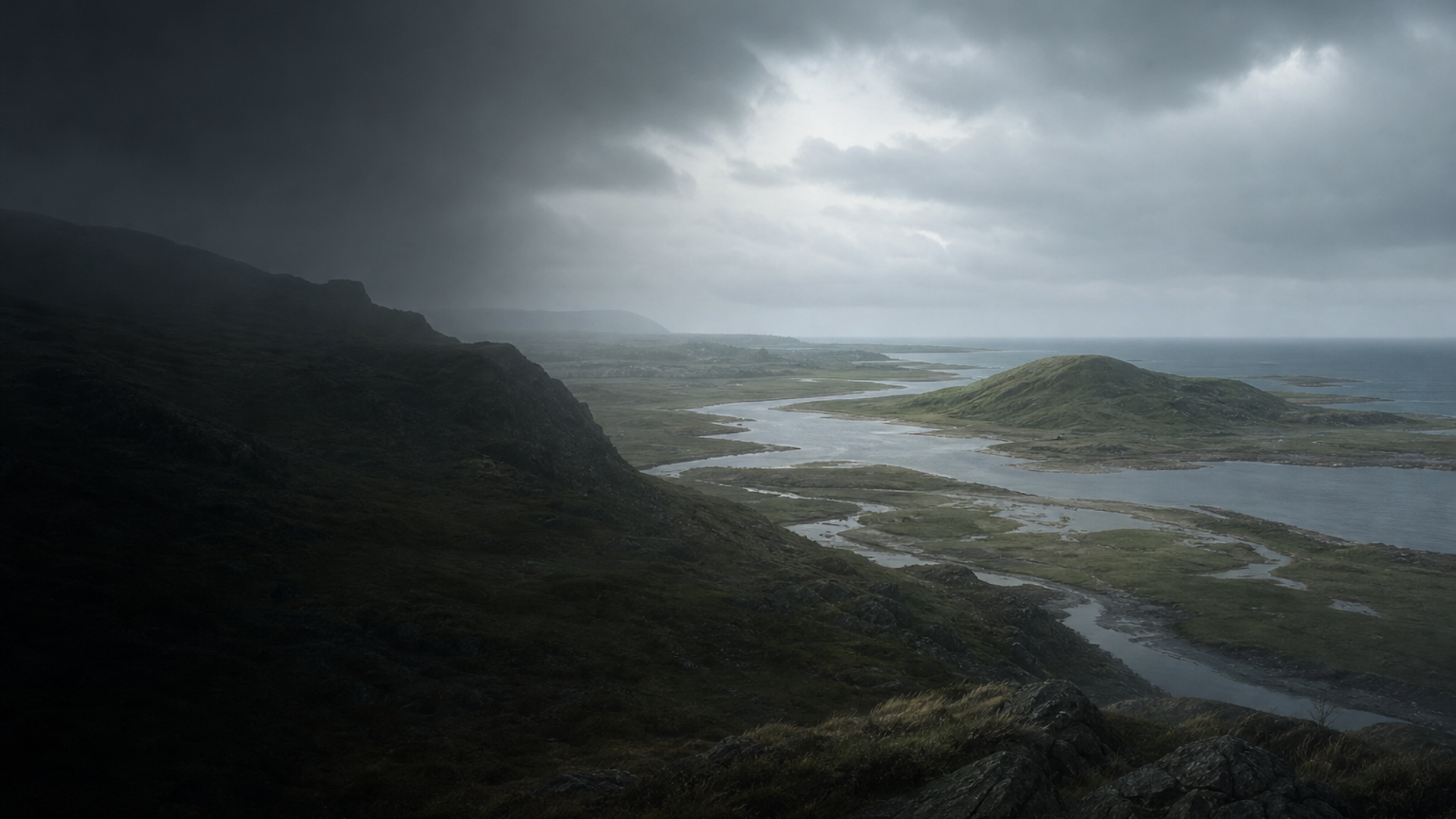
Cinematic in their mobility, these early visitors arrived in a landscape of river channels, tidal creeks and Norse-style ships that made rapid movement possible. Archaeological finds such as imported metalwork, modified local pottery forms and settlement patterns indicate a blending of Norse maritime lifeways with existing Irish economic and social structures. Given the small sample size, interpretations of origin and scale remain preliminary; however, the combined archaeological and genetic picture points to episodic arrival of northern seafaring groups who engaged with local communities in trade, settlement and sometimes conflict.

  • Samples dated between 665–900 CE from Dublin-area sites
  • Archaeological indicators of early Norse maritime activity and craft
  • Preliminary evidence of incoming seafaring groups integrating locally
Capítulo IV

Daily Life & Society

Daily life in the early Viking-associated contexts around Dublin would have been shaped by riverine commerce, wintering ships, and a mix of Norse and Irish material culture. Archaeological contexts at Ship Street Great and Islandbridge reveal midden layers, charred grain remains, metalworking debris and structural postholes that indicate domestic yards and small-scale craft production. These settlements functioned as hubs where sailors, traders and local farmers met.

The material record implies a society organized around seasonal mobility and opportunistic trade. Items such as Norse-style dress accessories and evidence for repaired foreign goods suggest practical exchanges rather than wholesale cultural replacement. Burial evidence from the Eyrephort area and Finglas points to varied mortuary treatments; in some cases graves display northern-style goods, while others follow local traditions—highlighting cultural blending.

Archaeology indicates gendered roles common to maritime societies: seafaring and metalworking dominated public, mobile spheres, while domestic contexts continued to sustain agricultural and household economies. The small sample set limits broad generalizations, but the combined artifacts and environmental data portray a gritty, adaptive life where people navigated tides, trade winds and tangled social ties between newcomers and long-established communities.

  • Evidence of craft production, trade goods and domestic activity in Dublin sites
  • Material culture points to blending of Norse maritime and Irish agricultural lifeways
Capítulo V

Genetic Profile

The genetic signal from four individuals dated 665–900 CE offers a tantalizing—but provisional—window into the people connected to early Viking Age Dublin. Three of the four sampled males carry Y-DNA assigned broadly to haplogroup R. This haplogroup is widespread across western and northern Europe; without finer subclade resolution it is not possible to pinpoint a specific geographic origin, though the prevalence of R in both Scandinavia and Ireland makes it compatible with either incoming Norse men or local male lineages.

Mitochondrial DNA from the same set shows two individuals with haplogroup H, one with I, and one with HV6. Haplogroup H is common across Europe and frequently appears in both local Irish and wider northern contexts. Haplogroups I and HV6 have distributions that include northern and central Europe; their presence here could reflect maternal ancestry from local Irish populations, incoming northern women, or admixture across generations.

Crucially, the small sample count (n=4) requires caution: conclusions about population change, sex-biased migration, or the proportion of Norse ancestry are preliminary. Archaeological contexts combined with these genetic markers suggest episodes of male-mediated mobility into Dublin-area settlements, accompanied by diverse maternal lineages—consistent with scenarios of maritime groups intermarrying or assimilating with local communities. Future sampling with higher subclade resolution and larger sample sizes will be necessary to resolve whether these signatures reflect short-term raiding parties, long-term settlers, or complex multi-generational integration.

  • Y-DNA: R present in 3 of 4 samples, subclade resolution not available
  • mtDNA: H (2), I (1), HV6 (1) — mixed maternal heritage compatible with local and northern links
Capítulo VI

Legacy & Modern Connections

The genetic traces from these early Dublin sites form a subtle thread in Ireland’s long tapestry. Archaeological and genetic data together hint at intermittent influxes of northern seafarers who left biological and cultural imprints without fully replacing existing communities. Over centuries, such interactions contributed to the diverse ancestry of modern Irish populations, particularly in coastal and urban centers like Dublin.

Because the dataset is small, any direct line to modern surnames or specific communities would be speculative. Nevertheless, the combination of Y-DNA R and varied mtDNA types mirrors broader patterns seen in later, larger-scale ancient DNA studies: male-biased mobility associated with maritime expansion and heterogeneous maternal ancestries resulting from integration. These early Norse-era encounters add one more layer to the story of how Ireland’s genetic landscape was shaped by mobility, trade and social exchange across the Irish Sea.

  • Findings suggest episodes of male-mediated mobility with mixed maternal heritage
  • Preliminary signal consistent with long-term contributions to coastal Irish ancestry
Com IA

Assistente de IA

Haz preguntas sobre la cultura Viking Dublin: Seafaring Lives in Bones

Assistente de IA por DNAGENICS

Desbloquear esta função
Pregunta sobre la cultura Viking Dublin: Seafaring Lives in Bones. El asistente con IA puede explicar hallazgos genéticos, contexto histórico, pruebas arqueológicas y conexiones modernas, con sus límites de interpretación.
Exemplo de análise com IA

La cultura Viking Dublin: Seafaring Lives in Bones representa un capítulo de la historia humana...

A análise genética permite estudar semelhanças com populações anteriores e possíveis adaptações. As amostras de DNA antigo fornecem informações para investigar padrões migratórios e relações entre populações, com limites que dependem do estudo e do contexto arqueológico.

Esta é uma antevisão da análise com IA. Aceder ao assistente completo para explorar informações sobre:

  • Composição e similaridade genética
  • Padrões migratórios e origens
  • Vida cotidiana e práticas culturais
  • Contexto genético moderno

Explore mais culturas antigas

Descubra a história de civilizações de diferentes partes do mundo antigo