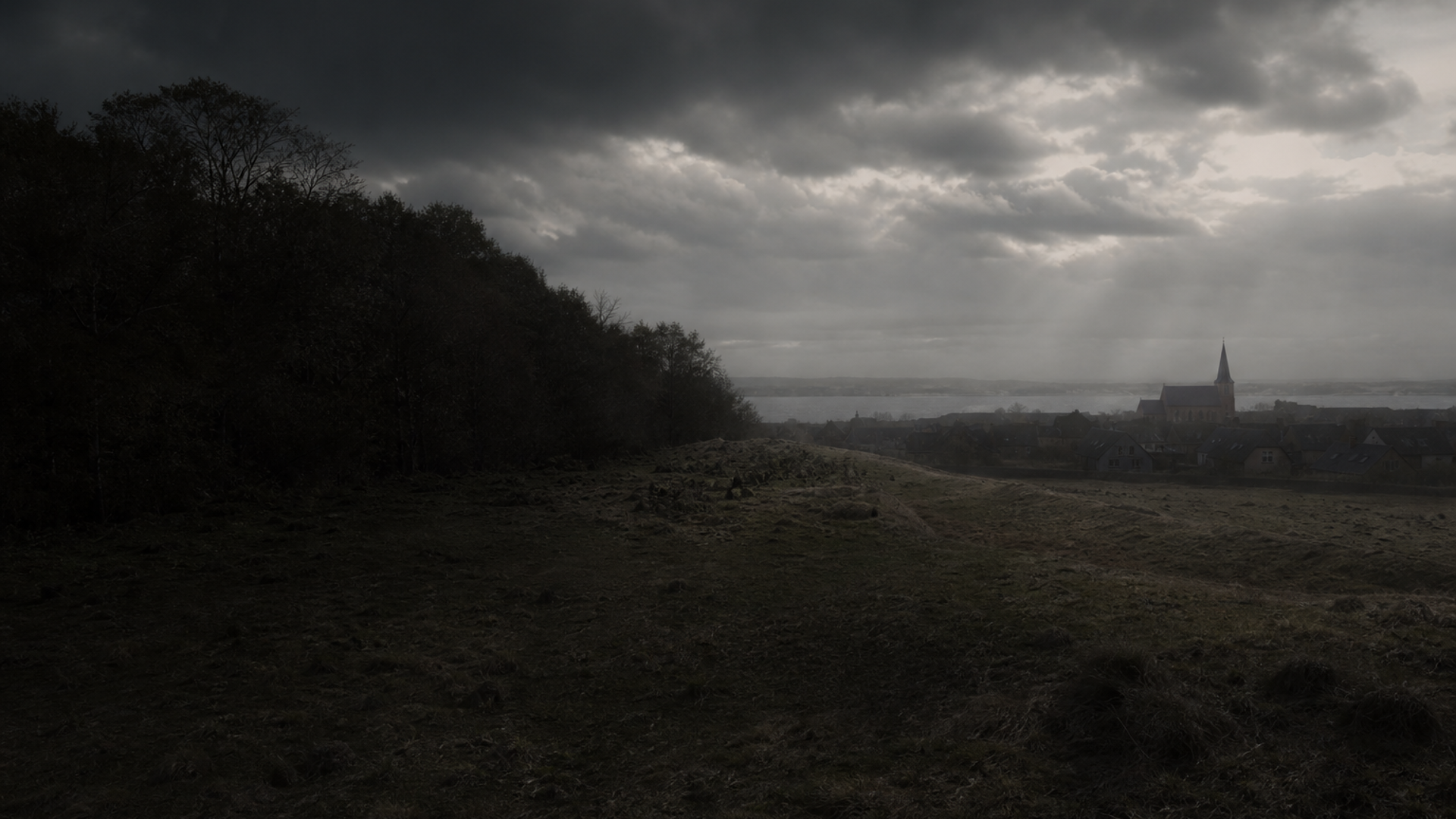
The stones and grave cuts at Vor Frue Kirkegård whisper of quotidian lives shaped by sea, church, and market. Aalborg’s economy in the Post‑Medieval era revolved around shipping, agriculture of surrounding Jutland, and crafts; skeletal markers and burial treatment reflect labor patterns, health burdens, and social roles. Osteological markers can indicate repetitive strain from seafaring or craftwork, dental wear from diet, and healed injuries consistent with urban occupations.
Contemporary records from Danish towns describe dense neighborhoods, guild structures, and parish oversight—contexts that likely shaped who was buried at the churchyard and how. Archaeological finds from Aalborg include imported ceramics and metalwork, demonstrating material links to the wider Baltic and North Sea world. Such exchange networks increased potential for human mobility: sailors, traders, and migrants could become part of the local community and its cemetery. The cemetery thus preserves a mix of local-born residents and newcomers whose lives intersected in trade, worship, and daily labor.
Skeletal remains also testify to common health challenges of the period: infectious disease outbreaks, nutritional stress at times, and trauma. While graves reflect Christian norms, variation in burial goods and grave placement may signal subtle social differences within the parish.