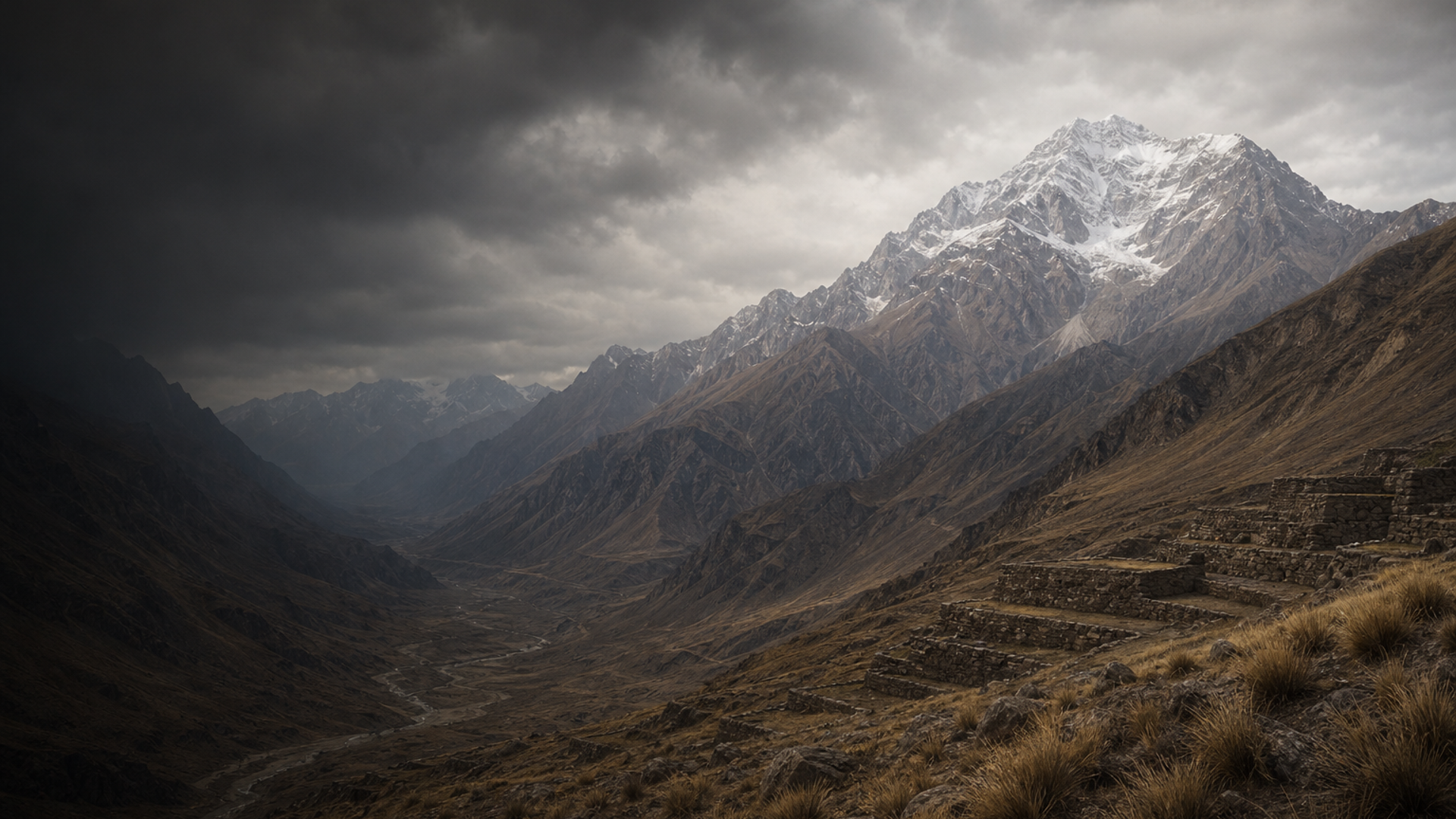
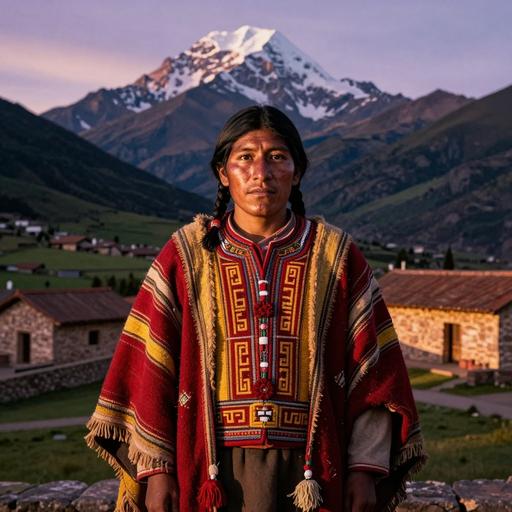
Between glaciers and dry mountain valleys, everyday life at high altitude balanced mobility and resource control. Archaeological remains from the Mendoza highlands show pastoral strategies (herding of camelids such as llamas and alpacas), storage architecture for redistributed goods, and distinctive ceramic and textile forms that reflect both local craft traditions and broader Andean exchange networks. Textiles and small portable objects, when recovered, often survive as the most direct testimony of material life in these settings.
If Cerro Aconcagua functioned as a tambo or staging point, daily activities would have centered on provisioning travelers, exchanging goods, and maintaining lines of communication. Stone markers and short sections of path documented regionally fit a landscape designed for movement along altitudinal routes. Yet much of this picture rests on regional analogies: specific domestic structures and household assemblages at Cerro Aconcagua remain limited in the published record.
Human lives here were shaped by altitude, seasonal weather and imperial demands. The silhouette of a pastoralist tending llamas or the careful repair of a woven bag speaks to the practical intimacy of mountain existence—an intimacy that archaeology can glimpse but rarely fully reconstruct without broader, denser datasets.