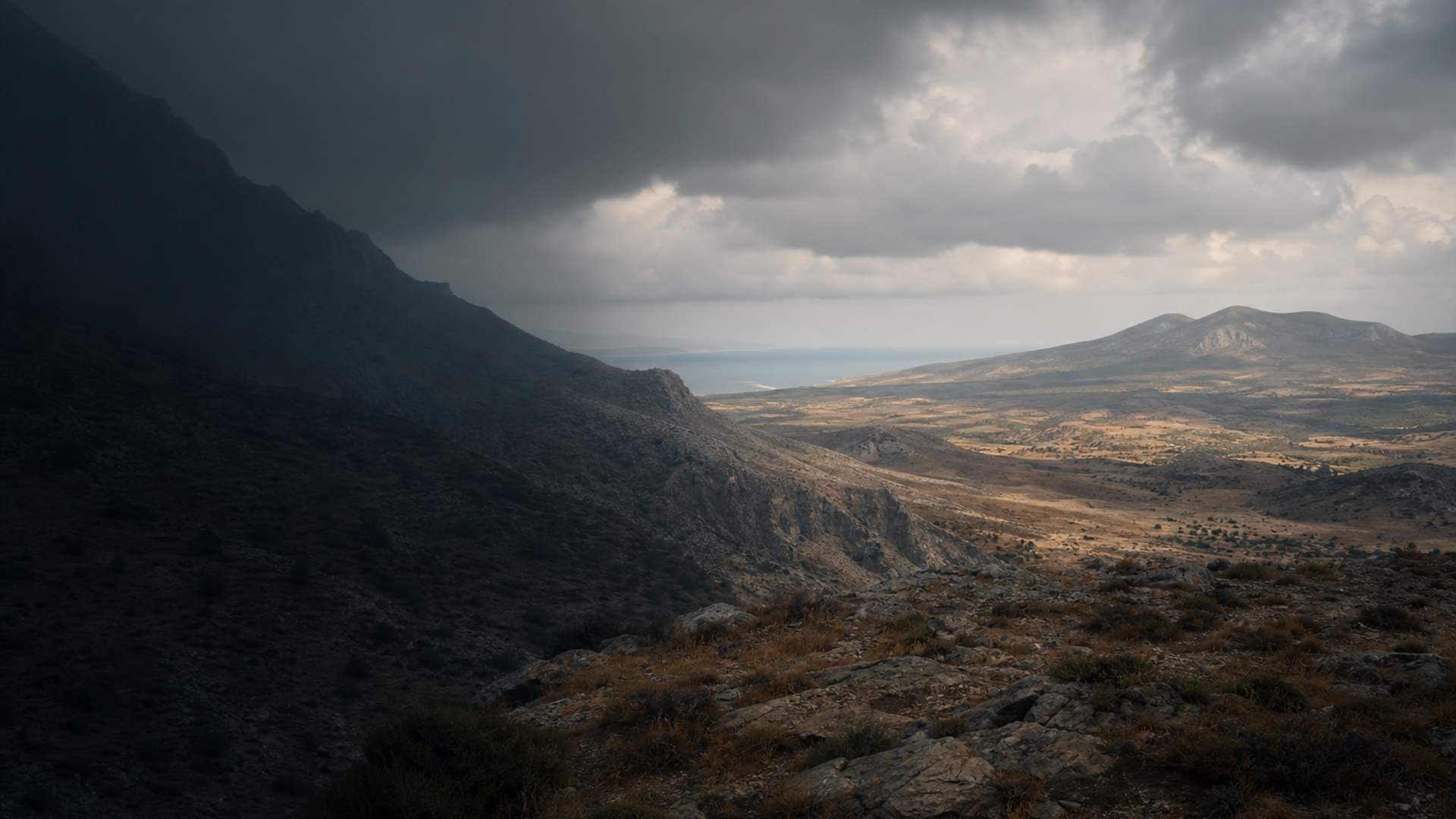
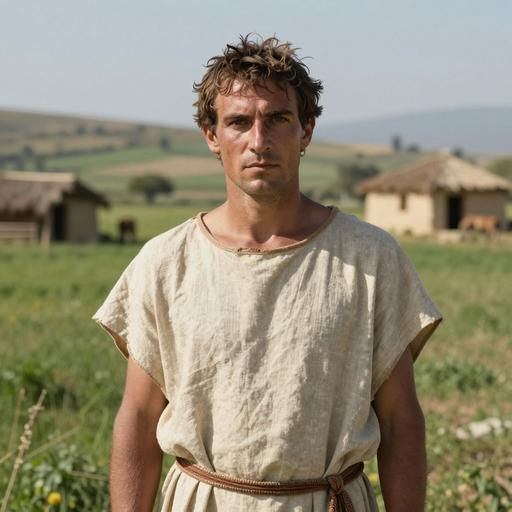
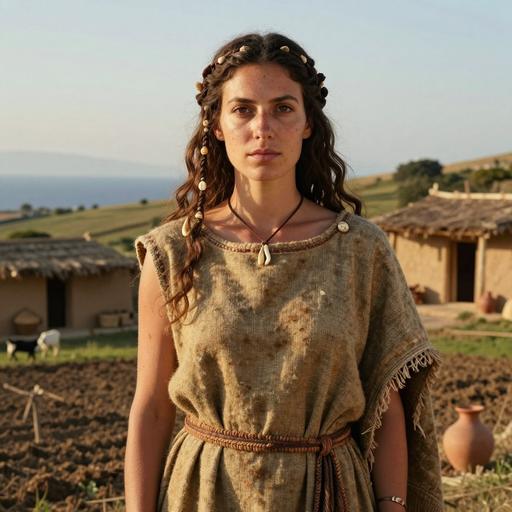
Life in the Aegean unfolded between sea and stone. Fishermen, sailors, potters and palace scribes inhabited a landscape of terraced hills, sheltered bays and cave shrines. At Pylos and other palatial centers, administrative records (clay tablets) and storerooms show organized redistribution of goods, agricultural taxation, and specialized workshops. In caves such as Alepotrypa, funerary deposits and ritual assemblages reveal ancestor veneration and complex mortuary practices.
Material culture conveys texture: painted pottery, bronze tools, imported tin and copper, and carved ivory. Minoan Crete is notable for open palace courts, vibrant wall paintings, and coastal trade networks; Mycenaean mainland sites emphasize fortified citadels, shaft graves and warrior iconography. Settlement patterns indicate both permanent villages and seasonal exploitation of uplands and islands, while isotopic studies (when available) hint at diverse diets and mobility patterns.
Social life was organized around households, palace economies, and elite patronage. Craft specialization (metalsmithing, textile production) and maritime exchange linked distant communities. Archaeological data indicates regional variation in burial practice and social complexity; caution is necessary as many localized behaviors are inferred from limited excavated assemblages and sporadic preservation.