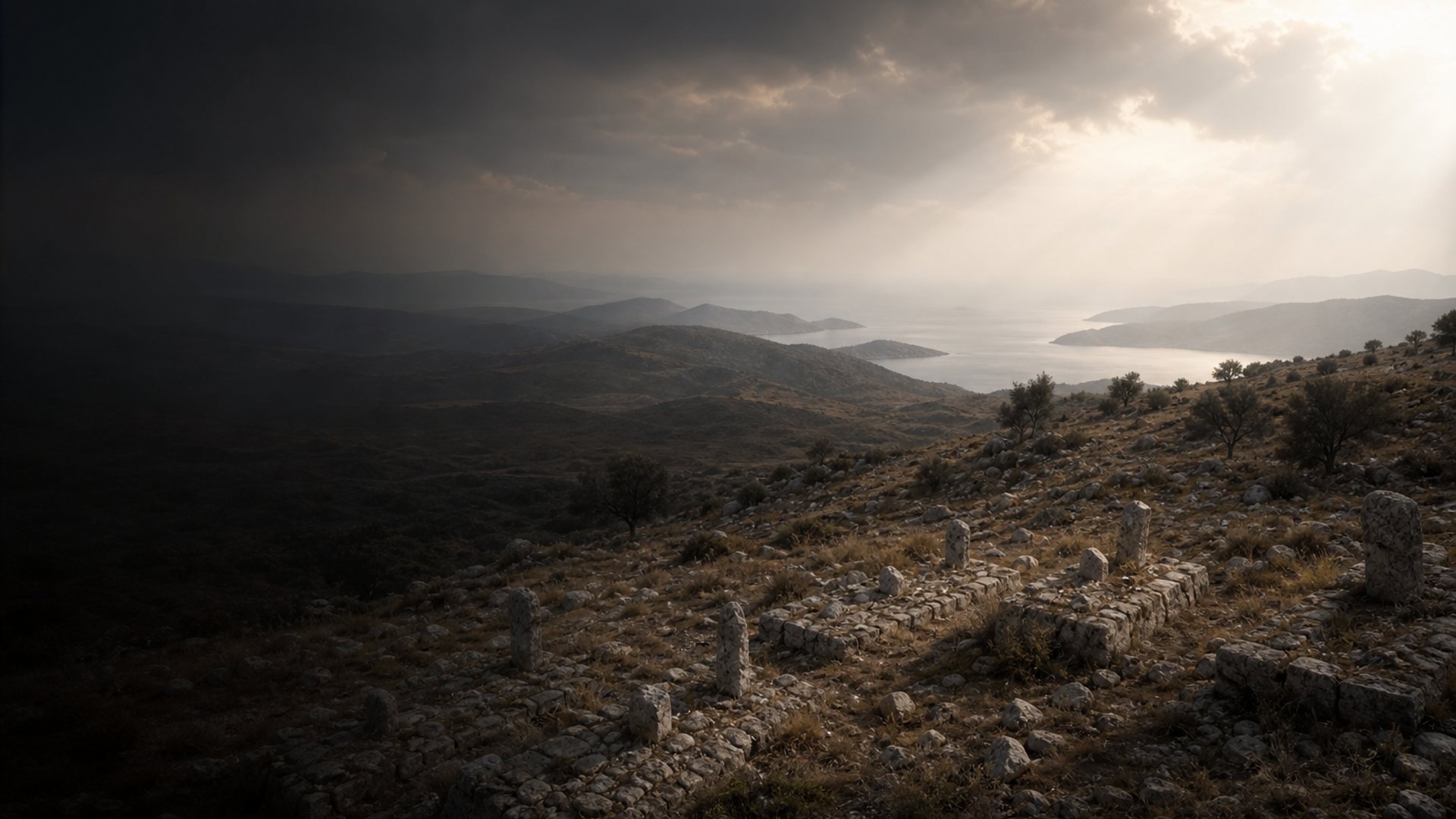
The archaeological silhouette of life in the Ottoman Aegean is one of mobility: markets, coastal trade, and seasonal labor knit together people from Anatolia, the Balkans, the Levant and beyond. At Çapalıbağ, funerary evidence—simple shroud burials, occasional personal items, and cemetery layout—points to modest, possibly maritime‑connected households. Archaeological data indicates proximity to agricultural terraces and coastal routes, implying livelihoods that combined farming, local craft, and service to passing fleets.
Social life under Ottoman rule in this region layered imperial institutions over longstanding local networks. Linguistic pluralism and religious plurality were common; Arabic speakers could be traders, clerics, soldiers, or families long settled in Anatolia. The cemeteries reflect social memory as much as biology: who was counted as "Arab" in registers or remembered as such by neighbors. Material culture in these graves is not lavish, which aligns with documentary patterns of small coastal settlements where identity was negotiated through mobility, marriage, and economic ties rather than monumental display.
Archaeological preservation is variable. Soil acidity, later agricultural disturbance, and selective excavation mean that everyday objects that would illuminate diet, craft, and domestic layout are underrepresented. Therefore, conclusions about daily life draw on regional comparisons as much as on the Çapalıbağ assemblage itself.