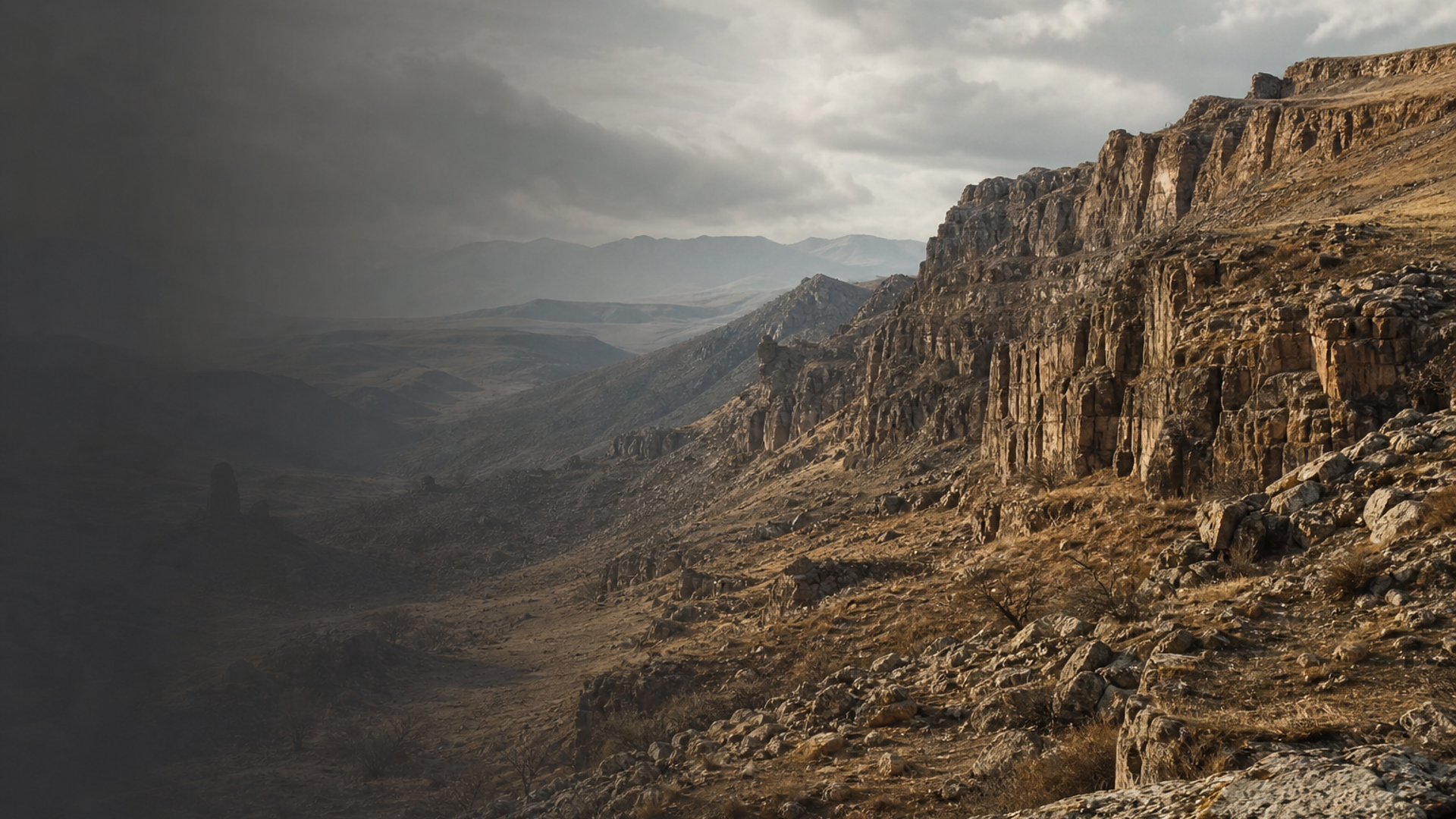
Archaeological indications of daily life in Early Medieval Armenia conjure scenes of stone houses, terraced fields, and liturgical centers where village rhythms were shaped by seasonal cycles and ecclesiastical calendars. At sites near Agarak, ceramic sherds, agricultural terraces, and field systems point to mixed farming economies—wheat, barley, vines, and pastoralism—sustaining small, kin-based communities. Churches and chapels served as focal points for identity and record-keeping, and inscriptions from the broader region document language, law, and lineage.
Material culture attests to both continuity with Late Antiquity and adaptations driven by commerce and conflict. Silk Road arteries and overland trade routes funneled goods and ideas; travelers, merchants, and occasional military expeditions would have increased opportunities for genetic and cultural exchange. Burial practices—when preserved—offer clues to social structure, age profiles, and health: dental wear, healed fractures, and isotopic signals (from adjacent studies in the region) reveal diets heavy in cereals and seasonal mobility.
Archaeological interpretations must remain modest here: the Agarak genetic samples are integrated with regional typologies to suggest a community neither isolated nor uniformly cosmopolitan, but embedded in a tapestry of local traditions and long-distance connections.