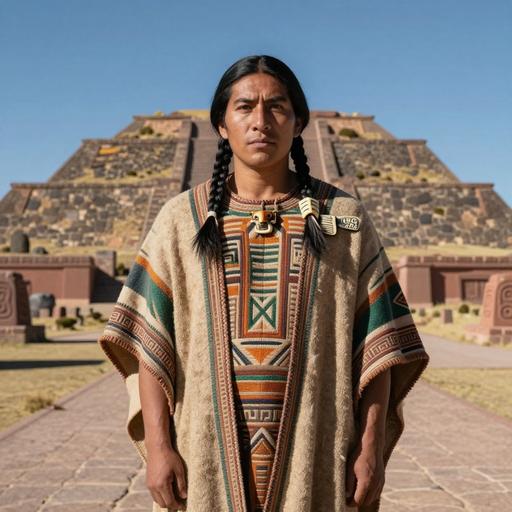
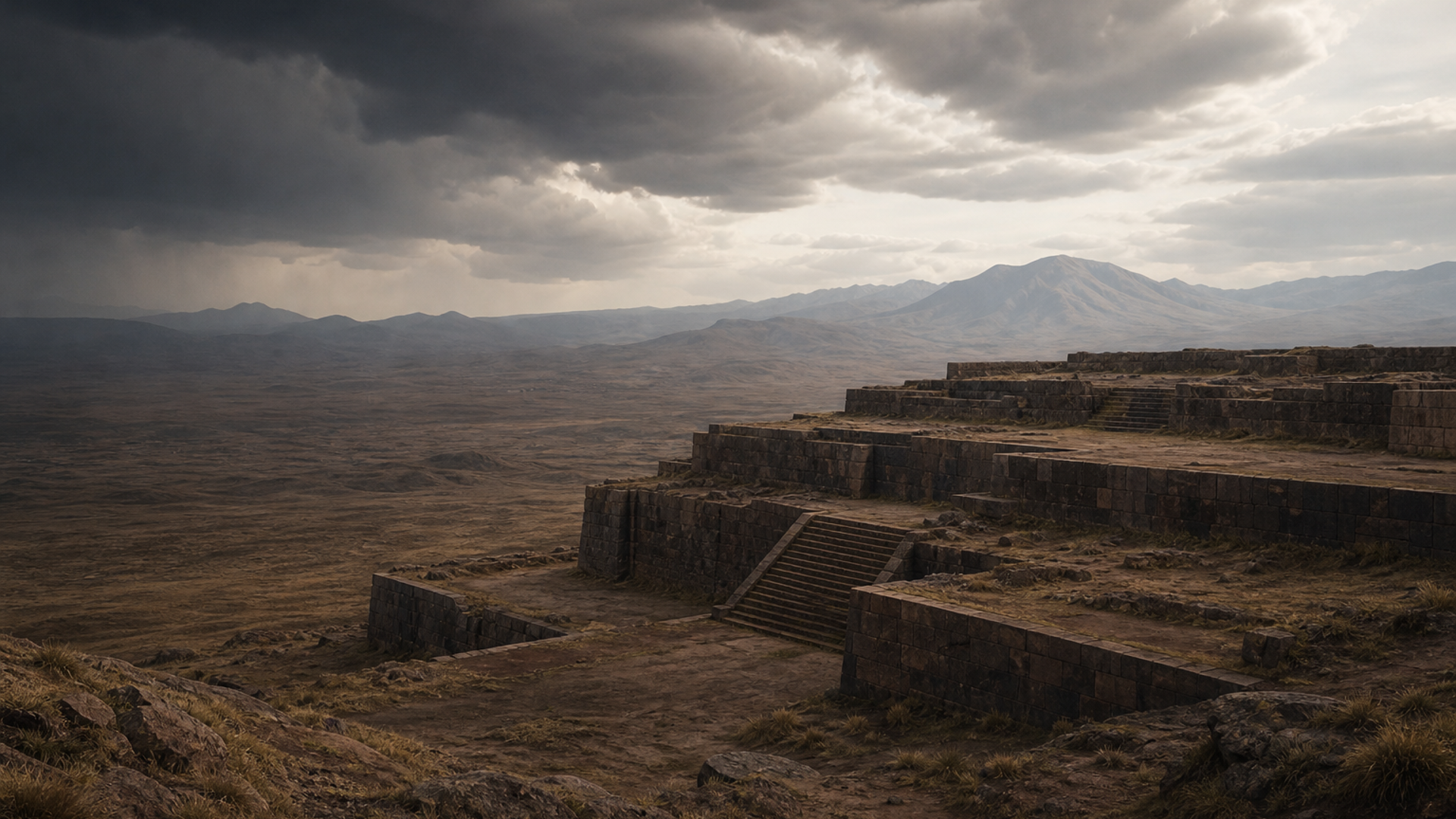
Against a cinematic backdrop of high-altitude plains and shifting weather, everyday life in the Tiwanaku world combined intensive agriculture with long-distance exchange. Archaeobotanical and geoarchaeological studies across the altiplano document raised-field agriculture (suka kollus), tuber cultivation (notably potatoes and oca), quinoa, and careful water management—technologies that supported dense populations on the puna. Camelids (llama and alpaca) appear frequently in faunal assemblages and iconography, supplying transport, fiber, and meat.
Archaeological contexts at Akapana reveal ritual deposits, specialized craft production areas, and funerary evidence suggesting social differentiation. Offerings and human interments associated with the mound imply both elite ceremonies and broader community participation in ritual cycles. Pottery styles and exotic materials—obsidian, seashells—document exchange networks reaching from the highlands to lower valleys and possibly the Pacific coast or Amazonian edges.
Yet, caution is essential: the five genetic samples in this dataset represent a tiny slice of a complex society. Archaeological indicators point to hierarchical ritual centers and a mixed economy, but they cannot alone reconstruct household composition, social mobility, or the full diversity of lived experience at Akapana.



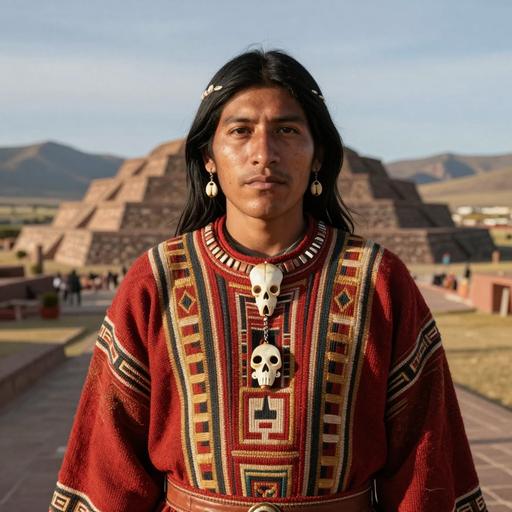
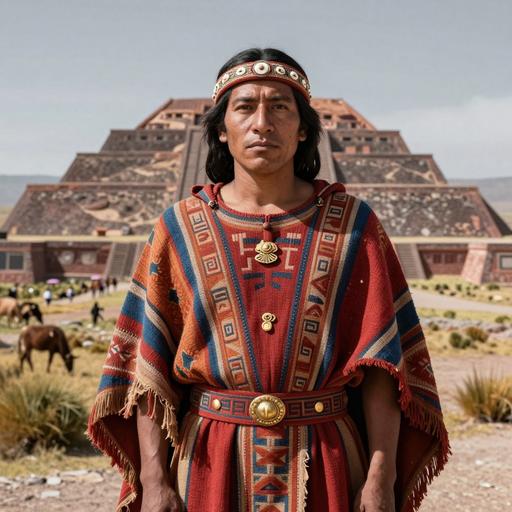
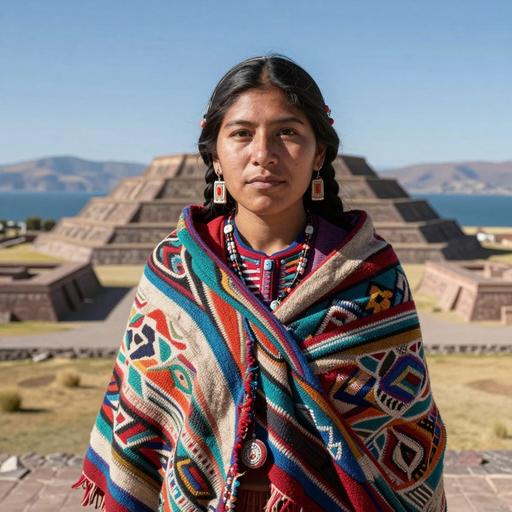
![Portrait of ancient individual TW061 from Bolivia, dated 991-1047 calCE (1003±19 BP) [R_Combine: (993±27 BP, Poz-123576), (1012±26 BP, Poz-123631)]](https://dgwebcontent.blob.core.windows.net/content/ancestry/ancient/img/individuals/v1_pzrRZuqxt9v_-TW061.jpg)