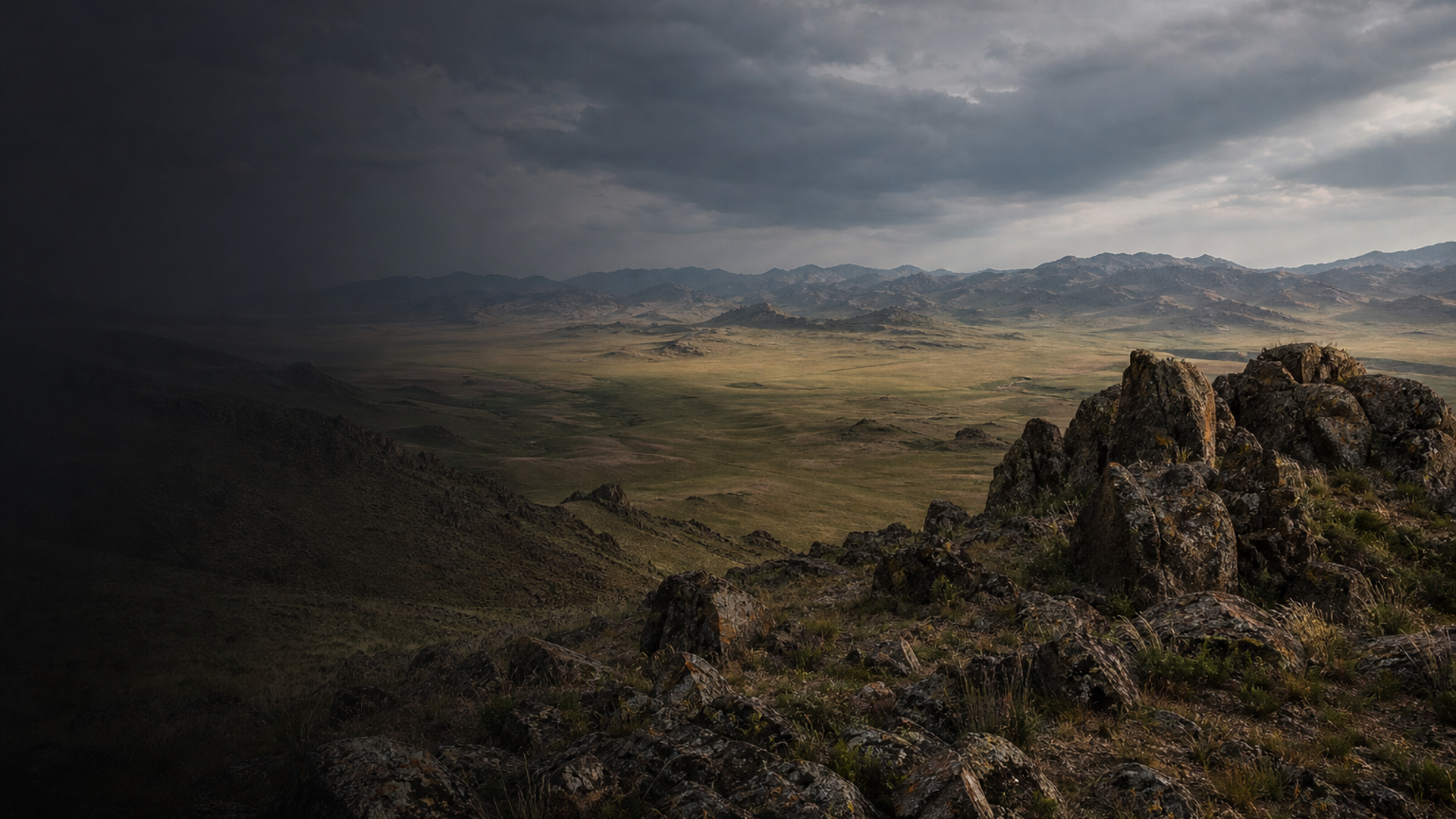
Daily life at Aktogai can be imagined as a rhythm of herding, seasonal movement, and metallurgy. Archaeological indicators across the region suggest households organized around livestock—sheep, goats, cattle and increasingly horses—whose mobility shaped settlement patterns. Pastoral camps seasonally concentrated near watercourses and pastures, becoming nodes for exchange in times of aggregation.
Burial practices in the Mid–Late Bronze steppe often featured kurgan or flat grave contexts; at Aktogai the funerary record is limited but consistent with regional forms emphasizing individual interment with personal ornaments and occasional metal tools. Such objects speak to social identities linked to craft, mobility, and status. Craft specialists—metalworkers and possibly horse handlers—would have held important roles in a community where bronze objects and horse harness technology mattered far beyond simple utility.
Archaeological evidence indicates a world of long-distance connections: raw materials, finished bronze, and stylistic motifs moved across the steppe. This material mobility would have accompanied gene flow, marriage alliances, and cultural exchange, forming the lived backdrop to the genomes sampled at Aktogai.