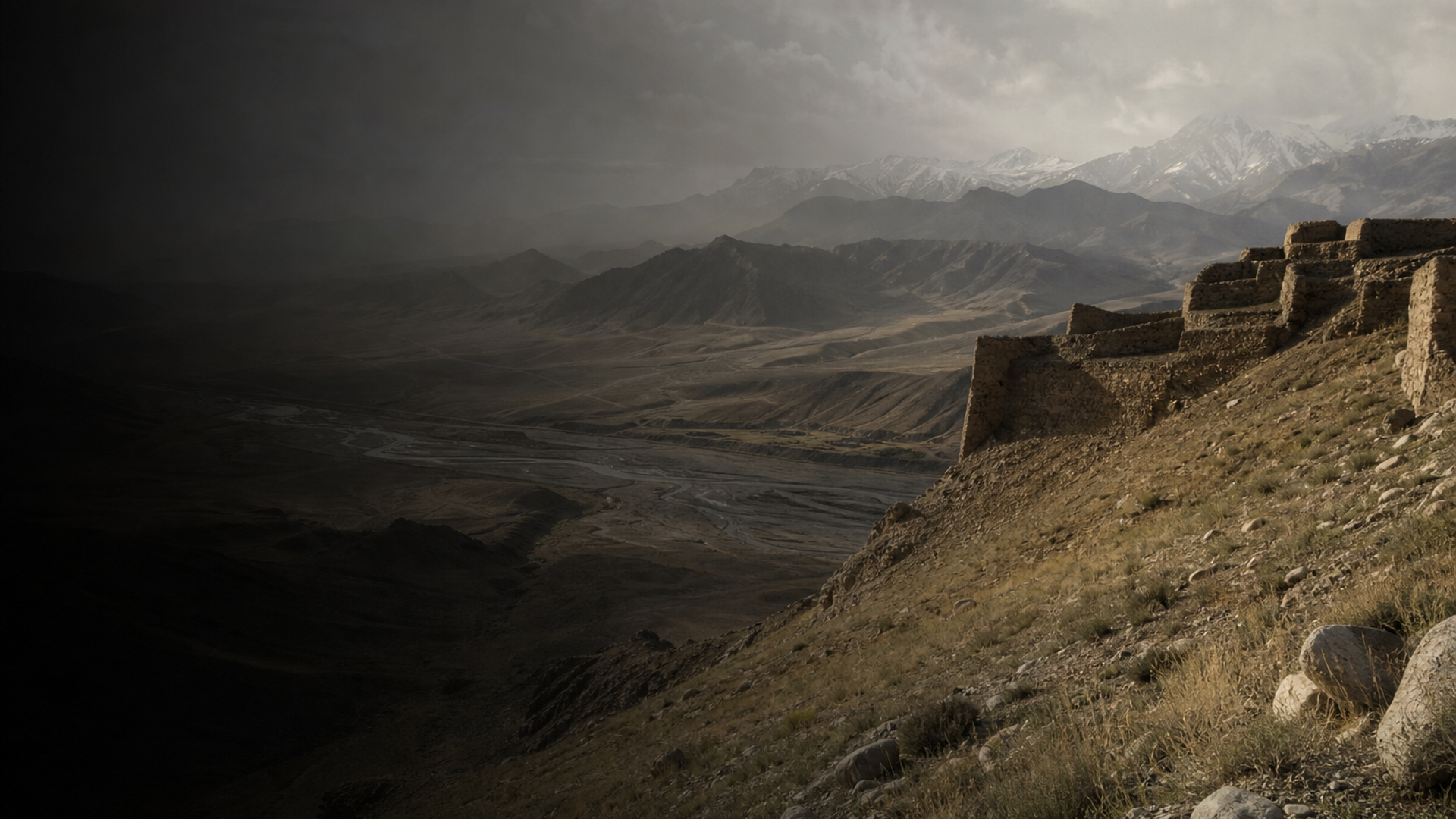
Archaeological evidence from the Alai Valley paints a portrait of resilient mountain lifeways: seasonal transhumance between valley pastures and higher alpine summer grazing, with mound burials marking ancestral ties on the landscape. Excavations at Tuyuk II and Alai/Nura mounds reveal funerary architecture consistent with mobile pastoral communities who nonetheless invested labor to build enduring memorials.
Grave goods are often modest where present, suggesting societies organized around household herds rather than urban craft specialization. The Alai corridor sits on a climatic and cultural threshold; artisanship, metal fragments, and exchanged goods recorded in similar regional contexts imply participation in wider Iron Age networks rather than isolation. Ceramic styles and portable artifacts (where recovered) reflect both local traditions and influences carried along mountain routes.
Osteological assessments, when available, can show wear patterns consistent with riding and heavy physical labor, while isotopic studies — not yet extensive for these specific mounds — could clarify mobility and diet. Archaeological data indicates a living world of high passes, echoing horses, and long-distance ties rather than densely settled polities.
Given the limited genomic sample (n=9) and sparse material cultural detail for some graves, reconstructions of daily life should remain cautious and open to revision as new fieldwork and analyses arrive.