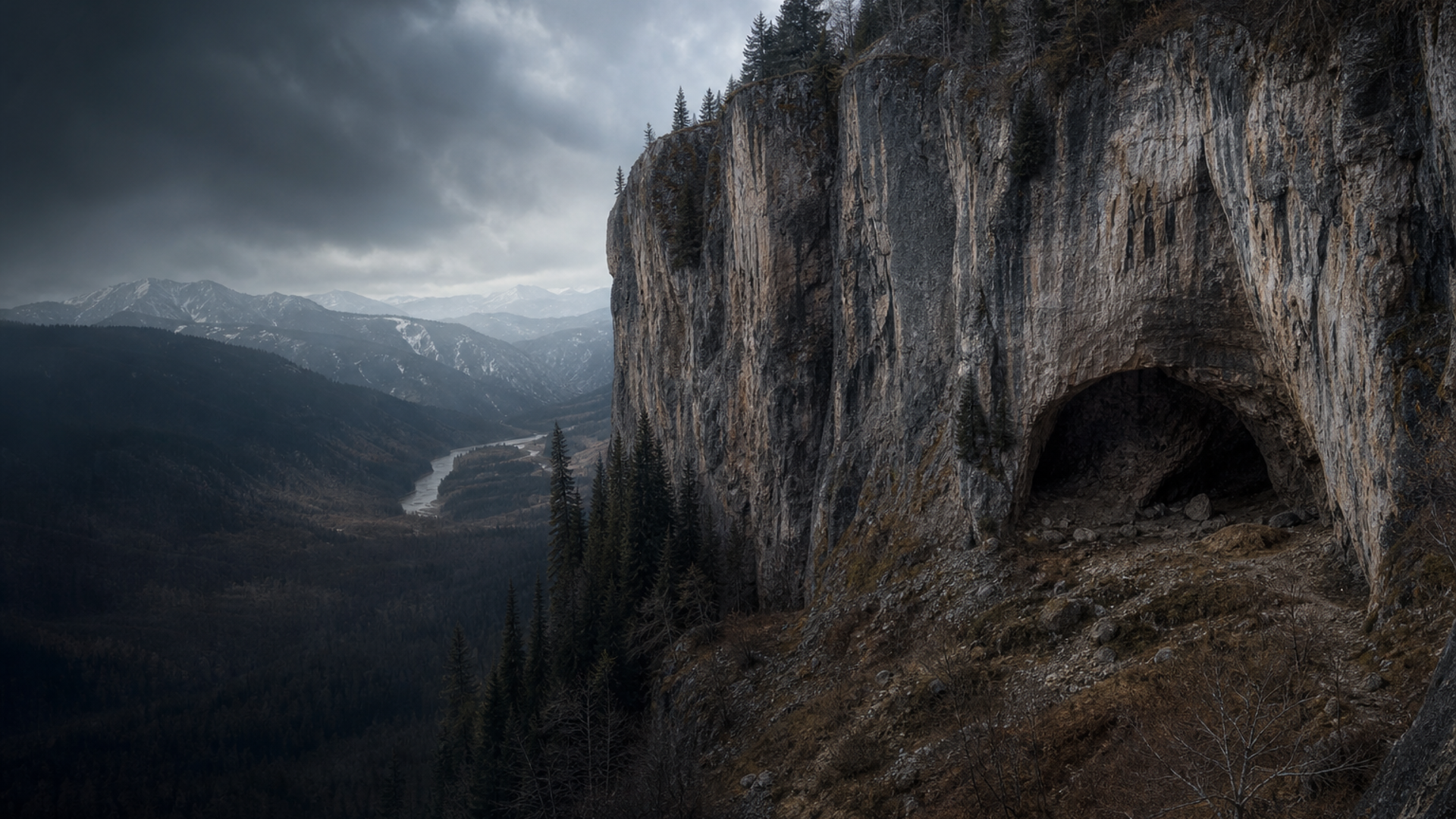
The Altai_Neanderthal entry in this dataset is founded on a single DNA-bearing specimen recovered from Denisova Cave. The dataset records mtDNA as ND (1), indicating a mitochondrial designation not assigned in the provided metadata. No Y‑DNA haplogroup data are available for this sample. Because only one individual is represented, any genetic inference must be presented as provisional.
Despite the limited sample count, even one well-preserved genome can illuminate population relationships: it can reveal levels of genetic diversity, signs of inbreeding, and relative divergence times compared with other Neanderthals and hominin groups. Archaeogenetic comparisons typically explore how regional Neanderthal genomes relate to European Neanderthals and to neighboring Denisovans and modern humans—patterns that inform models of migration, isolation, and admixture. However, with fewer than ten samples (in this case, one), statements about population-wide traits—such as typical mtDNA lineages, demographic size, or the prevalence of gene flow events—remain tentative. Future sampling from the Altai and adjacent regions will be essential to test hypotheses suggested by this solitary genetic voice.