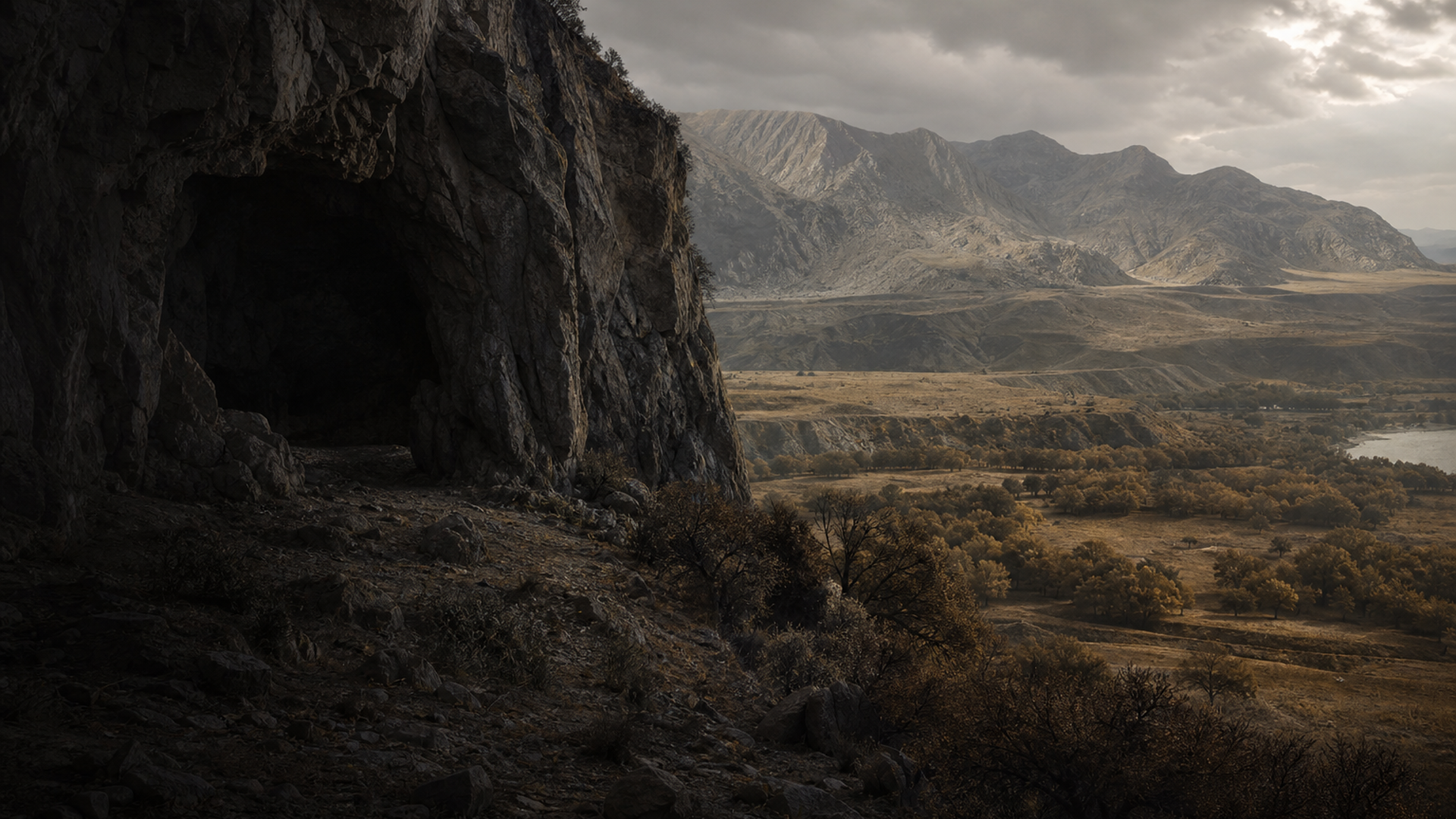
The daily existence of the Altai Neanderthal can only be sketched from a blend of cave sediments, stone tools, faunal remains, and analogies with other Neanderthal sites. Archaeological deposits at Denisova include hearth features, butchered bones, and varied lithics, implying episodic cave habitation oriented around hunting, processing animal resources, and shelter from harsh seasons. Faunal assemblages in nearby layers show large mammals—horses, bison, deer, and possibly woolly rhinoceros—forming a backbone of the Pleistocene diet.
Cinematic reconstructions imagine small, mobile groups moving across valleys and ridgelines, using prepared-core and flake technologies to fashion points and scrapers. Yet archaeological data indicates caution: only indirect evidence links particular tool types to the single Altai Neanderthal individual. Social structures—kinship, care for elders, ritual behavior—can be suggested by the broader Neanderthal record (e.g., healed injuries and apparent burials elsewhere), but such inferences are speculative for this locality.
Environmental stresses at high latitudes likely shaped seasonal mobility, clothing, and fire use. Material culture at Denisova also shows moments of innovation, but the extent to which the Altai Neanderthal participated in regional exchanges or shared technologies with Denisovans and early modern humans remains an open question.