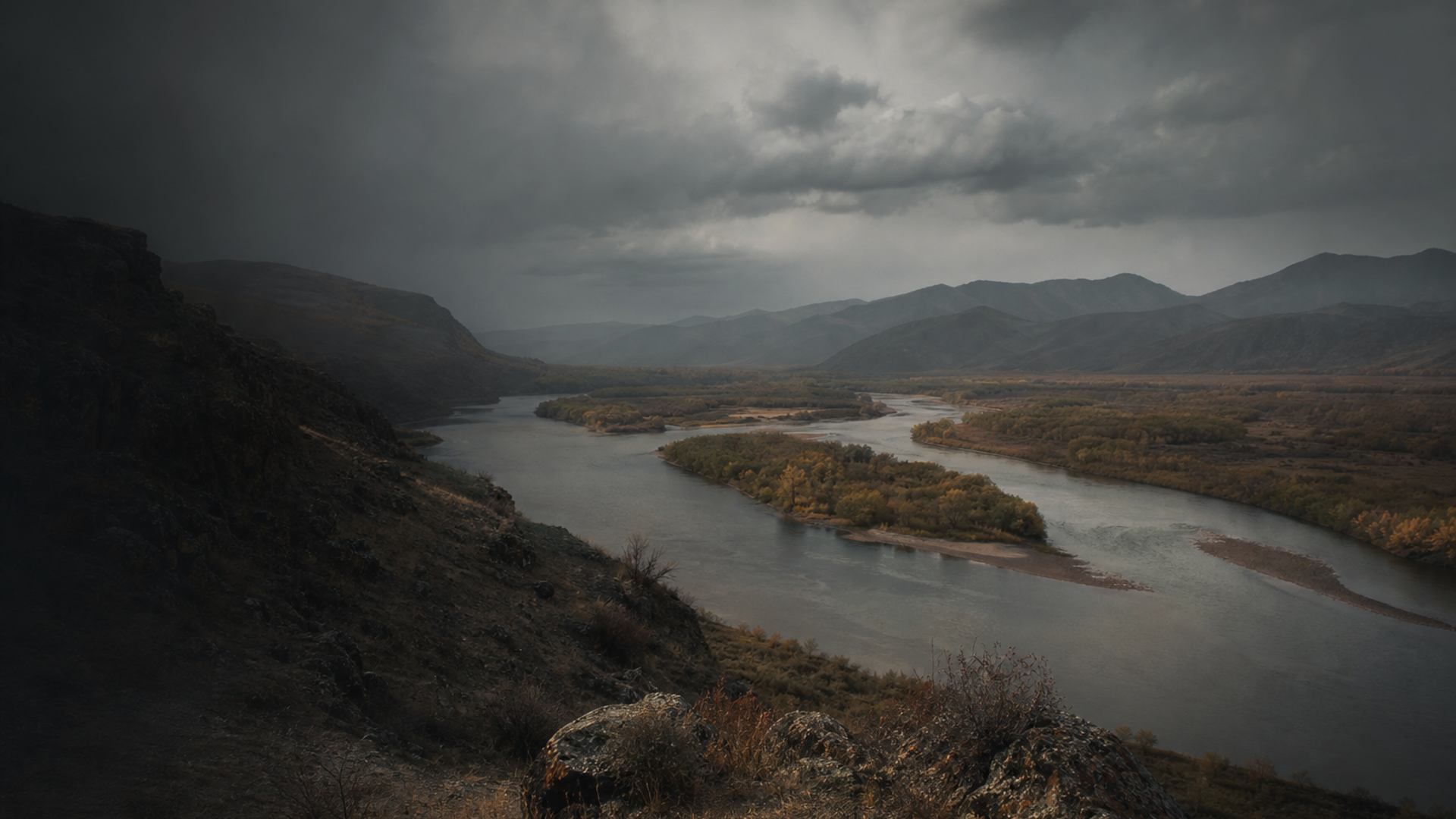
Imagine a shoreline at dawn: smoke rising from simple hearths, nets hauled ashore, flakes of stone glinting as tools are resharpened. Archaeological contexts in the Amur Basin reveal a subsistence world organized around the river. Fishing—targeting salmon, sturgeon, and other migratory fish—likely dominated protein intake, supplemented by foraged plants, birds, and terrestrial mammals. Botanical remains preserved in nearby wetland deposits indicate the availability of wild grains, tubers, and edible roots that would have buffered seasonal shortages.
Technologies were elegantly pragmatic. Flint and quartz tools include blades and microblades for cutting and fish processing; organic tools, now rarely preserved, would have included woven nets, wooden spears, and storage baskets. Low-fired pottery appears across the broader region in the Early Neolithic and may have served for boiling, storage, and fermenting aquatic foods—though direct association with these four individuals is tentative. Socially, small bands tied by kin and marriage likely coordinated fishing and seasonal rounds, meeting at key river confluences and sheltered beaches.
Mortuary evidence in the Amur region is patchy. Few burials contemporaneous with the genetic samples have been reported, so interpretations of social stratification or ritual behavior are limited. Where skeletons exist, they can offer intimate snapshots of diet, mobility, and health, but current sample sizes remain too small to generalize about community structure. The archaeological portrait that emerges is one of adaptable people deeply attuned to the river’s seasonal rhythms and the resources it concentrated.