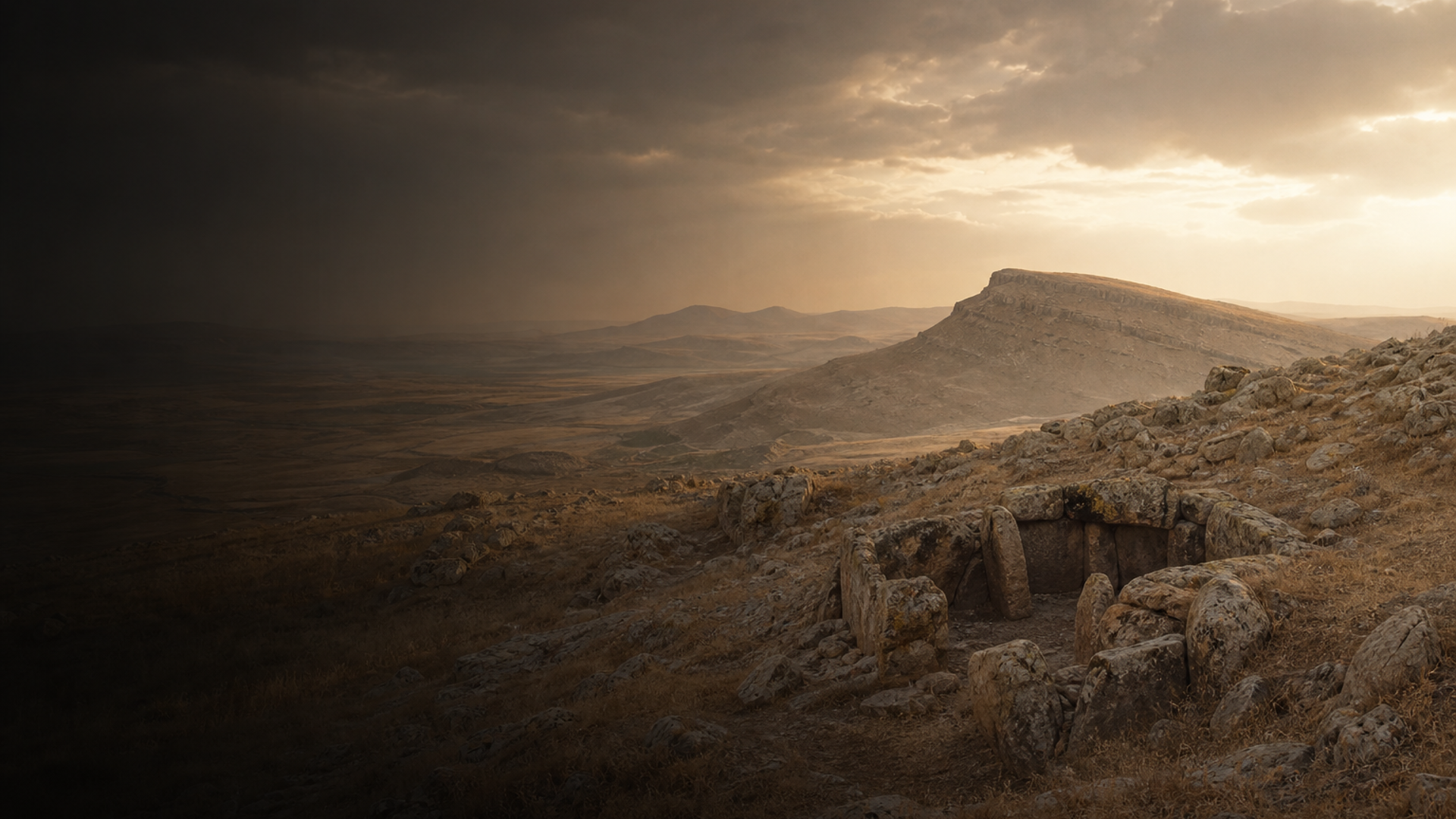
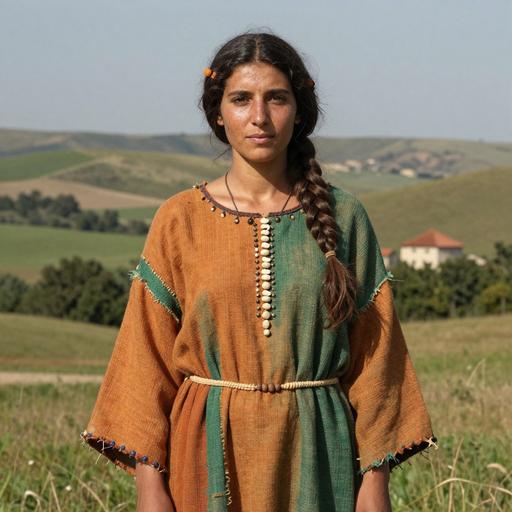
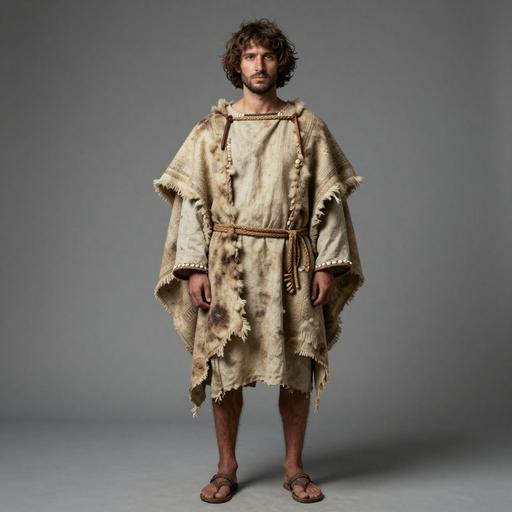
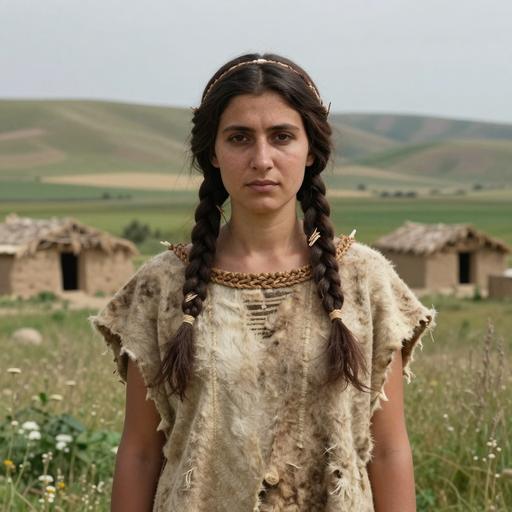
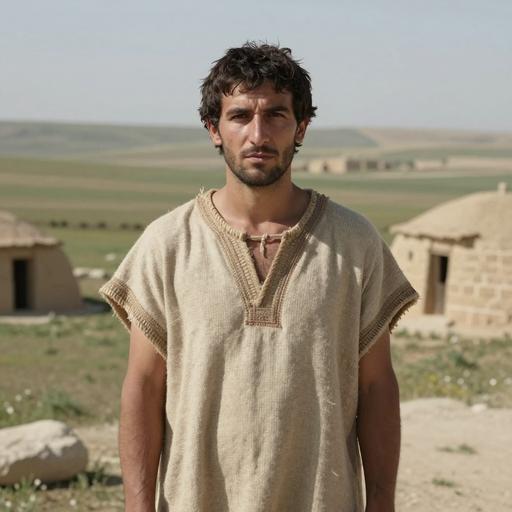
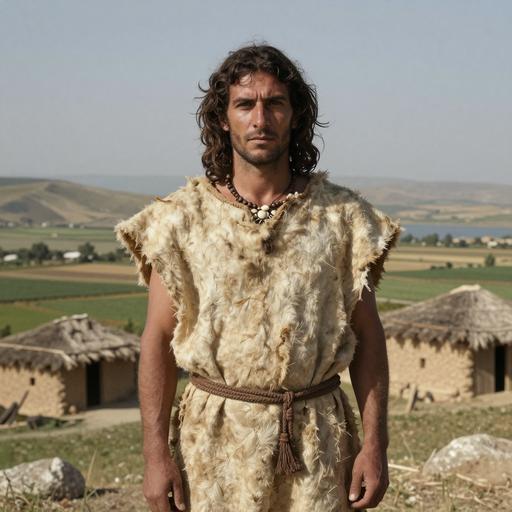
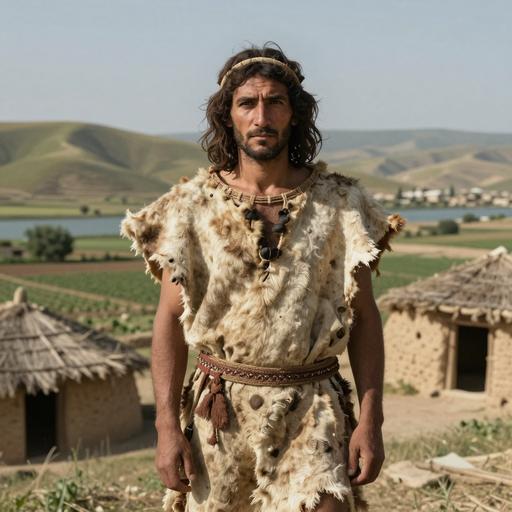
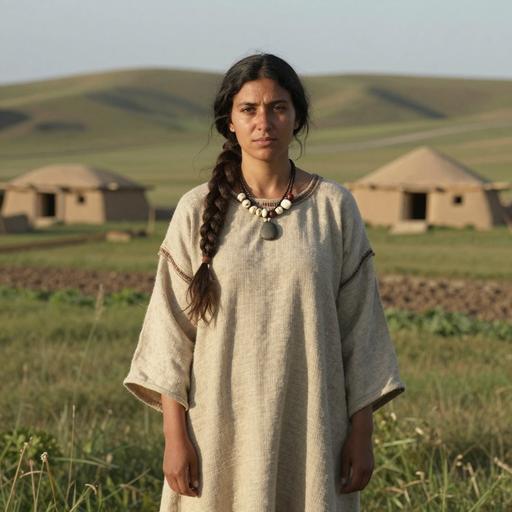
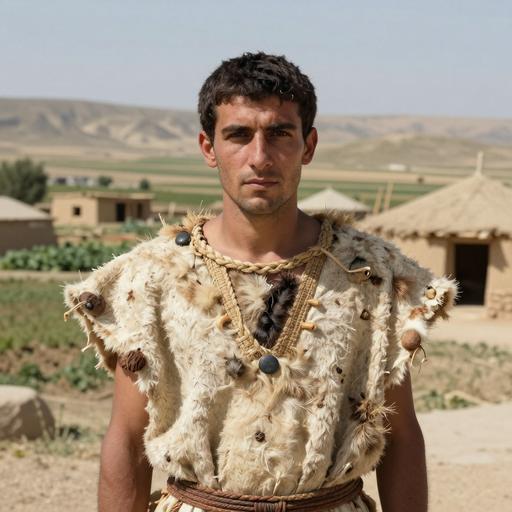
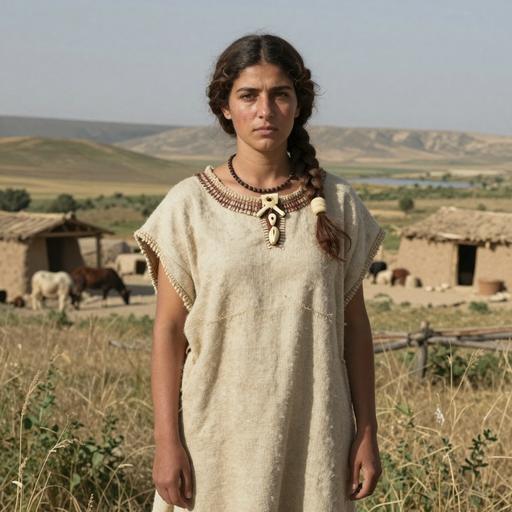
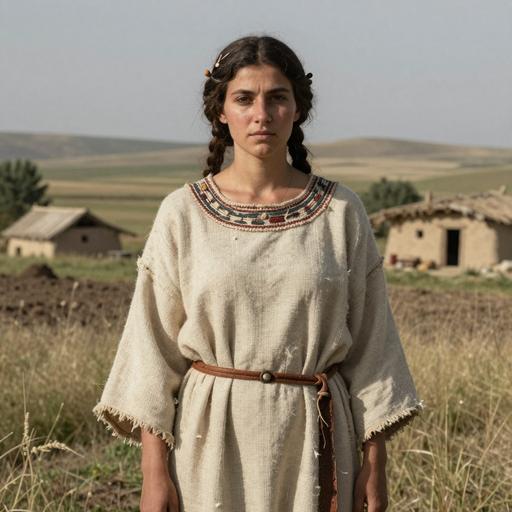
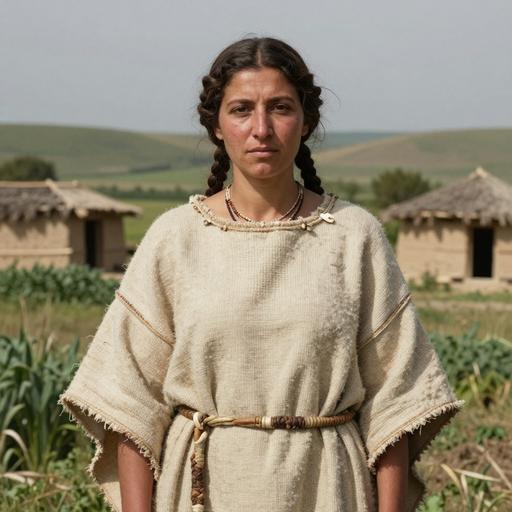
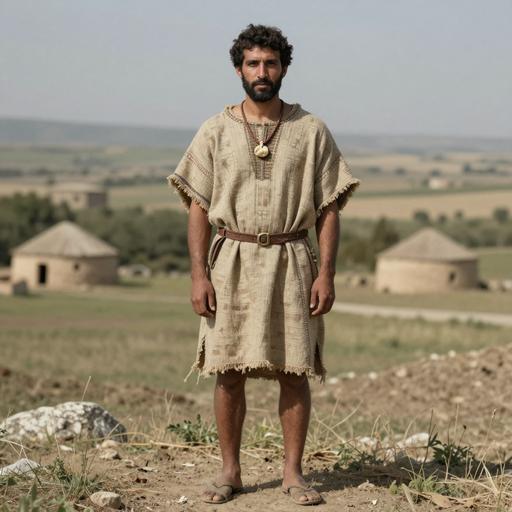
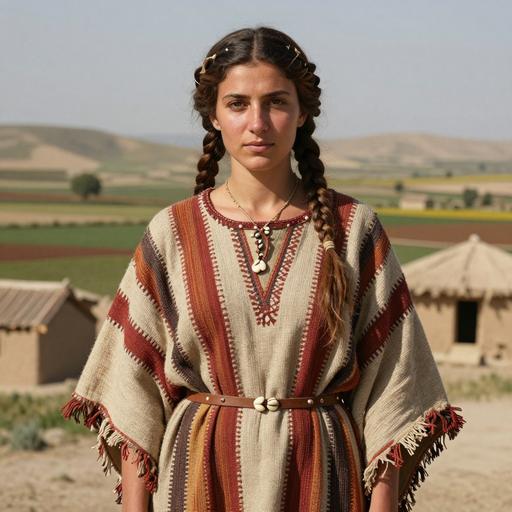
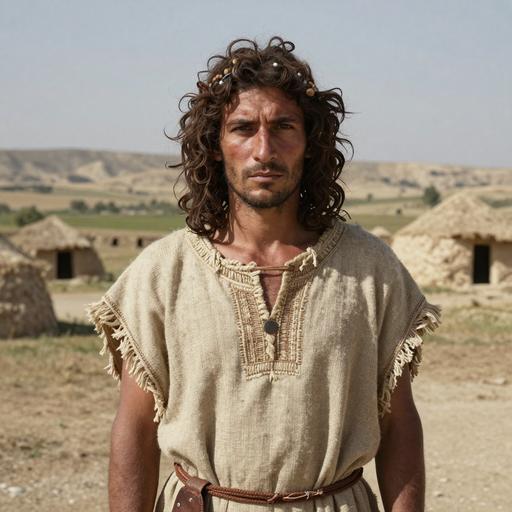
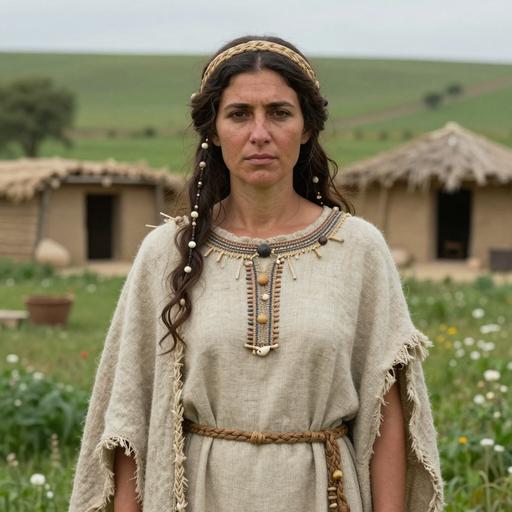
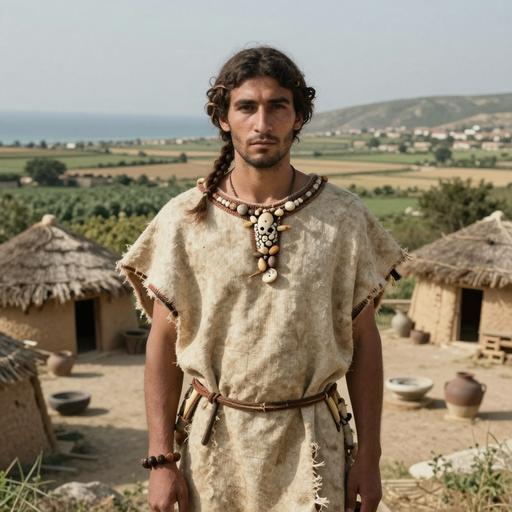
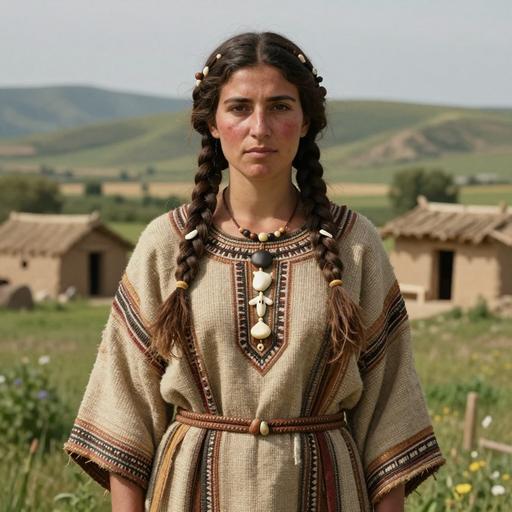
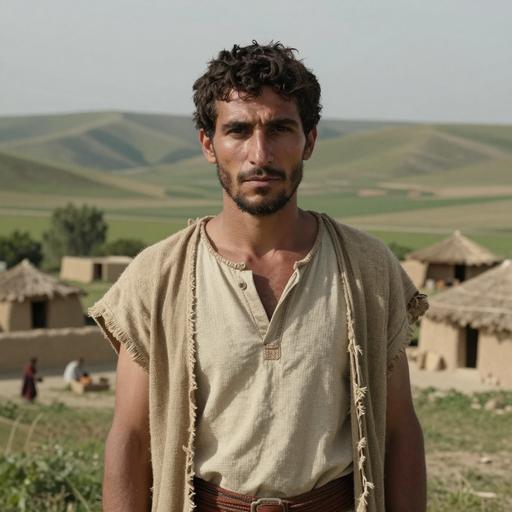
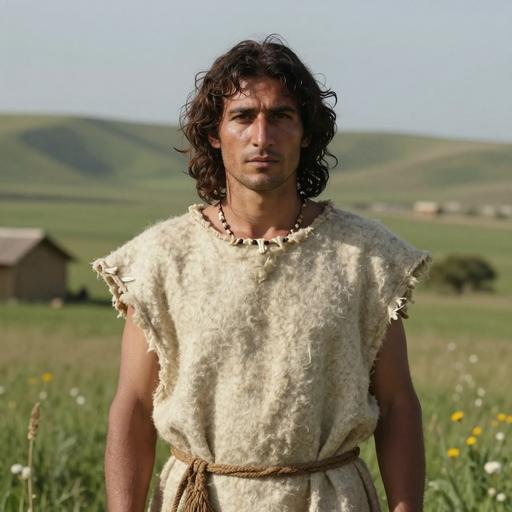
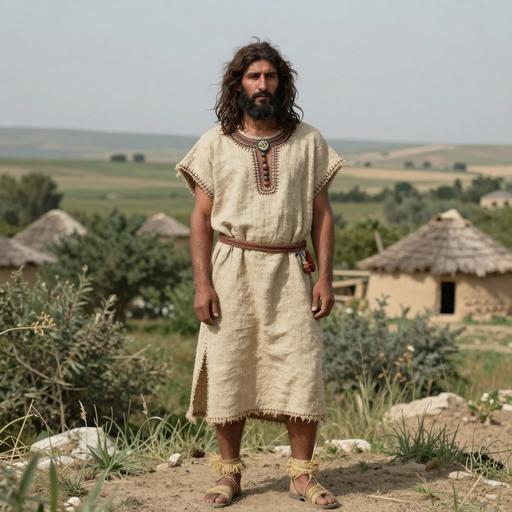
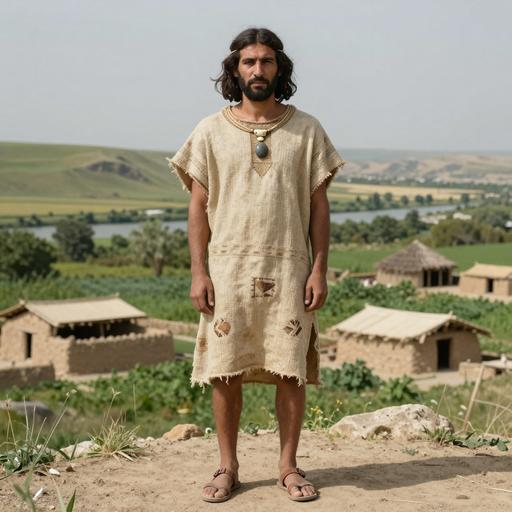
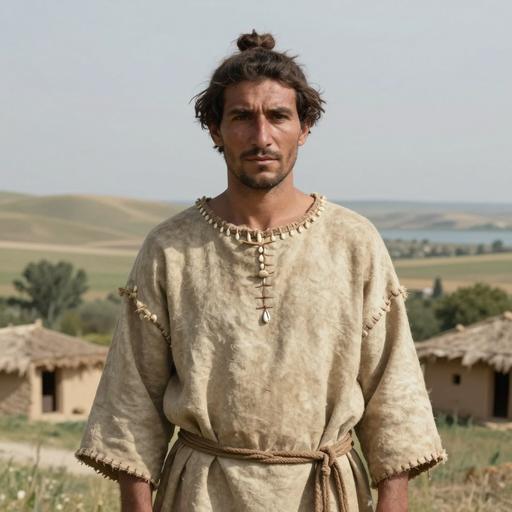
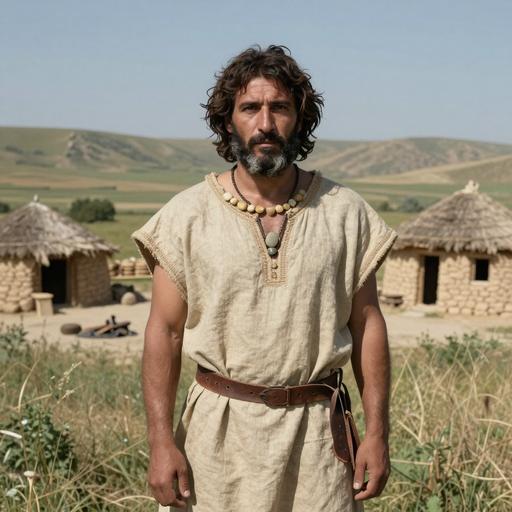
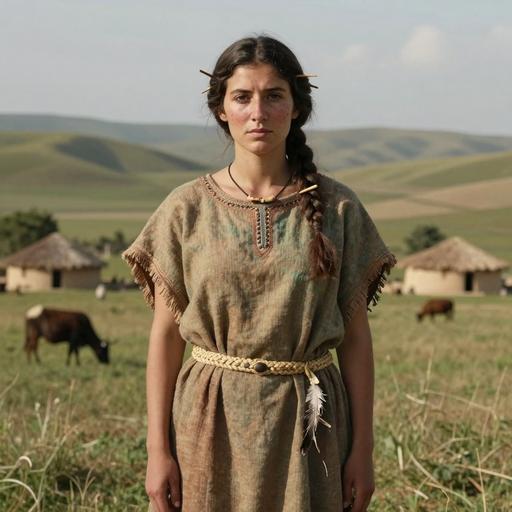
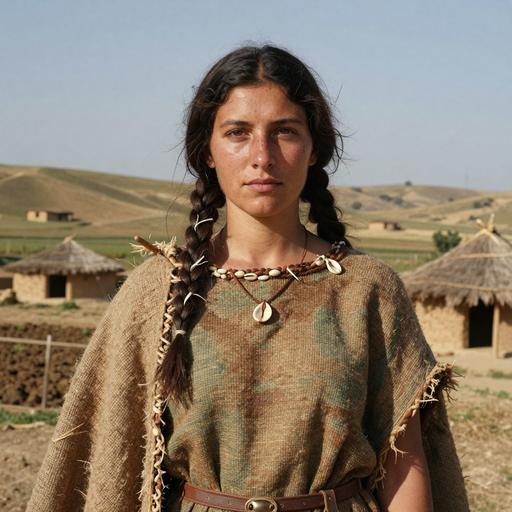
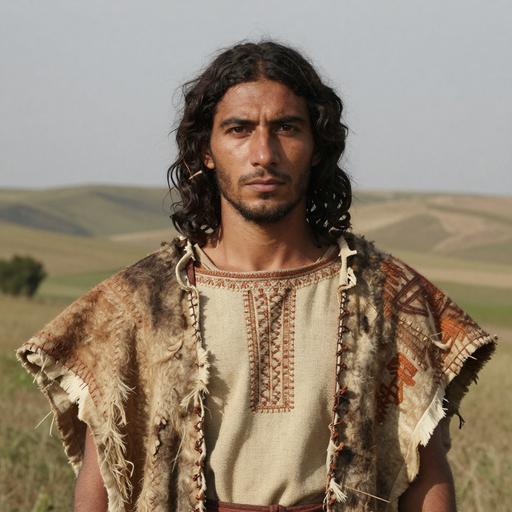
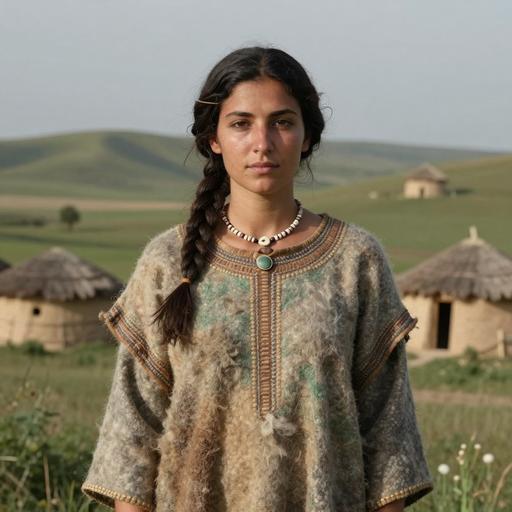
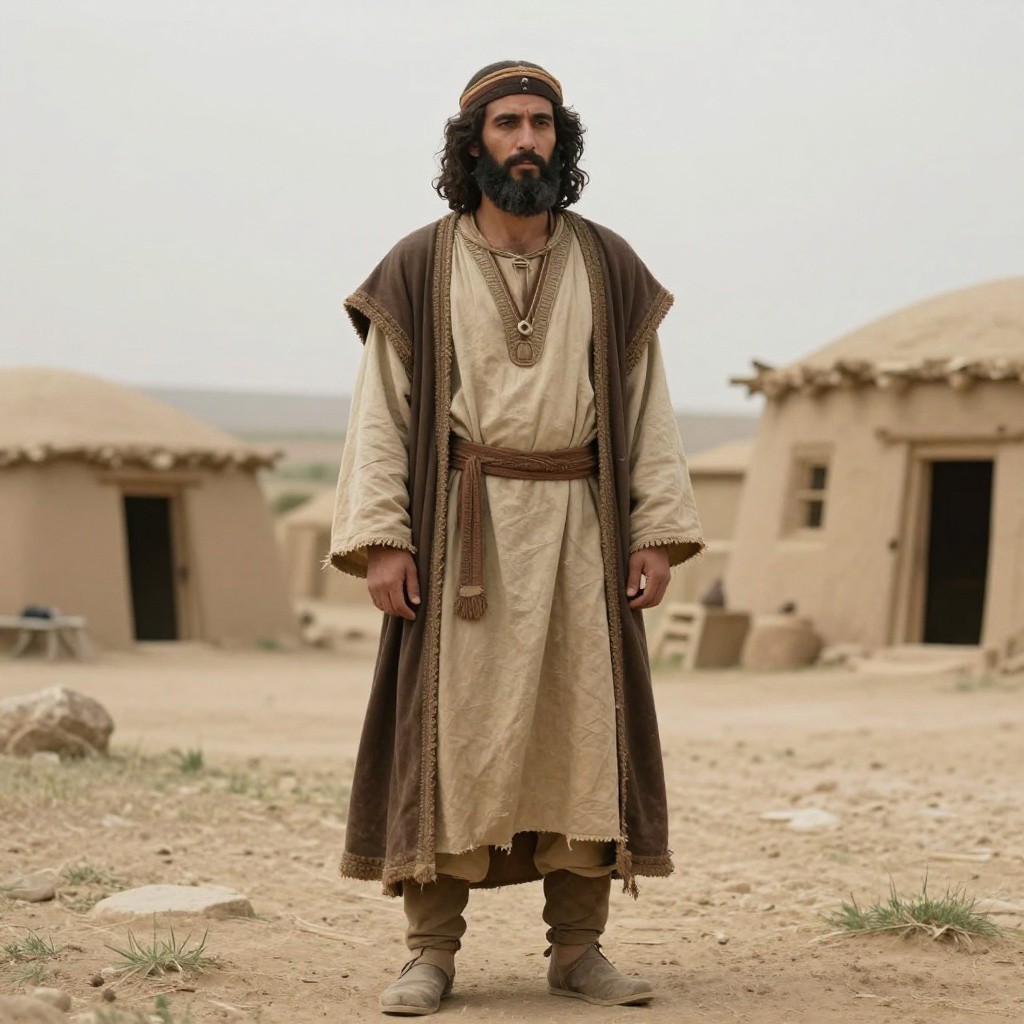
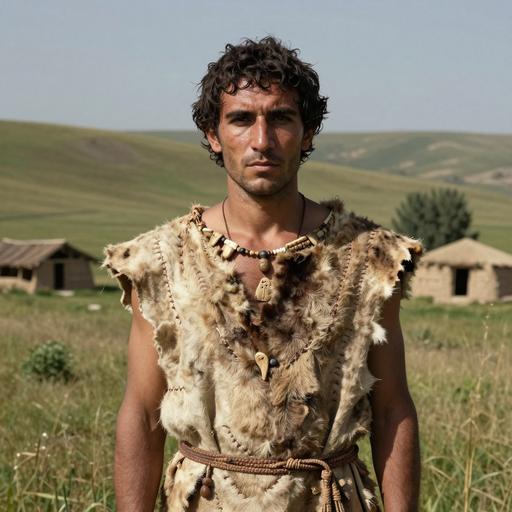
Life in Anatolian Neolithic settlements was tactile and collective: mudbrick and daub houses pressed shoulder-to-shoulder, hearths and storage pits embedded in daily routines, and courtyards where grinding, weaving, and tool-making left traces in living floors. Aşıklı Höyük’s layered floors reveal repeated rebuilding and domestic ritual; Çatalhöyük’s painted walls and figurines evoke a dense social fabric where homes were stages for both work and ceremony.
Economy centered on cultivation of einkorn, emmer, barley and managed herds of sheep and goats. Pottery styles—well-attested at Barcın and Ilıpınar—facilitated storage and cooking, while obsidian workshops attest to specialized production and intercommunity exchange. Burial practices varied: intramural burials, secondary interments, and modest grave goods suggest differing social expressions rather than rigid hierarchies. Craft, food, and symbolic life intertwined: the archaeological traces emphasize resilience and adaptation to changing climates and social circumstances.
Archaeobotanical, zooarchaeological, and material culture studies together sketch a vibrant, tactile world where communities negotiated space, resources, and identity.