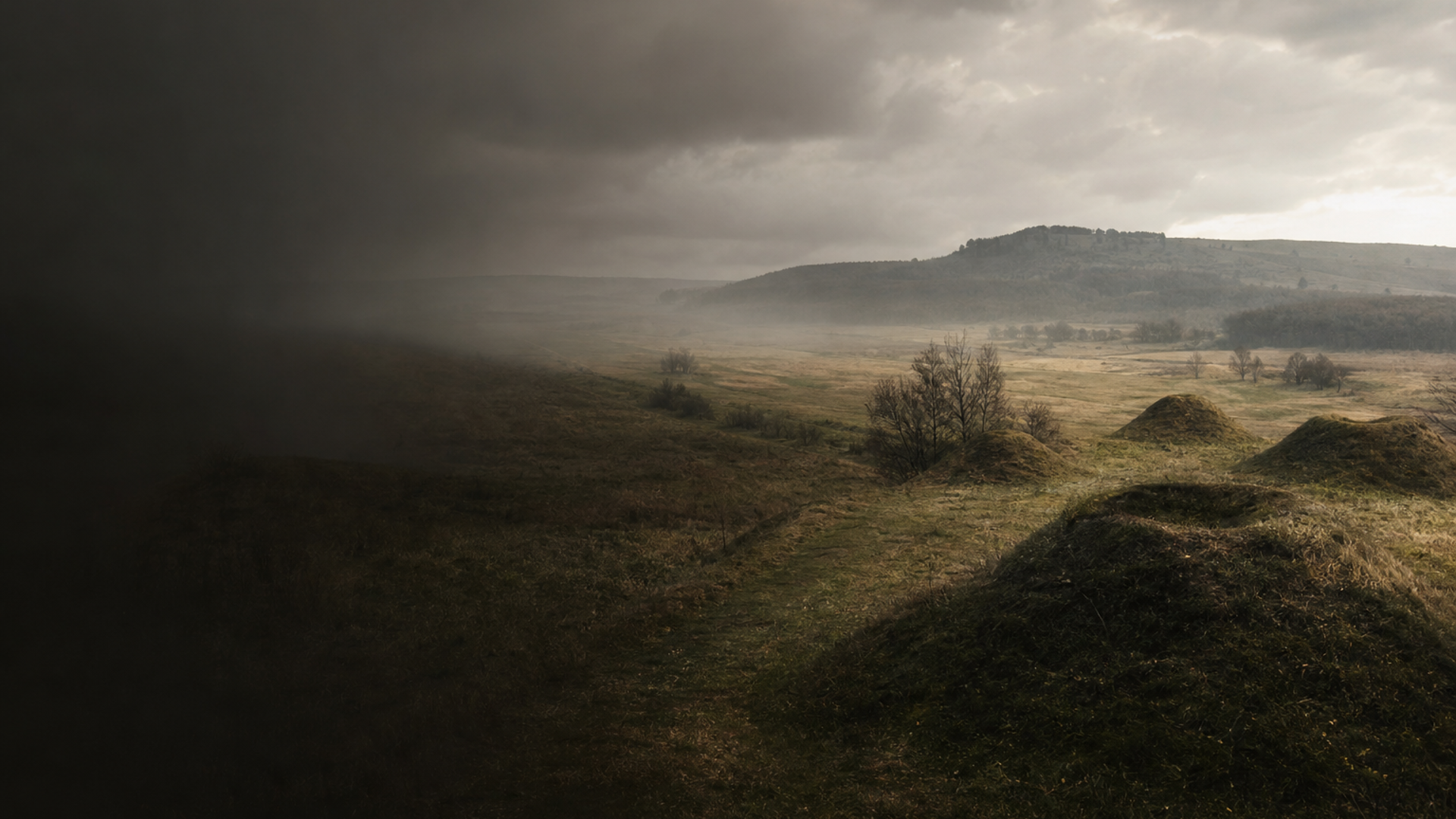
Archaeological traces paint a picture of everyday resilience framed by field, hearth and craft. Villages in Lower Saxony at this time were typically small nucleated settlements and dispersed farmsteads, where mixed agriculture—cereal cultivation, animal husbandry, and seasonal foraging—sustained communities. Grave assemblages from the Saxon medieval era often include modest personal items: iron tools, belt fittings, beads and occasional weaponry—objects that speak to gendered activities, status differentiation, and connections through trade.
At Anderten specifically, burial variability suggests households with diverse roles: some burials show accoutrements consistent with agricultural and craft activities, others hint at wider exchange networks through exotic beads or non-local metalwork styles. The period also witnesses the gradual spread of Christianity alongside older burial rites; archaeological data indicates both continuity and change in funerary practice rather than abrupt replacement.
Social organization likely centered on kin groups and local leaders whose authority was tied to control of land and clients. Seasonal cycles, communal labor, and shared ritual would have structured the year. While artifacts can suggest trade and long-distance ties, genetic data help reveal the human movements behind those objects—people who carried new lineages, memories and skills into Anderten’s fields and graves.