Chapter I
The Story
Understanding the Andronovo: Horse, Bronze, and Steppe Echoes culture
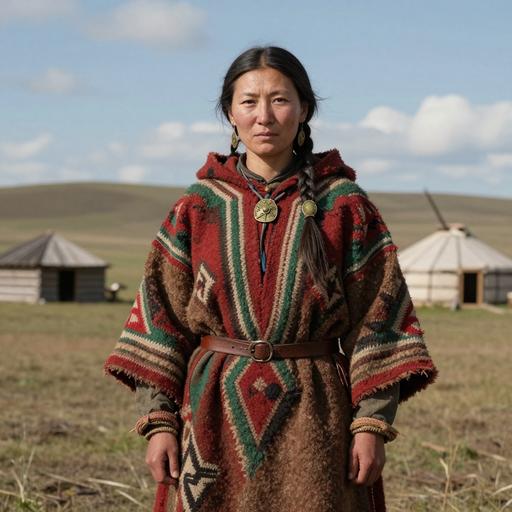
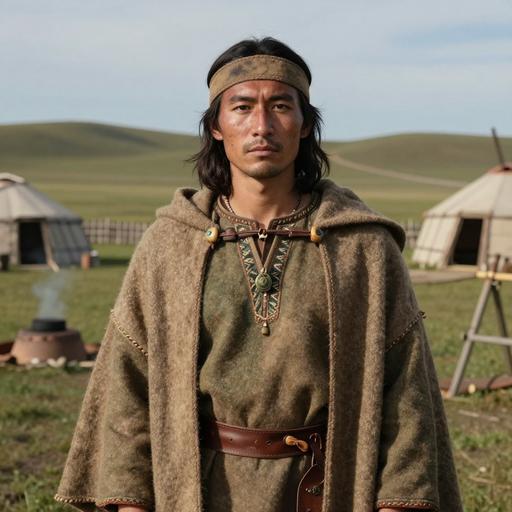
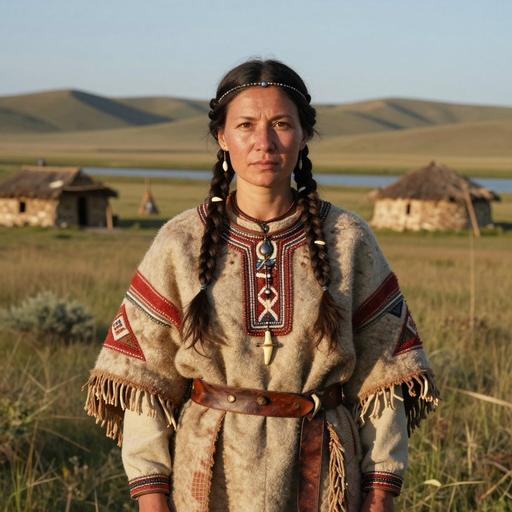
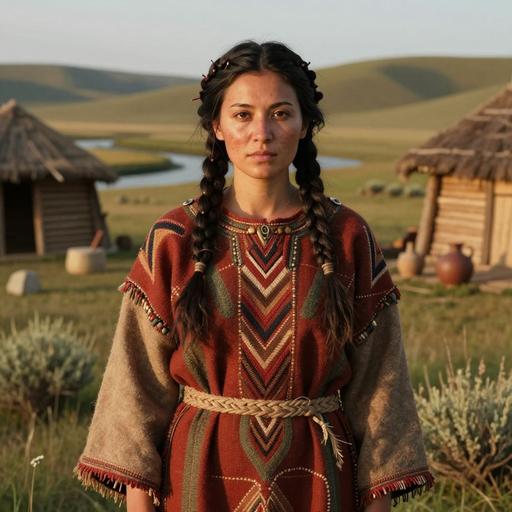
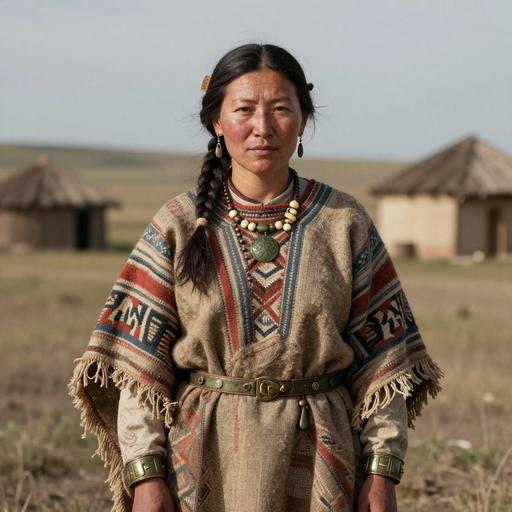
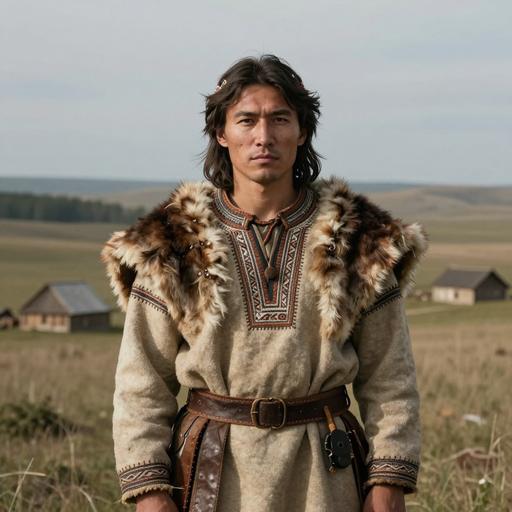
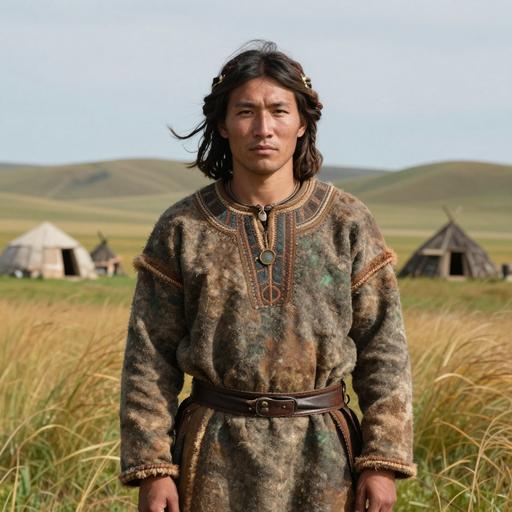
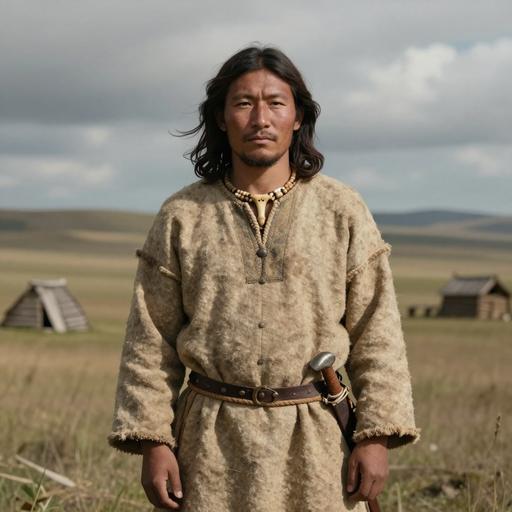
The Andronovo cultural horizon (ca. 3315–207 BCE) spans Bronze Age Kazakhstan and adjacent Russia. Archaeological sites and 93 genome samples reveal steppe pastoral lifeways, metallurgy, and a genetic profile dominated by Y-chromosome R and mtDNA U lineages—linking material culture to population movements across Eurasia.
Time Period
3315–207 BCE (Bronze Age)
Region
Kazakhstan, southern Russia (Eurasian Steppe)
Common Y-DNA
R (dominant), Q, N, P, F
Common mtDNA
U (most frequent), T, J, H, D