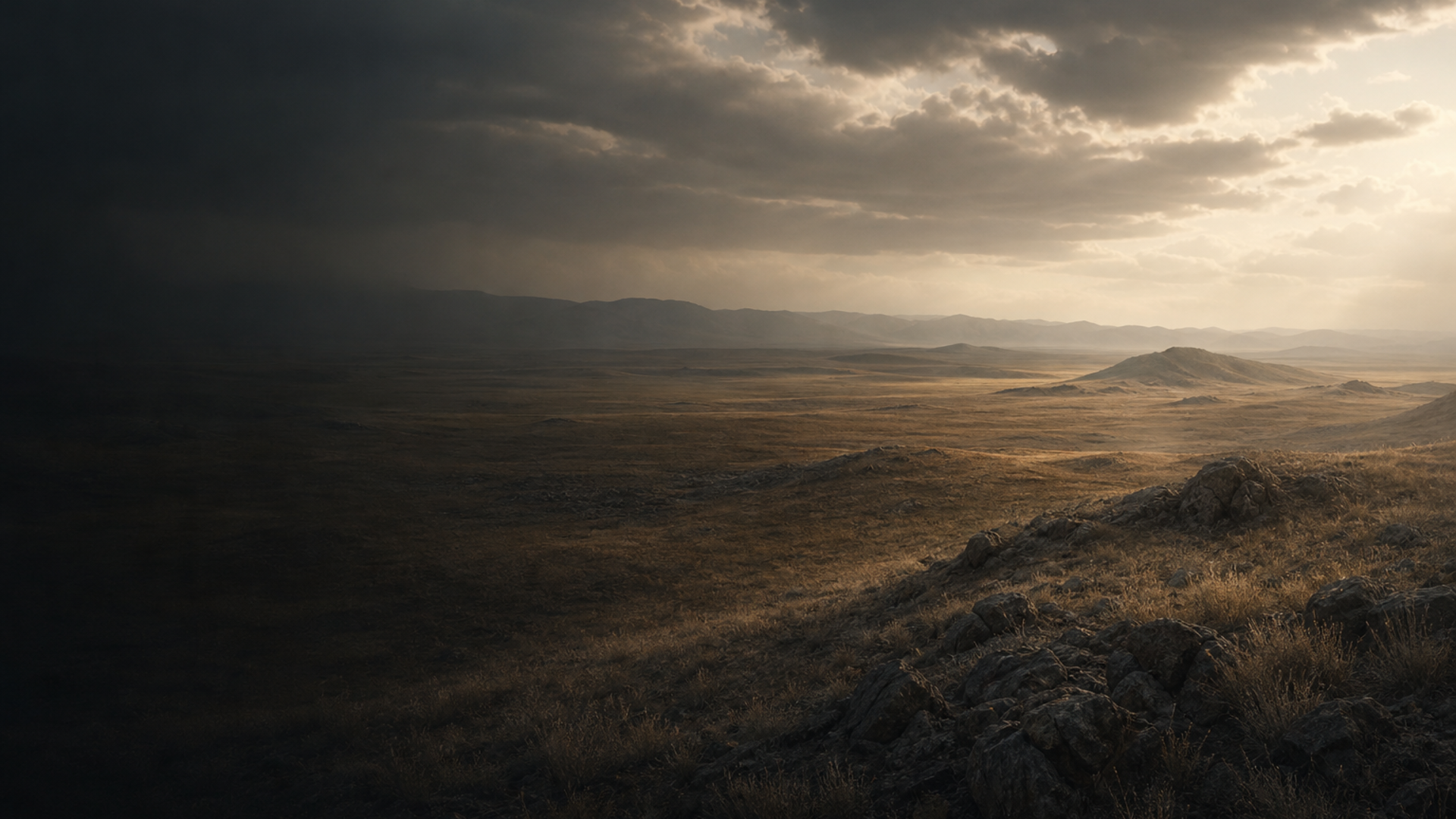
Archaeological evidence from Andronovo contexts paints an image of life on the high steppe: seasonal mobility following grazing cycles, herds of cattle, sheep and horses, and small settlements or encampments tied to ephemeral pastures. Material finds across Andronovo sites — bronze tools, portable hearths, and remnants of woven textiles — suggest skilled craftsmanship adapted to a pastoral economy. At a human scale, burial practices observed in the broader Andronovo corpus show variability: inhumations with modest grave goods to more elaborate burial rites that indicate social differentiation.
At Kytmanovo, the archaeological record is again modest; the skeletal and genetic remains preserved allow glimpses rather than panoramas. The presence of consistent maternal lineages (mtDNA U) among multiple individuals could indicate family or clan-based burial use of a locus across generations. Gendered divisions of labor, leadership, and long-distance exchange are plausible given parallels elsewhere in the Andronovo sphere, but such reconstructions should remain provisional until larger samples and more contextual excavation data are available.
Viewed cinematically, daily life would have been governed by seasonal rhythms: the creak of wagons, the crack of horse hooves, and small communal gatherings around bronze-smithing hearths — a lived world now visible only through shards, bones, and sequences of ancient DNA.